


| «Історичний
календар» Володимира Боська: 18-й і фінальний tusovka.kr.ua 06.03.2023 |
|
|
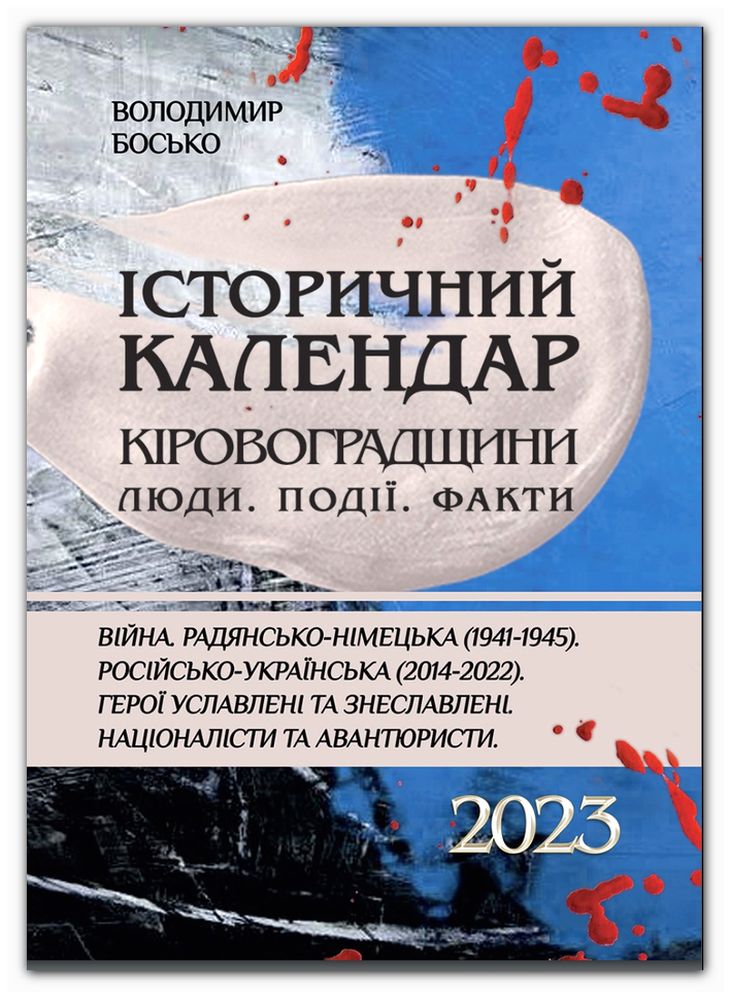
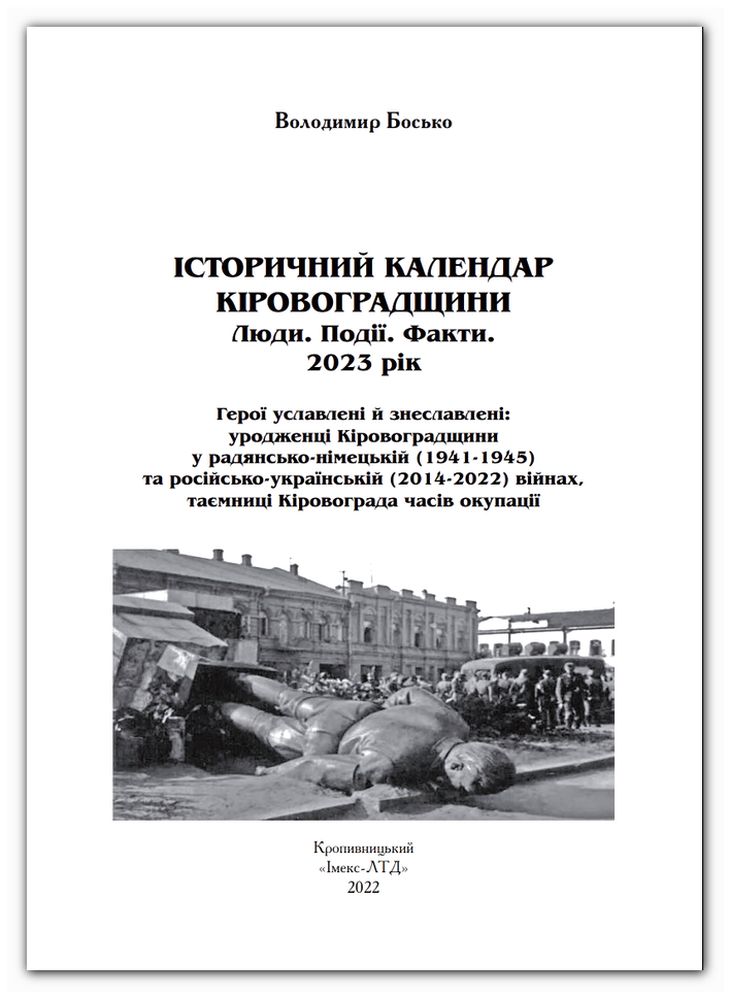
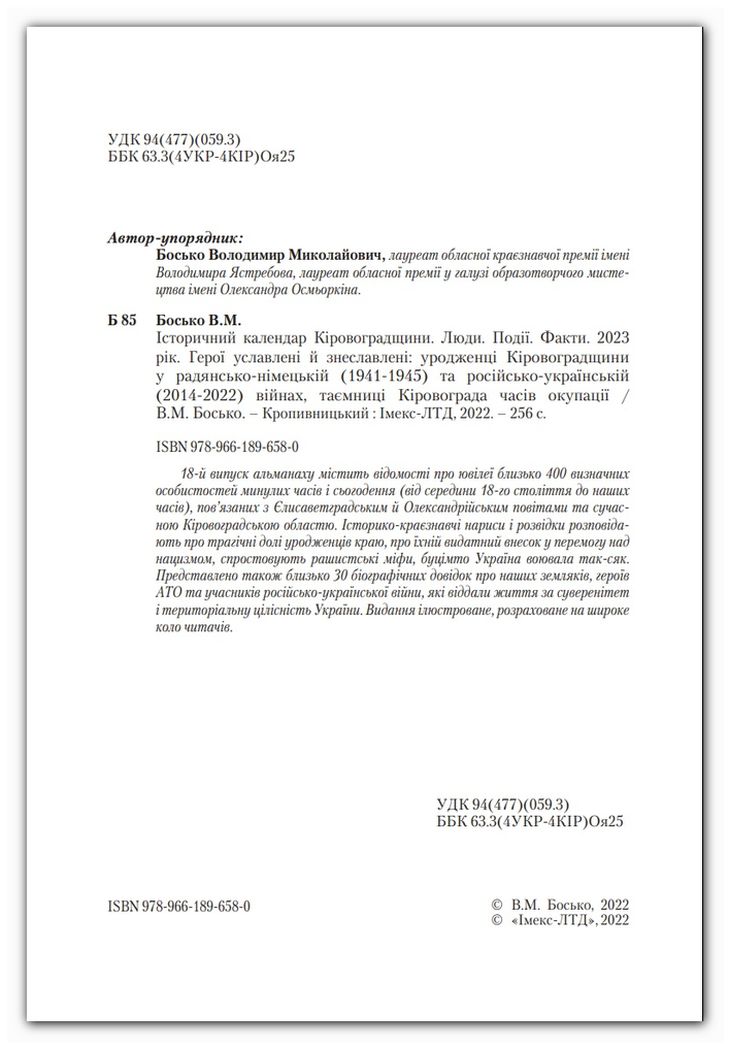
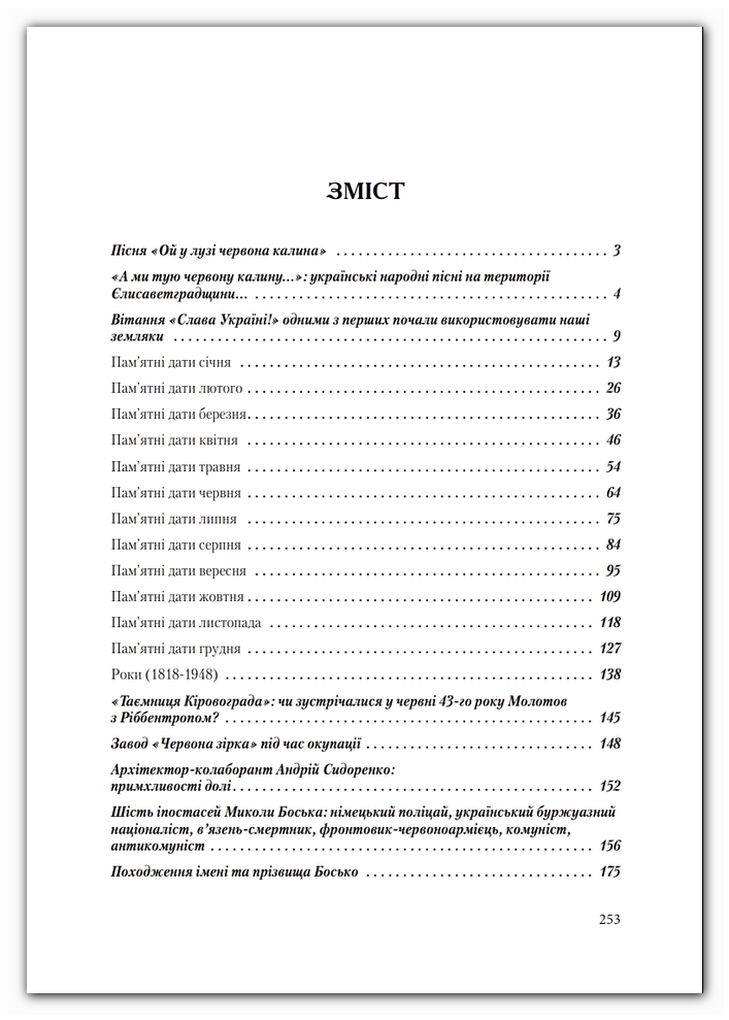
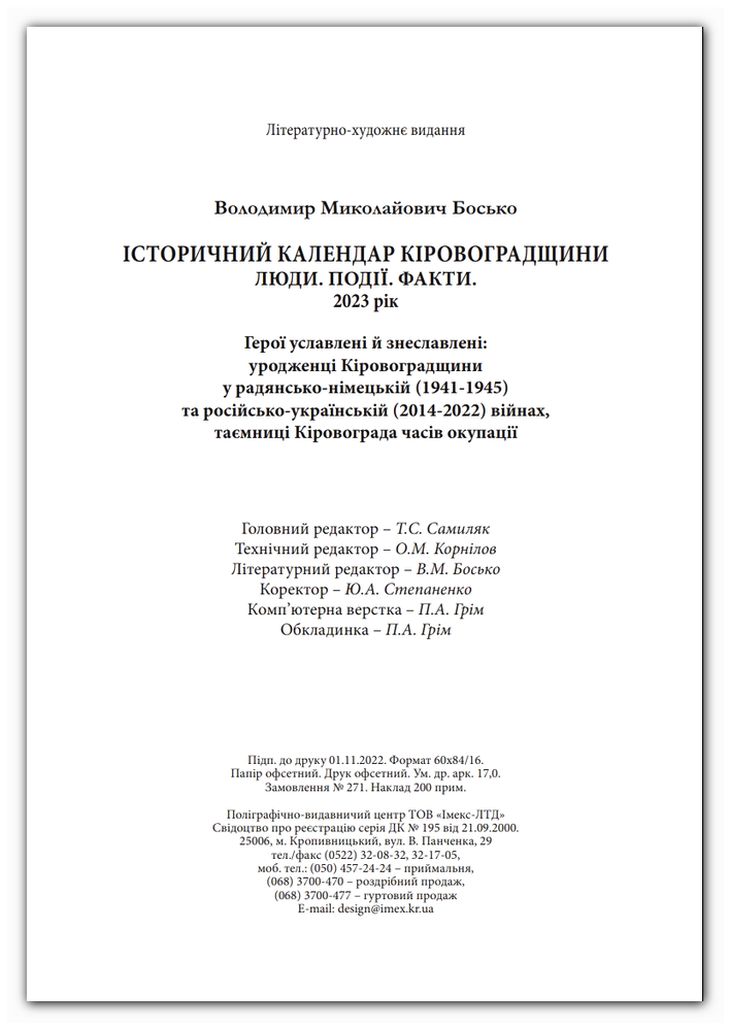
В бібліотеці Чижевського відбулася довгоочікувана презентація друкованої версії літературно-художнього видання «Історичний календар Кіровоградщини. Люди. Події. Факти. 2023 рік. Герої уславлені й знеславлені: уродженці Кіровоградщини у радянсько-німецькій (1941-1945) та російсько-українській (2014-2022) війнах, таємниці Кіровограда часів окупації» Володимира Боська. Про це дослідження кропивницького краєзнавця та мистецтвознавця та його презентацію ми вже писали www.library.kr.ua, втім воно варто не однієї публікації. Почнемо з того, що робота над календарем вимагала від свого автора колосальних зусиль. Уявить собі, що таке зібрати інформацію про кілька сотень особистостей, чиє життя пов’язане з Кіровоградщиною і в кого 2023-го ювілей! Читати дуже цікаво. І болісно, коли розповідь торкається героїв, що загинули на сході України. В своєму житті вони усі ще стільки недо… Не менш цікавою є інформація про факти і події, які відбулися від середини XVIII століття до сьогодення. Наприклад, 260 років тому, у 1763-му, біля села Копані Знамянського району була розкопана Лита могила. Ця подія дала початок розвитку скіфської археології, а степовий орел зі скіфської прикраси з часом став одним із елементів символіки області. У 1923-му, 100 років тому, населення тоді ще Єлисаветграда складало 50 тисяч людей (зараз у Кропивницькому живе більше 200 тисяч). А 30 років тому, 24 грудня 1993 року, вийшов перший номер тижневика «Україна-Центр». 18-й номер «Історичного календаря» Володимир Босько називає по-справжньому авторським і фінальним. В ньому він виклав неймовірну історію життя свого батька, назвавши нарис «Шість іпостасей Миколи Боська: німецький поліцай, український буржуазний націоналіст, в’язень-смертник, фронтовик-червоноармієць, комуніст, антикомуніст». За словами пана Володимира, головною причиною розповіді про батька були його свідчення про втечу 1943 року в’язнів з камери смертників тюрми СД, що знаходилась на вулиці Польовій у Кіровограді. Зусиллями мемуаристів, журналістів та «науковців», зазначає дослідник, втеча чотирьох чи п’яти людей перетворилася на організоване комуністами повстання з визволенням понад 400 в’язнів. Радимо почитати. Ви знали, що на Єлисаветградщині жив і творив автор пісні, що стала народною, «Їхав козак за Дунай» Семен Килмовський, що на наших теренах народились «Ой, під вишнею, під черешнею» та «Там, де Ятрань круто в’ється», що автором музики до шевченківських рядків «Реве та стогне Дніпр широкий» був вихованець Єлисаветградського духовного училища Данило Крижанівський? Володимир Босько про все це розповідає у своєму «Історичному календарі». І саме на Єлисаветградщині, в селі Марянівка, на початку 70-х років ХІХ століття було записано одну з найпопулярніших козацьких історичних пісень «Розлилися круті бережечки». Спитаєте, до чого вона? До того, що чотири останні її рядки - про ту саму червону калину у лузі. Як з’явився римейк - пісня Українських Січових Стрільців, як наші земляки одними з перших почали вживати вітання «Слава Україні» та багато іншої виняткової інформації можна знайти у 18-му номері «Історичного календаря» Володимира Боська. Друковане видання можна придбати в «Імекс-ЛТД» та магазині «Професіонал», що на вулиці Панченка. Відео презентації можна переглянути за посиланням www.youtube.com Погортати календар запрошуємо до відділу краєзнавства бібліотеки Чижевського. Як і усі учасники презентації, сподіваємось, що 18-й все ж таки не буде фінальним!
|
|
 |
|
 |
|
 |
|
 |
|
 |
|
 |
|
 |
|
| Бібліотека ім. Д. І. Чижевського. Презентація книги "Історичний календар Кіровоградщини 2023 рік" |

©
В. М. Босько, 2023
© Поліграфічно-видавничий
центр ТОВ «Імекс-ЛТД»
Literary and artistic publication
Volodymyr Mykolaiovych Bosko
Signed for printing on 1 November 2022
tusovka.kr.ua, 6 March 2023
The Chyzhevsky Library hosted the long-awaited presentation of the printed version of Volodymyr Bosko's literary and artistic publication Historical Calendar of the Kirovohrad Region. People. Events. Facts. 2023. Heroes Glorified and Disgraced: Natives of the Kirovohrad Region in the Soviet-German (1941-1945) and Russian-Ukrainian (2014-2022) Wars; Secrets of Kirovohrad during the Occupation.
We have already written at www.library.kr.ua about this research by the Kropyvnytskyi local historian and art scholar and about its presentation, but it deserves more than one publication. To begin with, work on the calendar required enormous effort from its author. Imagine what it means to collect information about several hundred people whose lives are connected with the Kirovohrad region and who have anniversaries in 2023. It is extremely interesting to read, and painful when the account touches on heroes who died in eastern Ukraine. They all still had so much ahead of them in life...
No less interesting is the information about facts and events that took place from the middle of the eighteenth century to the present day. For example, 260 years ago, in 1763, the Lita Mohyla burial mound near the village of Kopani in the Znamianka district was excavated. This event marked the beginning of the development of Scythian archaeology, and the steppe eagle from a Scythian ornament later became one of the elements of the region's symbolism. In 1923, one hundred years ago, the population of what was then Yelisavethrad was 50,000 people (today more than 200,000 live in Kropyvnytskyi). And thirty years ago, on 24 December 1993, the first issue of the weekly Ukraine-Centre appeared.
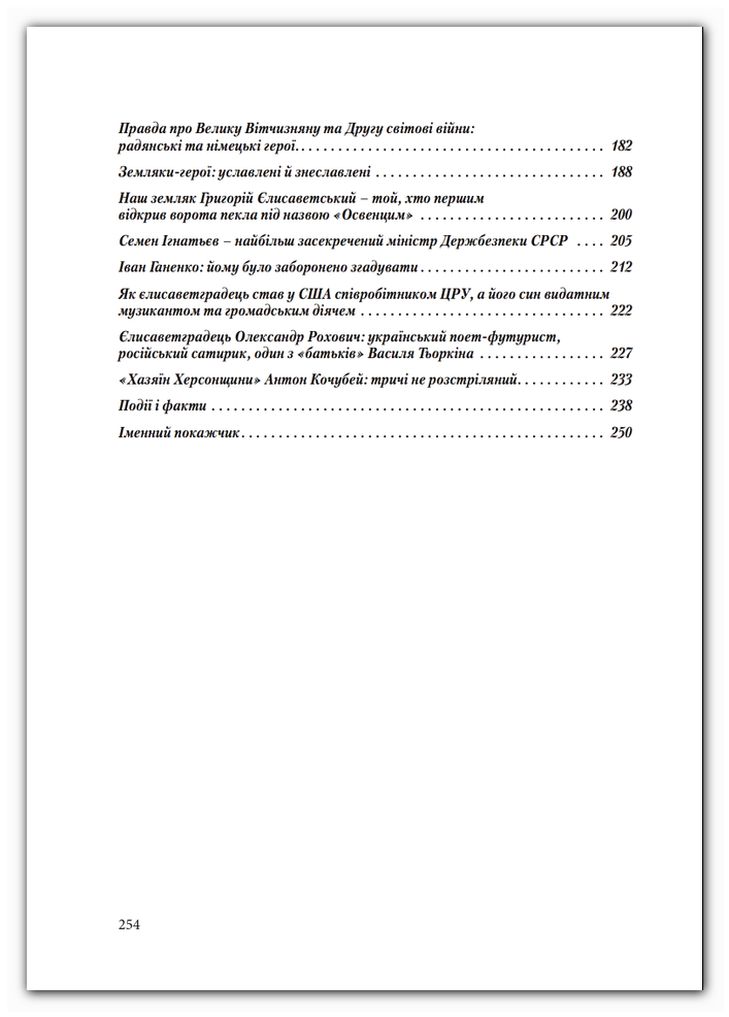
Volodymyr Bosko calls the 18th issue of the Historical Calendar genuinely personal and final. In it he tells the extraordinary story of his father's life in an essay entitled The Six Incarnations of Mykola Bosko: German Policeman, Ukrainian Bourgeois Nationalist, Death-Row Prisoner, Red Army Front-Line Soldier, Communist, Anti-Communist. According to Mr Bosko, the main reason for telling his father's story was his testimony about the 1943 escape of prisoners from the death-row cell of the SD prison on Polova Street in Kirovohrad. Through the efforts of memoirists, journalists and "scholars," the researcher notes, the escape of four or five people was transformed into a Communist-organized uprising that supposedly freed more than 400 prisoners. We recommend reading it.
Did you know that Semen Klymovsky, author of the song A Cossack Rode beyond the Danube, which became a folk song, lived and worked in the Yelisavethrad region; that Oh, under the Cherry Tree and There, Where the Yatran Winds Steeply originated in our region; or that Danylo Kryzhanivsky, a graduate of the Yelisavethrad Theological School, wrote the music for Shevchenko's lines The Mighty Dnipro Roars and Groans? Volodymyr Bosko tells all this in his Historical Calendar. And it was in the Yelisavethrad region, in the village of Marianivka, that one of the most popular historical Cossack songs, The Steep Banks Have Overflowed, was recorded in the early 1870s. You may ask what that has to do with anything. The answer is that its last four lines are about that very red viburnum in the meadow.
How the remake - the song of the Ukrainian Sich Riflemen - appeared, how our fellow countrymen were among the first to use the greeting "Glory to Ukraine," and much other exceptional information can be found in the 18th issue of Volodymyr Bosko's Historical Calendar.
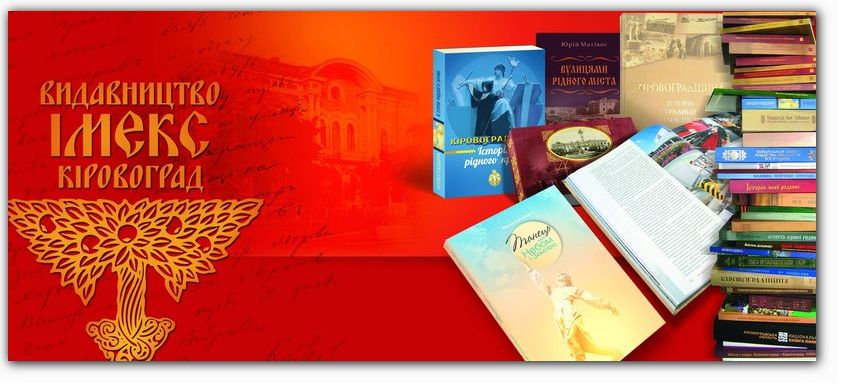
The printed edition can be purchased from Imex-LTD and from the Professional shop on Panchenko Street. A video of the presentation can be viewed via www.youtube.com. Readers are invited to leaf through the calendar in the local-history department of the Chyzhevsky Library.
Like all the participants in the presentation, we hope that the 18th issue will not, after all, be the final one.
More details: https://tusovka.kr.ua/news/2023/03/06/-istorichnii-kalendar-volodimira-boska-18-i-i-finalnii
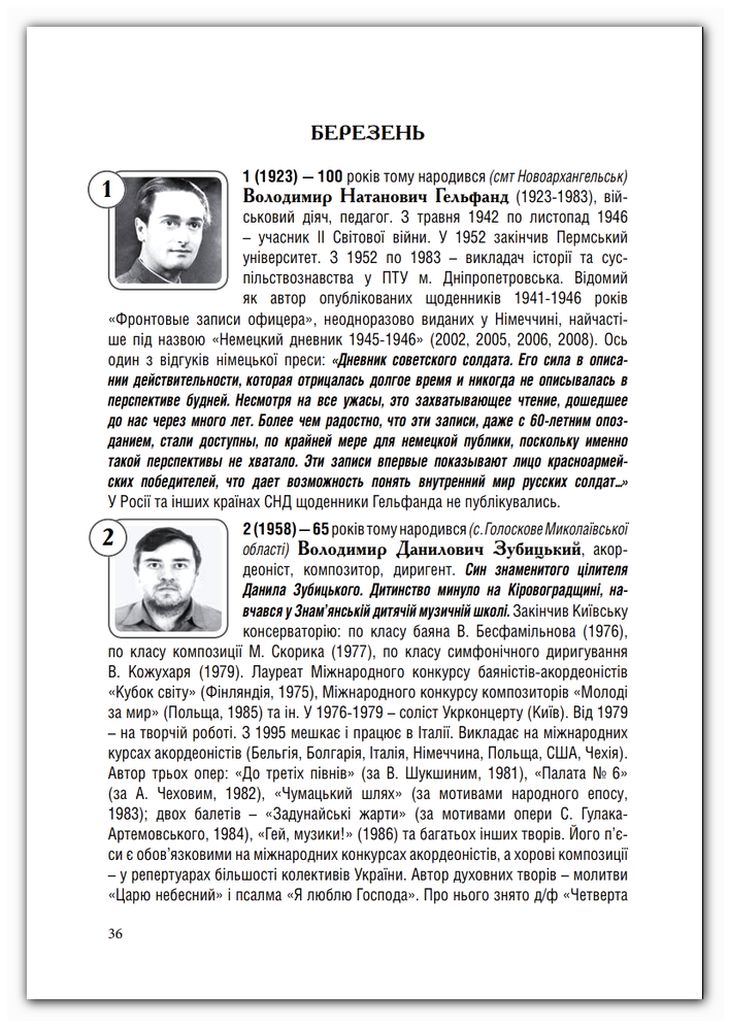
1 March 1923 - 100 years ago: Vladimir Natanovych Gelfand (1923-1983), military figure and teacher, was born in the urban-type settlement of Novoarkhanhelsk. From May 1942 to November 1946 he took part in the Second World War. In 1952 he graduated from Perm University. From 1952 to 1983 he taught history and social studies at a vocational school in Dnipropetrovsk. He is known as the author of the published diaries of 1941-1946, Front-Line Notes of an Officer, repeatedly issued in Germany, most often under the title German Diary 1945-1946 (2002, 2005, 2006, 2008).
The calendar gives the following review from the German press: "Diary of a Soviet soldier. Its strength lies in its description of a reality that was denied for a long time and was never described from the perspective of everyday life. Despite all the horrors, it is gripping reading that has reached us after many years. It is more than welcome that these notes, even sixty years late, have become accessible at least to the German public, because precisely such a perspective was lacking. These notes show for the first time the face of the victorious Red Army soldiers, making it possible to understand the inner world of Russian soldiers..."
The calendar states that Gelfand's diaries were not published in Russia or other CIS countries.
© V. M. Bosko, 2023
© Printing and Publishing Centre, Imex-LTD