


| НОЯБРЯ 24,
2015 Лиля Пальвелева |
|||
| ИСТОРИЯ | |||
Бесценный графоман |
|||
![]() |
|||
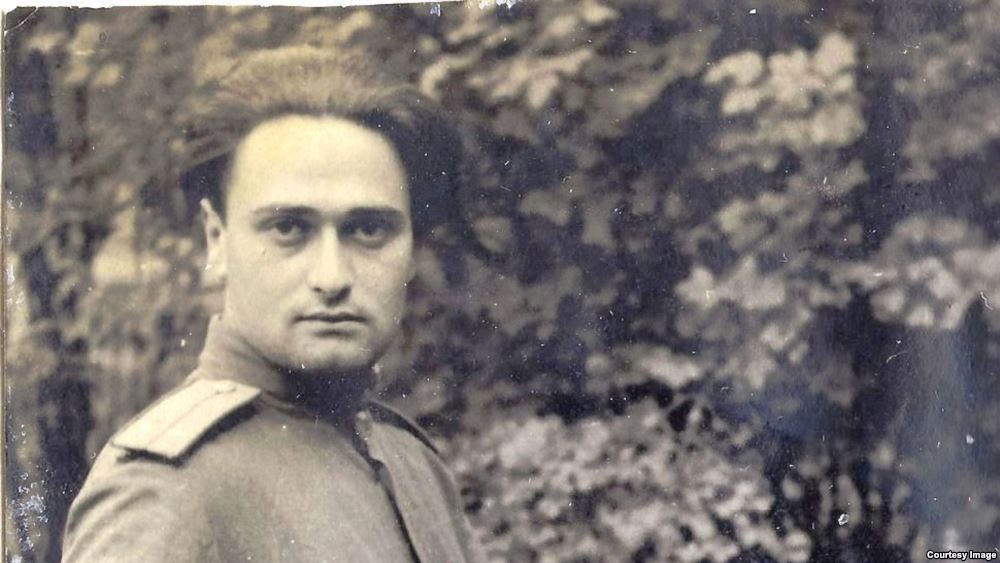
| Владимир Гельфанд | |||
|
Военные дневники лейтенанта Гельфанда лишены литературных достоинств, зато это бесстрашный документ эпохи В Еврейском музее и центре толерантности в Москве прошла презентация книги "Владимир Гельфанд. Дневник. 1941–1946". Ни хаотичное отступление советских частей в первый год войны, ни участие в Сталинградской битве и других кровопролитных сражениях не помешали минометчику Гельфанду регулярно вести записи в тетрадях, о существовании которых никто не знал вплоть до 1983 года. Германская часть дневника была опубликована на немецком и шведском языках. На русском языке и в полном виде он вышел в свет впервые – в издательстве РОССПЭН и при поддержке Еврейского музея.
|
|||
| Войну
Владимир Гельфанд закончил в Берлине и, как ни рвался на родину,
вынужден был провести там еще год. Сын автора дневникаВиталий Гельфанд
с 1995 года живет в Германии. В Москву на презентацию книги он
прилетел как раз из Берлина. Военные дневники Виталий Гельфанд
обнаружил после смерти отца, разбирая его бумаги: |
|||
![]() |
|||
|
– Он никому о них не рассказывал, даже своей жене, моей маме. Мы знали, что он что-то пишет, но то, что есть военные записи, никто не подозревал. Это его внутренняя жизнь, его внутренний мир. Он хотел стать писателем, но эти надежды не сбылись. Несколько раз, в том числе во время войны, пытается начинать писать книгу. И бросает это. Либо чувствует, что у него не получается, либо откладывает это на потом. Дневник отец начал писать еще в детстве и не мог остановиться. Он писал, потому что не писать не мог. Я 25 лет назад впервые прочитал Солженицына, и мне было страшно. У меня было такое подавленное, убитое состояние, ведь я узнал о том, что всю жизнь для меня было закрыто. Такие же ощущения я испытал, когда получил месяц назад из Москвы эту книгу и прочитал ее от начала и до конца. Не так, как я переписывал, потом редактировал, сверял, перепроверял. Не так, а просто с первой до последней страницы. Это те же чувства, как после прочтения "Архипелага" и "Одного дня Ивана Денисовича". А ведь я был подготовлен к этой книге. |
|||
![]() |
|||
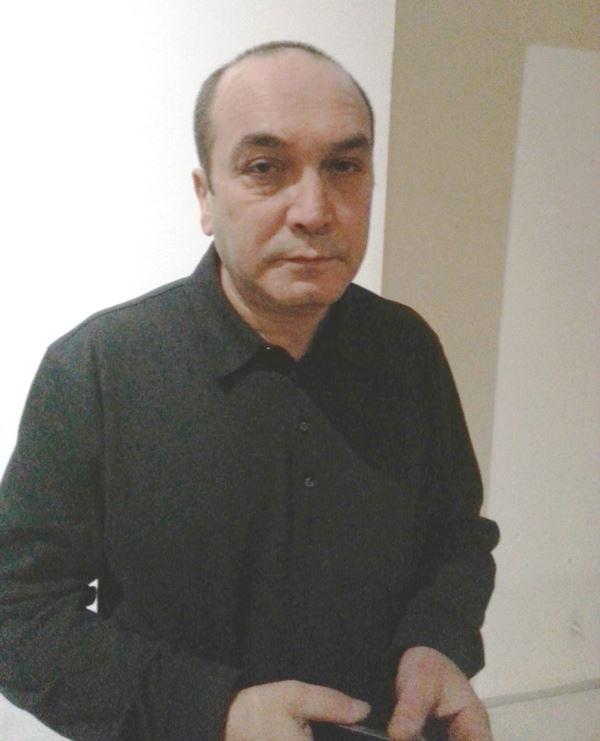
| Виталий Гельфанд | |||
|
– Более того, участвовали в ее создании. – Ваш отец не говорил об этих дневниках, но
рассказывал ли он вам о своем участии в войне? |
|||
|
Научную публикацию дневника Владимира Гельфанда подготовил профессор Высшей школы экономики историк Олег Будницкий. По его словам, для того чтобы получилась цельная книга, потребовалось проделать большую работу: – Виталий Гельфанд расшифровал рукописи, это был колоссальный труд. А мои сотрудники из Центра истории и социологии Второй мировой войны Высшей школы экономики отделили от дневника различные сопутствующие документы – рапорты, письма, какие-то статьи лейтенанта Гельфанда. Таким образом, собственно, дневник был воссоздан. Так что это издание – первая полная научная публикация. Там одних только комментариев под 200 страниц. – Можем ли мы предполагать, что читатель узнает о Второй мировой войне что-то новое? Я об этом спрашиваю, потому что столько уже написано и так много осмыслено. – Тут надо понимать, что читатель узнает то, что увидел и как воспринял войну Владимир Гельфанд, и не более того. Как он интерпретировал события, что он чувствовал. Любой источник личного происхождения, будь то дневники, мемуары, интервью, – это впечатления и память одного человека. – Да, но он же был в гуще событий! Он непосредственный свидетель и участник. |
|||
![]() |
|||
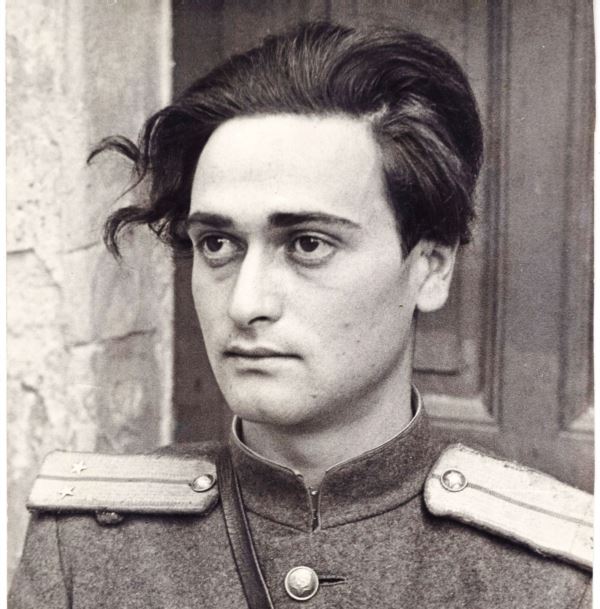
| Владимир Гельфанд. Берлин, 1945 г. | |||
|
– Видите ли, когда мы пишем историю, мы никогда не основываемся на одном источнике. Мы основываемся на боевых донесениях, на данных разведки, на донесениях каких-то специальных органов, на текстах разного рода, боевых приказах, сводках, на чем угодно – с разных сторон. И с советской стороны, и с немецкой. Мы стремимся рассказать, как было на самом деле, используя весь комплекс источников, нам доступных, или, по крайней мере, тех, которые мы считаем важными. Мы пытаемся воссоздать объективную историю Второй мировой войны. Владимир Гельфанд – сначала сержант, потом младший лейтенант, потом лейтенант Красной Армии. Он описывал то, что видел. А дневники военного времени – это, в отличие от мемуаров, большая редкость. В армию он попадает как раз в период харьковской катастрофы, этого страшного поражения, отступления к Сталинграду, к Дону, потом к Волге. Да, мы знаем, что это было и как это было, однако он описывает реалии того, как это происходило, что было с ним лично. В этот период он страшно возмущен тем безобразием, которое творится. Тем, что командиры просто убежали. Автор дневника возмущается: знает ли об этом товарищ Сталин? Он, кстати, с восторгом воспринимает очень жесткий сталинский приказ номер 227, известный под девизом "Ни шагу назад". Было предусмотрено создание заградотрядов. За отступление без приказа – расстрел на месте. Гельфанд, между прочим, убежденный сталинист. После войны, в 1945 году, он пишет что "Сталин – мое солнце". Это вот такой слепок, он настоящий советский человек. Да, он пишет ужасные вещи о Красной Армии и о многом другом. Но он еще и не боится, ведь он про себя знает, что является настоящим советским человеком, который хочет, чтобы всяких безобразий не было. Дневник, вообще, поразительный по откровенности. Он ко всему еще очень наивный парень, который нередко плохо разбирается в людях и в обстановке. Что думает, то и пишет. А что за это его могут взять, извините, за одно место – как-то не приходит в голову. И это делает его дневник поистине замечательным источником. |
|||
|
|
|||
| |
|||
| Дневник
Гельфанда имеет чрезвычайно важное значение для истории Второй мировой
войны. Война увидена глазами рядового участника. Второй момент –
это такой своеобразный "роман воспитания". Молодой человек, который
практически со школьной скамьи оказался призванным в армию, брошен в
гущу жизни, о которой он имел самые идеализированные представления, и
эта жизнь оказалась совсем не такой, как она ему виделась. Это его
возмущает. |
|||
Он очень откровенен. Он описывает унижения, через которые ему пришлось пройти. Описывает антисемитизм, с которым он постоянно сталкивается. Сражения, в которых он участвует. Детали реалистичны. Факты абсолютно достоверны. К примеру, он упоминает массу людей, никому не известных, в том числе, рядовых. Наверное, мои сотрудники меня прокляли, но я их заставил по имеющимся в нашем распоряжении электронным базам выяснить, кто были эти люди. И очень многое выяснили. Кто они такие, когда призваны, в какой должности служили, погибли или остались живы, чем награждены и так далее. Поразительно, но детали подтверждаются. Например, в дневнике есть страшный эпизод. Владимир Гельфанд разговаривает с девушкой-санинструктором. Начинается обстрел. Он отрыл приличный такой окоп, она тоже отрыла окопчик, но неглубокий. Он галантно уступает ей свой окоп, и именно в него попадает снаряд. И он хладнокровно совершенно пишет, что от той девушки остались почки, нога, еще что-то такое. Они останки хоронят, и он заставляет поставить там табличку, что такая-то уроженка Астрахани, она "медаленосец", погибла здесь такого-то числа. Мы проверили – все абсолютно точно. Гельфанда очень долго не награждали, я думаю, по понятной причине. Его не очень любили товарищи по службе, и я понимаю почему. Тут дело было не в том, что он еврей, а в том, что он, конечно, был очень "правильный". Никому не нравилось все время слушать его постоянные политинформации. Еще он был странный, конечно. Писал все время. Он был настоящий графоман, и слава богу! Сегодня нас интересуют, разумеется, не красоты стиля, а содержание его записей. Повторю, вся фактура абсолютно достоверна. Бывают моменты, когда столько дней уже боев, и грязь непролазная, и обстрелы, и он теряет счет дням. Он пишет: "Я думаю, что сегодня такое-то число". |
|||
![]() |
|||
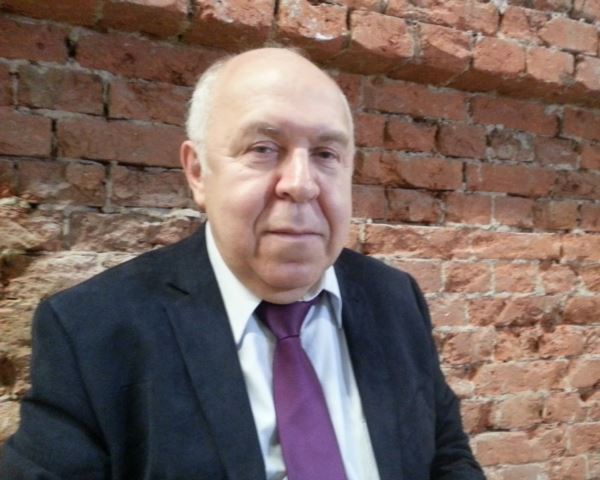
| Историк Олег Будницкий | |||
|
У нашего героя, кстати, было поразительное качество – он был лишен страха смерти. Знаете, есть такие люди, это тоже в какой-то степени наивность что ли, которые живут с ощущением: со мной этого случиться не может. Вот тут снаряды падают, кого-то убивают, останки страшные, а он все время пишет. Рвутся снаряды – он пишет, ночь – он пишет. В этом особая ценность дневника. Это редчайший случай, когда дневник вот такого полного хронологического охвата. Начат перед войной, в мае 1941 года. Завершается временем возвращения на родину, записью "я подъезжаю к Днепропетровску родному". – Вы рассказываете, что Владимир Гельфанд все время пишет. Это как минимум много листов, много тетрадок. Но он же участвовал в боях, побывал в нескольких странах. Как можно было сохранить такой большой объем текстов? – Действительно, это целая гора пакетов. Виталий Гельфанд подарил эти подлинные тексты Еврейскому музею. И это загадка, как он все это таскал с собой, ведь объем довольно большой. Можно предположить, что тетрадки с записями пересылались родным. Хотя как пересылать? Существовала же цензура. Там прочитали бы – я не знаю, что бы с ним было. Точнее, знаю, что с ним было бы! Не исключаю, что он мог дневники все время носить с собой, – говорит Олег Будницкий. |
|||
| |
|||

Лиля Пальвелева |
|||
| |
|||
| Время Свободы - Интервью | |||
| © Радио Свобода |
RussianLieutenant Gelfand’s wartime diaries have little literary merit, but they are a fearless document of their era.
A presentation of the book Vladimir Gelfand. Diary. 1941–1946 was held at the Jewish Museum and Tolerance Center in Moscow. Neither the chaotic retreat of Soviet units in the first year of the war nor participation in the Battle of Stalingrad and other bloody fighting prevented mortar man Gelfand from regularly writing in notebooks whose existence remained unknown until 1983. The German part of the diary was published in German and Swedish. It has now appeared in Russian, and in full, for the first time — from ROSSPEN, with the support of the Jewish Museum.
Vladimir Gelfand ended the war in Berlin and, despite his longing to return home, was forced to remain there for another year. The diarist’s son, Vitaly Gelfand, has lived in Germany since 1995. He flew to Moscow for the book presentation from Berlin. Vitaly discovered the wartime diaries after his father’s death while sorting through his papers:
“He never told anyone about them, not even his wife, my mother. We knew that he wrote something, but nobody suspected there were wartime notes. It was his inner life, his inner world. He wanted to become a writer, but those hopes never came true. Several times, including during the war, he tried to start writing a book and gave it up. Either he felt it was not working, or he put it off until later. My father began keeping a diary when he was still a child and could not stop. He wrote because he could not help writing.
“Twenty-five years ago I read Solzhenitsyn for the first time, and it frightened me. I felt crushed and devastated, because I learned about things that had been closed to me all my life. I felt the same way a month ago when I received this book from Moscow and read it from beginning to end — not the way I had copied it out, then edited it, checked it and checked it again, but simply from the first page to the last. The feeling was the same as after reading The Gulag Archipelago and One Day in the Life of Ivan Denisovich. And yet I was prepared for this book.”
Vitaly Gelfand
— More than that, you took part in creating it.
— Exactly.
— Your father did not speak about these diaries, but did he tell you about his participation in the war?
— Yes. There are many episodes in them that he told me about. When I was little, probably between seven and twelve, I would lie down beside him and he would start telling me either a fairy tale or something about the war — just specific stories. But he never mentioned that the diaries existed,” says Vitaly Gelfand.
The scholarly edition of Vladimir Gelfand’s diary was prepared by Higher School of Economics professor and historian Oleg Budnitsky. According to him, a great deal of work was required to turn the material into a coherent book:
— Vitaly Gelfand deciphered the manuscripts; it was an enormous undertaking. My colleagues at the HSE Center for the History and Sociology of World War II separated various accompanying documents from the diary — reports, letters, and some articles written by Lieutenant Gelfand. That is how the diary itself was reconstructed. This edition is therefore the first complete scholarly publication. The commentary alone runs to almost 200 pages.
— Can we assume that readers will learn something new about the Second World War? I ask because so much has already been written and interpreted.
— One has to understand that the reader will learn what Vladimir Gelfand saw and how he perceived the war — no more than that: how he interpreted events and what he felt. Any personal source, whether a diary, memoir or interview, is the impression and memory of one person.
— Yes, but he was in the thick of events. He was a direct witness and participant.
Vladimir Gelfand. Berlin, 1945.
— When we write history, we never base it on a single source. We draw on combat reports, intelligence data, reports from special agencies, all kinds of texts, combat orders, summaries — anything we can find, from different sides, Soviet and German alike. We seek to tell what actually happened using the whole body of sources available to us, or at least those we consider important. We try to reconstruct an objective history of the Second World War.
Vladimir Gelfand was first a sergeant, then a junior lieutenant, then a lieutenant in the Red Army. He described what he saw. Wartime diaries, unlike memoirs, are very rare. He entered the army precisely during the Kharkov disaster, that terrible defeat and the retreat toward Stalingrad, the Don and then the Volga. We know that this happened and how it happened, but he describes the reality of the process and what happened to him personally. At that time he is deeply outraged by the disorder around him — by commanders who simply ran away. The diarist asks indignantly whether Comrade Stalin knows about it. He enthusiastically accepts Stalin’s extremely harsh Order No. 227, known by the slogan “Not a step back.” It provided for blocking detachments; retreat without orders could mean execution on the spot.
Gelfand, incidentally, was a convinced Stalinist. After the war, in 1945, he wrote: “Stalin is my sun.” He is a kind of imprint of his age, a genuine Soviet man. Yes, he writes terrible things about the Red Army and many other matters. But he is not afraid, because he knows himself to be a true Soviet person who wants abuses to disappear. The diary is astonishingly candid. He is also a very naive young man, often poor at reading people and situations. Whatever he thinks, he writes. It somehow never occurs to him that he could be seized, to put it bluntly, for what he records. That makes the diary a truly remarkable source.
Gelfand’s diary is extraordinarily important for the history of the Second World War. It shows the war through the eyes of an ordinary participant. A second aspect is that it is a kind of Bildungsroman. A young man, almost straight out of school, is drafted into the army and thrown into the thick of a life about which he had held the most idealized ideas — and that life turns out to be nothing like what he imagined. This outrages him.
He lacked a fear of death. That too was a kind of naivety: the feeling that “this cannot happen to me.” Shells are falling, people are being killed, and he keeps writing. Night comes — he writes. This is where the diary’s special value lies. It is an exceptionally rare case of a diary with such complete chronological coverage.
He is extremely candid. He describes humiliations he had to endure. He describes the antisemitism he constantly encountered, the battles in which he took part. The details are realistic. The facts are absolutely reliable. For example, he mentions masses of otherwise unknown people, including ordinary soldiers. My colleagues probably cursed me, but I made them use the electronic databases available to us to establish who those people were. We learned a great deal: who they were, when they were drafted, what positions they held, whether they were killed or survived, what decorations they received, and so on. Remarkably, the details check out.
For example, the diary contains a terrible episode. Vladimir Gelfand is talking with a young female medical orderly when shelling begins. He has dug a decent trench; she too has dug a little trench, but it is shallow. Gallantly, he gives her his trench — and that is exactly where a shell lands. With complete composure he writes that all that was left of the girl were kidneys, a leg and other remains. They bury what is left, and he insists that a sign be placed there stating that a woman from Astrakhan, a medal holder, died here on such-and-such a date. We checked it: everything is absolutely accurate.
Gelfand went a very long time without receiving a decoration, and I think for an understandable reason. His fellow servicemen did not much like him, and I can see why. It was not because he was Jewish, but because he was, of course, very “proper.” Nobody enjoyed constantly listening to his political briefings. He was also strange, naturally: he wrote all the time. He was a real graphomaniac — and thank goodness for that. Today we are interested not in the beauty of his style but in the substance of his notes. I repeat: the factual texture is completely reliable. There are moments after so many days of fighting, impassable mud and shelling when he loses track of the dates. He writes: “I think today is such-and-such a date.”
Historian Oleg Budnitsky
Our hero, incidentally, possessed an astonishing quality: he lacked a fear of death. You know, there are people who live with the feeling that “this cannot happen to me”; that too may be a kind of naivety. Shells are falling, someone is killed, there are terrible remains all around, and he keeps writing. Shells explode — he writes; night comes — he writes. That is the diary’s particular value. It is an exceptionally rare example of a diary with such full chronological coverage. It begins before the war, in May 1941, and ends with his return home, with the entry: “I am approaching my native Dnepropetrovsk.”
— You say Vladimir Gelfand was writing constantly. That means many sheets of paper and many notebooks. Yet he fought in battles and passed through several countries. How could such a large body of material have survived?
— It really is a whole mountain of packets. Vitaly Gelfand donated these original texts to the Jewish Museum. It remains a mystery how he carried all of this with him, because the volume is considerable. One might suppose that he mailed notebooks with his entries to his family. But how could he have done that? There was censorship. If they had read them there — I do not know what would have happened to him. More precisely, I do know what would have happened! I cannot exclude the possibility that he carried the diaries with him the whole time,” says Oleg Budnitsky.