




(런던=연합뉴스) 황정우 특파원 = 영국 BBC 방송은 제2차 세계대전 당시 러시아군이 독일을 점령하는 과정에서 자행한 대규모 강간 사태를 조명하는 다큐멘터리를 내보낸다.
방송은 1일(현지시간) 인터넷판에서 러시아 측이 서방이 지어낸 얘기일 뿐이라고 일축하고 있지만 여러 단서가 러시아군이 대규모 강간을 자행했음을 보여준다고 보도했다.
방송은 당시 베를린 점령에 참여했던 러시아군 대위 블라디미르 겔판드가 작성한 일기를 소개했다.
그는 베를린에 진입한 1945년 4월25일 일기에서 옷가방을 든 한 무리의 독일 여성들과 마주쳤다면서 "공포에 질린 얼굴의 한 독일 여성이 러시아군 도착 첫날 밤 일어났던 일들을 내게 말했다"고 적었다.
이 여성은 무려 20명이 자신을 집단 강간했다면서 울음을 터트렸다고 그는 적었다. 그녀의 불쌍한 모친은 자신이 보는 앞에서 러시아군이 딸을 강간했다면서 그들이 다시 올 수 있어 집을 떠나고 있다고 했다고 기록했다.
BBC는 이 무렵 독일군 병사들은 거의 4년간 소련에서 이런 성폭력과 다른 가해를 해왔다고 지적했다.
겔판드의 아들 비탈리는 "나의 부친은 나치군이 모든 사람들을, 심지어 어린 아이들을 죽인 수많은 마을들을 지나쳐갔고, 그 마을들에서 강간의 흔적들을 봤다"고 말했다.
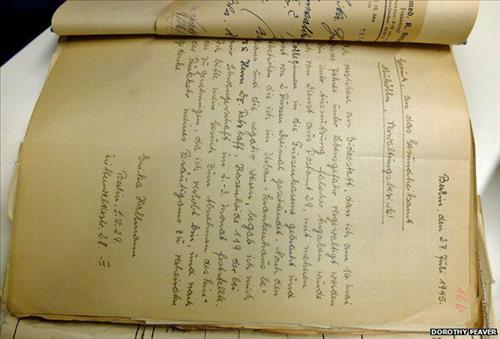
러시아국립기록보관소에서 발견된 문서들은 동프로이센에서 자행된 대규모 강간에 대해 전하고 있다.
방송은 독일 병사의 약혼녀가 전쟁 당시에 남긴 일기는 일부 여성들이 살아남기 위해 끔찍한 환경에 적응했음을 보여준다고 소개했다.
이 여성은 "짐승들의" 집단 강간을 피하려면 차라리 자신을 지켜줄 '늑대'가 필요하다는 걸 깨닫고 러시아 장교와 사귀었다고 적고 있다.
러시아군에 강간 당한 독일 여성 잉게보르그 불러트(90)는 15~55세 여성은 성병 여부를 검사받으라는 명령을 받았다면서 "식량 배급표를 받으려면 진단서가 있어야 했다"고 회고했다.
BBC는 러시아군의 대규모 강간과 관련해 베를린에서 10만명, 독일 전역에서 200만명이라는 숫자가 가장 자주 인용된다면서 이들 수치는 별로 남지 않은 의료기록들을 토대로 추정된 것이라고 전했다.
다만 이들 수치에 대한 논란은 뜨겁다고 덧붙였다.
방송은 당시 베를린 24개 구역 중 하나인 노이콜른에서 1945년 6월부터 이듬해까지 모두 995건의 낙태 신청이 승인됐다면서 아직 남아 있는 이 자료 역시 러시아군의 광범위한 강간의 흔적이라고 전했다.
<저작 권자(c) 연합뉴스, 무단 전재-재배포 금지>2015/05/02 00:40 송고
나 치의 만행들 |
||
(Лондон-Йонхап) – Британская телекомпания BBC готовится выпустить документальный фильм, который проливает свет на массовые изнасилования, совершённые русскими войсками во время оккупации Германии во Второй мировой войне.
1 мая (по местному времени) на своём интернет-портале телекомпания заявила, что, несмотря на то, что Россия отвергает эти обвинения как западную выдумку, многочисленные доказательства указывают на то, что русские солдаты действительно совершали массовые изнасилования.
В фильме представлен дневник Владимира Гельфанда, капитана русских войск, участвовавшего тогда в занятии Берлина.
В записи своего дневника от 25 апреля 1945 года, в день, когда он вошёл в Берлин, он описал, как встретил группу немецких женщин с мешками одежды и как «одна немка с лицом, искажённым ужасом, рассказала мне, что с ней произошло в первую ночь после прихода русских».
Она разрыдалась, пишет он, и поведала, что её изнасиловали двадцать мужчин. Её бедная мать рассказала, что русские изнасиловали её дочь прямо у неё на глазах, и что они бегут из дома, поскольку боятся, что насильники могут вернуться.
К тому времени немецкие солдаты уже почти четыре года совершали подобные сексуальные преступления и другие зверства на территории Советского Союза, отмечает BBC.
Сын Владимира Гельфанда, Виталий, сказал: «Мой отец рассказывал, что нацисты проходили через множество деревень, где убивали всех, даже маленьких детей, и в этих деревнях он видел следы изнасилований».
Документы, найденные в Российском государственном архиве, рассказывают о массовых изнасилованиях в Восточной Пруссии.
Дневник военного времени, который вела невеста немецкого солдата, показывает, что некоторые женщины пытались приспособиться к ужасным условиям, чтобы выжить, говорится в передаче.
Женщина пишет, что вступила в связь с русским офицером после того, как поняла: чтобы избежать группового изнасилования «зверями», ей нужен «волк», который сможет её защитить.
90-летняя Ингеборг Буллерт, немка, изнасилованная российскими солдатами, вспоминает, что женщинам в возрасте от 15 до 55 лет предписывалось сдавать анализы на заболевания, передающиеся половым путём, и что «для получения продовольственной карточки нужно было иметь медицинскую справку».
В связи с массовыми изнасилованиями, совершёнными российскими войсками, чаще всего приводятся цифры в 100 тысяч в Берлине и 2 миллиона по всей Германии, сообщает BBC, уточняя, что эти оценки экстраполируются на основе ограниченных медицинских записей.
Однако эти цифры вызывают ожесточённые споры, добавляет издание.
В Нойкёльне, одном из 24 районов Берлина того времени, с июня 1945 года в течение последующего года было одобрено в общей сложности 995 заявлений на аборт, сообщает телекомпания, отмечая, что сохранившиеся записи служат дополнительным свидетельством массовых изнасилований, совершённых российскими войсками.
Разгром нацистской Германии Советским Союзом 70 лет назад до сих пор воспринимается как один из величайших моментов российской истории.
Но другая сторона этой победы — массовые изнасилования немецких женщин советскими солдатами в последние дни войны — долгое время оставалась в тени.
В берлинском пригороде Трептов-парк установлен памятник: 12-метровая скульптура изображает советского солдата с мечом в одной руке и маленькой немецкой девочкой в другой, попирающего разбитую свастику. Под монументом похоронены пять тысяч из восьмидесяти тысяч советских воинов, павших в битве за Берлин в апреле–мае 1945 года.
Грандиозные размеры памятника олицетворяют величие жертвы, принесённой Красной армией. Надпись утверждает, что советский народ спас европейскую цивилизацию от фашизма.
Но среди немцев памятник иногда называют иначе — "Могила Неизвестного Насильника".
На пути к Берлину солдаты Сталина изнасиловали бесчисленное количество женщин — факт, о котором в послевоенные годы предпочитали молчать и на Западе, и тем более в СССР. Сегодня в России тема остаётся практически под запретом.
Российские СМИ часто называют рассказы о массовых изнасилованиях выдумкой западной пропаганды. Однако дневник молодого советского офицера Владимира Гельфанда даёт ошеломляющее документальное свидетельство тех событий.
Гельфанд, еврейский лейтенант из центральной Украины, вёл дневник с 1941 года до конца войны — несмотря на строгий запрет на личные записи в армии. Его честность и откровенность поражают до сих пор.
В феврале 1945 года он находился на дамбе на реке Одер, ожидая наступления на Берлин. Там он наблюдал, как его товарищи окружили и разгромили батальон немецких женщин-солдат.
"Пленные немецкие суки, — писал он, — заявляют, что мстят за своих погибших мужей. Их надо убивать без пощады. Солдаты предлагали заколоть их в половые органы, но я настаивал: расстрелять".
25 апреля, вскоре после вступления в Берлин, Гельфанд встретил на берегу Шпрее группу немецких женщин-беженок.
На ломаном немецком он спросил, куда они направляются и почему покинули дома. В ответ женщины рассказали, что пережили в первую ночь после прихода Красной армии.
"Они вонзались в меня всю ночь, — рассказала одна из них, приподнимая юбку. — Их было больше двадцати человек", — плакала она.
"Они изнасиловали мою дочь у меня на глазах", — добавила её мать.
"Они всё ещё могут вернуться, чтобы сделать это снова", — прошептала она в ужасе.
Дочь бросилась к Гельфанду: "Пожалуйста, останься со мной! Спи со мной! Делай со мной что хочешь — только ты, и больше никто!"
К тому времени Гельфанд уже видел, что натворили немецкие войска на территории СССР. Массовые убийства, уничтожение деревень, изнасилования женщин и детей — всё это было перед его глазами.
"Он прошёл через множество разрушенных деревень, — рассказывает его сын Виталий, — видел убитых детей, женщин. Он прекрасно знал цену этой войны."
Считается, что немецкая
армия была хорошо организована и дисциплинирована. Но это касалось не
всего. Олег Будницкий, историк Высшей школы экономики в Москве,
подчёркивает: запреты на сексуальные контакты с "неполноценными расами"
были широко игнорируемы.
Нацистские командиры организовывали бордели на оккупированных территориях для борьбы с венерическими заболеваниями.
Доказательства преступлений вермахта против советских женщин редко сохранились: многие жертвы просто не пережили оккупацию. Однако в Германо-Российском музее в Берлине сохранились страшные фотографии: тела женщин со следами насилия, найденные в Крыму, лежащие на обочинах дорог.
"Это было частью политики геноцида, — говорят в музее. — Мы не просто рассказываем о войне — мы показываем, какой она была на самом деле."
По мере продвижения Красной армии советская пропаганда разжигала ненависть к немцам. Плакаты призывали: "Солдат! Ты на немецкой земле! Час мести настал!"
И даже официальные
органы, как политический отдел 19-й армии, утверждали, что настоящий
советский солдат "настолько полон ненависти", что ему будет противно
даже прикосновение к немке.
Но реальность оказалась совсем иной.
Отдел пропаганды советской 19-й армии, вошедшей в Германию через Балтийское побережье, утверждал: "настоящий советский солдат будет испытывать такую ненависть к немцам, что не почувствует влечения к немецким женщинам". Но, как и нацисты, советские солдаты часто игнорировали пропаганду.
При написании своей книги о
битве за Берлин (2002) историк Энтони Бивор обнаружил в архивах
Российской Федерации документы о сексуальных преступлениях. Эти
материалы были составлены НКВД в конце 1944 года и переданы лично
Лаврентию Берии.
"Они были доложены Сталину, —
рассказывает Бивор. — На документах видны отметки о прочтении. В
сообщениях говорилось о массовых изнасилованиях в Восточной Пруссии, о
том, что немецкие женщины убивали своих детей, чтобы спасти их от
позора, а затем кончали жизнь самоубийством."
Одновременно дневник немецкой женщины, ожидавшей своего жениха, позволяет заглянуть в повседневную реальность оккупированного Берлина. Начавшиеся 20 апреля — за десять дней до самоубийства Гитлера — её записи сочетают суровую честность с мрачным юмором.
Описывая себя как "бледнолицую блондинку в одном и том же зимнем пальто", мемуаристка рассказывает, как менялся её район: "Мужчина в серых брюках и роговых очках, который при ближайшем рассмотрении оказывается женщиной, и три сестры-портнихи, прижавшиеся друг к другу, словно большой чёрный пудинг."
Те, кто прятался в подвалах, ожидали Красную армию с чёрным юмором: "Лучше русский сверху, чем американская бомба над головой." Но когда советские солдаты выломали двери убежища и начали утаскивать женщин, одна из них, владевшая русским, попыталась найти офицера и остановить насилие.
На улицах среди руин она
действительно встретила офицера. Несмотря на запрет Сталина мстить
гражданским, тот равнодушно заметил: "Это всё равно происходит."
Женщина привела его в подвал. Офицер отругал солдат, но один из них взорвался: "Что немцы сделали с нашими женщинами! Они забрали мою сестру..." — он кричал, пока офицер не вывел его.
Когда мемуаристка вышла
проверить улицу, солдаты схватили её, изнасиловали несколько раз и
пытались задушить. В это время её соседи заперли дверь подвала изнутри.
"Когда дверь наконец открыли, все
смотрели на меня. Мои чулки сползли до лодыжек, я держала в руке
обрывок пояса с подвязками. Я закричала: 'Вы свиньи! Они изнасиловали
меня дважды, а вы бросили меня, как мусор!'"
Вскоре женщина поняла: чтобы выжить, нужно найти одного "волка" и держаться за него. Ей удалось "привязать" к себе интеллигентного майора из Ленинграда. Отношения с ним были менее жестокими: они обсуждали литературу, делились историями о жизни.
"Нельзя сказать, что майор меня изнасиловал, — писала она. — Я спала с ним ради бекона, масла, сахара и консервов. Но мне действительно начинал нравиться человек в нём — чем реже он хотел меня как женщину, тем больше я его уважала."
Многие женщины в разрушенном Берлине делали такой же выбор: находили "своего" среди завоевателей.
Когда дневник был опубликован в 1959 году под заголовком "Женщина в Берлине", автор подверглась острой критике. Её обвинили в том, что она бросила тень на честь немецких женщин. При жизни она больше не разрешала переиздавать книгу.
Судьба прошлого — быть перекроенным в угоду настоящему. Поэтому так важны свидетельства очевидцев: те бабушки, что спустя 70 лет находят в себе мужество говорить правду, и те, кто в разгар войны рисковал жизнью, чтобы сохранить дневники, — все они заслуживают глубокого уважения.
Сын Владимира Гельфанда,
Виталий, подчёркивает: он не отрицает ни мужества, ни великих жертв,
принесённых советскими солдатами во Второй мировой войне.
"Но история — это не только мужество и самопожертвование," — добавляет он.
После недавнего интервью на российском радио Виталий столкнулся с волной антисемитских оскорблений в социальных сетях. Несмотря на это, он надеется, что дневник его отца будет опубликован и в России, как это уже произошло в Германии и Швеции.
"Если люди не хотят знать правду, они просто обманывают самих себя. Весь мир понимает, что произошло. Россия тоже знает. Даже те, кто принимал законы о запрете "порочить" историю, знают это. Мы не сможем двигаться вперёд, пока не оглянемся назад," — говорит Виталий Гельфанд.

The BBC is broadcasting a documentary examining the large-scale rape committed by Soviet troops during the occupation of Germany in the Second World War.
In its online edition on 1 May, the BBC reported that although the Russian side dismisses the story as an invention of the West, several pieces of evidence indicate that Soviet soldiers committed rape on a massive scale.
The report introduces the diary of Vladimir Gelfand, a Soviet officer who took part in the capture of Berlin.
In his diary entry for 25 April 1945, after entering Berlin, Gelfand wrote that he met a group of German women carrying luggage. "A German woman with a face full of terror told me what had happened on the first night the Soviet army arrived," he recorded.
He wrote that the woman burst into tears while saying that no fewer than twenty men had gang-raped her. Her distraught mother said Soviet soldiers had raped her daughter in front of her and that they were leaving because the soldiers might return.
The BBC noted that by this time German soldiers had themselves committed sexual violence and other abuses for almost four years in the Soviet Union.
Gelfand's son Vitaly said: "My father passed through many villages where Nazi troops had killed everyone, even small children, and he saw traces of rape there."
Documents found in the Russian State Archive describe mass rape in East Prussia.
The BBC also reported on the wartime diary of the fiancee of a German soldier, showing how some women adapted to horrific conditions in order to survive. The woman wrote that she realised she needed a protective "wolf" if she was to avoid gang rape by the "beasts," and she began a relationship with a Soviet officer.
Ingeborg Bullert, a German woman now aged ninety who was raped by Soviet soldiers, recalled that women between fifteen and fifty-five were ordered to undergo tests for venereal disease and that "you had to have a medical certificate to receive a food ration card."
The BBC said the most frequently quoted figures are 100,000 raped women in Berlin and two million across Germany, estimates derived from the limited medical records that survive. It added that these numbers remain hotly disputed.
In Neukolln, one of Berlin's 24 districts, 995 applications for abortion were approved between June 1945 and the following year. The BBC described these surviving files as another trace of the widespread sexual violence.
Nazi atrocities
Seventy years after the Soviet Union defeated Nazi Germany, the victory is remembered as one of the greatest moments in Russian history. Far less often remembered is the mass rape of German women by Soviet soldiers during the capture of Berlin.
On the outskirts of Berlin stands a twelve-metre monument showing a Soviet soldier with a sword in one hand and a German girl in the other, standing over a broken Nazi symbol. Beneath it lie 5,000 of the 80,000 Soviet soldiers killed in the Battle of Berlin between 16 April and 2 May 1945.
The scale of the monument demonstrates the Soviet sacrifice. Its inscription says that the Soviet people saved European civilisation from fascism. Some people, however, call it the "Tomb of the Unknown Rapist."
Stalin's troops raped countless women as they advanced toward the Nazi capital. The subject was buried in Germany and remains highly taboo in Russia.
Russian media dismiss the rapes committed by Soviet troops as a myth invented by the West, yet a young Soviet officer's diary records such events in detail.
Vladimir Gelfand, a young Jewish soldier from central Ukraine, kept an extraordinarily candid diary from 1941 until the end of the war despite the military prohibition on diaries.
In February 1945 Gelfand was stationed near the Oder waiting for the advance on Berlin. He recorded seeing his comrades surround and defeat a battalion made up of German women.
"The captured German bitches say they are avenging their dead husbands. They must be killed without mercy. The soldiers wanted to stab them in the genitals; I simply had them shot."
After reaching Berlin on 25 April 1945, Gelfand's diary becomes increasingly difficult to read. He rode a bicycle along the Spree and encountered German women fleeing with their belongings.
In broken German he asked where they were going and why they had left home. They told him what had happened on the first night the Soviet army arrived.
"They stuck it into me," one young German woman told him while lifting her skirt. "All night. They kept getting on top of me, one after another - more than twenty of them." She cried as she spoke.
"They raped my daughter in front of me," the girl's mother said. "They came all night and raped my daughter."
"Stay with me," the daughter suddenly said, embracing Gelfand. "Sleep with me. You can do anything you want, as long as it is only you!"
By the time Soviet troops reached Berlin, German forces had already spent four years committing massacres and mass sexual violence in the Soviet Union. Gelfand knew this well.
Vitaly Gelfand said his father passed through villages where the Nazis had killed everyone, including infants, and saw extensive evidence of rape.
The German Wehrmacht is often imagined as a strictly disciplined Aryan force whose soldiers would never have sex with people regarded as "subhuman." Historian Oleg Budnitsky says the taboo was frequently ignored. Nazi commanders, worried about venereal disease, established military brothels throughout occupied territory.
Little evidence survives of how German soldiers treated Russian women because many victims were killed. The German-Russian Museum in Berlin preserves a photograph from a German soldier's album in Crimea showing women's bodies beside a road.
"They appear to have died during rape, or to have been killed afterward. Their skirts are raised and their hands cover their faces," the museum's account says.
The photograph was so disturbing that museum staff debated whether it should be displayed, but the museum concluded that this was part of the reality of war and German policy in the occupied Soviet Union: war had to be shown, not merely described.
When Soviet troops crossed the German border and advanced into what propaganda called "the lair of the fascist beast," Soviet authorities encouraged soldiers to take revenge: "You who sweep across German soil - the hour of revenge has come!"
The political department of the Soviet 19th Army, advancing along the Baltic coast, proclaimed that a true Soviet soldier should hate Germans so intensely that he would feel no sexual desire toward German women. Soviet soldiers, like Nazi soldiers before them, ignored political doctrine.
While writing his 2002 book about the Battle of Berlin, historian Antony Beevor was able to consult records of sexual crimes in the Russian state archives. The documents had been compiled by the NKVD in late 1944 and sent to its chief, Lavrentiy Beria.
"These documents were sent to Stalin. At the top of the pages there are marks showing whether they were read. They include reports of mass rape in East Prussia and of German women killing their own children and then themselves in order to avoid rape."
The diary of a German woman waiting for her fiance shows vividly how women in the occupied city adapted in order to survive. Beginning on 20 April, ten days before Hitler's suicide, the diary even records moments of black humour.
The author calls herself a "pale-faced blonde who always wears the same winter coat." She describes neighbours whose appearance has been transformed by the siege, including a person in grey trousers and round spectacles who looks like a man from a distance but proves to be a woman, and three sisters from a dressmaker's family walking clutched together like a black pudding.
As they wait for Soviet troops, the people hiding in the bunker become masters of black humour. They joke that being underneath the Russians may be preferable to having bombs fall on their heads.
When Soviet soldiers break open the shelter door and pull women out, the residents beg the Russian-speaking diarist to intervene.
She risks the ruined streets and finds a Soviet officer. Although Stalin had prohibited revenge against civilians, the officer treats the matter as unavoidable and answers that such things "happen anyway."
She drags the indifferent officer back to the bunker. When he rebukes his soldiers, one angrily protests: "What did the Nazis do to our Soviet women? They took my sister and..." The officer calms him and leads the soldiers away.
But when the woman goes into the corridor to see whether it is safe, soldiers waiting outside seize her, rape her repeatedly and nearly strangle her. The frightened residents have locked the cellar door behind her.
"At last the locked door opened. Everyone stared at me. My stockings were around my ankles and I still held the torn remains of my garter belt. I shouted: 'You cowardly pigs! You left me like rubbish while I was raped twice!'"
She soon understands that to avoid the "pack of beasts" she must rely on one "wolf." The relationship between perpetrator and victim becomes less violent, more transactional and more ambiguous. She attaches herself to an educated officer from Leningrad, and in bed they discuss literature and the meaning of life.
"I cannot call my relationship with the Major rape. Am I doing this for bacon, butter, sugar, candles and canned food? I cannot deny that. And as the Major wants me less often as a man, I find that I like him more as a human being."
Other women in ruined Berlin made similar arrangements with the conquerors.
When the diary was published in 1959 as A Woman in Berlin, the author was heavily criticised for allegedly staining the honour of German women. She refused to allow it to be republished during her lifetime.
Seventy years after the war, research continues into sexual crimes committed by American, British and French Allied troops as well as Soviet soldiers. For a long time the subject attracted little attention.
In East Germany, criticism of the Soviet soldiers who had freed Germany from fascism was treated as sacrilege.
In 2008 the Berlin woman's diary was made into a film starring the prominent German actress Nina Hoss. The film became a turning point that encouraged many women to speak about their experiences. Ingeborg Bullert was among them.
Ingeborg, now ninety, lives in Hamburg in an apartment filled with cats and old photographs. In 1945 she was a twenty-year-old Berlin woman who dreamed of becoming an actress.
When street fighting began, she hid in the attic and kept a diary. "Suddenly Soviet tanks appeared in the street and bodies were everywhere. I will never forget the sound of the Russian rockets."
Between air raids she had to leave the attic to find thread for a lamp wick. "Suddenly someone behind me pointed a gun. One man ordered me to undress and raped me. Then the others came and raped me in turn. I thought they were going to kill me."
Ingeborg concealed her experience for decades. "My mother believed the Soviet soldiers had not touched her daughter and was proud of that," she says.
The violence appears to have affected the whole city. Ingeborg remembers that women between fifteen and fifty-five needed a venereal-disease examination report in order to receive food rations. "When I went for an examination, the place was packed with women."
How large was the scale? The most frequently cited estimates are 100,000 women in Berlin and two million in Germany as a whole.
Records survive from Neukolln, one of Berlin's 24 districts, concerning abortions performed from July to October 1945. Abortion was illegal under German law, but a special exception was created because of the consequences of mass rape.
In this district, 995 abortions were authorised between June 1945 and 1946. The files contain more than a thousand statements and records. One sheet, written in a child's unsteady handwriting, contains testimony from a girl who says she was raped in front of her parents.
There is no way to establish the complete scale of the rape. Soviet military tribunal records and other evidence remain classified, and the Russian parliament later adopted a law allowing up to five years' imprisonment for those who denigrate the Soviet Union's heroic achievements in the Second World War.
First-hand documents are therefore exceptionally important. Elderly witnesses who speak seventy years later and those who risked writing things down at the time deserve respect.
Vitaly Gelfand stresses that he does not deny the great courage and sacrifice of Soviet soldiers in the Second World War. He says only that courage and sacrifice are not the whole story.
After an interview on Russian radio, Vitaly faced a wave of antisemitic insults on social media. Nevertheless, he hopes that his father's diary will be published in Russia as it has been in Germany and Sweden.
"If people do not want to know the truth, they are deceiving themselves. The whole world knows what happened. Russia knows too. The people who made the laws about 'defaming' history know it as well. We cannot move forward until we look back honestly."
Chronology of the Battle of Berlin
After the Red Army captured Vienna, Stalin decided to seize Berlin before the Americans and committed 2.5 million troops, about 6,000 tanks and more than 40,000 artillery pieces.
On 21 April Soviet troops entered the outskirts of Berlin.
On 22 April Adolf Hitler, rather than acknowledge defeat at a staff meeting, ordered the fighting to continue.
During the Soviet capture of the city, approximately 100,000 women are estimated to have been raped.
Hitler killed himself on 30 April, and on 2 May the Reichstag was taken by Soviet troops.
