70 anos após fim da guerra, estupro coletivo de alemãs ainda é episódio pouco conhecido
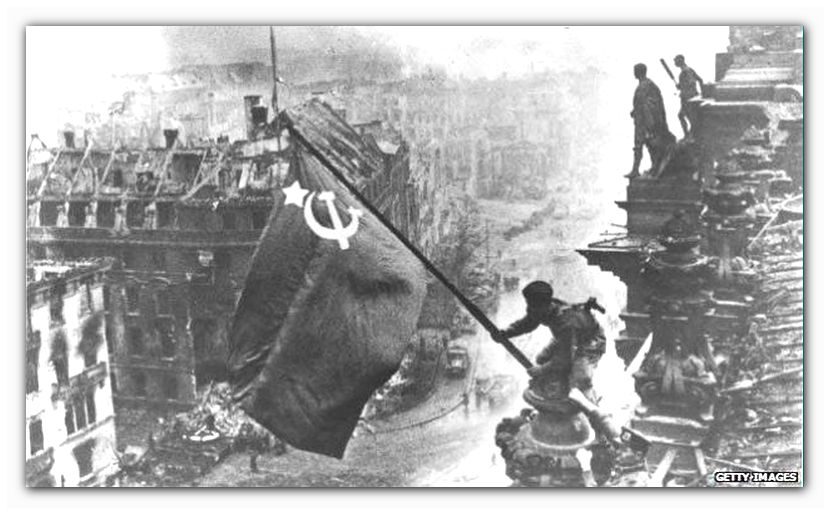
A estátua do soldado do Exército Vermelho presta homenagem aos soldados soviéticos mortos na tomada de Berlim, no fim da Segunda Guerra Mundial
One
night, seeking shelter for herself and her
baby, Anna Zedek encountered a group of Red Army soldiers. Dann
kamen Russen und haben mich immer beleuchtet
mit Taschenlampen Licht oder was sie da hatten und dann kam einer und
sagt Frau,
jetzt bekommst du ein Quartier und das Quartier war ein
Luftschutzbunker und in
dem stand ein Tisch drin und in der Nacht kam ein Russe nach dem
anderen und
alle haben mich da auf dem Tisch vorgenommen. Da ist man wie tot, der
ganze Körper
ist wie verkrampft. Ekel empfindet man da, Ekel. Ich kann mich nicht
anders ausdrücken,
das war doch alles gegen unseren Willen wir waren ja Freiwild
für die. Das ging
am laufenden ich kann nicht sagen 10, 15-mal jedenfalls das kam und
ging. Das sind
viele die hintereinander gekommen sind die haben nichts äh-
einer weiß ich der wollte
auch ich soll mich hinlegen und dann sagt er `wie viele Kameraden sind
schon da
gewesen? Ziehen sie sich an. Если бы вы знали, что
кто-то кого-то изнасиловал? Никто на это не обращал
внимания. Наоборот, рассказывали солдаты друг другу и, так сказать, это
был
такой импульс геройства, или доблести, или как там сказать…
что он там переспал
с такой-то женщиной, и не с одной – с двумя, с тремя. Вот
так. Даже если
кого-то там убили, ну так мало ли что – война. А подумаешь,
большое дело там - переспал
солдат с какой-то девушкой, женщиной… Вам не обидно, когда
слышите об этом? Ну, конечно, обидно. Оно
обидно и не то чтоб обидно, обидно так сказать за то, что репутацию
такую наша страна
получила. И с другой стороны, понимаете, и злость на тех людей которые
так
делали. Вот мне это не подходит, я
отрицательно, абсолютно отрицательно к этим людям отношусь, абсолютно
отрицательно. It is
astimated that as many two million german
women were raped by red army soldiers Transkribiert von TurboScribe.ai. ______________________________________
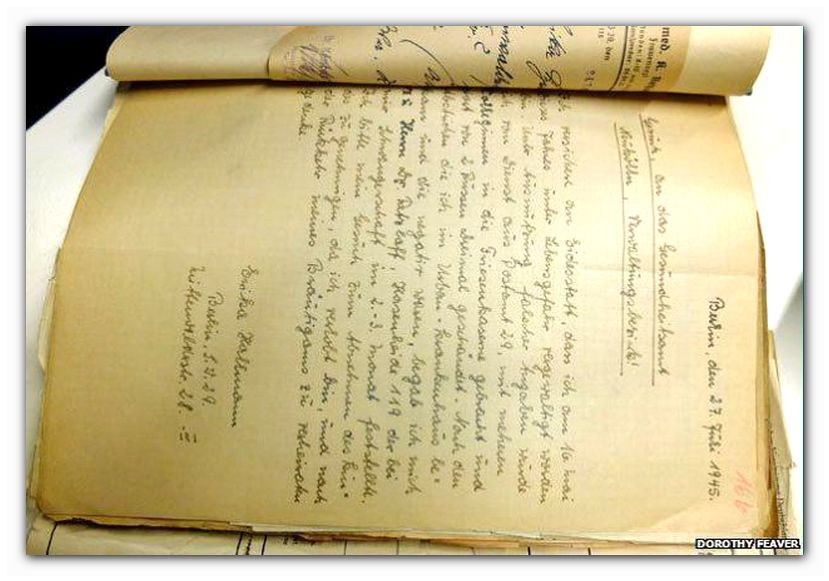
O papel da União Soviética na derrota da Alemanha nazista na Segunda Guerra Mundial, há 70 anos, é visto como uma das grandes glórias da história recente da Rússia e de seu passado comunista. Mas existe um lado sombrio e pouco conhecido nessa história: os estupros em massa cometidos no final da guerra por soldados soviéticos contra mulheres alemãs. Alguns leitores poderão achar esta história perturbadora. O sol se põe sobre o Treptower Park, nos arredores de Berlim, e eu observo uma estátua que faz um desenho dramático contra o horizonte. Com 12 metros de altura, ela mostra um soldado soviético segurando uma espada numa mão e uma menina alemã na outra, pisando sobre uma suástica quebrada. A estátua marca um lugar onde estão enterrados 5 mil dos 80 mil soldados do Exército Vermelho mortos na Batalha por Berlim entre 16 de abril e 2 de maio de 1945. A proporção colossal do monumento reflete o sacrifício destes soldados. No entanto, para alguns, a estátua poderia ser chamada de Túmulo do Estuprador Desconhecido. Existem registros de que os soldados de Stálin atacaram um número bastante alto de mulheres na Alemanha e, em particular, na capital alemã, mas isto era raramente mencionado no país depois da guerra e o assunto ainda é tabu na Rússia de hoje. A imprensa russa rejeita o tema regularmente e diz tratar-se de um “mito espalhado pelo Ocidente”. 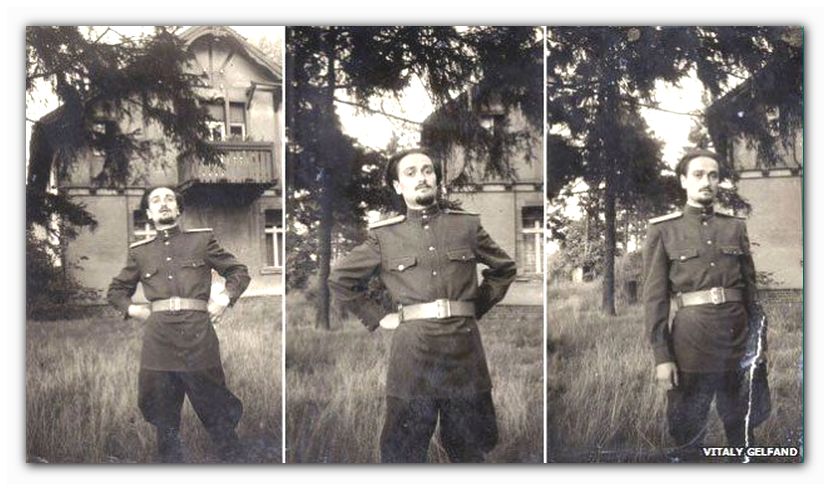 Diario de Vladimir Gelfand traz revelações polêmicas sobre conduta de soldados soviéticos Diário de um tenenteUma das muitas fontes de informação sobre estes estupros é o diário mantido por um jovem oficial soviético judeu, Vladimir Gelfand, um tenente vindo da região central da Ucrânia, que, de 1941 ao fim da Guerra, pôs no papel seus relatos, apesar de os soviéticos terem proibido diários de militares. Os manuscritos – que nunca foram publicados – mostram como a situação era difícil nos batalhões: alimentação pobre, piolhos, antissemitismo e soldados roubando botas uns dos outros. Em fevereiro de 1945, Gelfand estava perto da represa do rio Oder, preparando-se para a entrada em Berlim. Em seu diário, ele descreve como seus camaradas cercaram e dominaram um batalhão de mulheres militares. “As alemãs capturadas disseram que estavam vingando seus maridos mortos. Elas devem ser destruídas sem piedade. Nossos soldados sugeriram esfaqueamento das genitais, mas eu apenas as executaria”, escreveu. Uma das passagens mais reveladoras do diário de Gelfand é a do dia 25 de abril, quando ele narra a chegada a Berlim. Ele estava andando de bicicleta perto do rio Spree, a primeira vez que andou de bicicleta, quando cruzou com um grupo de mulheres alemãs carregando malas e pacotes. Em seu alemão ruim, ele perguntou para onde estavam indo e a razão de terem saído de casa. “Com horror em seus rostos, elas me disseram o que tinha acontecido na primeira noite da chegada do Exército Vermelho”, escreveu. “‘Eles cutucaram aqui a noite toda’, explicou a bela garota alemã, levantando a saia. ‘Eles eram velhos, alguns estavam cobertos de espinhas e todos eles montaram em mim e me cutucaram – não menos do que 20 homens’. Ela começou a chorar.” “‘Eles estupraram minha filha na minha frente e eles ainda podem voltar e estuprá-la de novo’, disse a pobre mãe. Este pensamento deixou todas aterrorizadas.” “‘Fique aqui’, a garota, de repente, se atirou em cima de mim, ‘durma comigo! Você pode fazer o que quiser comigo, mas só você!'” 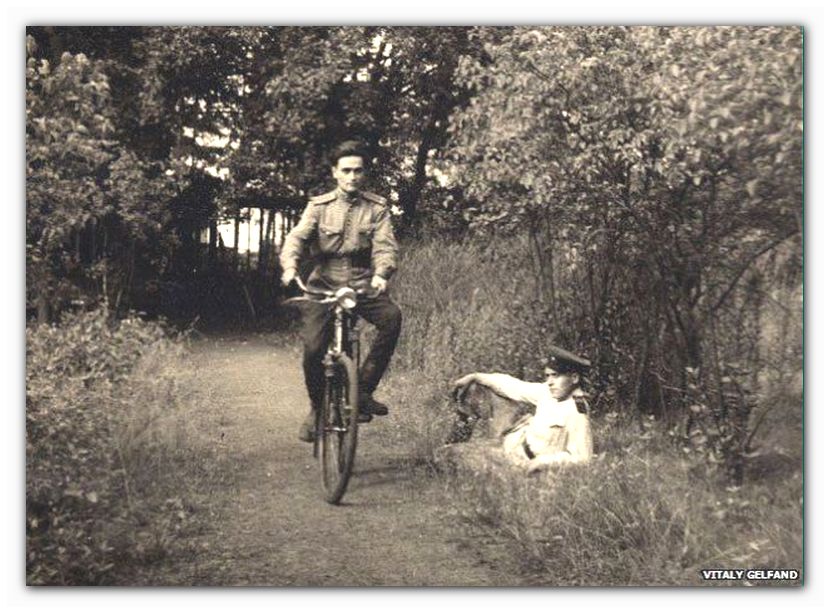 Gelfand descreveu em seu diário como andou de bicicleta pela primeira vez em Berlim ProibiçãoÀquela altura, já se sabia de horrores cometidos por soldados alemães na invasão da União Soviética. O próprio Gelfand tinha ouvido essas histórias. “Ele passou por tantos vilarejos nos quais os nazistas tinham matado todos, mesmo crianças pequenas. E ele viu provas de estupro”, disse o filho do soldado, Vitaly Gelfand. As Forças Armadas alemãs estavam longe da imagem de força disciplinada “ariana” que não se interessaria em ter relações sexuais com Untermenschen(povos inferiores, em alemão). Tanto que, segundo Oleg Budnitsky, historiador da Escola Superior de Economia de Moscou, os comandantes nazistas, preocupados com o alto número de doenças venéreas entre seus soldados, estabeleceram uma cadeia de bordéis militares nos territórios ocupados. É difícil encontrar provas de como os soldados alemães tratavam as mulheres russas, muitas vítimas não sobreviveram. Mas no Museu Alemão-Russo de Berlim, o diretor, Jorg Morre, mostra uma foto feita na Crimeia, parte do álbum pessoal de um soldado alemão, feito durante a guerra. 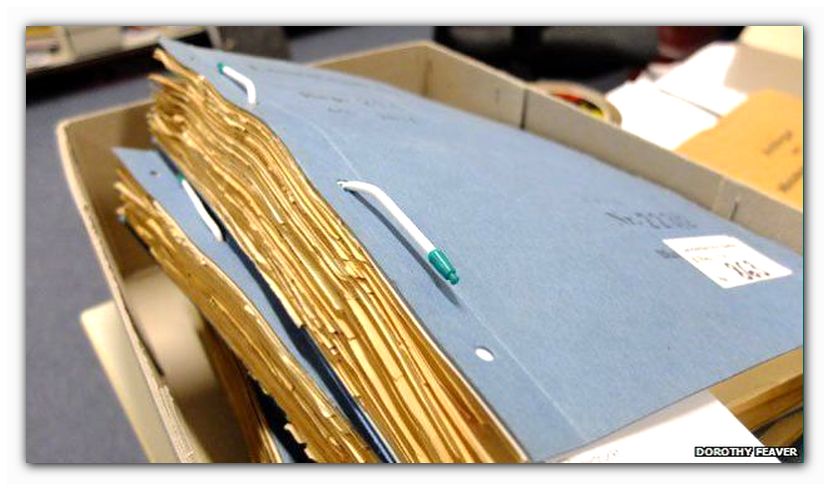 Relatos revelam estupro de mulheres russas por alemães e de mulheres alemãs por russos
Soldados e oficiais não podiam escrever diários, pois eles eram considerados uma ameaça à segurança Na imagem, o cadáver de uma mulher é visto no chão. “Parece que ela foi morta no estupro ou após o estupro. A saia está puxada para cima e as mãos estão na frente do rosto. É uma foto chocante. Tivemos discussões no museu sobre se deveríamos mostras as fotos – isto é guerra, isto é violência sexual sob a política alemã na União Soviética. Estamos mostrando a guerra. Não falando sobre, mas mostrando”, disse. Enquanto o Exército Vermelho avançava, cartazes estimulavam os soldados soviéticos a mostrarem sua raiva: “Soldado: Você agora está em solo alemão. A hora da vingança chegou!”.
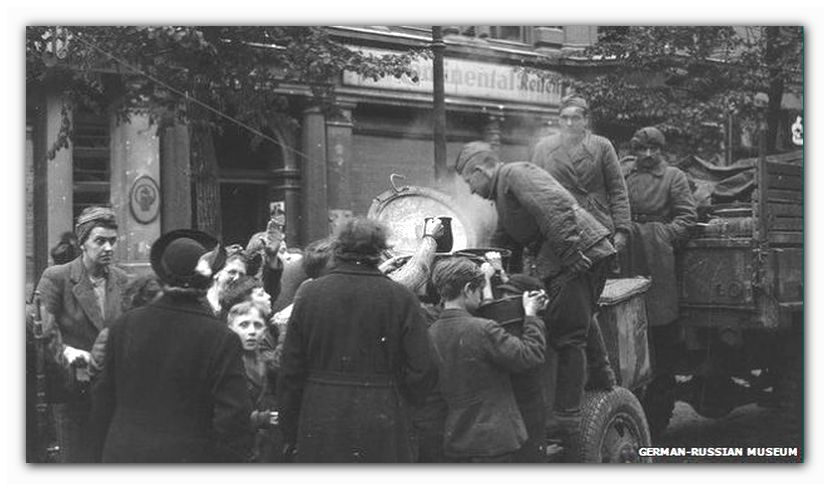
Os soldados soviéticos também distribuíram alimentos para os moradores de Berlim PesquisaEnquanto pesquisava para o livro que lançou em 2002 sobre a queda de Berlim, o historiador Antony Beevor encontrou, no arquivo estatal da Federação Russa, documentos que detalham a violência sexual. Eles tinham sido enviados pela então polícia secreta, a NKVD, para o chefe desta polícia, Lavrentiy Beria, no final de 1944. “Eles foram passados para Stálin. Você pode até ver se eles foram lidos ou não – e eles relatam estupros em massa no leste da Prússia e a forma como as mulheres alemãs tentavam matar os filhos e se matar, para evitar os estupros”, disse. Outro diário escrito durante a guerra, deste vez o da noiva de um soldado alemão ausente, mostra que algumas mulheres se adaptaram a estas circunstâncias horríveis para tentar sobreviver. O diário, anônimo, começou a ser escrito no dia 20 de abril de 1945, dez dias antes do suicídio de Hitler. Como no diário de Gelfand, a honestidade é brutal, o poder de observação é grande e há até demonstrações ocasionais de humor. Se descrevendo como uma “loira pálida que está sempre com o mesmo casaco de inverno”, a autora do diário descreve a vida dos vizinhos no abrigo contra bombas logo abaixo do prédio de apartamentos onde ela morava em Berlim, incluindo “um jovem em calças cinzas e óculos de armação de chifre que, em uma observação mais atenta, é, na verdade, uma jovem”, e três irmãs mais velhas, “espremidas, juntas, como um grande pudim”. Enquanto aguardam a chegada do Exército Vermelho, elas fazem piada dizendo “melhor um russo em cima do que um ianque sobre nossas cabeças”. Estupro é considerado melhor do que ser pulverizada por bombas. Mas quando os soldados chegam ao porão onde elas moram, as mulheres imploram para a autora do diário usar suas habilidades no idioma russo para reclamar ao comando soviético. Ela consegue encontrar um oficial no ambiente caótico da cidade, mas ele não toma providência alguma, apesar do decreto de Stálin proibindo a violência contra civis. “Vai acontecer de qualquer jeito”, diz. Ao tentar voltar para seu apartamento, a autora do diário é estuprada no corredor e quase estrangulada; as mulheres que vivem no porão não abrem as portas durante o estupro, apenas depois que tudo acaba.
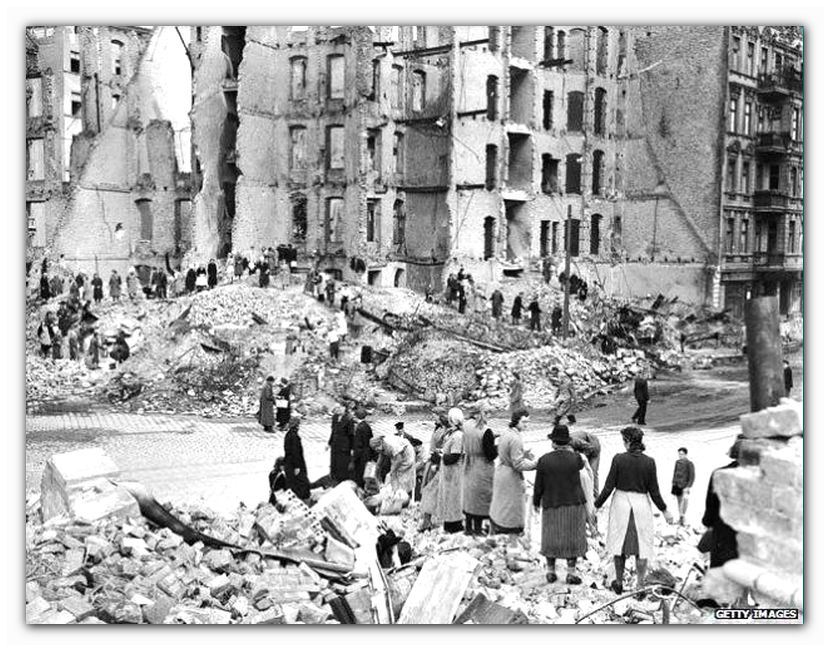
Em meio às ruínas de Berlim e para evitar estupros coletivos, muitas alemãs fizeram acordos com altos oficiais soviéticos
“Minhas meias estão caídas em cima dos meus sapatos, ainda estou segurando o que sobrou da minha cinta-liga. Começo a gritar ‘Suas porcas! Eles me estupraram duas vezes aqui e vocês me deixaram largada como lixo!'” Com o passar do tempo, ela percebe que precisa achar um “lobo-chefe” que ponha fim aos estupros da “alcateia”. A relação entre agressor e vítima fica menos violenta, mais ambígua. Ela divide a cama com um oficial mais importante, vindo de Leningrado, com quem ela conversa sobre literatura e o sentido da vida. “Não posso falar, de maneira nenhuma, que o major está me estuprando. Estou fazendo isto por bacon, manteiga, açúcar, velas, carne enlatada…. Além do mais, gosto do major e, quanto menos ele quer de mim como homem, mais gosto dele como pessoa”, escreveu. Muitas de suas vizinhas fizeram acordos parecidos com os conquistadores. Este diário só foi publicado em 1959, depois da morte da autora, com o título Uma Mulher em Berlim, e foi criticado por “macular a honra das mulheres alemãs”.
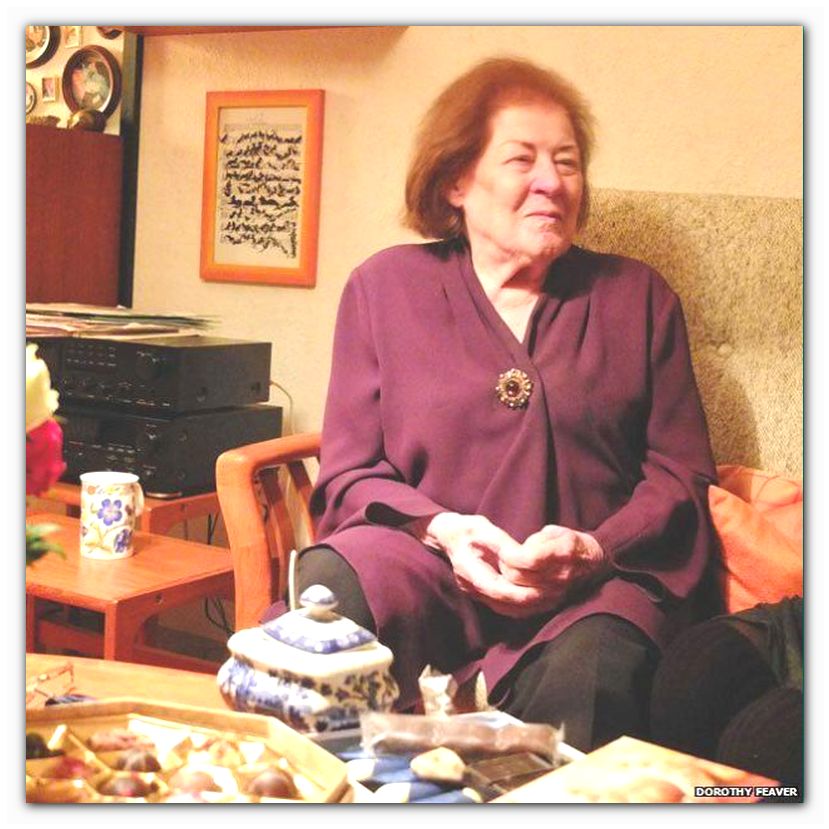
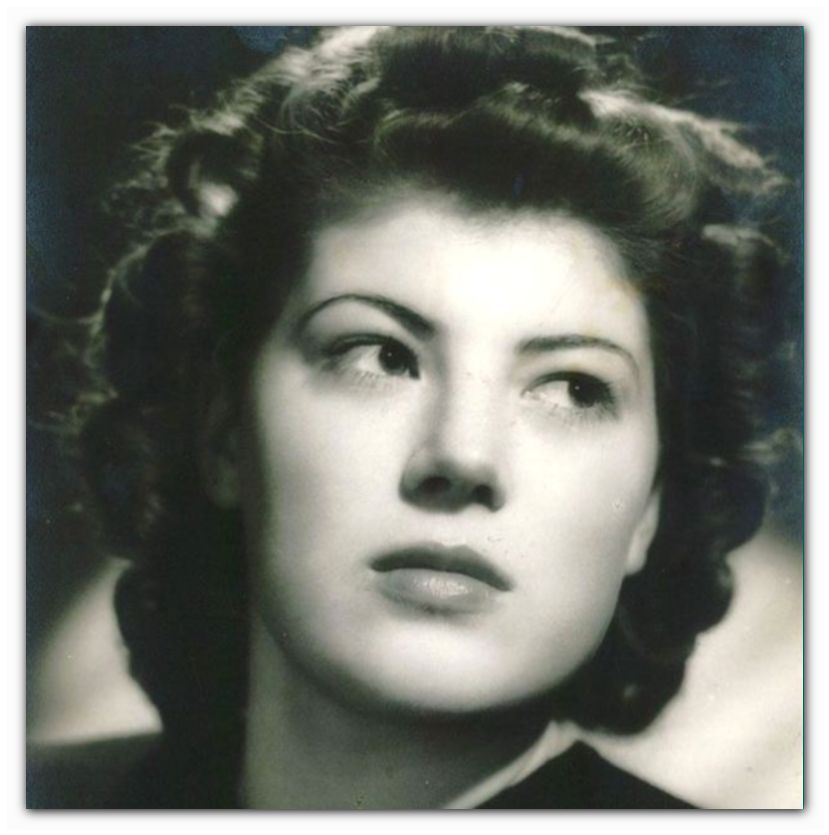
Ingeborg Bullert hoje vive em Hamburgo e nunca falou sobre quando foi estuprada por soviéticos
Com 20 anos na época,
Ingeborg foi violentada quando voltava para o apartamento em Berlim
FilmeSetenta anos depois do fim da guerra, pesquisas ainda revelam a dimensão da violência sexual sofrida pelas alemãs nas mãos não apenas dos soviéticos, mas também de americanos, dos britânicos e dos franceses. Em 2008, o diário da berlinense foi transformado em um filme, chamado deAnonyma, com uma atriz alemã conhecida, Nina Hoss. O filme teve um efeito catártico na Alemanha e estimulou muitas mulheres a falarem sobre suas experiências. Entre elas estava Ingeborg Bullert, hoje com 90 anos. Ela mora em Hamburgo, no norte da Alemanha. Em 1945, ela tinha 20 anos, sonhava em ser atriz e vivia com a mãe em Berlim. Quando o ataque soviético começou, ela se refugiou no porão do prédio – assim como a mulher no diário. “De repente havia tanques em nossa rua e, em toda parte, corpos de soldados russos e alemães”, disse. Durante uma pausa nos ataques aéreos, Ingeborg saiu do porão para pegar um pedaço de fio no apartamento, para montar um pavio para uma lâmpada. “De repente, havia dois soldados soviéticos apontando revólveres para mim. Um deles me obrigou a me expor e me estuprou, então eles trocaram de lugar e o outro me estuprou. Pensei que ia morrer, que eles iam me matar.” Ingeborg passou décadas sem falar sobre o crime. Os estupros afetaram mulheres em toda Berlim. Ingeborg lembra que as mulheres entre 15 e 55 anos tinham que fazer exames para doenças sexualmente transmissíveis. “Você precisava do atestado médico para conseguir os cupons de comida e lembro que todos os médicos faziam estes atestados e que as salas de espera estavam cheias de mulheres.”
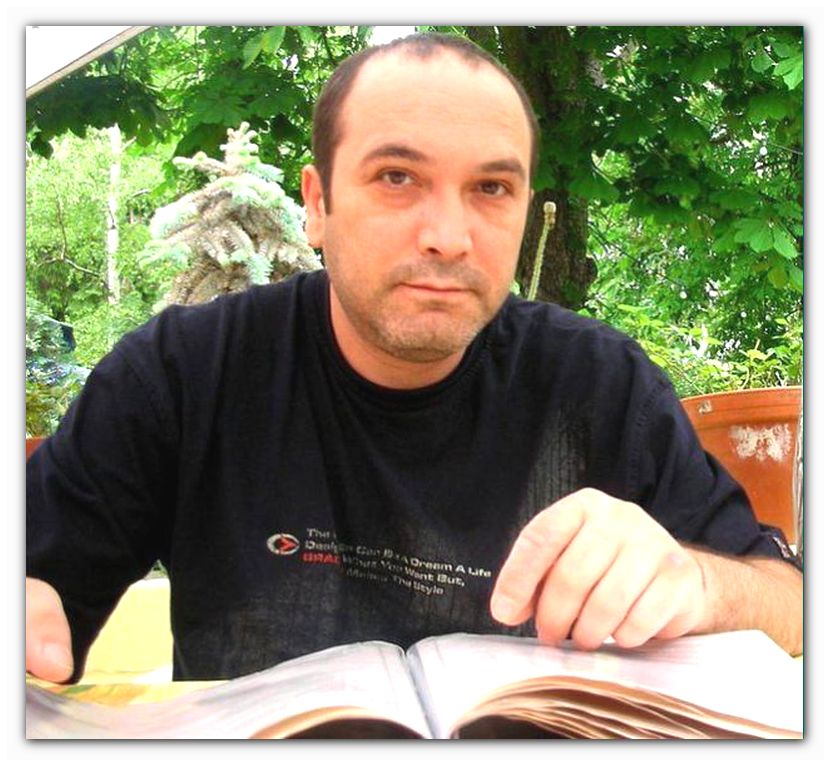
Vitaly Gelfand, filho de Vladimir, luta para ter diário do pai publicado na Rússia NúmeroNinguém sabe exatamente quantas mulheres foram vítimas de violência sexual de combatentes estrangeiros na Alemanha. O número mais citado estima em 100 mil as mulheres estupradas apenas em Berlim – e em dois milhões no território alemão. Há documentos que expõem um alto número de pedidos de aborto – contra a lei na época –, devido à “situação especial”. É provável que nunca se saiba o número real. Tribunais militares soviéticos e outras fontes continuam secretas. O Parlamento russo aprovou recentemente uma lei que afirma que qualquer pessoa que deprecie a história da Rússia na Segunda Guerra Mundial pode ter que pagar multas ou ser preso por até cinco anos. Uma jovem historiadora da Universidade de Humanidades de Moscou, Vera Dubina, só descobriu sobre os estupros depois de ir para Berlim devido a uma bolsa de estudos. Ela escreveu um estudo sobre o assunto, mas enfrentou dificuldades para publicá-lo. Vitaly Gelfand, filho do autor do diário, Vladimir Gelfand, não nega que muitos soldados soviéticos demonstraram bravura e sacrifício durante a guerra, mas, segundo ele, esta não é a única história.
Rússia aprovou nova lei para evitar difamação de soldados soviéticos Recentemente, Vitaly deu uma entrevista em uma rádio russa que desencadeou uma onda de “trollagem” antissemita em redes sociais. Muitos disseram que o diário é falso e que Vitaly deveria emigrar para Israel. Mesmo assim, Vitaly espera que o diário seja publicado na Rússia ainda neste ano. Partes dele já foram traduzidas para o alemão e para o sueco. “Se as pessoas não querem saber a verdade, estão apenas se iludindo. O mundo todo entende (que ocorreram estupros), a Rússia entende e as pessoas por trás das novas leis sobre difamar o passado, até elas entendem. Não podemos avançar sem olhar para o passado”, disse.
|
Спустя 70 лет после окончания войны массовые изнасилования немецких женщин остаются малоизвестной страницей истории
Статуя
красноармейца воздает должное советским воинам, погибшим при
взятии Берлина в конце Второй мировой войны
Однажды ночью, ища укрытие для себя и своего ребёнка, Анна Цедек столкнулась с группой солдат Красной армии. Потом пришли русские и всё время светили на меня фонарями или чем-то похожим, а потом один сказал: "Женщина, теперь ты получишь жильё". И этим жильём оказался бункер, в котором стоял только стол. Ночью один за другим туда заходили русские, и все насиловали меня на этом столе. Тогда человек как будто мёртв — всё тело словно сковывает судорога. Это было чувство отвращения, просто отвращения. Я не могу выразиться иначе: всё это происходило против моей воли, мы были для них вольной добычей. Это происходило постоянно — я не могу сказать, десять или пятнадцать раз, но это всё продолжалось и продолжалось. Их было много, они шли один за другим. Один, я помню, хотел, чтобы я легла, а потом сказал: "Сколько товарищей уже было передо мной? Одевайтесь. Если бы вы знали, что
кто-то кого-то изнасиловал? Никто на это не обращал
внимания. Наоборот, рассказывали солдаты друг другу и, так сказать, это
был
такой импульс геройства, или доблести, или как там сказать…
что он там переспал
с такой-то женщиной, и не с одной – с двумя, с тремя. Вот
так. Даже если
кого-то там убили, ну так мало ли что – война. А подумаешь,
большое дело там - переспал
солдат с какой-то девушкой, женщиной… Вам не обидно, когда
слышите об этом? Ну, конечно, обидно. Оно
обидно и не то чтоб обидно, обидно так сказать за то, что репутацию
такую наша страна
получила. И с другой стороны, понимаете, и злость на тех людей которые
так
делали. Вот мне это не подходит, я
отрицательно, абсолютно отрицательно к этим людям отношусь, абсолютно
отрицательно. Предполагается, что до двух миллионов немецких женщин были изнасилованы солдатами Красной армии. Transkribiert von TurboScribe.ai.
______________________________________
Роль Советского Союза в разгроме нацистской Германии во Второй мировой войне, 70 лет назад, считается одним из величайших эпизодов славы, связывающим новейшую историю России с ее коммунистическим прошлым. Но есть темная и малоизвестная сторона этой истории: массовые изнасилования, совершенные в конце войны советскими солдатами в отношении немецких женщин. Некоторые читатели могут найти эту тревожную историю шокирующей. Солнце садится над Трептов-парком на окраине Берлина, и я замечаю статую, эффектно выделяющуюся на горизонте. Высотой 12 метров, она изображает, как советский солдат держит меч в одной руке и немецкую девочку в другой, переступая через разбитую свастику. Статуя отмечает место, где похоронены 5000 из 80000 красноармейцев, погибших в битве за Берлин в период с 16 апреля по 2 мая 1945 года. Колоссальный масштаб памятника напоминает о жертвах этих солдат. Тем не менее, для некоторых немцев это не просто памятник, статую некоторые немцы называют «Могилой Неизвестного насильника». Есть сведения, что солдаты Сталина изнасиловали довольно большое количество женщин в Германии и, в частности, в немецкой столице, но после войны об этом в стране редко упоминали, а сегодня эта тема остаётся табу в современной России. Российские СМИ регулярно отвергают эти обвинения и говорят, что этот "миф распространился на Западе."
Дневник Владимира Гельфанда содержит спорные свидетельства о поведении советских военнослужащих в первые дни оккупации Германии
|