
NOVÉ | Echo24,
1. května 2015
|
|
|||
O ČEM SE V RUSKU NEMLUVÍ |
|||
Celý svět si v těchto dnech připomíná vítězství Spojenců ve druhé světové válce. Život na osvobozených územích – konkrétně na těch, jež „osvobodili“ Sověti – však nebyl vůbec jednoduchý a v některých aspektech se příliš nelišil od německé okupace. Nové svědectví o této pohnuté době přinesl Vitalij Gelfand, jenž zveřejnil zápisník svého otce. Ten byl jakožto poručík Rudé armády svědkem hrůz, jež Sověti napáchali v Berlíně. Proti zveřejnění deníku se ovšem ohrazuje ruská vláda.Tři fronty sovětské armády pod velením maršálů Žukova, Koněva a Rokossovského čekají na Odře a připravují se k finálnímu útoku na Berlín. V předchozích měsících během operace Bagration se jim podařilo prolomit linie německé obrany a postoupit o stovky kilometrů na západ. Jednotky německé severní skupiny armád zůstaly odříznuty v Kuronsku, zatímco skupina armád Střed byla rozmetána úplně. Západní spojenci překonali Siegfriedovu linii a vstoupili na území „vaterlandu“. Německo ustupuje na všech frontách. Celý svět nadšeně čeká na „poslední bitvu“ a ukončení krvavého konfliktu… Jsou však i lidé, kteří si i přes všechny válečné útrapy mír nepřejí. Jsou to němečtí civilisté a obzvláště pak ženy. Zprávy o tom, co Sověti provedli Němcům ve východním Prusku a jiných oblastech „tisícileté říše“ pronikly až sem a statisíce berlínských žen a dívek se třesou strachy před „hordami z východu“, které čekají na Odře, jen několik desítek kilometrů od berlínských předměstí. Právě na Odře začíná nově zveřejněné líčení posledních dnů a týdnů války popsané poručíkem Rudé armády Vladimirem Gelfandem. Zápisky z jeho deníku vynesl na světlo jeho syn Vitalij a obsáhle o nich informovala stanice BBC. ‚Dělejte si se mnou, co chcete!‘Na začátku berlínské ofenzivy zajala Gelfandova jednotka ženský batalion německé armády. „Zajaté německé kočičky řekly, že svým bojem mstily své zesnulé manžely,“ píše se v deníku s dovětkem, že ženy musí být zničeny bez milosti: „Naši vojáci navrhli probodnout je skrz genitálie.“ To byl ovšem jen začátek – opravdová zvěrstva začala teprve po „osvobození“ Berlína. Gelfand ve svém deníku vysvětluje, jak se – poprvé ve svém životě – projížděl na bicyklu podél řeky Sprévy, když narazil na skupinku žen. Byly obtěžkány zavazadly a balíky, což ho překvapilo. Lámanou němčinou se jich zeptal, kam jdou a proč opouští své domovy. „S hrůzou ve tváři“ mu popsaly to, co se stalo první noc po příchodu Rudé armády. „Celou noc se mi hrabali sem,“ řekla krásná Němka a vyhrnula si sukni. „Byli staří, někteří měli pupínky, sápali se na mě a hrabali na mě – bylo jich aspoň dvacet,“ dodala a začala plakat. Vrhla se na Gelfanda a – ve strachu, že by se útočníci mohli vrátit – na něj začala naléhat, aby s ní zůstal: „Spěte se mnou! Můžete si se mnou dělat, co chcete, ale jen vy!“ Zkušenosti této zoufalé Němky přitom nejsou zdaleka ojedinělé. Podle některých odhadů bylo v Berlíně znásilněno či jinak zneužito až 100 000 žen. Jakkoli to dnes může vypadat otřesně a nepřijatelně, tehdy nebylo až tak překvapivé, že k podobným případům docházelo – sovětští vojáci viděli stovky a tisíce kilometrů spálené země, když po bitvách u Stalingradu a zejména pak u Kurska převzali strategickou iniciativu a začali opět dobývat území, jež byla předtím několik let pod kontrolou německých okupantů. Viděli znásilněné ženy, umučené muže a chladnokrevně povražděné děti – v Sovětském svazu byly stovky a tisíce „Lidic“. Udeřila hodina naší pomsty!V důsledku zvěrstev, která „árijci“ na území SSSR napáchali, se politické oddělení 19. armády, jež postupovala do Německa podél baltského pobřeží, domnívalo, že sovětský voják bude naplněn nenávistí vůči Němcům do takové míry, že se mu bude jakýkoli fyzický kontakt se ženami poražených „nadlidí“ příčit. Ne poprvé a ne naposled se ovšem komunističtí ideologové zmýlili a výsledek byl přesně opačný – na dobytých územích se rozpoutalo hotové peklo. Nezřídka se stávalo, že ženy i se svými dětmi raději spáchaly sebevraždu, než aby musely čelit hromadnému znásilnění. Obávaný krutovládce Stalin sice oficiálně svým dekretem zakázal páchat násilí na civilním obyvatelstvu, ale sovětská propaganda používala proti poraženému nepříteli jinou rétoriku. Například poté, co sovětská vojska vstoupila na území, jež oficiální propaganda nazývala „doupě fašistické bestie“, se v ulicích objevily plakáty, které přímo vyzývaly k násilí na civilistech. „Vojáku: Teď jsi na německé půdě. Udeřila hodina naší pomsty,“ hlásaly. I přes to, že je hromadné znásilňování a rabování sovětských vojáků dobře zdokumentováno, se současné Rusko – tedy nástupnický stát SSSR – snaží co nejvíce potlačit zprávy o chování vojsk na dobytých územích. Jejich vlastní záznamy o těchto zvěrstvech zůstávají nadále ukryty v archivech. Rusko navíc nedávno přijalo zákon, podle něhož se každý, kdo očerňuje zásluhy SSSR ve druhé světové válce, vystavuje riziku pokuty a odnětí svobody až na pět let. Události, o nichž se nemluvíPropagandě současného Ruska se daří přepisovat historii úspěšně do té míry, že mladí lidé mnohdy ani netuší, co se dělo na „osvobozených“ územích Evropy. Například Věra Dubinová, mladá historička z moskevské univerzity, říká, že o rozsáhlém znásilňování nevěděla nic do té doby, než se dostala na školní výlet do Berlína. Po návratu domů se pokusila rozproudit v Rusku diskusi na toto téma. Neúspěšně. „Ruská média reagovala velice agresivně. Lidé chtějí slyšet jen o našem slavném vítězství ve Velké vlastenecké válce,“ uvádí k tomu. Bylo to přitom právě přepisování dějin a zamlčování nevhodných skutečností, co přimělo Gelfandova syna Vitalij zveřejnit otcovy zápisky. Vitalij nepopírá, že mnoho sovětských vojáků prokázalo neuvěřitelnou odvahu a obětovalo svá nejlepší léta v boji proti nacistům. Chce ale prý neustále připomínat, že zde byla i druhá strana mince – nepopsatelný teror, který rudoarmějci rozpoutali na obsazených územích a jenž v některých aspektech nebyl příliš daleko od toho, co prováděli Němci. Nedávno na toto téma poskytl rozhovor v ruském rádiu. Jediné, čeho tím však docílil, bylo to, že se na ruských sociálních sítích zdvihla vlna antisemitismu (jeho otec byl Žid) a „trollové“ začali shodně tvrdit, že zápisky nejsou autentické a Vitalij by měl „vypadnout do Izraele“. Vitalij doufá, že se mu podaří dosáhnout vydání otcových zápisků v Rusku. „Pokud lidé neznají pravdu, pouze klamou sami sebe,“ uvedl k tomu. „Celý svět to chápe, Rusko to chápe a chápou to dokonce i lidé, kteří prosazovali ty nové zákony o očerňování minulosti. Nemůžeme se posunout kupředu, dokud se neohlédneme zpět,“ uzavřel. |
|||
 Czech
Czech“From a Red Army soldier’s diary: We’ll stab them through the genitals”
Echo24, vb — 1 May 2015
WHAT IS NOT TALKED ABOUT IN RUSSIA
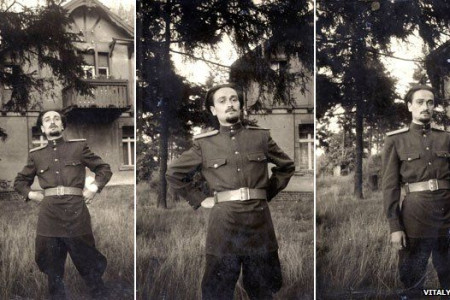
These days the whole world is commemorating the Allied victory in the Second World War. Yet life in the liberated territories — specifically those “liberated” by the Soviets — was by no means simple and in some respects differed little from the German occupation. New testimony about this troubled period was provided by Vitaly Gelfand, who published his father’s notebook. His father, a Red Army lieutenant, had witnessed the horrors committed by Soviet troops in Berlin. The Russian government, however, has objected to publication of the diary.
Three Soviet fronts under Marshals Zhukov, Konev and Rokossovsky waited on the Oder and prepared for the final assault on Berlin. In the preceding months, during Operation Bagration, they had broken through German defensive lines and advanced hundreds of kilometers westward. Units of the German Army Group North remained cut off in Courland, while Army Group Centre had been completely shattered. The Western Allies crossed the Siegfried Line and entered the territory of the “Vaterland.” Germany was retreating on every front. The whole world eagerly awaited the “last battle” and the end of the bloody conflict.
There were nevertheless people who, despite all the hardships of war, did not long for peace: German civilians, and especially women. Reports of what the Soviets had done to Germans in East Prussia and other parts of the “Thousand-Year Reich” had reached Berlin, and hundreds of thousands of women and girls trembled at the thought of the “hordes from the East” waiting on the Oder, only a few dozen kilometers from the city’s suburbs. It is on the Oder that the newly published account of the final days and weeks of the war by Red Army Lieutenant Vladimir Gelfand begins. His son Vitaly brought the diary entries to light, and the BBC reported on them at length.
“Do whatever you want with me!”
At the beginning of the Berlin offensive, Gelfand’s unit captured a women’s battalion of the German army. “The captured German pussycats said that by fighting they were avenging their dead husbands,” the diary says, adding that the women had to be destroyed without mercy: “Our soldiers suggested stabbing them through the genitals.” But that was only the beginning — the real atrocities began after the “liberation” of Berlin.
Gelfand explains in his diary how, riding a bicycle for the first time in his life along the River Spree, he came across a group of women. They were burdened with luggage and bundles, which surprised him. In broken German he asked where they were going and why they were leaving their homes. “With horror on their faces” they described what had happened on the first night after the arrival of the Red Army. “All night they were digging around in me here,” a beautiful German woman said, lifting her skirt. “They were old, some had pimples; they pawed at me and climbed on me — there were at least twenty of them,” she added and began to cry. She threw herself at Gelfand and, afraid that her attackers might return, begged him to stay with her: “Sleep with me! You can do anything you want with me, but only you!”
The experience of this desperate German woman was far from exceptional. According to some estimates, as many as 100,000 women in Berlin were raped or otherwise sexually abused. However horrifying and unacceptable this may look today, at the time it was not entirely surprising that such things happened. Soviet soldiers had seen hundreds and thousands of kilometers of scorched earth after, following the battles of Stalingrad and especially Kursk, they seized the strategic initiative and began reconquering territories that had been under German occupation for years. They had seen raped women, tortured men and children murdered in cold blood — in the Soviet Union there had been hundreds and thousands of “Lidices.”
The hour of our revenge has struck!
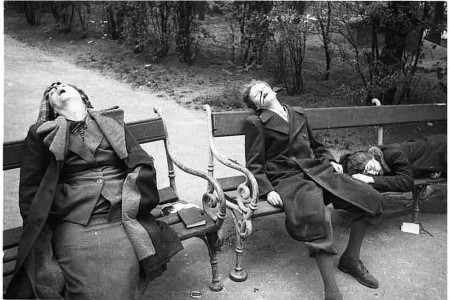
Because of the atrocities committed by the “Aryans” on Soviet territory, the political department of the 19th Army, advancing into Germany along the Baltic coast, assumed that the Soviet soldier would be so full of hatred toward Germans that any physical contact with the women of the defeated “supermen” would disgust him. Not for the first or last time, however, Communist ideologues were wrong, and the result was exactly the opposite: in conquered territory a genuine hell was unleashed. It was not uncommon for women to commit suicide together with their children rather than face mass rape.
The feared tyrant Stalin officially prohibited violence against civilians by decree, but Soviet propaganda used a different rhetoric toward the defeated enemy. After Soviet forces entered the territory officially described by propaganda as the “lair of the fascist beast,” posters appeared in the streets openly calling for violence against civilians: “Soldier: Now you are on German soil. The hour of our revenge has struck.”
Although mass rape and looting by Soviet soldiers are well documented, present-day Russia — the successor state of the USSR — tries to suppress reports about the conduct of the troops in conquered territory as much as possible. Its own records of these atrocities remain hidden in archives. Russia has also recently adopted a law under which anyone who “blackens” the merits of the USSR in the Second World War risks a fine and up to five years’ imprisonment.
Events that are not discussed
Present-day Russian propaganda succeeds in rewriting history to such an extent that young people often have no idea what happened in the “liberated” territories of Europe. Vera Dubina, for example, a young historian from a Moscow university, says that she knew nothing about the large-scale rapes until she went on a school trip to Berlin. After returning home she tried to start a public discussion in Russia about the subject. She failed. “The Russian media reacted very aggressively. People want to hear only about our glorious victory in the Great Patriotic War,” she says.
It was precisely the rewriting of history and concealment of inconvenient facts that prompted Gelfand’s son Vitaly to publish his father’s notes. Vitaly does not deny that many Soviet soldiers displayed extraordinary courage and sacrificed the best years of their lives in the fight against the Nazis. But, he says, he wants people constantly to remember that there was another side of the coin as well — the indescribable terror unleashed by Red Army soldiers in occupied territories, which in some respects was not very far removed from what the Germans themselves had done.
He recently gave an interview on Russian radio about the subject. The only result was a wave of anti-Semitism on Russian social networks — his father was Jewish — while “trolls” unanimously claimed that the notes were not authentic and that Vitaly should “get out to Israel.” Vitaly hopes he will succeed in having his father’s notes published in Russia.
“If people do not know the truth, they are only deceiving themselves,” he said. “The whole world understands it, Russia understands it, and even the people who pushed through those new laws about slandering the past understand it. We cannot move forward until we look back.”