|
|
 |
 |
 |
 |
||
|
|
|
||
|
|
||||
 |
|
|
 |
 |
|
 |
||
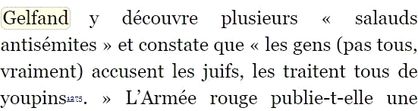 |
||
 |
||
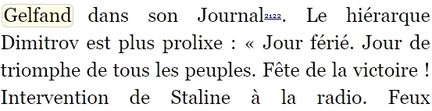 |
||
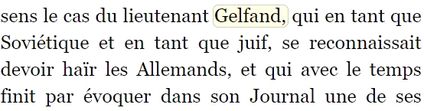 |
||
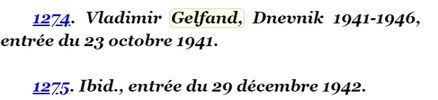 |
||
 |
||
 |
||
 |
|
|
 |
||
  |
 |
 французский
Краткое описание
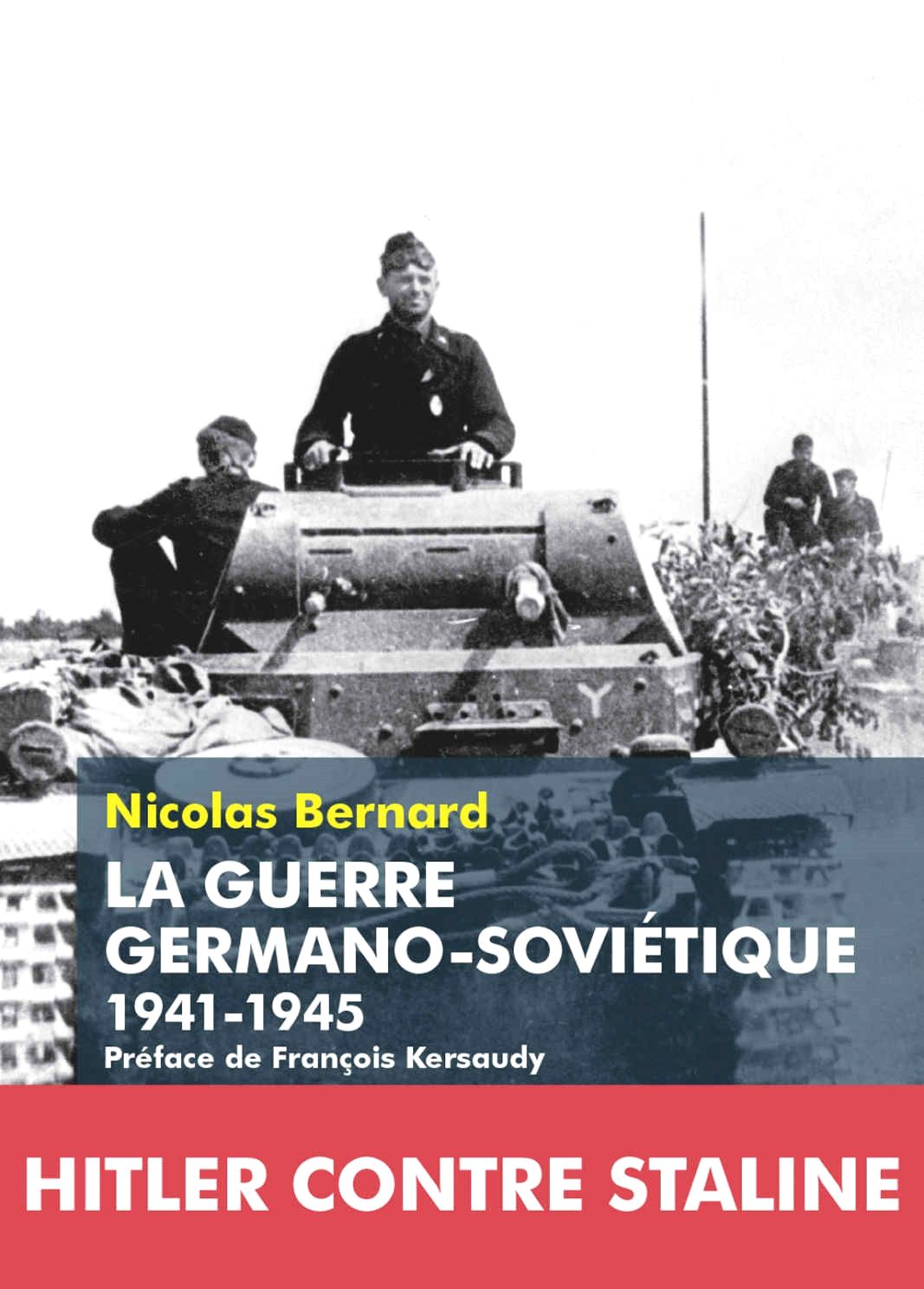
22 июня 1941 года, нарушив Пакт о ненападении, подписанный 23 августа 1939 года, нацистская Германия вторгается в СССР. Так начинается война колоссального масштаба и непримиримой жестокости, унёсшая жизни более тридцати миллионов человек — половины всех погибших во Второй мировой войне.
Содержание тома 1
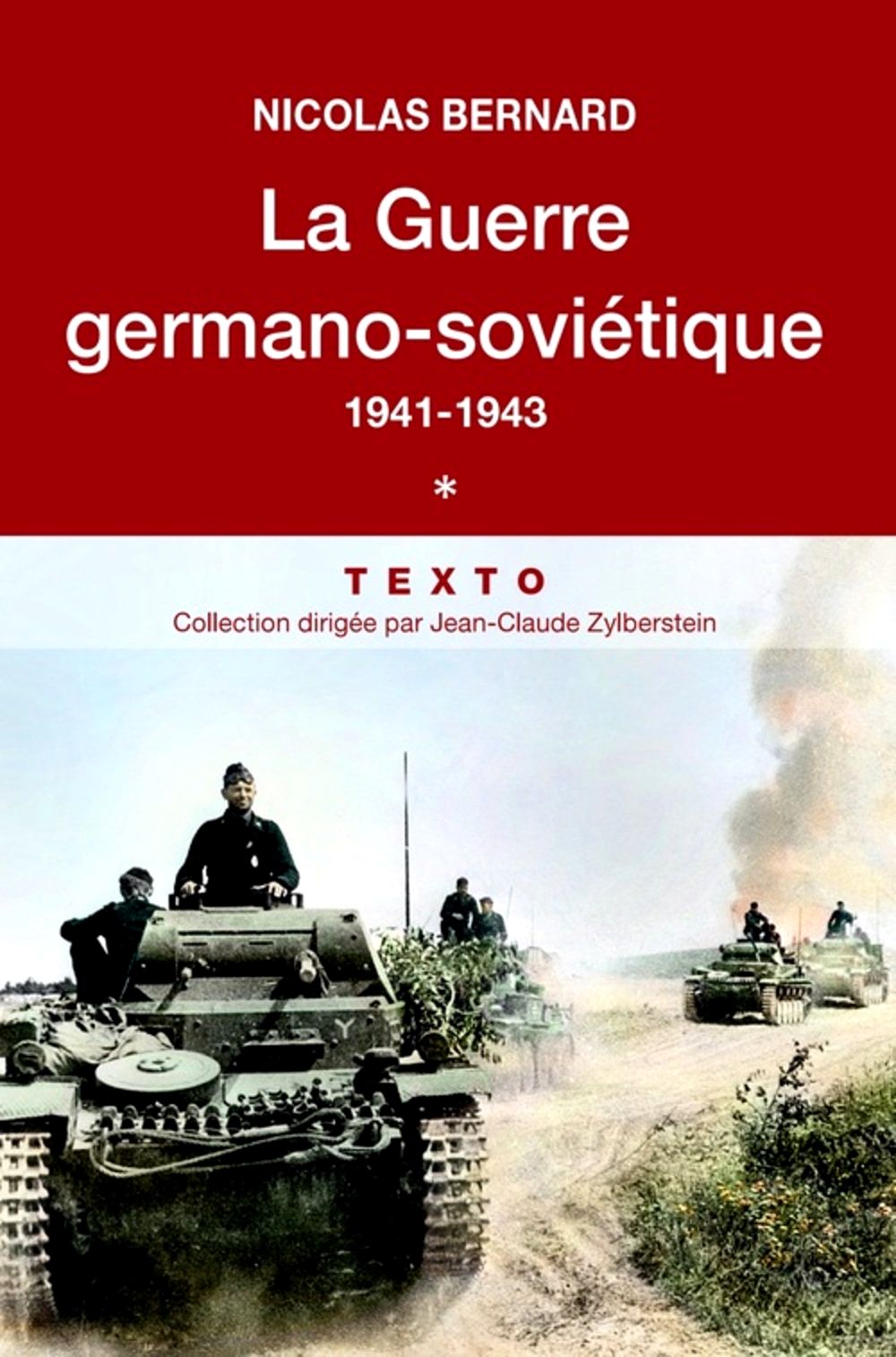
Между двумя тоталитарными державами разворачивается беспощадная дуэль — жестокая, закрытая от внешнего мира, подпитанная их идеологиями. В течение восемнадцати месяцев исход войны остаётся неопределённым: вермахт подходит к Ленинграду, Москве и Кавказу, Советский Союз сдерживает удары, но не раз оказывается на грани краха.
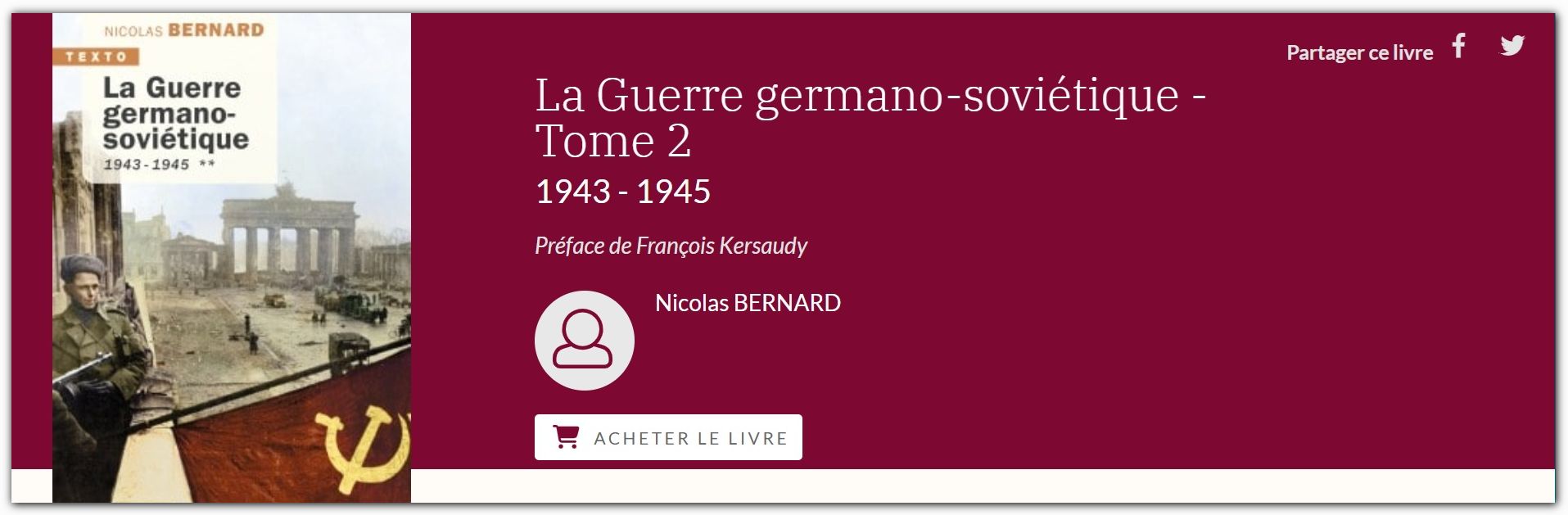
Эта фундаментальная работа, свободная от клише и национальных пристрастий, основана на масштабном анализе русскоязычных, немецких и англоязычных источников. В ней разворачивается панорамное повествование о самой кровопролитной и беспощадной части Второй мировой войны — от вторжения нацистской Германии в СССР летом 1941 года до падения Берлина и Будапешта весной 1945-го. Автор ведёт читателя через ключевые этапы этого ужасающего конфликта: от операции «Барбаросса» к сражению за Москву, от адской мясорубки в Сталинграде до танкового колосса под Курском, от сокрушительного наступления Красной армии до последних боёв в развалинах нацистской столицы.
Николя Бернар не ограничивается изложением военных операций. Он с аналитической ясностью раскрывает политические расчёты, стоявшие за решениями Гитлера и Сталина, и показывает, как переплетаются идеологическая ненависть, дипломатические интриги и экономическая логика тотальной войны. Особое внимание он уделяет масштабам насилия — как на фронте, так и в тылу: среди прочего — организованному массовому истреблению советских евреев, известному как «Холокост пулями», унёсшему жизни более 1,3 миллиона человек.
Но главное достоинство книги — в том, как автор говорит о тех, кто, по выражению самого Бернара, стал «человеческим материалом» этой войны. О простых солдатах, о сожжённых деревнях, о женщинах и детях, переживших оккупацию, о тех, кто оказался между двумя бесчеловечными идеологиями — и выжил или погиб в их жерновах.
«Главное впечатление от книги, — писали критики, — это редкая объективность, с которой Бернар подходит к самым трудным вопросам, поставленным этой гигантской схваткой между двумя тираниями. Он не упрощает, не оправдывает, не отстраняется — он исследует, документирует, объясняет. Даже при ограниченном доступе к архивам, появление другого труда, равного по масштабу, честности и аналитической глубине, — дело отдалённого будущего.»
Первый том охватывает 1941–1943 годы — от нацистского вторжения, подкреплённого идеей расовой войны и колониального захвата, до переломных битв в Москве и Сталинграде. Именно тогда, в течение восемнадцати месяцев, решался исход всей войны: вермахт продвигался к Кавказу, к Ленинграду, к самым воротам советской столицы. СССР, потрясённый и ослабленный, всё же сумел выстоять. В этой части книги Бернар показывает и циничные амбиции Сталина, и безжалостность Гитлера, и то, как на фоне политических игр и кровавых сражений разворачивается трагедия миллионов — жертв, которые остались безымянными.
Эта книга — не просто хроника боевых действий. Это глубокое исследование, реконструирующее саму суть войны, в которой миллионы стали пешками в игре двух чудовищных режимов.
Предисловие Франсуа Керсо
Об авторе
Николя Бернар, адвокат, специалист по Второй мировой войне, постоянный автор ряда военно-исторических журналов. С момента выхода «Германо-советская война» стала признанным эталоном исторического исследования на эту тему.
FrenchTexto, Paris, France, 2015
Texto, Paris, France, 2015
On June 22, 1941, violating the non-aggression pact signed on August 23, 1939, Nazi Germany invaded the Soviet Union. Thus began a war of colossal scale and implacable brutality that cost more than thirty million lives — half of all deaths in the Second World War.
Drawing on extensive Russian, German, and English-language sources and challenging familiar myths, this monumental work takes the reader from Operation Barbarossa to Moscow, from Stalingrad to Kursk, from the Soviet counteroffensive to the fall of Budapest and Berlin, immersing the reader in the heart of military operations and the doctrines behind them.
The author reveals the logic behind Hitler's and Stalin's decisions, gives close attention to diplomatic intrigue and the economic dimensions of the conflict, and examines the explosion of violence that accompanied the war, especially the “Holocaust by bullets” — the mass shooting of more than 1.3 million Soviet Jews. A special place is given to the fate of “ordinary people”: common soldiers and civilians turned into “human material” in a total and absolute war.
“The reader will surely remember the remarkable objectivity with which Nicolas Bernard approaches the most painful and complex questions raised by this titanic confrontation between two dictators, two murderous ideologies, and two peoples drawn against their will into a war of annihilation. Even though some archives remain closed to researchers, many years will have to pass before another work appears capable of surpassing this one in scale and depth.”
Between two totalitarian powers, a merciless duel unfolds — brutal, closed off from the outside world, and fuelled by their ideologies. For eighteen months the outcome of the war remains uncertain: the Wehrmacht advances toward Leningrad, Moscow, and the Caucasus; the Soviet Union absorbs the blows but repeatedly comes close to collapse.
The first volume of this sweeping chronicle returns to the origins of the conflict — from Hitler's murderous plans to Stalin's cynical calculations — and reconstructs the enormous battles and crimes that accompanied the Nazi invasion, including the “Holocaust by bullets,” up to the moment when the Red Army halts the German advance before Moscow in 1941 and then breaks it at Stalingrad in 1943.
This fundamental work, free of clichés and national bias, is based on a large-scale analysis of Russian-, German-, and English-language sources. It unfolds as a panoramic narrative of the bloodiest and most merciless part of the Second World War, from Nazi Germany's invasion of the USSR in the summer of 1941 to the fall of Berlin and Budapest in the spring of 1945.
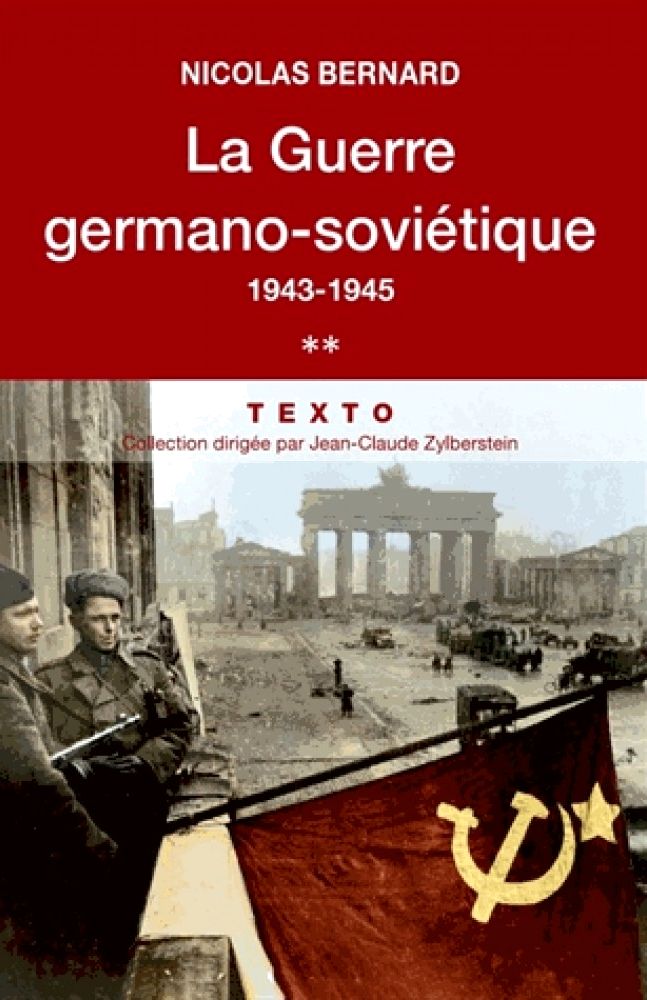
The author guides the reader through the decisive stages of this terrifying conflict: from Operation Barbarossa to the Battle of Moscow, from the hellish slaughter at Stalingrad to the gigantic tank battle at Kursk, from the crushing Red Army offensive to the final fighting in the ruins of the Nazi capital.
Nicolas Bernard does not limit himself to describing military operations. With analytical clarity, he lays out the political calculations behind Hitler's and Stalin's decisions and shows how ideological hatred, diplomatic intrigue, and the economic logic of total war became intertwined. He devotes particular attention to the scale of violence at both the front and in the rear, including the organized mass murder of Soviet Jews known as the “Holocaust by bullets,” which claimed more than 1.3 million lives.
But the book's greatest strength is the way the author writes about those who, in Bernard's own phrase, became the “human material” of the war: ordinary soldiers, burned villages, women and children who lived through occupation, and people caught between two inhuman ideologies who either survived or were crushed between them.
“The dominant impression left by the book,” critics wrote, “is the rare objectivity with which Bernard approaches the most difficult questions posed by this gigantic struggle between two tyrannies. He neither simplifies nor excuses nor distances himself: he investigates, documents, and explains. Even with limited access to archives, the appearance of another work equal to it in scale, honesty, and analytical depth belongs to the distant future.”
Volume 1 covers 1941–1943, from the Nazi invasion driven by the idea of racial war and colonial conquest to the decisive battles of Moscow and Stalingrad. During those eighteen months the outcome of the entire war hung in the balance: the Wehrmacht moved toward the Caucasus, Leningrad, and the very gates of the Soviet capital. The USSR, shocked and weakened, nevertheless managed to endure.
In this part of the book Bernard shows both Stalin's cynical ambitions and Hitler's ruthlessness, as well as the tragedy of millions unfolding behind political games and bloody battles — victims who remained nameless.
This book is not merely a chronicle of military operations. It is a profound study reconstructing the very essence of a war in which millions became pawns in the game of two monstrous regimes.
Foreword by François Kersaudy
Nicolas Bernard is a lawyer, specialist in the Second World War, and regular contributor to several military-history journals. Since its publication, The German-Soviet War has become a recognized standard historical study of the subject.
The page includes several photographed excerpts from the French edition. The visible passages read, in English:
“Soviet [soldier] Vladimir Gelfand — himself Jewish — [wrote] in his Diary in October 1941: ‘Jews = thieves. A Jewish woman stole a fur coat in the shop. Jews have money.’”
“Gelfand discovers several ‘antisemitic bastards’ and notes that ‘people (not all of them, really) accuse the Jews and call them all kikes.’ The Red Army publishes…”
“…Lieutenant Vladimir Gelfand of the 301st Rifle Division, himself a Jew. We all volunteer for the hardest missions against the enemy…”
“Gelfand [writes] in his Diary. The senior officer Dimitrov is more expansive: ‘Holiday. Day of triumph for all peoples. Victory Day! Stalin’s address on the radio. Fireworks…’”
“…the case of Lieutenant Gelfand, who, as a Soviet and as a Jew, recognized that he was supposed to hate the Germans, and who over time ended up recalling in his Diary one of his…”
The photographed reference entries cite Vladimir Gelfand, Diary 1941–1946, for the entries of 23 October 1941, 29 December 1942, 29 May 1942, 12 June 1942, 28 January 1945, 10 May 1945, and 6 January 1946. A photographed index excerpt lists Italo Gariboldi, Charles de Gaulle, Reinhard Gehlen, and Vladimir Gelfand.