



08/11/2018
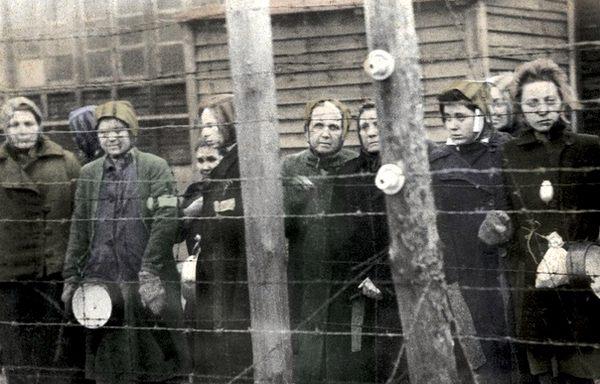  Военнослужащие-женщины, попавшие в плен во время Великой Отечественной войны, чаще всего подвергались гораздо большим издевательствам и мучениям (подчас предшествующим неминуемой смерти), чем мужчины. Однако даже по прошествии более 70 лет со дня окончания Второй мировой, масштабы этих зверств, хотя бы в общих чертах, так и не обозначены историками – документальные подтверждения условий содержания в плену женщин-военных либо не сохранились, либо до сих пор остаются засекреченными. Как относились к пленным «военным фрау» красноармейцыДостоверной информации о том, как поступали с воевавшими на стороне вермахта, СС и других подразделений гитлеровской армии женщинами-военнослужащими на самом деле не так уж и много, особенно если учесть, что полноценный армейский статус представительницы слабого пола гитлеровских войск официально получили только в конце августа 1944 года, до этой поры они лишь являлись «прикрепленными к армии гражданскими служащими» — во всех подразделениях. Необходимо принимать во внимание и тот факт, что после войны в СССР были интернированы тысячи немок (а также представительниц иных национальностей, проживавших на территориях государств, активно помогавших Гитлеру и освобожденных от фашизма Красной Армией) – они работали в лагерях ГУЛАГа наравне с советскими заключенными. Возможно, среди них и был определенный процент бывших военнослужащих, но эта тема до настоящего времени в достаточной степени не изучена. Давно опубликованы дневниковые записи советского боевого офицера, принимавшего участие в штурме Берлина, Владимира Гельфанда (ветеран войны, умер в начале 80-х в Днепропетровске). Двадцатидвухлетний лейтенант Гельфанд, как непосредственный участник боевых действий, описал такой случай произошедший на Одерском фронте в начале весны 1945 года. Советские войска наголову разбили атаковавший их женский батальон – «мстительниц за погибших на фронте мужей». Рядовые красноармейцы хотели пленных немок заколоть «извращенным способом», но в итоге «рассортированных» автоматчиц поделили на 3 категории. В первую попали... русские (!),во вторую – жены офицеров и просто родственницы гитлеровских вояк, гордо заявлявшие об этом, в третью категорию – девушки. Последних желающие разобрали «по койкам» (об их дальнейшей судьбе не сообщается), а остальных (русских – в первую очередь) – расстреляли, без пыток и издевательств. ... и к советским женщинам-военным – гитлеровцыТема условий содержания женщин-военнопленных РККА на сегодняшний день наиболее довольно подробно разработана – многочисленные мемуарные свидетельства говорят о зверствах нацистов и их пособников как по отношению к пленным, не попавшим в концлагеря (воспоминания дивизионного переводчика Павла Рафеса, архив израильского Яд ва-Шем и другие), так и к находившимся в концентрационных лагерях Германии и стран — союзников нацистов. Женщин насиловали и пытали перед тем как убить – только за то, что они носили военную форму. Они и в лагерях страдали не меньше мужчин по естественным причинам – не было элементарных условий для соблюдения гигиены, возможности сменить белье. Евреек и партизанок гитлеровцы сразу расстреливали. В фашистских лагерях, где содержались женщины-военнопленные, зверствовали не только нацисты, но и полицаи, добровольные помощницы из числа самих заключенных... В японских лагеряхЯпония до сих пор полностью не рассекретила архивы, касающиеся деятельности находившихся на ее территории во время Второй мировой войны десятков концентрационных лагерей. Наиболее известный по своим зверствам (благодаря так называемому «Хабаровскому процессу» 1949 года) «Отряд 731» во время Второй мировой погубил порядка 3 тысяч жизней (ориентировочная цифра, точных данных нет). Жертвами чудовищных экспериментов по применению биологического оружия, способов умерщвления, сопоставимых с опытами нацистского доктора Менгеле (и превосходящих их по жестокости), других зверств, были и русские женщины (в документальном фильме Елены Масюк «Конвейер смерти (отряд 731)» называется имя одной из них, замученной вместе с 4-летней дочерью). Сколько среди подопытных «бревен» (так называли пленников палачи «Отряда 731») было советских женщин-военнослужащих, неизвестно, как неведомо и общее количество русских заключенных (историки предполагают, что их было около трети от общей массы узников). ... и американскихУсловия содержания немок-военнослужащих, попавших в плен к американцам в 1945 году, на одном из примеров описал солдат армии Эйзенхауэра — Мартин Брэш. Женщины, как и остальные пленные, содержались в лагере Андернаха под открытым небом, но в отдельном от мужчин загоне. Кормили их, как и всех, плохо, заключенные ели траву, заболевали дизентерией и массово умирали. Брэш объяснил подобное отношение своего командования к узникам тем, что американцы к тому времени уже навидались ужасов Освенцима, Бухенвальда и других нацистских лагерей – газеты об этом трубили каждый день. Продукты у янки имелись в достатке – пленным просто умышленно их не давали: американцы люто возненавидели немцев как нацию. |
© Русская семерка
 Russian
Also published under the title: “Where Were the Worst Conditions of Captivity for Female Military Personnel During the Second World War?”
November 8, 2018 / February 6, 2019
Women in military service who were captured during the Great Patriotic War were often subjected to even greater abuse and torment than men, sometimes before an inevitable death. Yet even more than seventy years after the end of the Second World War, historians have still not established even an approximate overall scale of these atrocities. Documentary evidence about the conditions in which female military prisoners were held either did not survive or remains classified.
There is actually not much reliable information about how female servicemembers who fought on the side of the Wehrmacht, SS and other formations of Hitler’s armed forces were treated. One reason is that women in Hitler’s military did not officially receive full military status until the end of August 1944; before then they were generally regarded as “civilian employees attached to the army” in the various branches.
It should also be remembered that after the war thousands of German women—as well as women of other nationalities living in states that had actively assisted Hitler and were later liberated from fascism by the Red Army—were interned in the USSR. They worked in Gulag camps alongside Soviet prisoners.
Some of these women may have been former military personnel, but the subject has still not been studied in sufficient detail.
The diary of Soviet combat officer Vladimir Gelfand, who took part in the assault on Berlin and died in Dnepropetrovsk in the early 1980s, has long been published. Gelfand, a twenty-two-year-old lieutenant and direct participant in the fighting, described an incident on the Oder front in early spring 1945. Soviet forces had decisively defeated an attacking women’s battalion—women portrayed as “avengers for husbands killed at the front.” Ordinary Red Army soldiers initially wanted to kill the captured German women in a particularly brutal way, but the captured female submachine-gunners were eventually “sorted” into three categories. The first consisted of Russians; the second, officers’ wives and other female relatives of German soldiers who openly declared their connection to the military; and the third, young women. According to the article’s account of Gelfand’s diary, the young women were taken away by soldiers “to their beds,” while the others—especially the Russians—were shot without torture or further abuse. The article says nothing about the later fate of the young women.
The conditions faced by female Red Army prisoners of war have been studied in greater detail. Numerous memoirs describe atrocities by the Nazis and their collaborators both against prisoners who never reached concentration camps—for example, the recollections of divisional interpreter Pavel Rafes and material in Israel’s Yad Vashem archive—and against women imprisoned in concentration camps in Germany and allied Axis states.
Women were raped and tortured before being killed simply because they wore military uniforms. Even in the camps they suffered at least as much as men, with additional hardship caused by the absence of basic hygienic facilities and the inability to change underwear. Jewish women and female partisans were shot immediately. In camps holding female prisoners of war, abuse was inflicted not only by Nazis but also by police auxiliaries and by prisoner functionaries recruited from among the inmates themselves.
Japan has still not fully declassified archives concerning the dozens of concentration camps that operated on its territory during the Second World War. The most notorious for its atrocities, largely because of the so-called Khabarovsk Trial of 1949, was Unit 731. During the war it caused the deaths of roughly 3,000 people, although the exact number is unknown. Victims of monstrous experiments with biological weapons, killing techniques comparable to—and in some accounts even more brutal than—those of Nazi physician Josef Mengele, and other atrocities included Russian women. Elena Masyuk’s documentary Death Conveyor (Unit 731) names one woman who was tortured to death together with her four-year-old daughter.
It is unknown how many of the experimental victims, whom Unit 731’s perpetrators called “logs,” were Soviet female military personnel. The total number of Russian prisoners is also unknown; historians have estimated that Russians may have constituted around one third of all prisoners.
One example of the conditions faced by German female servicemembers captured by the Americans in 1945 was described by U.S. Army soldier Martin Brech. The women, like the other prisoners, were held in the open-air camp at Andernach, although in an enclosure separate from the men. They were poorly fed, ate grass, contracted dysentery and died in large numbers.
Brech explained his command’s treatment of the prisoners by saying that by then Americans had already seen the horrors of Auschwitz, Buchenwald and other Nazi camps, which newspapers reported on every day. The Americans had sufficient food, he said, but deliberately withheld it from the prisoners because they had come to hate Germans as a nation.
© Russian Seven