




|
|
|
 |
 |
 |
 |
|
 |
|
 |
 |
 |
 |
 |
 |
 |
 |
 |
 |
 |
 |
 |
 |
 |
 |
|



   ·
|
|
|
 |
 |
|
 |
|
 |
|
 |
|
 German
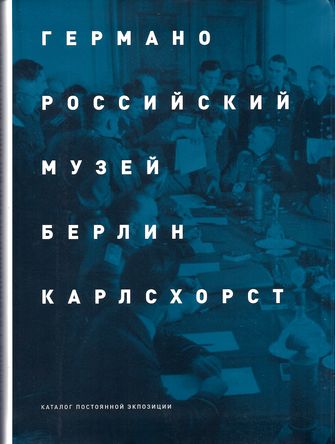
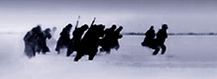
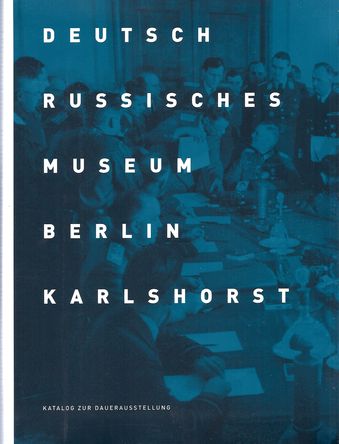
German-Russian Museum Berlin-Karlshorst. Catalogue of the Permanent Exhibition
Authors: Svetlana Andreeva, Margot Blank, Julia Franke, Andrea Kamp, Jörg Morré, Babette Quinkert
German-Russian Museum Berlin-Karlshorst
Catalogue of the Permanent Exhibition
Publisher: German-Russian Museum Berlin-Karlshorst
Authors of the permanent exhibition: Svetlana Andreeva, Margot Blank, Julia Franke, Andrea Kamp, Jörg Morré, Babette Quinkert
Text: German-Russian Museum, Berlin
Translations: Svetlana Andreeva, Susan Giegerich, Alexej Khorkov
Editorial work: Margot Blank
Design: Krahe & Hardwig, Berlin
Lithography: tertia, Christian Hochstein, Berlin
Printing: H. Heenemann, Berlin
© 2014 German-Russian Museum Berlin-Karlshorst
ISBN 978-3-9816639-0-7
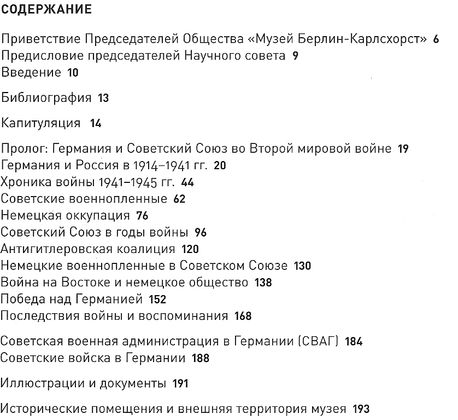
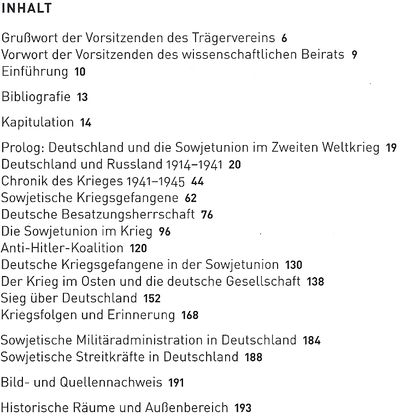
Greeting by the Chairman of the Museum Association — 6
Foreword by the Chairmen of the Academic Advisory Board — 9
Introduction — 10
Bibliography — 13
Capitulation — 14
Prologue: Germany and the Soviet Union in the Second World War — 19
Germany and Russia 1914–1941 — 20
Chronicle of the War 1941–1945 — 44
Soviet Prisoners of War — 62
German Occupation Rule — 76
The Soviet Union at War — 96
Anti-Hitler Coalition — 120
German Prisoners of War in the Soviet Union — 130
The War in the East and German Society — 138
Victory over Germany — 152
Consequences of the War and Remembrance — 168
Soviet Military Administration in Germany — 184
Soviet Armed Forces in Germany — 188
Picture and Source References — 191
Historic Rooms and Outdoor Grounds — 193
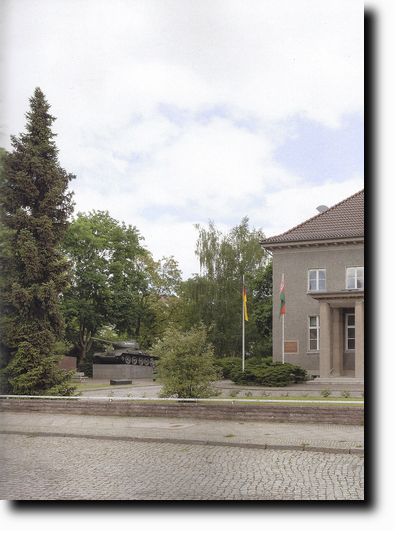
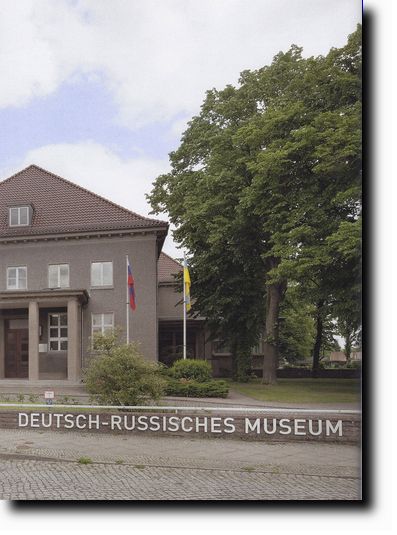
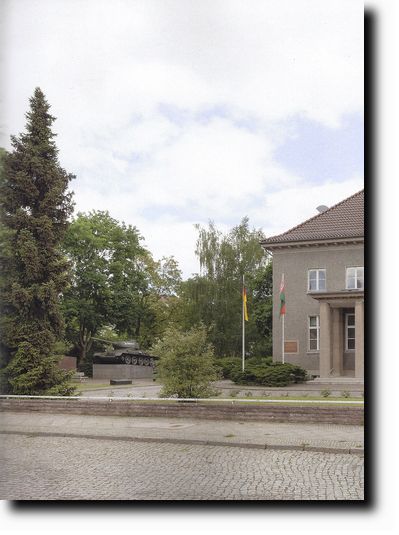
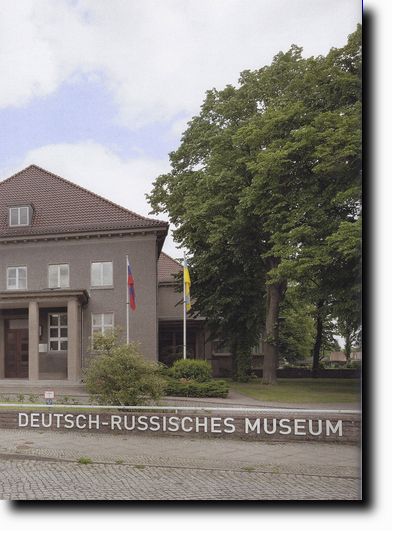
On the night of 8–9 May 1945, an event of major historical significance took place in the former officers’ mess of the Wehrmacht pioneer school in Berlin-Karlshorst: the unconditional surrender of the German Wehrmacht, which ended the Second World War in Europe. This provided the impetus for the founding of the “Museum of the Unconditional Surrender of Fascist Germany in the Great Patriotic War 1941–1945,” which opened on 5 November 1967. In the decades that followed, the museum was continuously expanded and equipped with important and unique exhibits on the history of the Second World War. The permanent exhibition, with the historic capitulation hall at its center, was supplemented by Soviet armored vehicles and artillery that can still be seen today in the museum’s outdoor grounds. Including Soviet soldiers who completed their military service with Soviet forces in Germany, more than 2.5 million visitors from all five continents had come to the museum by the time it closed in 1994.
After German reunification, the Russian and German sides agreed, in view of the great historical importance of the site, to preserve the museum and jointly commemorate the difficult chapter of their shared history. On the basis of an intergovernmental agreement and thanks to the strong commitment of a newly established binational museum association, a new and unique institution was created: the German-Russian Museum Berlin-Karlshorst. It has since been jointly supported by the ministries responsible for culture, foreign affairs and defense of the Russian Federation and the Federal Republic of Germany, as well as by the major national museums of both countries: the State Historical Museum in Moscow and the German Historical Museum in Berlin, the Central Museum of the Armed Forces of the Russian Federation in Moscow and the Bundeswehr Military History Museum in Dresden, together with the three museums devoted to the history of the Great Patriotic War in Moscow, Kyiv and Minsk. The Republic of Ukraine and the Republic of Belarus are therefore also involved in the museum’s work. Other members of the association include the Topography of Terror Foundation, the Foundation of Saxon Memorials, the Institute of Contemporary History, the Bundeswehr Center for Military History and Social Sciences, and the Berlin Senate’s cultural administration.
At the heart of the museum, reopened on a new basis on 10 May 1995, remained the German war against the Soviet Union. The permanent exhibition was substantially expanded, however, and also addressed the German-Russian and German-Soviet relationship between 1917 and 1990. Close and diverse cooperation among many museums, academic institutions and private individuals in Germany, Russia, Ukraine and Belarus in establishing and further developing the new museum has remained exemplary to this day.
The basis of twenty years of successful institutional cooperation, as well as the friendships that grew from it among museum colleagues in both countries, enabled the German-Russian Museum team in 2012/13 to develop and implement a newly conceived permanent exhibition, “Germany and the Soviet Union in the Second World War 1941–1945.” Alongside modern exhibition design and technology, the exhibition concept is above all characterized by a contemporary bilateral approach that makes it possible to highlight shared representations of the most tragic chapter in the history of the two countries.
The new permanent exhibition opened another unique chapter in the museum’s history. As an institution in Germany devoted to the war of annihilation against the Soviet Union, the museum gives us confidence that the German-Russian Museum will continue to fulfill its important mission successfully in the future — making a contribution to understanding and rapprochement between peoples.
We thank the Federal Government Commissioner for Culture and the Media for financing the new conception of the museum’s permanent exhibition. We also owe major support to the Government of the Russian Federation. Finally, we would like to express our great thanks and appreciation to Director Jörg Morré and his staff for the work they have accomplished, and to the Academic Advisory Board for its continuing support.
The Chairmen of the Museum Berlin-Karlshorst Association
Dr. Aleksandr Nikonov
Director of the Central Museum of the Armed Forces, Moscow
Prof. Dr. Alexander Koch
President of the Foundation German Historical Museum, Berlin
Berlin has many places where great history happened, for good as well as for ill. Yet hardly any other place has such clear significance for world history as the unassuming building on Zwieseler Straße in the Berlin district of Karlshorst. It was here, in the ballroom and dining hall of the former officers’ mess of the Wehrmacht pioneer school, that on the night of 8–9 May 1945 the document of the unconditional surrender of the German Wehrmacht was signed by the commanders-in-chief of the army, air force and navy. That was the end of the Second World War in Europe.
The idea that a museum run as a German-Russian partnership could arise at this site was unimaginable not only in 1945 but even some decades later. The building served as the headquarters of the Chief of the Soviet Military Administration in Germany until 1949 and, until the mid-1950s, as the headquarters of the Soviet Control Commission. In 1967, on the fiftieth anniversary of the October Revolution of 1917, the “Museum of the Unconditional Surrender of Fascist Germany in the Great Patriotic War 1941–1945” opened here. Its intended audience was members of the Soviet armed forces while they completed their military service in the “target country.” When, in November 1990 after the end of the GDR, the withdrawal of Soviet forces was agreed by 1994, it was clear that an army museum at this site would lose its raison d’être if its holdings were simply transferred to Moscow.
That realization provided the initial impulse for both the Soviet and German sides to think jointly about the future of this historic site and museum. It quickly became clear that both sides shared an interest in preventing the site from falling into oblivion. An expert commission established as part of the bilateral state cooperation therefore examined whether and under what conditions the museum could be preserved. Agreement was soon reached that the museum’s future would best be secured through a partnership solution that would involve both the responsible ministries of the two states and the relevant museums. A German-Russian working group was then commissioned to devise a museum concept. The Russian side agreed to make the exhibits and other collections of the Army Museum available, while the German side assumed the costs of construction measures, setting up the new exhibition and maintaining the new museum.
In terms of content, the aim was to turn a museum dedicated to the traditions of the Soviet Army into a museum centered on the history of the war, in which above all its horrors and suffering would be presented. The focus was not to be on general-staff planning or great battles, military victories and defeats, but on the experience of the war by the people who had to live through and suffer it. It also had to be shown that National Socialist Germany had begun this war with an attack and had waged it as a racist war of conquest aimed at the subjugation, exploitation and destruction of large parts of the population in the occupied territories of the Soviet Union. A museum once conceived as a hall of fame for the Red Army was to become a museum against war — a museum that, at the site of capitulation, advocates peace.
The fact that this program could be successfully developed and implemented belongs among the gratifying developments in German-Soviet and later German-Russian relations since the end of the Cold War. The task was to arrive at a joint presentation of the most brutal and costly war ever fought between European great powers. This is possible because both sides were prepared to examine their respective ideas about what had happened, to allow apologetic tendencies to be questioned, and to overcome numerous prejudices. It was a difficult, often painful process, but one that could be managed because everyone involved was willing to accept the results of international research without reservation.
The museum’s Academic Advisory Board also committed itself to these principles. For almost twenty years it has supported the museum’s work with advice and practical assistance, and in this spirit it closely accompanied the redesign of the museum and the revision of the permanent exhibition, which opened in April 2013. The parity-based composition of the advisory board, with five Russian and five German museum specialists and historians, makes it possible to discuss controversial positions critically and nevertheless arrive at a common position in the end. In this sense, the Karlshorst Museum is a model of constructive cooperation between Germans and Russians that also gives courage for the future.
Professor Dr. Reinhard Rürup
Chairman of the Academic Advisory Board
Dr. habil. Igor Maximytchev
Deputy Chairman of the Academic Advisory Board
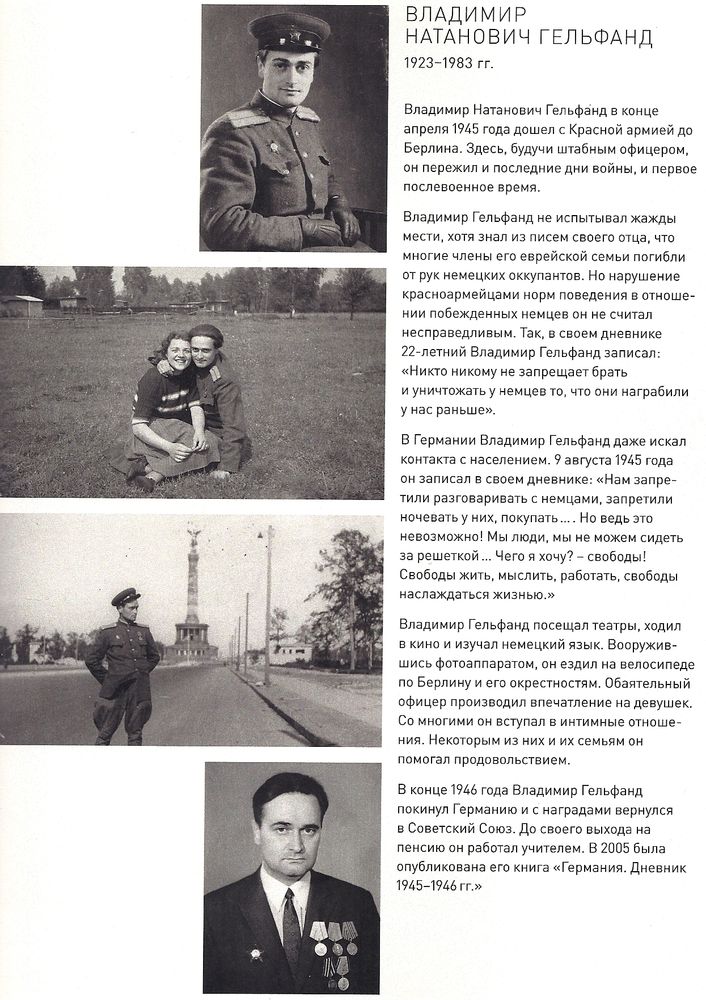
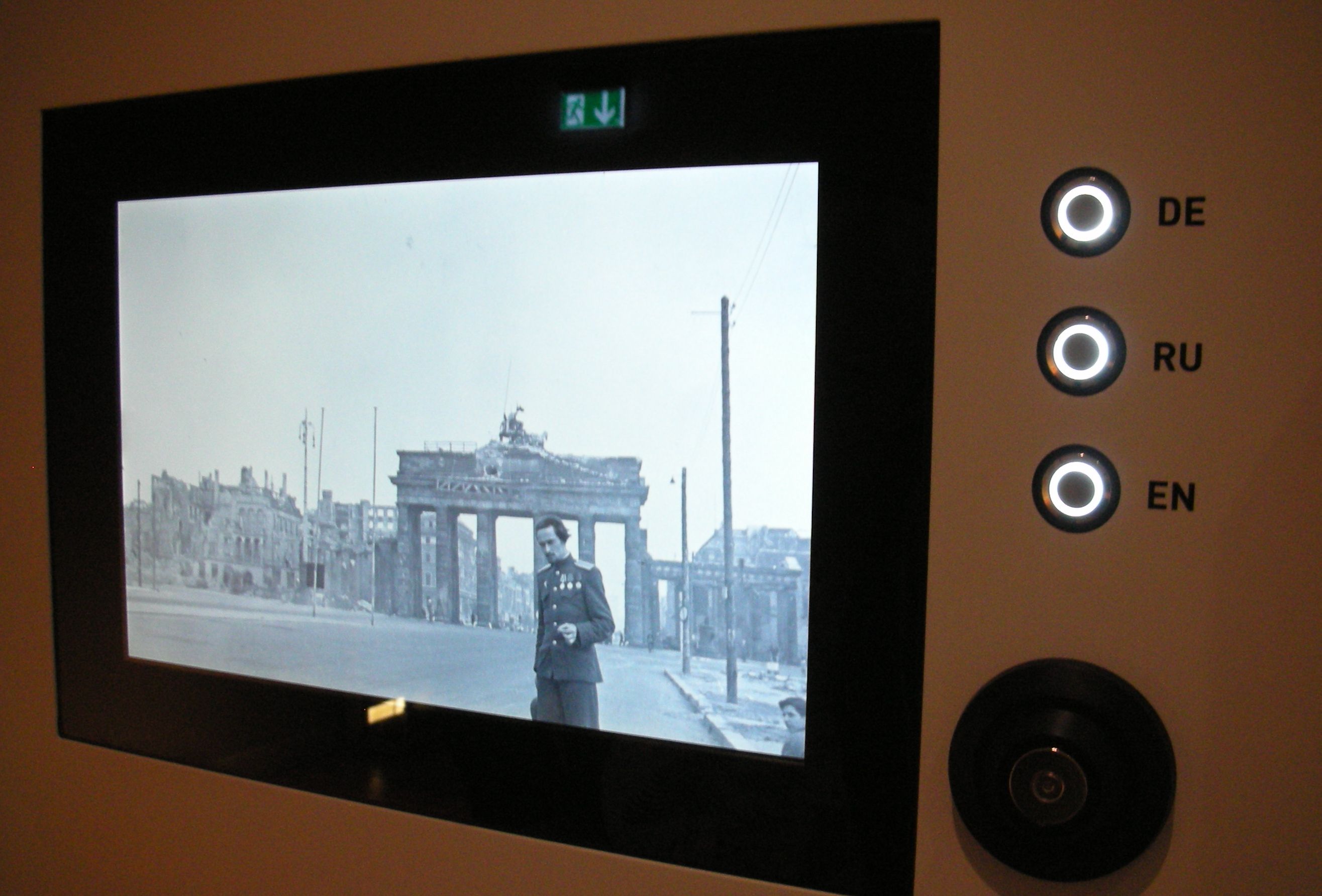
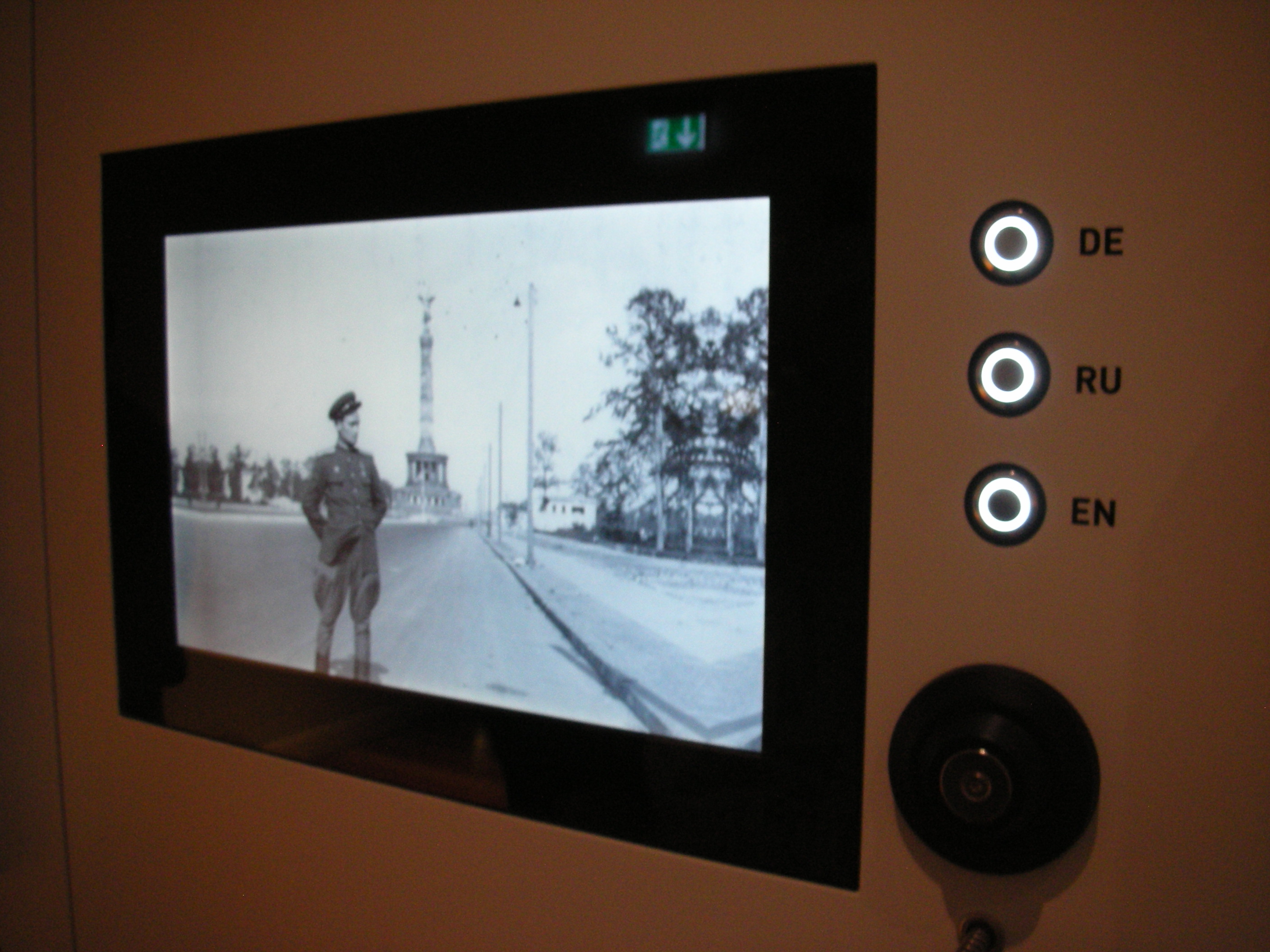
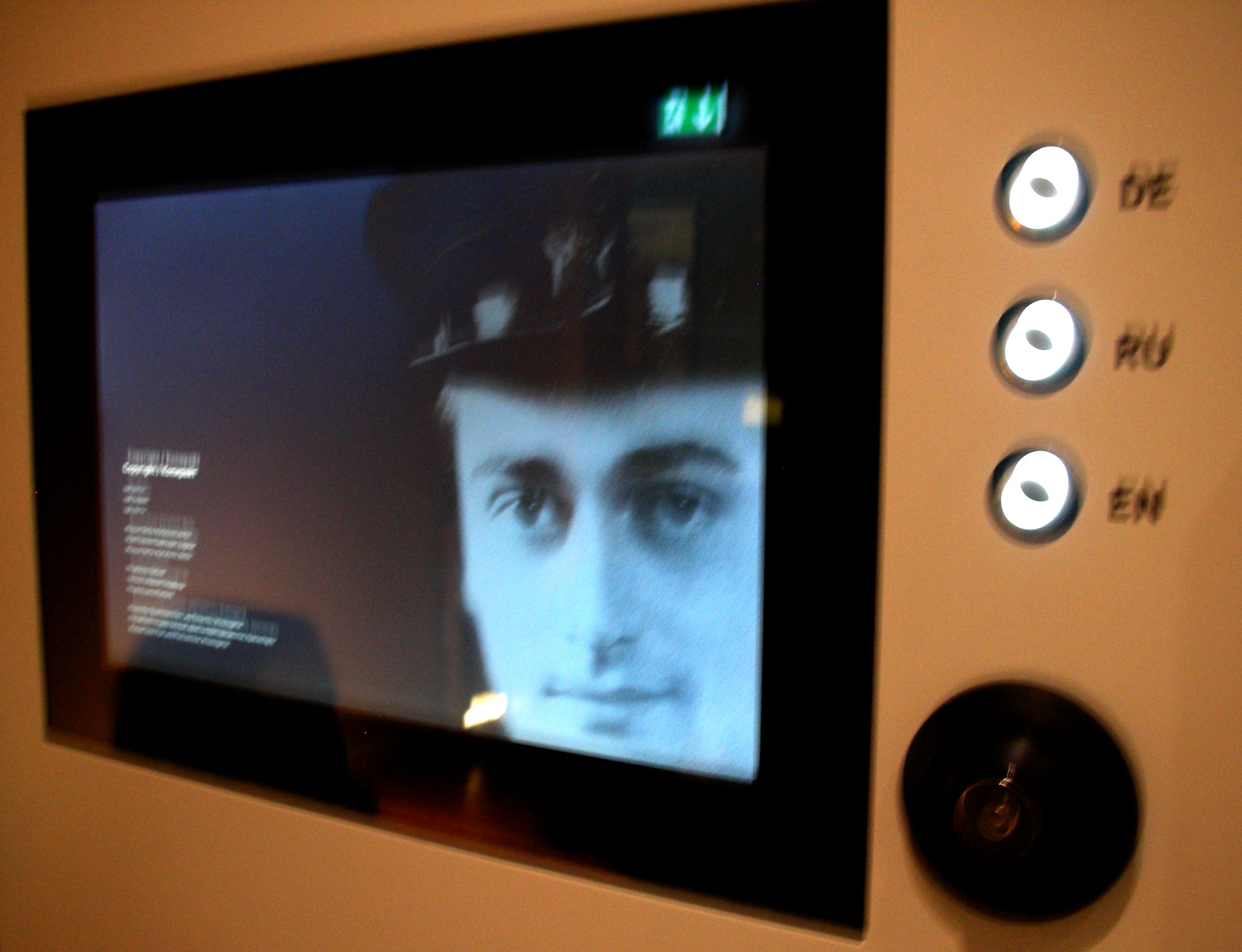
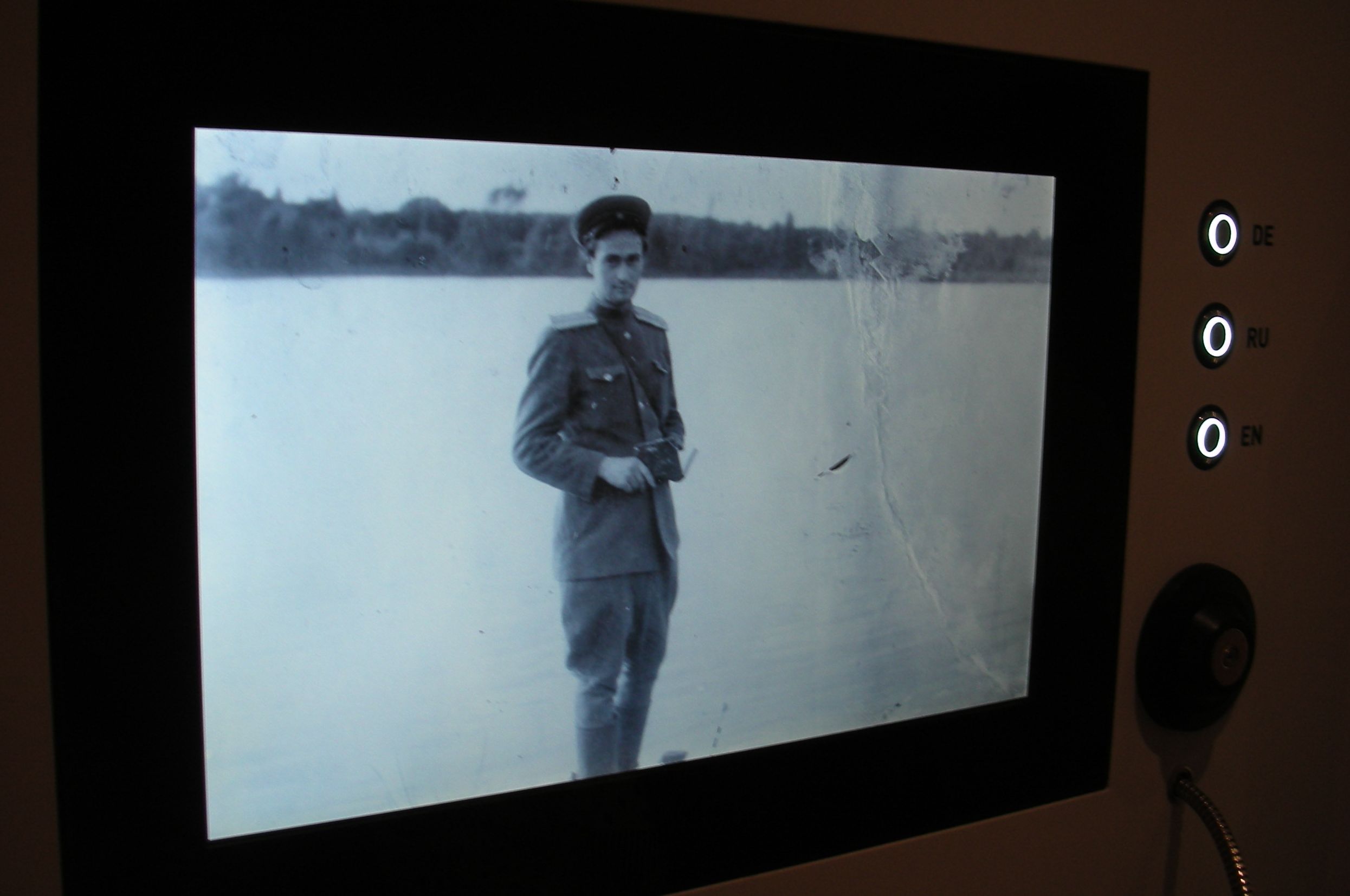
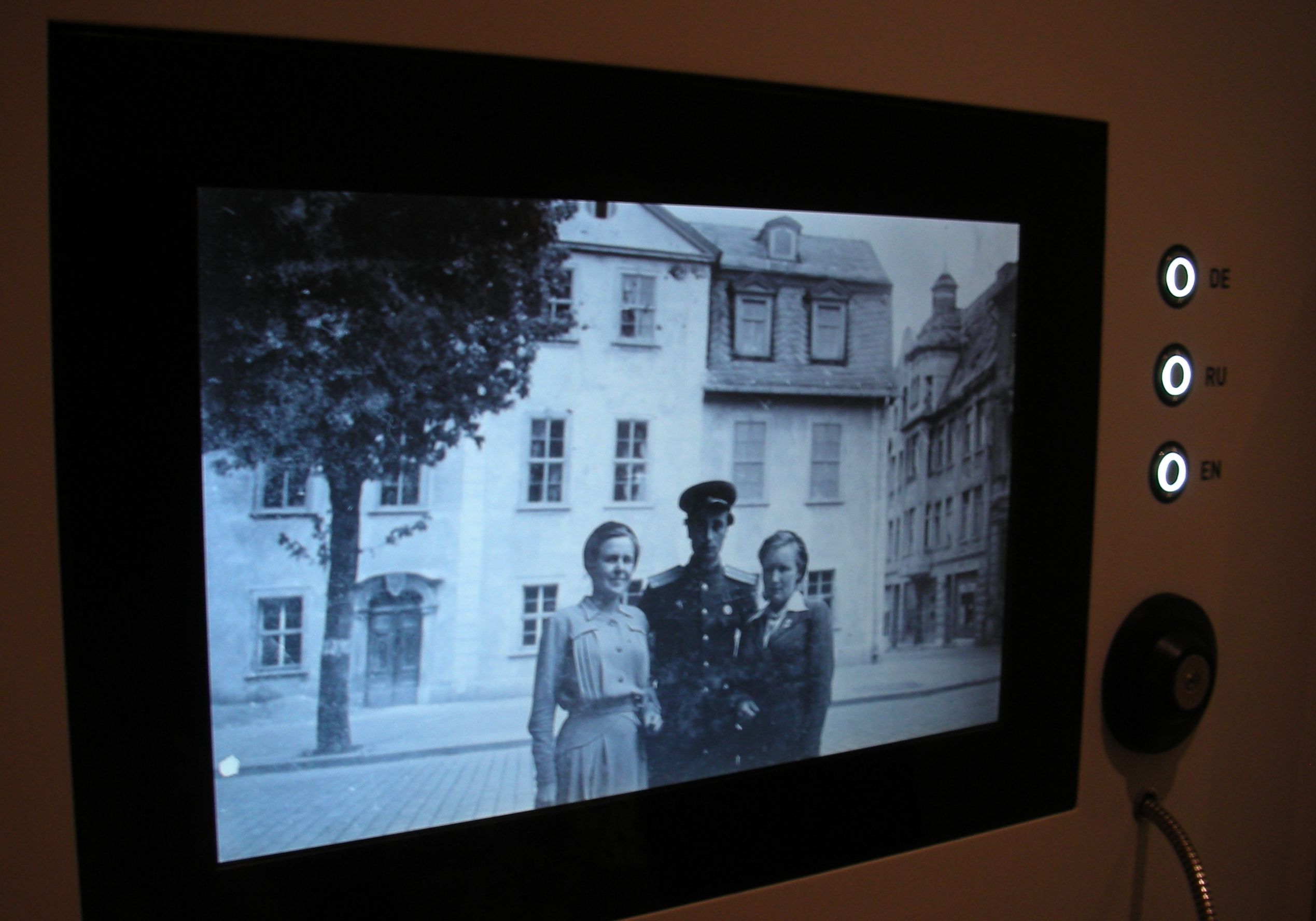
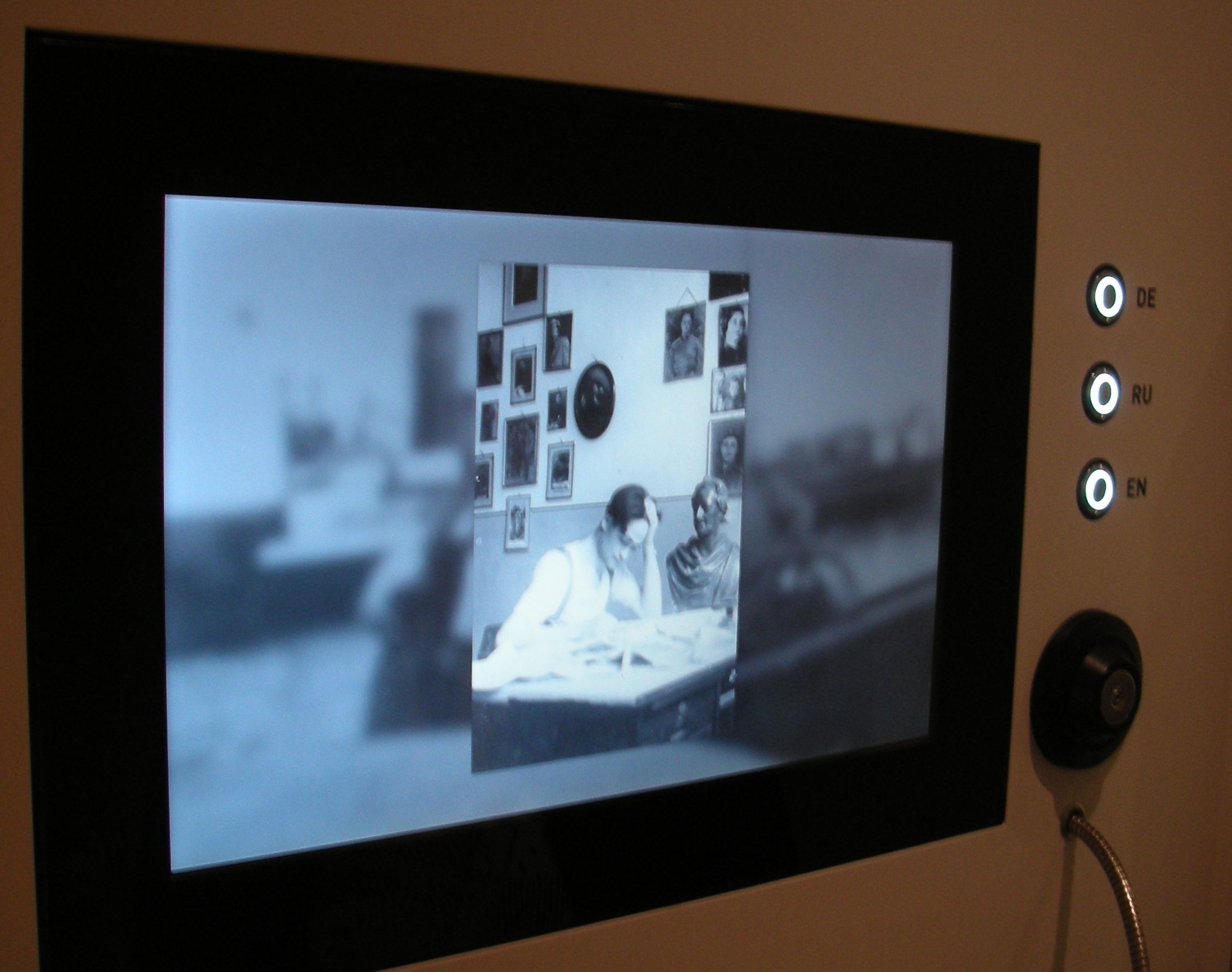
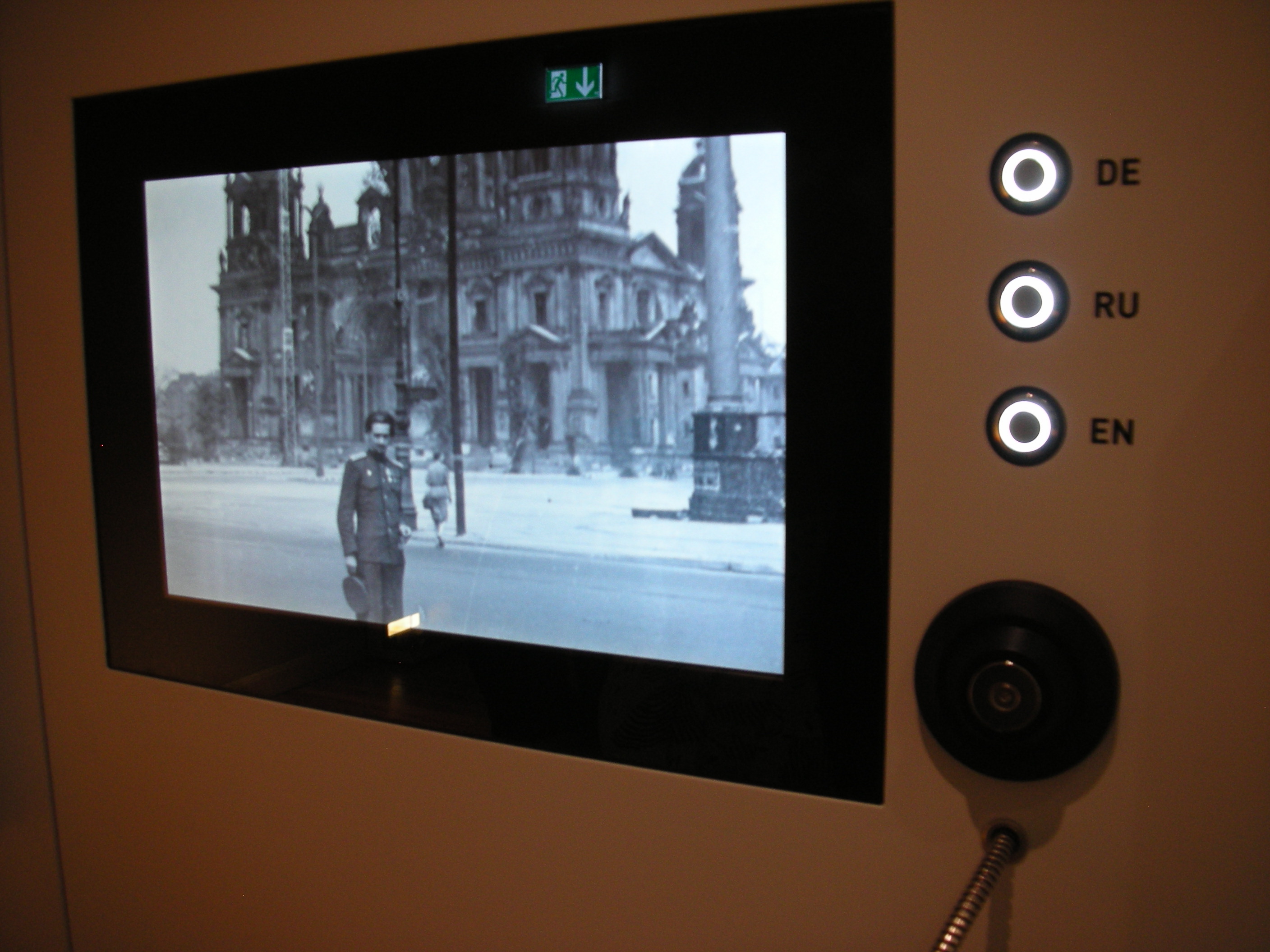
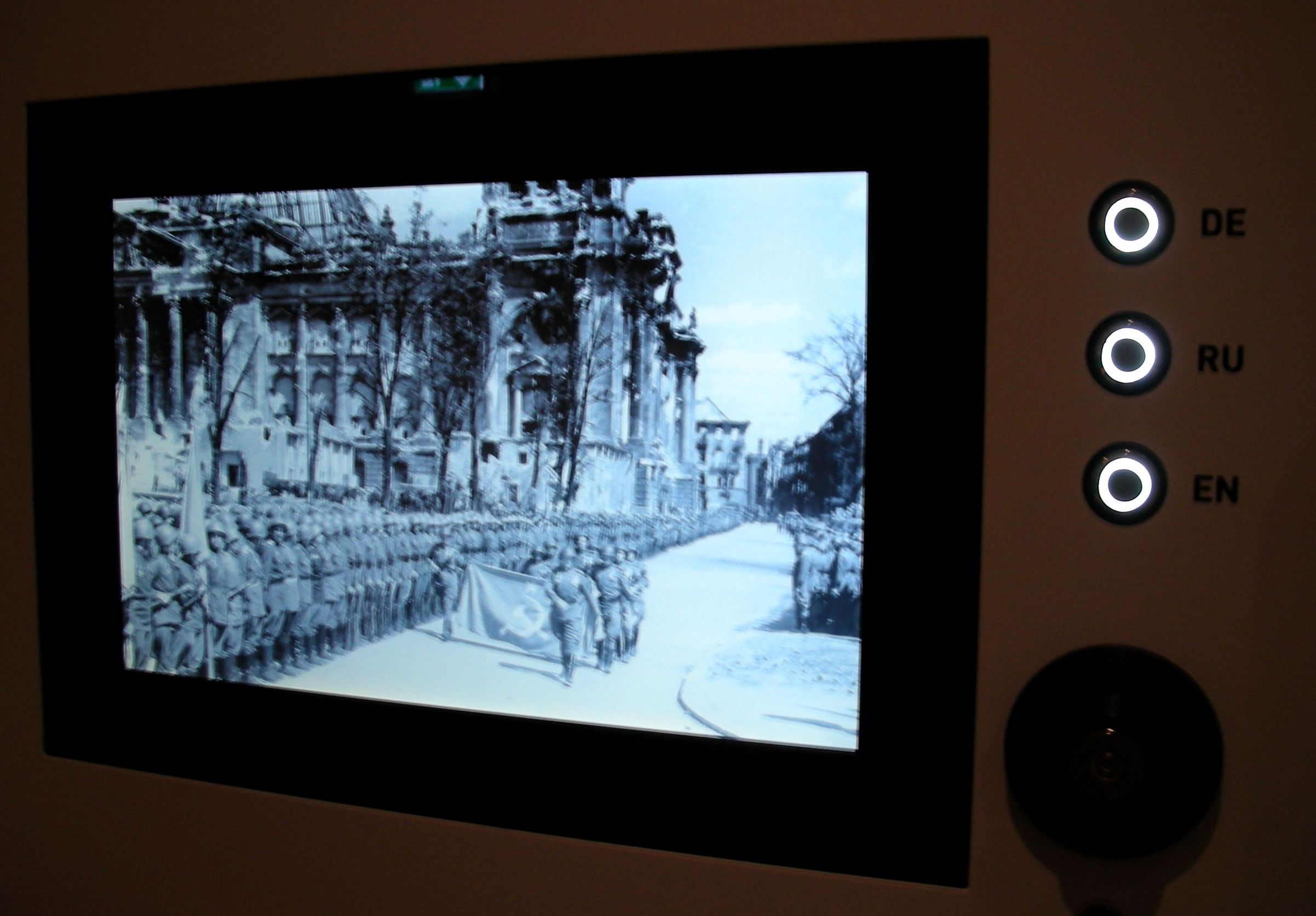
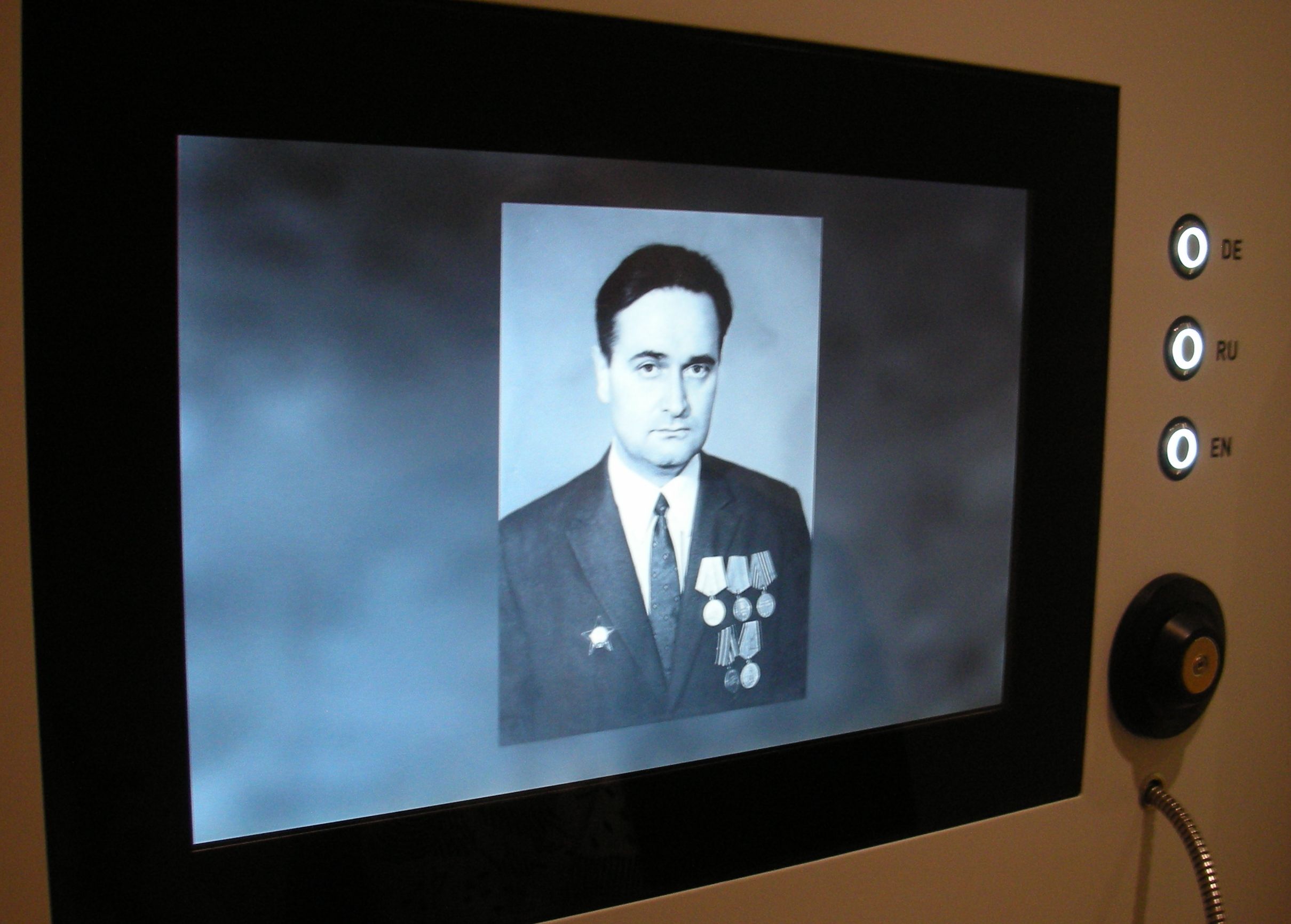
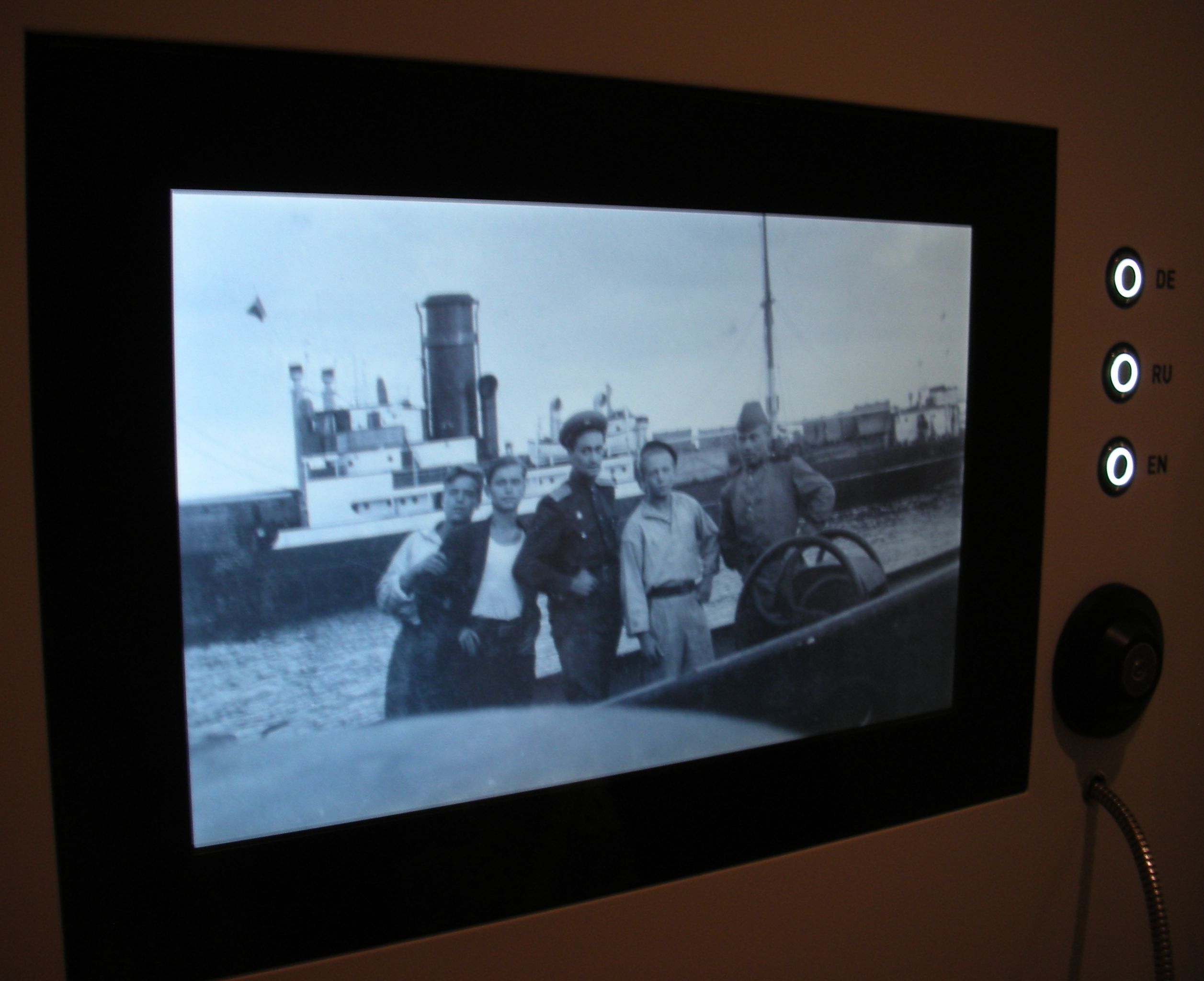
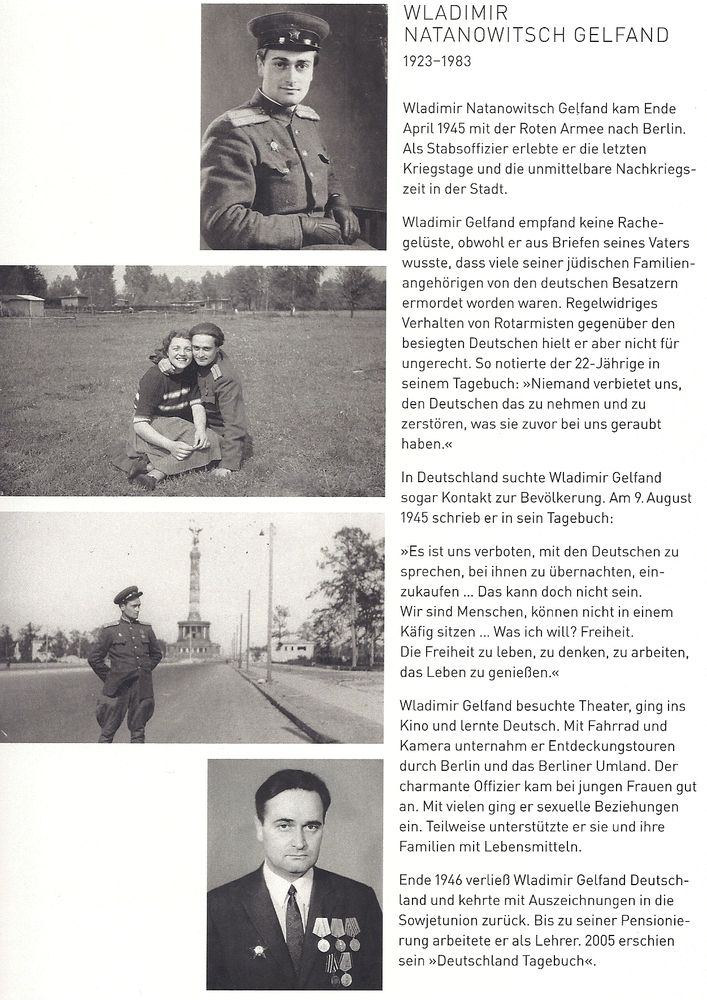
Vladimir Natanovich Gelfand came to Berlin with the Red Army at the end of April 1945. As a staff officer he experienced the final days of the war and the immediate postwar period in the city.
Vladimir Gelfand felt no desire for revenge, although letters from his father had told him that many of his Jewish relatives had been murdered by the German occupiers. Yet he did not consider unlawful behavior by Red Army soldiers toward the defeated Germans to be unjust. The twenty-two-year-old noted in his diary: “Nobody forbids us to take from the Germans and destroy what they previously robbed from us.”
In Germany Vladimir Gelfand even sought contact with the civilian population. On 9 August 1945 he wrote in his diary:
“We are forbidden to speak with the Germans, to stay with them, to buy from them ... That cannot be. We are human beings; we cannot sit in a cage ... What do I want? Freedom. The freedom to live, to think, to work, to enjoy life.”
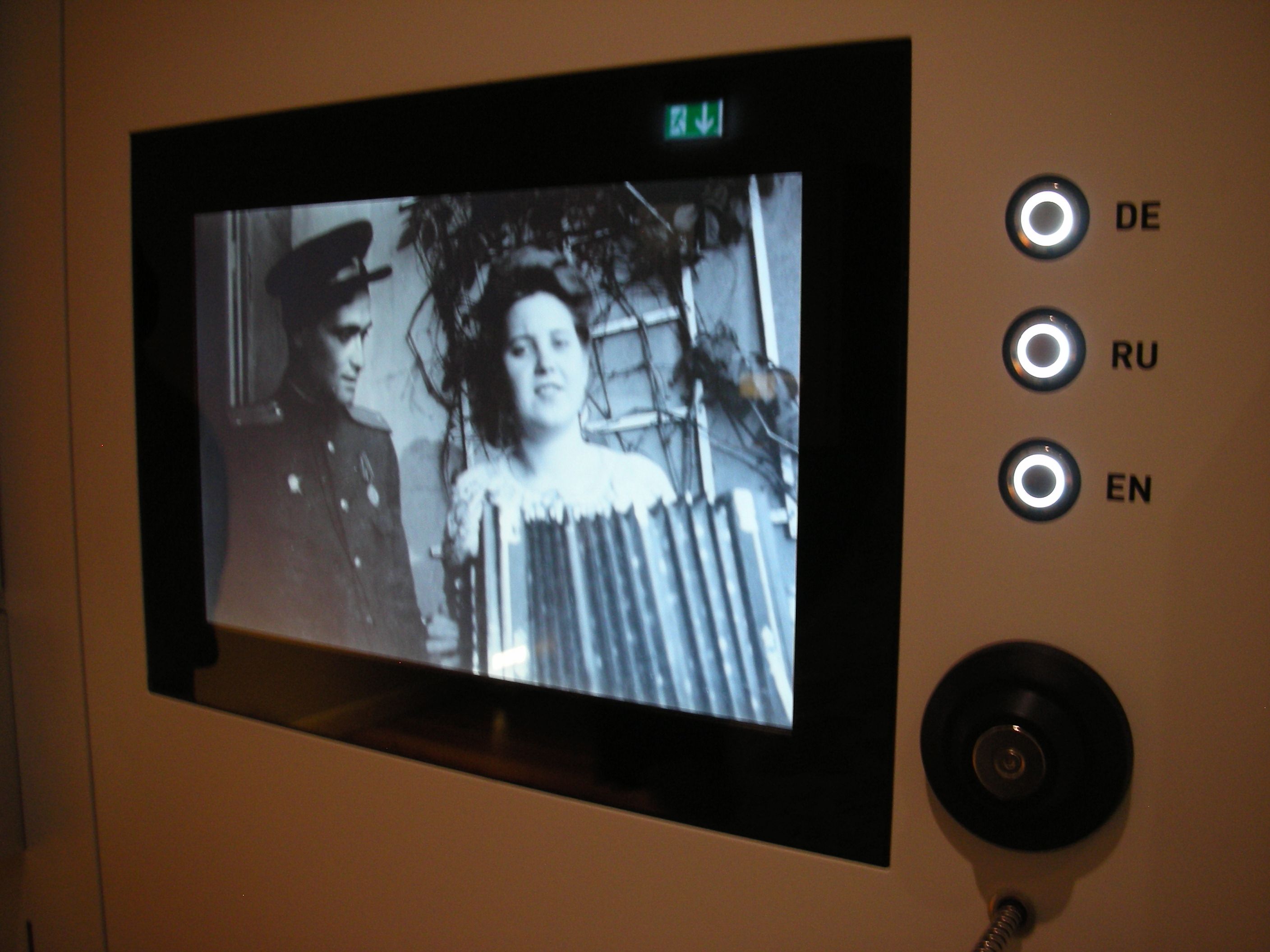
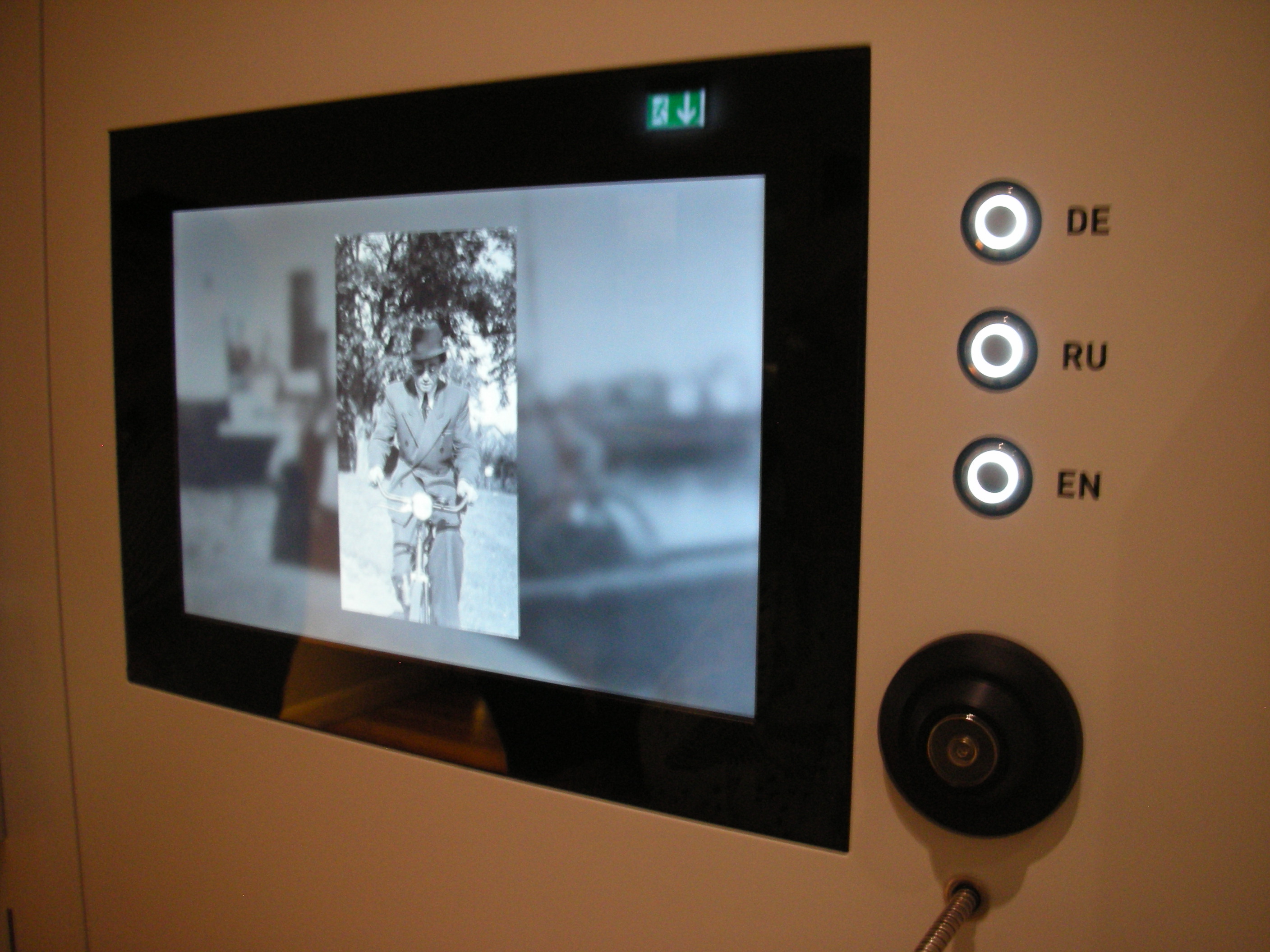
Vladimir Gelfand went to the theater and the cinema and learned German. With a bicycle and camera he made trips of discovery through Berlin and the surrounding countryside. The charming officer was well received by young women. He had sexual relationships with many of them; in some cases he supported them and their families with food.
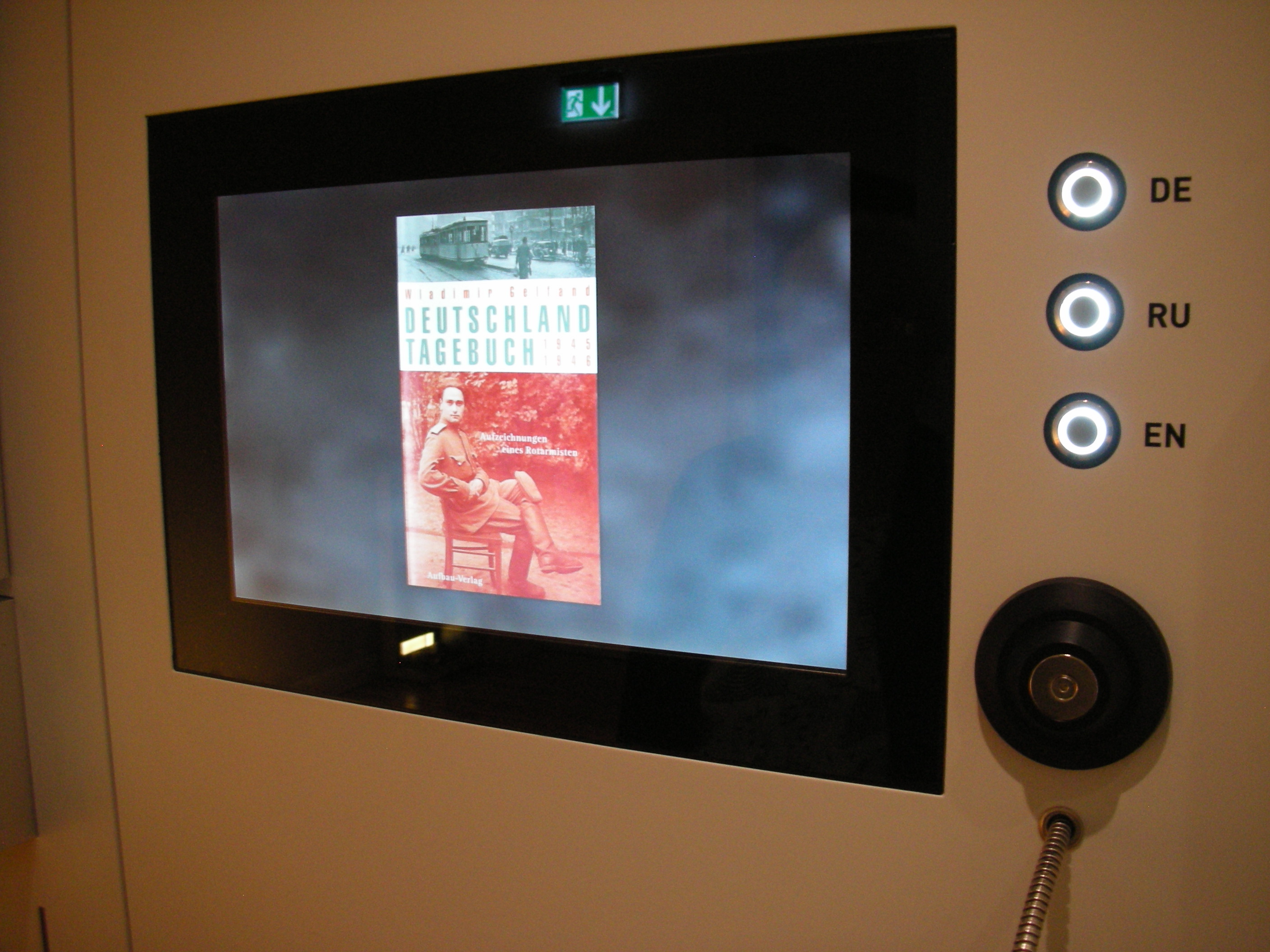
At the end of 1946 Vladimir Gelfand left Germany and returned to the Soviet Union with decorations. Until his retirement he worked as a teacher. In 2005 his Germany Diary was published.


