



La victòria i la misèria: el front oriental a través dels ulls de Vladímir Gelfand |
||
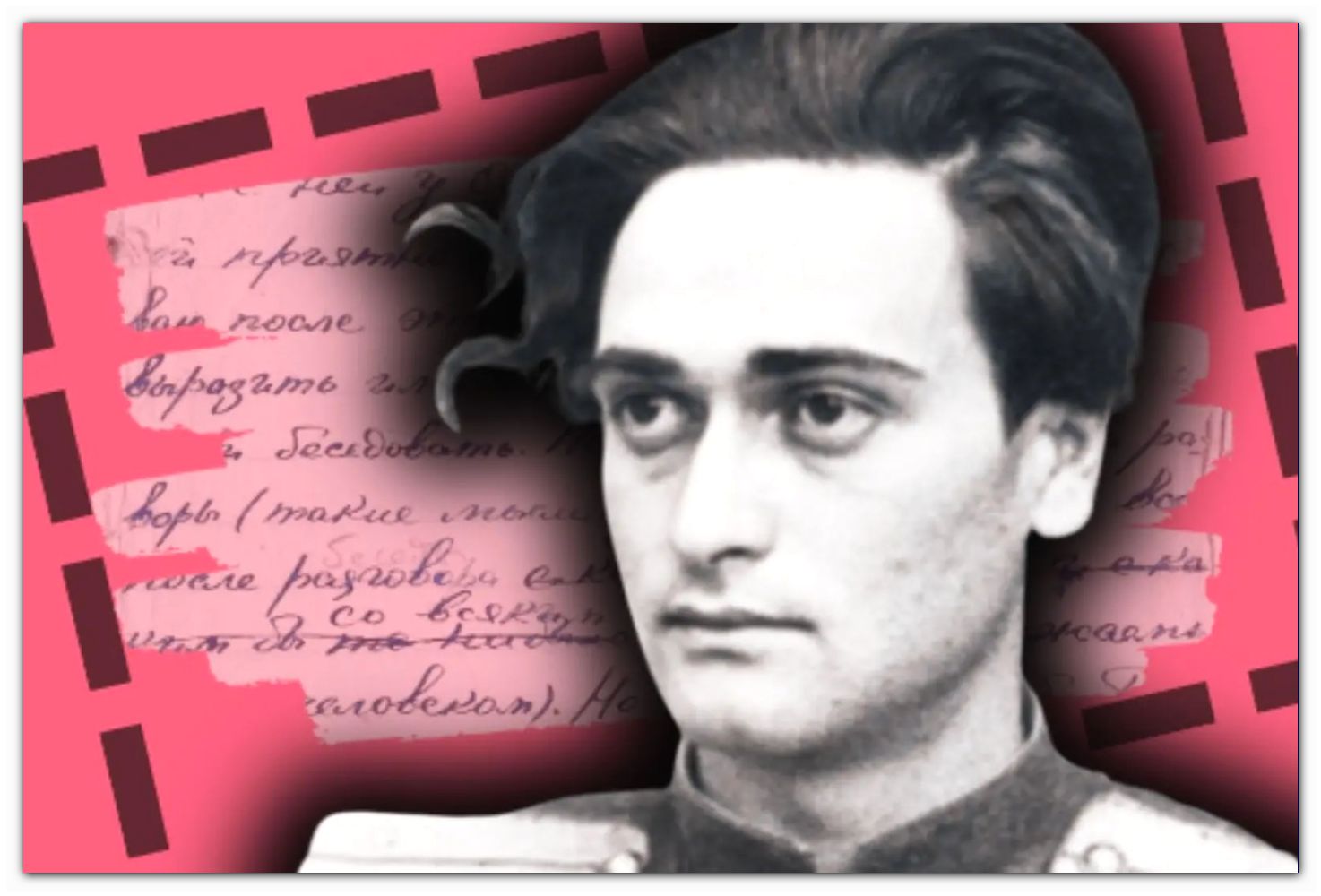 Vladímir
Gelfand no buscava glòria, el seu objectiu era sobreviure i
registrar la veritat amb tinta |
 e-Notícies,
Gelfand.de e-Notícies,
Gelfand.de |
||
|
OPINIÓ |
||
 |
||
| La història de la Gran Guerra Pàtria, tal com va ser canonitzada per la historiografia soviètica posterior a 1945, es va erigir sobre pedestals de marbre i bronze, construint una narrativa monolítica on l’heroisme col·lectiu eclipsava les tribulacions de l’individu. Tanmateix, la veritat històrica, aquesta entitat esmunyedissa que sovint s’amaga en els plecs de les “memòries oficials”, respira amb una cruesa inusitada en els testimonis privats que van escapar a la censura dels comissaris polítics. | ||
| Entre aquests documents, el diari del tinent Vladímir Natànovitx Gelfand sorgeix no com una oda al triomf, sinó com una crònica visceral de la deshumanització. A través de les seves entrades, escrites furtivament sota el foc de morters i la llum vacil·lant d’espelmes en refugis de fusta humida, sacs terrers, olor de podrit i atapeïts de polls, assistim a la deconstrucció del mite del “soldat de bronze” per trobar-nos amb la fragilitat, la vilesa i la tragèdia de l’ésser humà llançat a la maquinària de la guerra total. | ||
 |
||
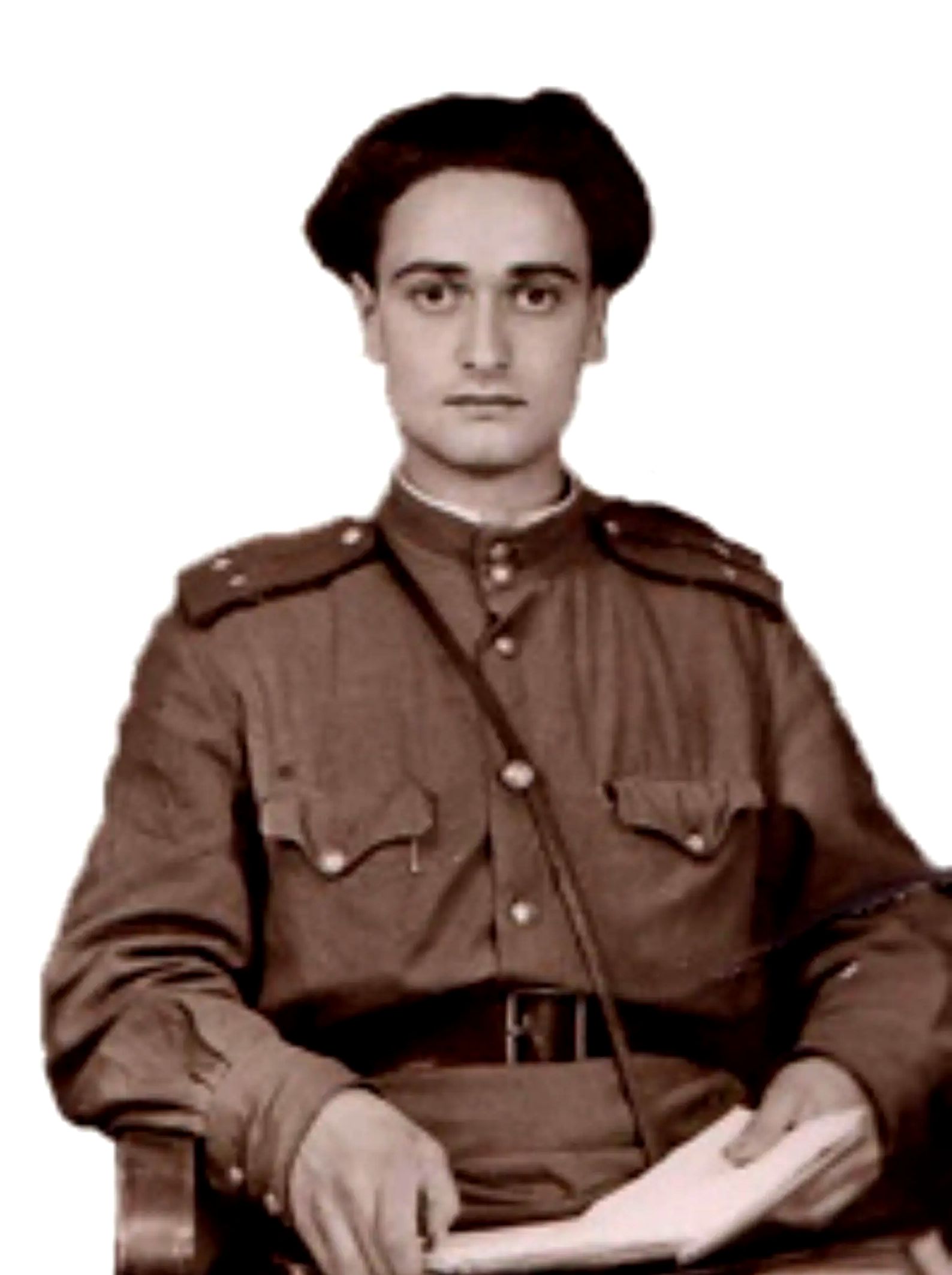
| El
diari del tinent Vladímir Natànovitx Gelfand
sorgeix com
una crònica visceral de la deshumanització | Gelfand.de |
||
| El
testimoni de Gelfand, que abasta des dels dies foscos de les retirades
el 1941 fins a l’ocupació d’Alemanya
fins al 1946,
un any després de la rendició alemanya,
dissecciona les
contradiccions internes de l’Exèrcit Roig. En el
seu diari
s’hi aprecia l’omnipresència
d’un
antisemitisme virulent que corcava les files soviètiques,
desafiant la propaganda estatal de la “germanor dels
pobles”. Gelfand, jueu ucraïnès, es veu obligat a lliurar una guerra en dos fronts: un contra la Wehrmacht i un altre, més insidiós, contra els seus propis companys. Ja el desembre de 1942, relata com la propaganda alemanya intentava explotar aquest prejudici mitjançant fullets que titllaven la guerra d’un conflicte pels interessos jueus, una retòrica que, paradoxalment, trobava ressò a les trinxeres soviètiques. Gelfand documenta amb dolorosa meticulositat els insults rebuts; el terme pejoratiu “kike” (jueu) es converteix en una banda sonora constant, llançada tant per soldats rasos com per oficials superiors. Fins i tot als hospitals de campanya, llocs teòricament consagrats a la misericòrdia, el tinent descriu un ambient tòxic on s’acusava els jueus d’evitar el front, malgrat que ell mateix «vessava la seva sang per la pàtria». |
||
| Aquesta discriminació no era merament verbal; es traduïa en barreres tangibles per a l’ascens i el reconeixement, com evidencia el seu conflicte amb el comandant Popov, que l’humiliava públicament, o les burles del cadet Kruzhilin sobre la suposada covardia semita. La resiliència de Gelfand davant aquest odi intestí, la seva determinació de “lluitar contra aquesta gent amb l’exemple”, afegeix una capa de determinació tràgica. | ||
 |
||
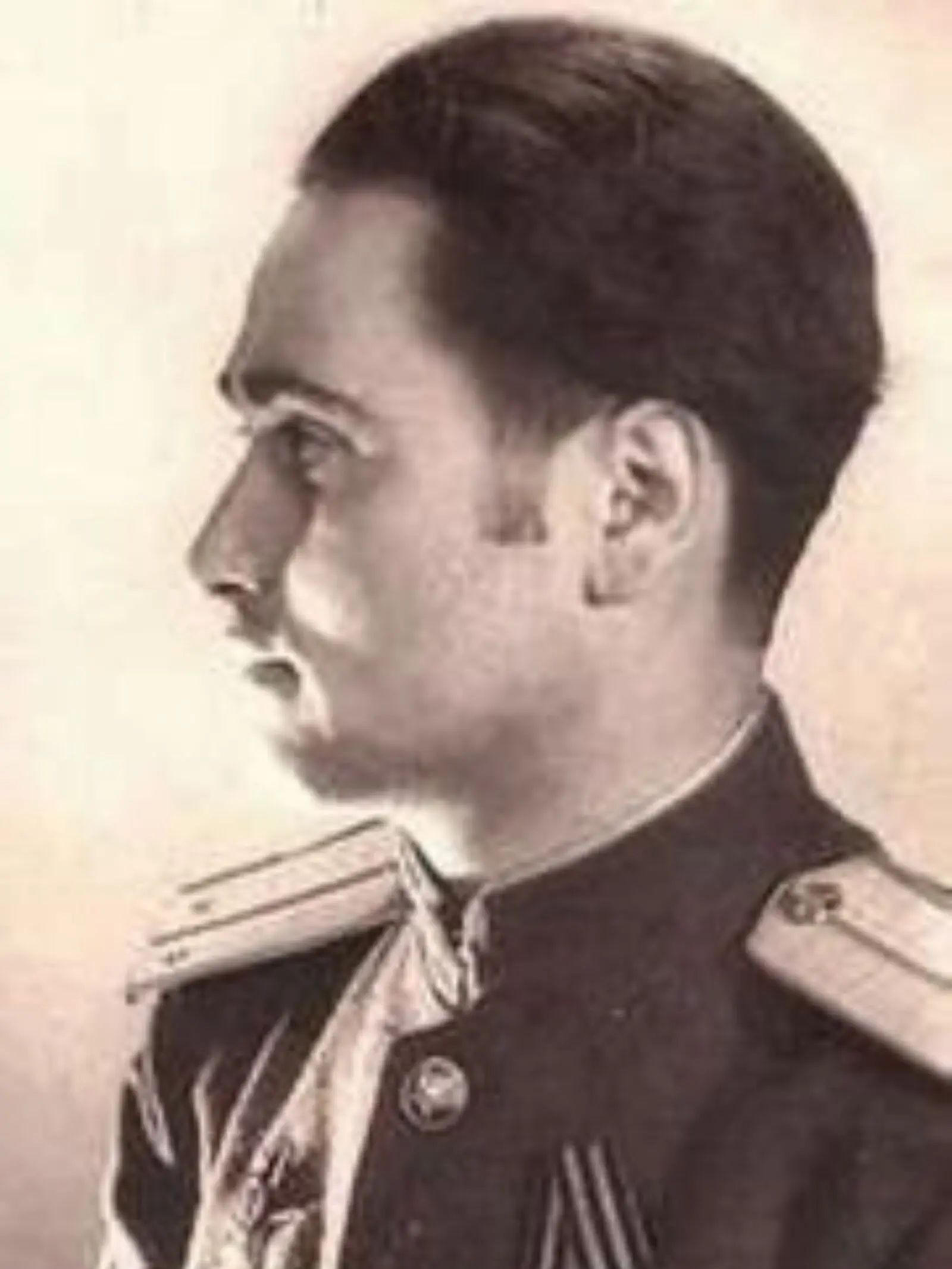
| Gelfand
documenta amb una dolorosa meticulositat els insults rebuts | Gelfand.de |
||
| Més enllà de la qüestió identitària, el diari és un inventari de la misèria logística i moral. La guerra descrita per Gelfand no és una successió d’operacions brillants, maniobres envoltants, impuls operacional o audàcia estratègica, sinó una lluita agònica contra la fam, el fred i la brutícia. La figura del “poll” apareix amb una freqüència obsessiva, símbol biològic de la degradació a què van ser sotmesos els combatents. La logística soviètica es revela en aquestes pàgines com un sistema col·lapsat per la corrupció i la ineficiència. | ||
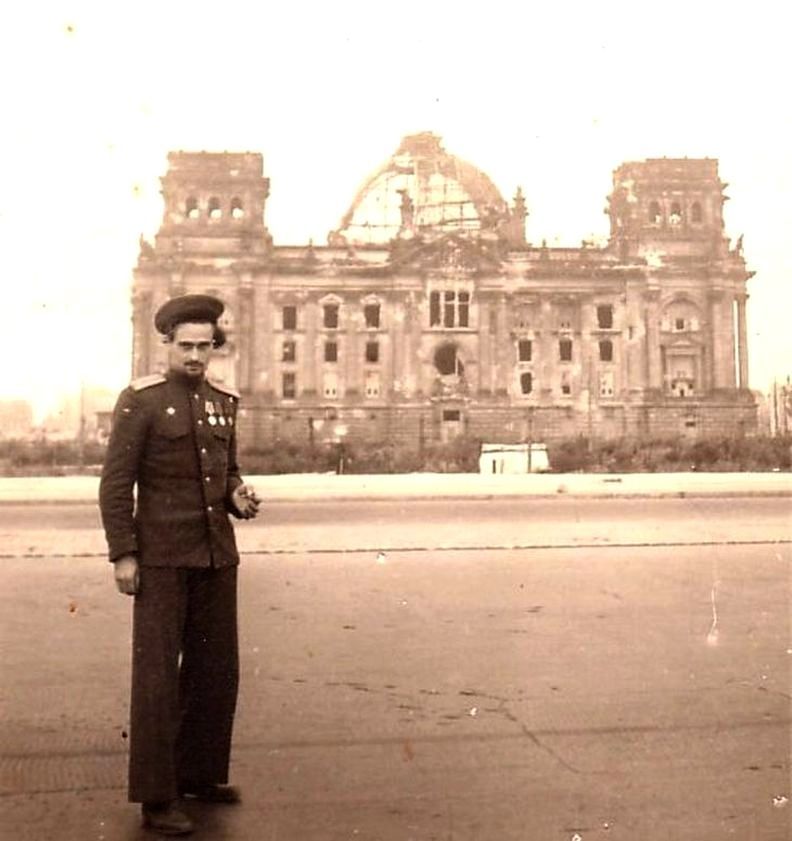
| Gelfand narra episodis de fam atroç on una simple salsitxa o un tros de pa es convertien en objectes de cobdícia i robatori entre companys d’armes. La distribució de subministraments, com les botes o la roba d’abric, estava marcada pel favoritisme i el furt sistemàtic per part de la rereguarda, deixant els soldats al front en condicions deplorables, obligats de vegades a embolicar-se els peus amb draps bruts. La incompetència del comandament és un altre leitmotiv de la seva escriptura; oficials borratxos, covards o simplement ineptes, com el tinent Haustov, que dormia durant les guàrdies posant en perill tota la unitat, són retratats amb una franquesa que li hauria costat a Gelfand un consell de guerra si l’haguessin descobert. La disciplina, lluny de ser fèrria, es mostra trencadissa, mantinguda sovint mitjançant l’amenaça brutal a punta de pistola o dissolta en el caos del combat i la supervivència diària. | ||
| A mesura que l’Exèrcit Roig avança cap a l’oest, creuant la frontera de la Unió Soviètica cap a Polònia i finalment Alemanya, la narrativa de Gelfand adquireix matisos encara més ombrívols, transformant-se en un estudi sobre la venjança i el col·lapse ètic i moral. L’entrada en territori enemic no només va portar la victòria militar, sinó també una explosió de violència desfermada contra la població civil. Gelfand, tot i que ell mateix és víctima de l’odi racial nazi, es converteix en testimoni horroritzat —i de vegades partícip ambivalent— de la conducta dels seus compatriotes. | ||
 |
||
| Gelfand
narra episodis de fam atroz en què una simple salsitxa o un
tros
de pa es convertien en objectes de cobdícia i robatori | Gelfand.de |
||
| Els saquejos es descriuen com una pràctica endèmica; el “trofeu” de guerra, ja fos un rellotge, una bicicleta o roba interior femenina, es va convertir en la moneda de canvi del conqueridor. Però és en la violència sexual on el diari arriba a les seves cotes més pertorbadores. Gelfand no amaga la realitat de les violacions massives i el tracte a les dones alemanyes com a botí de guerra. Descriu amb fredor clínica com els soldats soviètics, embriagats de poder i alcohol, assaltaven dones de totes les edats, un fenomen que ell observa de vegades amb repulsió i d’altres amb una curiositat inquietant, arribant a narrar els seus propis encontres transaccionals on el menjar s’intercanviava per favors sexuals enmig de la devastació. L’octubre de 1945, a la localitat de Kremmen. | ||
| Gelfand es fixa en una noia alemanya anomenada Margot. Per guanyar-se el favor d’ella i de la seva mare, Gelfand recorre al menjar, un bé escàs i valuós en la postguerra. Ell descriu com porta “un pot ple de greix” i suggereix fregir patates per sopar amb elles. Gelfand observa amb cinisme com la mare es mostra “encantada amb els productes”, i assenyala que la “cobdícia” de la dona pel menjar va enverinar els seus sentiments romàntics. |
||
| Tanmateix,
la transacció es completa: després
d’alimentar la
família, Gelfand aconsegueix tenir accés carnal a
Margot.
La seva descripció de l’acte és freda i
deshumanitzadora, assenyalant que ella es va comportar
“obedient
com una cosa” i que ell mateix no en va quedar satisfet.
Sexe,
com a pagament implícit pel greix i les patates que van
permetre
a la família menjar. La seva honestedat, en les
pàgines
del diari, mostra fins a quin punt l’instint dominava la
clemència. |
||
 |
||
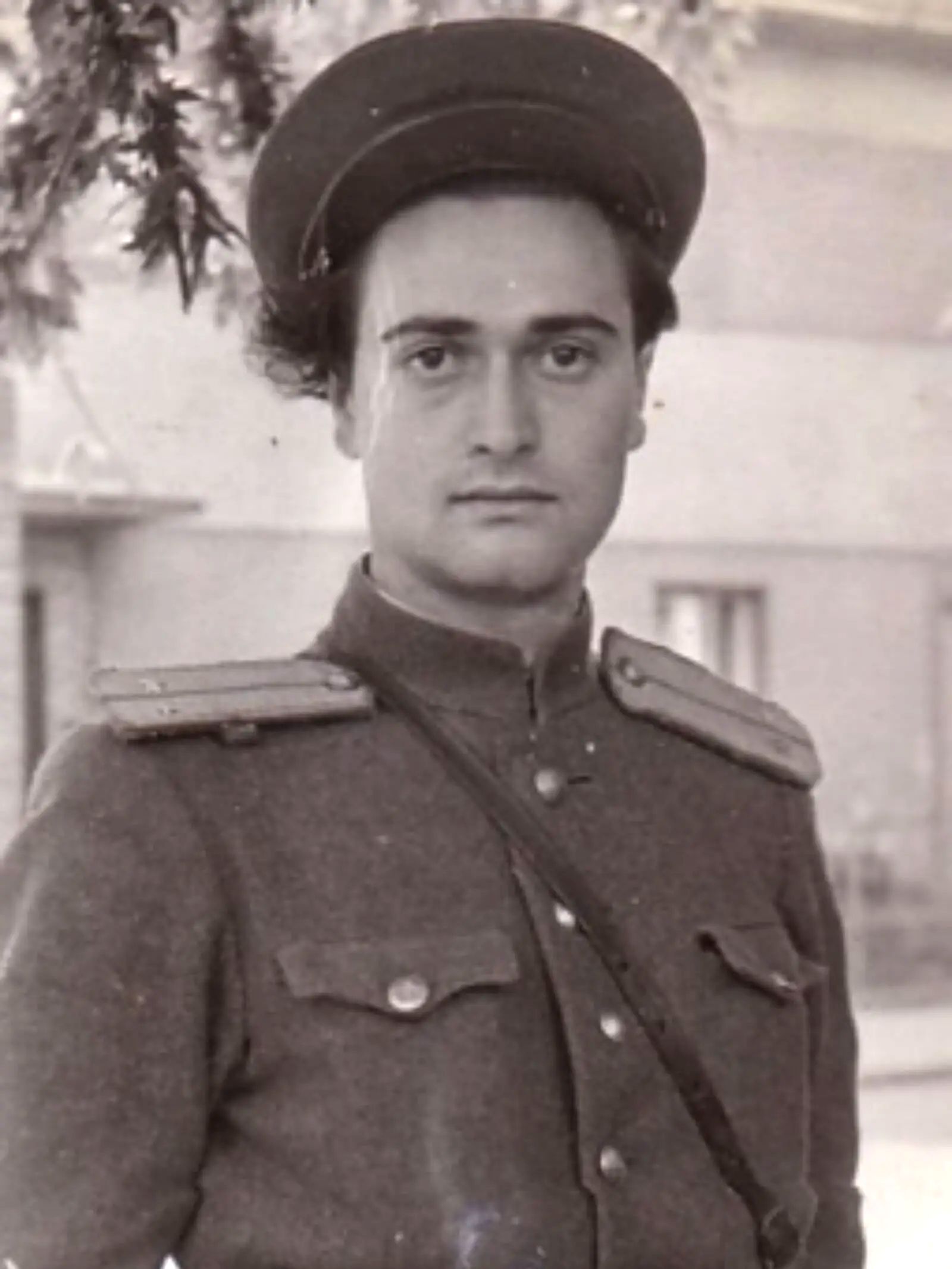
| Els
escrits de Vladímir Gelfand constitueixen un document
d’un
valor incalculable per a la comprensió de la Segona Guerra
Mundial | Gelfand.de |
||
| L’anècdota de la seva visita a una biblioteca saquejada, l’“Acadèmia de Ciències”, on suborna el guarda per robar llibres, il·lustra perfectament l’estranya amalgama de barbàrie i anhel intel·lectual que caracteritzava l’autor. Ell, un aspirant a escriptor titllat de “grafòman” pels seus superiors, busca desesperadament preservar un vestigi de civilització a través de la lectura i l’escriptura, fins i tot mentre participa en l’espoli de la cultura enemiga. | ||
| Des d’una perspectiva historiogràfica, el valor del diari rau també en la seva capacitat per desmentir la imatge d’una resistència soviètica uniformement estoica. Gelfand no s’estalvia detalls sobre la covardia, les desercions i les automutilacions (“autotrets”) per escapar del front, pràctiques que eren castigades amb l’execució sumària davant la tropa per servir d’exemple. La guerra de Gelfand està poblada d’“ànimes mortes”, oficials que existeixen només sobre el paper per cobrar racions, i de comissaris polítics més preocupats per l’ortodòxia ideològica i el saqueig personal que pel benestar dels seus homes. La tensió entre la realitat observada i la “veritat” oficial és palpable. Gelfand intenta repetidament enviar cròniques als diaris del front, buscant convertir-se en corresponsal de guerra, però els seus escrits són rebutjats o ignorats, probablement per mancar del vernís heroic requerit per la maquinària de propaganda estalinista. La seva frustració davant aquest silenciament és la frustració de la realitat mateixa intentant obrir-se pas a través del mite. | ||
 |
||
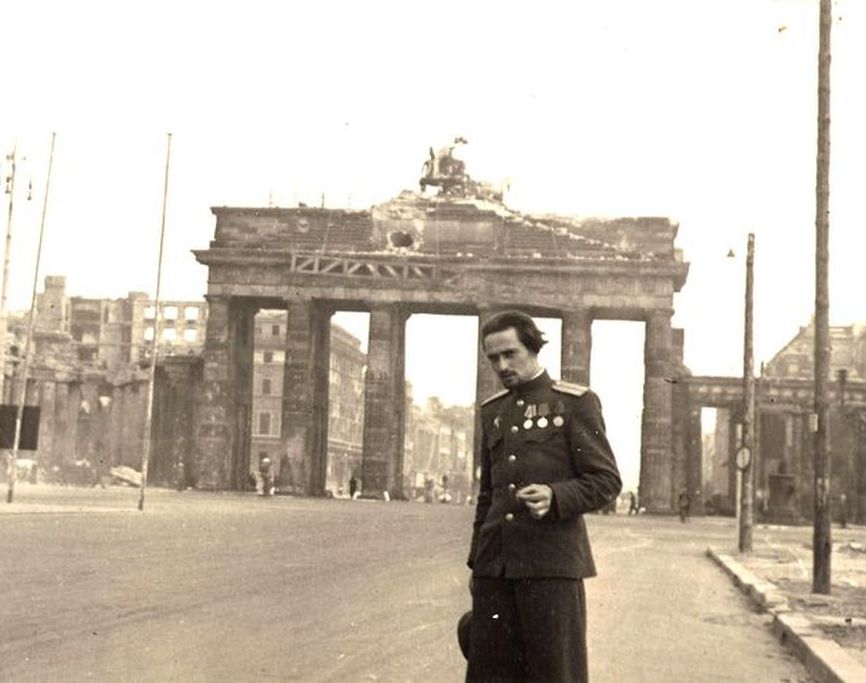
| La
guerra de Gelfand és plena d'"ànimes mortes" | Gelfand.de |
||
| És imperatiu notar l’evolució psicològica de l’autor. El jove idealista que s’indigna per la manca de disciplina el 1942 es transforma progressivament en un veterà cínic i endurit el 1945. Tanmateix, conserva una capacitat d’observació aguda i, de vegades, una sensibilitat incongruent amb el seu entorn. Les seves descripcions del paisatge devastat, dels cadàvers insepults i de les ciutats en ruïnes posseeixen una qualitat literària que transcendeix el mer informe castrense. Alhora, la seva relació amb Alemanya és complexa; hi ha un reconeixement de la superioritat material i cultural de l’enemic —la qualitat de les cases, la infraestructura— que coexisteix amb l’odi ideològic i el desig de retribució. | ||
| En conclusió, els escrits de Vladímir Gelfand constitueixen un document de valor incalculable per a la comprensió de la Segona Guerra Mundial al Front Oriental. Lluny de l’hagiografia soviètica, ens presenten una guerra lliurada per homes fal·libles, turmentats pels seus propis dimonis i prejudicis, immersos en una lluita darwiniana per la supervivència on la línia entre el llibertador i l’opressor sovint es difuminava en la boira de la batalla i el desenfrenament de la victòria. | ||
| El diari és un recordatori acadèmic i moral que la història no l’escriuen només els vencedors als seus despatxos, sinó també els supervivents als seus quaderns tacats de fang, sang i veritat. És, en última instància, un testimoni de la solitud radical de l’individu davant l’aplanadora de la història, una veu que, malgrat els intents de ser silenciada per l’antisemitisme, la censura i la mort, ha aconseguit perdurar per interpel·lar-nos des del passat i donar-nos una visió més encertada de la realitat del front oriental, molt més salvatge que el seu homòleg occidental. | ||
 |
||
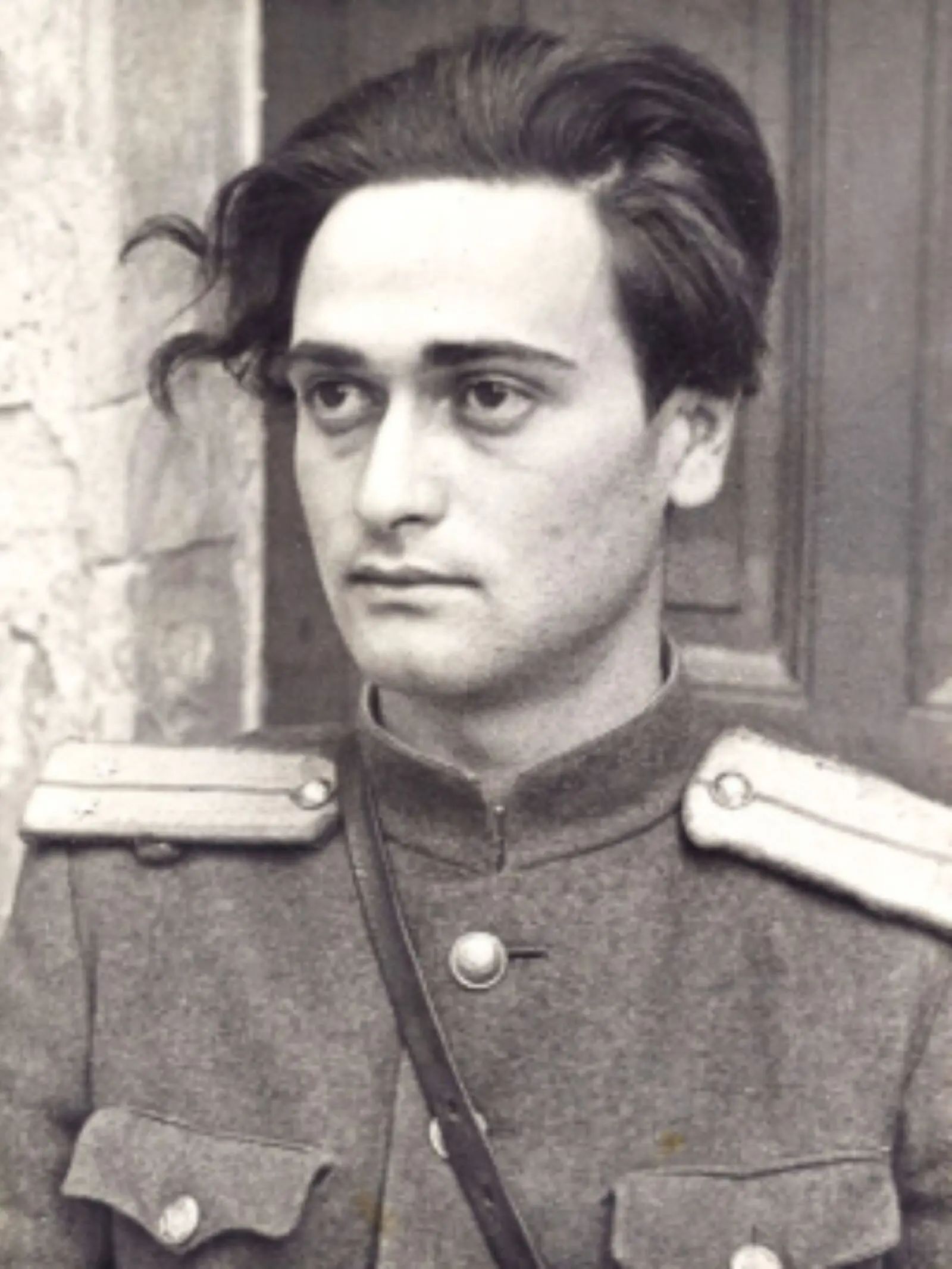
| El
diari és un recordatori acadèmic i moral que la
història no l’escriuen només els
vencedors als seus
despatxos | Gelfand.de |
||
| Que els països on van tenir lloc aquests fets quedessin posteriorment sota l’esfera soviètica va contribuir decididament al fet que aquest tipus de relats fossin minimitzats i poc difosos. | ||
| A Espanya, durant les dècades dels 50 i 60, en el que podem anomenar “literatura del penediment”, hi va haver diversos dels antics membres del Partit Comunista de la guerra civil que van escriure les seves experiències a la Unió Soviètica. Aquests llibres no només no van ser prohibits pel règim, sinó que se’n va facilitar, de forma indirecta, la difusió, perquè el consolidava ideològicament i, en certa manera, ajudava a autojustificar-se, però aquesta és una altra història digna de ser explicada. | ||
 |
||
|
Joaquín Rivera Chamorro és expert en seguretat. Ha cursat el Màster en Pau, Seguretat i Defensa i és doctorant en Seguretat Internacional a la Branca d'Història Militar i de les Relacions Internacionals. És autor de diversos llibres com Crónicas desde el Rif: Las vivencias de los corresponsales de guerra en la Campaña de Melilla de 1909 i Nacionalistas y Militares: Influencia del Pretorianismo y el Militarismo en la evolución de los nacionalismos centrífugos en España entre 1868 y 1936. A més a més, té un canal de YouTube on parla, fonamentalment, d'Història Contemporània. Ha abordat temes relacionats amb la història Nacionalisme Català en totes les seves variants. Actualment, viu a Països Baixos i el pots llegir a E-Notícies cada dimecres. |
||
| Desconocía
la existencia de Vladimir Natanovich Gelfand y su diario.Al ver su foto
me llamaron la atención los ojos,como antes me la
llamó su apellido. Al seguir leyendo,se me confirmó la intuición. Es la misma mirada de Kafka y Ana Frank y de tantos otros,que han sobrellevado la condición de " ser humanos en la ciudad donde no haya hombres",como dijo un Maestro del Talmud. Y qué le pasa a un Judío cuando se ve a sí mismo deshumanizado y tan brutal como los que le rodean? Por los años 90,vi una película Israelí que me impresionó," Andando sobre las aguas".Una escena refleja el " colapso" en el Metro de Berlín del protagonista,cuando se le hace consciente el grado de violencia que se le ha desatado hacia otros,aunque haya sido para defender a unos terceros. Van a experimentar también un muy respetable estrés postraumático los soldados que retornan de la campaña de Gaza? Carmen Arantegui Tamayo |
||
© e-noticies
© Joaquín Rivera Chamorro
Победа и страдания: Восточный фронт глазами Владимира Гельфанда |
||
| Владимир
Гельфанд не стремился к славе; его целью было выжить и запечатлеть
правду чернилами |
e-Notícies,
Gelfand.de |
||
|
Мнение |
||
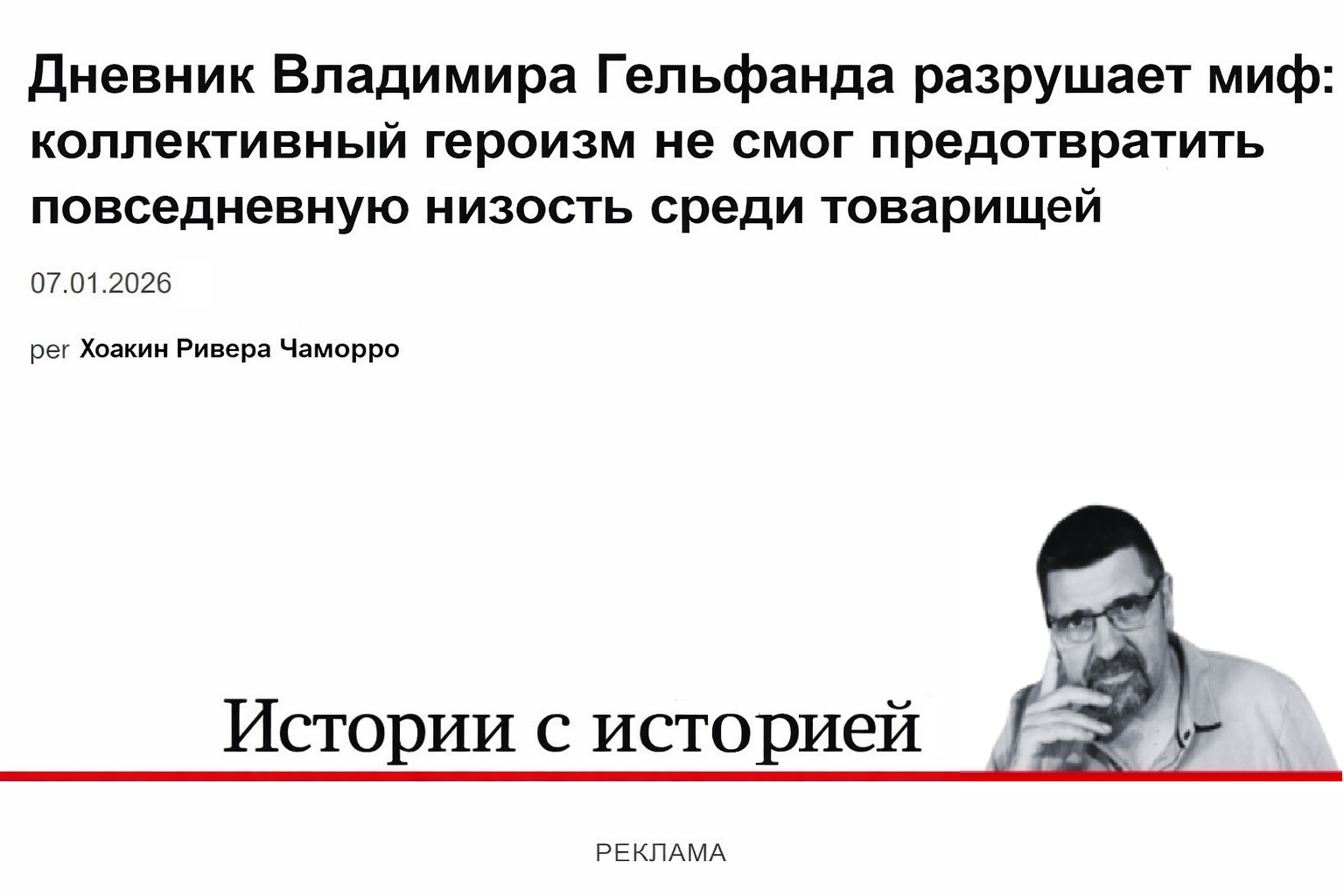 |
||
| История Великой Отечественной войны, канонизированная советской историографией после 1945 года, была возведена на мраморные и бронзовые пьедесталы, создав монолитный нарратив, в котором коллективный героизм затмевал страдания отдельных людей. Однако историческая правда, эта неуловимая сущность, часто скрывающаяся в складках «официальной памяти», с беспрецедентной суровостью дышит в частных свидетельствах, ускользнувших от цензуры политико-военных комиссаров. | ||
| Среди этих документов дневник лейтенанта Владимира Натановича Гельфанда предстает не как ода триумфу, а как хроническая летопись дегуманизации. В своих записях, сделанных тайком под минометным обстрелом и при мерцающем свете свечи в сырых деревянных укрытиях, мешках с песком, запахом гнили и ползающими вшами, мы становимся свидетелями разрушения мифа о «бронзовом солдате» и сталкиваемся с хрупкостью, подлостью и трагедией человека, брошенного в машину тотальной войны. | ||
|
||
| Дневник
лейтенанта Владимира Натановича Гельфанда представляет собой
эмоциональную хронику дегуманизации | Gelfand.de |
||
| Свидетельства
Гельфанда, охватывающие период с мрачных дней отступления 1941 года до
оккупации Германии в 1946 году, через год после капитуляции Германии,
раскрывают внутренние противоречия Красной армии. В его дневнике можно
увидеть повсеместное распространение яростного антисемитизма, который
разъедал советские ряды, бросая вызов государственной пропаганде
«братства народов». Гельфанд, украинский еврей, вынужден вести войну на два фронта: один против вермахта, а другой, более коварный, против своих же товарищей. Уже в декабре 1942 года он рассказывает, как немецкая пропаганда пыталась использовать это предубеждение с помощью листовок, в которых война представлялась как конфликт за интересы евреев, и эта риторика, как ни парадоксально, нашла отклик в советских окопах. Гельфанд с болезненной тщательностью документирует оскорбления, которые он получал; уничижительный термин «жид» (еврей) становится постоянным звуковым сопровождением, бросаемым как рядовыми солдатами, так и старшими офицерами. Даже в полевых госпиталях, местах, теоретически посвященных милосердию, лейтенант описывает ядовитую атмосферу, в которой евреев обвиняли в уклонении от фронта, несмотря на то, что он сам «проливал кровь за родину». |
||
| Эта дискриминация не была чисто словесной; она выражалась в реальных препятствиях для продвижения по службе и признания, о чем свидетельствует его конфликт с командиром Поповым, который публично унизил его, или насмешки курсанта Кружилина над его предполагаемой семитской трусостью. Устойчивость Гельфанда перед лицом этой внутренней ненависти, его решимость «бороться с этими людьми своим примером» добавляют трагическую решимость. | ||
|
||
| Гельфанд
с болезненной тщательностью документирует оскорбления, которые он
получал | Gelfand.de |
||
| Помимо вопроса идентичности, дневник представляет собой перечень логистических и моральных страданий. Война, описанная Гельфандом, — это не череда блестящих операций, окружающих маневров, оперативных импульсов или стратегической смелости, а мучительная борьба с голодом, холодом и грязью. Фигура «опроса» появляется с навязчивой частотой, являясь биологическим символом деградации, которой подвергались комбатанты. На этих страницах советская логистика предстает как система, разрушенная коррупцией и неэффективностью. | ||
| Гельфанд рассказывает об эпизодах ужасного голода, когда простая колбаса или кусок хлеба становились предметом вожделения и краж среди сослуживцев. Распределение снабжения, такого как сапоги или теплая одежда, сопровождалось фаворитизмом и систематическими кражами со стороны тылового эшелона, в результате чего солдаты на фронте оказывались в плачевных условиях, иногда вынужденные обматывать ноги грязными тряпками. Некомпетентность командования — еще одна лейтмотивная тема его произведений; пьяные, трусливые или просто некомпетентные офицеры, такие как лейтенант Хаустов, который спал на дежурстве, подвергая опасности всю часть, изображаются с такой откровенностью, что Гельфанду грозил бы военный трибунал, если бы его записи обнаружили. Дисциплина, далекая от железобетонной, показана как хрупкая, часто поддерживаемая с помощью жестоких угроз оружия или растворяющаяся в хаосе боя и ежедневной борьбы за выживание. | ||
| По мере продвижения Красной армии на Запад, пересечения границы Советского Союза с Польшей и, в конечном итоге, Германией, повествование Гельфанда приобретает еще более мрачные оттенки, превращаясь в исследование мести и этического и морального коллапса. Вторжение на вражескую территорию принесло не только военную победу, но и вызвало взрыв насилия против гражданского населения. Гельфанд, сам будучи жертвой нацистской расовой ненависти, становится ужасающим свидетелем — а порой и неоднозначным участником — поступков своих соотечественников. | ||
|
||
| Гельфанд
рассказывает об эпизодах ужасного голода, когда простая колбаса или
кусок хлеба становились предметом вожделения и краж | Gelfand.de |
||
| Мародерство описывается как повсеместная практика; «трофеи» войны, будь то часы, велосипеды или женское белье, становились валютой завоевателей. Но именно в описании сексуального насилия дневник достигает самых тревожных высот. Гельфанд не скрывает реальность массовых изнасилований и обращения с немецкими женщинами как с военной добычей. Он с клиническим хладнокровием описывает, как советские солдаты, опьяненные властью и алкоголем, насиловали женщин всех возрастов, — явление, которое он иногда наблюдает с отвращением, а иногда с тревожным любопытством, доходя до того, что рассказывает о своих собственных транзакционных встречах, когда в условиях разрухи еда обменивалась на сексуальные услуги. Октябрь 1945 года, город Креммен. | ||
| Гельфанд замечает немецкую девушку по имени Маргот. Чтобы завоевать ее расположение и расположение ее матери, Гельфанд прибегает к еде - дефицитному и ценному товару в послевоенный период. Он описывает, как приносит «банку, полную жира», и предлагает пожарить на нем картошку на ужин. Гельфанд цинично замечает, как мать «восхищается провизией», и отмечает, что «жадность» женщины к еде отравляет его романтические чувства. |
||
| Тем
не менее, сделка завершена: после того, как он накормил семью, Гельфанд
умудряется вступить в плотские отношения с Маргот. Его описание этого
акта холодно и бесчувственно: он отмечает, что она вела себя
«послушно, как предмет», а он сам не получил
удовлетворения. Секс как неявная плата за жир и картошку, которые
позволили семье поесть. Его честность на страницах дневника показывает,
насколько инстинкт доминировал над милосердием. |
||
|
||
| Произведения
Владимира Гельфанда представляют собой бесценный документ для понимания
Второй мировой войны | Gelfand.de |
||
| Анекдот о его посещении разграбленной библиотеки «Академии наук», где он подкупает смотрителя, чтобы украсть книги, прекрасно иллюстрирует странную смесь варварства и интеллектуального стремления, которая характеризовала автора. Он, начинающий писатель, прозванный своими начальниками «графоманом», отчаянно стремится сохранить следы цивилизации через чтение и письмо, даже участвуя в разграблении культуры врага. | ||
| С историографической точки зрения ценность дневника заключается также в том, что он развеивает образ однородного стоического сопротивления Советского Союза. Гельфанд не щадит подробностей о трусости, дезертирстве и самоувечьях («автотретах») с целью бегства с фронта, за которые наказывались суммарной казнью на глазах у солдат в качестве предупреждения для других. Война Гельфанда населена «мёртвыми душами», офицерами, которые существуют только на бумаге, чтобы получать продовольствие, и политкомиссарами, более озабоченными идеологической ортодоксией и личным грабежом, чем благосостоянием своих солдат. Напряжение между наблюдаемой реальностью и официальной «правдой» ощутимо. Гельфанд неоднократно пытается отправить депеши в фронтовые газеты, надеясь стать военным корреспондентом, но его статьи отклоняются или игнорируются, вероятно, из-за отсутствия героического ореола, требуемого сталинской пропагандистской машиной. Его разочарование от этого замалчивания — это разочарование самой реальности, пытающейся прорвать миф. | ||
|
||
| Война
Гельфанда полна «мертвых душ» | Gelfand.de |
||
| Необходимо отметить психологическую эволюцию автора. Молодой идеалист, возмущенный отсутствием дисциплины в 1942 году, к 1945 году постепенно превращается в циничного, закаленного ветерана. Тем не менее, он сохраняет острую наблюдательность и, порой, чувствительность, несовместимую с его окружением. Его описания опустошенного ландшафта, непогребенных трупов и разрушенных городов обладают литературным качеством, выходящим за рамки простого военного отчета. В то же время его отношение к Германии сложное: он признает материальное и культурное превосходство врага — качество домов, инфраструктуру — которое сосуществует с идеологической ненавистью и желанием возмездия. | ||
| В заключение, можно сказать, что произведения Владимира Гельфанда представляют собой бесценный документ для понимания Второй мировой войны на Восточном фронте. Далекие от советской агиографии, они представляют войну, в которой сражались несовершенные люди, мучимые собственными демонами и предрассудками, погруженные в дарвиновскую борьбу за выживание, где грань между освободителем и угнетателем часто стиралась в тумане сражения и безудержной эйфории победы. | ||
| Дневник является академическим и моральным напоминанием о том, что историю пишут не только победители в своих кабинетах, но и выжившие в своих записных книжках, испачканных грязью, кровью и правдой. В конечном счете, это свидетельство радикального одиночества личности перед лицом бульдозера, сравнивающего всю историю с землей, голос, который, несмотря на попытки заставить его замолчать с помощью антисемитизма, цензуры и смерти, сумел выстоять, обращаясь к нам из прошлого и давая нам более точное представление о реальности Восточного фронта, гораздо более жестокого, чем его западный аналог. | ||
|
||
| Дневник
является академическим и моральным напоминанием о том, что история
пишется не только победителями в их кабинетах | Gelfand.de |
||
| Тот факт, что страны, в которых произошли эти события, впоследствии попали в сферу влияния Советского Союза, решительно способствовал тому, что подобные рассказы были преуменьшены и мало освещались в прессе. | ||
| В Испании в 1950-х и 1960-х годах в так называемой «литературе покаяния» несколько бывших членов Коммунистической партии, участвовавших в Гражданской войне в Испании, писали о своих переживаниях в Советском Союзе. Эти книги не только не были запрещены режимом, но их распространение было косвенно облегчено, поскольку они идеологически укрепляли его и, в некотором смысле, помогали ему оправдывать себя, но это уже другая история, которую стоит рассказать. | ||
| |
||
|
Joaquín Rivera Chamorro является экспертом в области безопасности. Он прошел курс Магистр в области мира, безопасности и обороны и является аспирантом по международной безопасности на кафедре военной истории и международных отношений. Он является автором нескольких книг, таких как Хроники из Рифа: опыт военных корреспондентов в кампании 1909 года в Мелилье и Националисты и военные: влияние преторианства и милитаризма на эволюцию центробежных национализмов в Испании в период с 1868 по 1936 год. Кроме того, он имеет canal de YouTube где пишет в основном о современной истории. Он затрагивает темы, связанные с историей каталонского национализма во всех его проявлениях. В настоящее время он живет в Нидерландах, и его статьи можно читать в E-Notícies каждую среду. |
||
| Я
не знал о существовании Владимира Гельфанда и его дневника. Увидев его
фотографию, мое внимание привлекли его глаза, как и раньше привлекла
меня его фамилия. Продолжая читать, я убедился в своей интуиции. Это тот же взгляд, что у Кафки, Анны Франк и многих других, которые пережили состояние «бытия человеком в городе, где нет людей», как сказал один учитель Талмуда. И что происходит с евреем, когда он видит себя дегуманизированным и таким же жестоким, как окружающие его люди? В 90-е годы я посмотрел израильский фильм, который произвел на меня большое впечатление, «Ходя по воде». Одна сцена отражает «срыв» главного героя в берлинском метро, когда он осознает степень насилия, которое он совершил по отношению к другим, хотя и для защиты третьих лиц. Будут ли солдаты, возвращающиеся из Газы, испытывать очень сильный посттравматический стресс? Carmen Arantegui Tamayo |
||

Victory and Misery: the Eastern Front Through the Eyes of Vladimir GelfandJoaquín Rivera Chamorro is a security specialist. He completed a Master's degree in Peace, Security and Defense and is a doctoral candidate in International Security in the field of Military History and International Relations. He is the author of books including Chronicles from the Rif: The Experiences of War Correspondents in the Melilla Campaign of 1909 and Nationalists and the Military: The Influence of Praetorianism and Militarism on the Development of Centrifugal Nationalisms in Spain between 1868 and 1936. He also runs a YouTube channel devoted mainly to contemporary history and has addressed the history of Catalan nationalism in its different forms. He currently lives in the Netherlands and can be read in E-Notícies every Wednesday. Vladimir Gelfand did not seek glory; his goal was to survive and record the truth in ink. | E-Notícies, Gelfand.de The history of the Great Patriotic War, as canonized by Soviet historiography after 1945, was erected on pedestals of marble and bronze, constructing a monolithic narrative in which collective heroism eclipsed the tribulations of the individual. Historical truth, however - that elusive entity so often hidden in the folds of "official memory" - breathes with unusual rawness in private testimonies that escaped the censorship of political commissars. Among those documents, the diary of Lieutenant Vladimir Natanovich Gelfand appears not as an ode to triumph but as a visceral chronicle of dehumanization. Through entries written furtively under mortar fire and by the flickering light of candles in damp wooden shelters, among sandbags, the smell of rot and swarms of lice, we watch the myth of the "bronze soldier" come apart and encounter instead the fragility, baseness and tragedy of a human being thrown into the machinery of total war. The diary of Lieutenant Vladimir Natanovich Gelfand emerges as a visceral chronicle of dehumanization. | Gelfand.de Gelfand's testimony, stretching from the dark days of the 1941 retreats to the occupation of Germany through 1946, a year after the German surrender, dissects the internal contradictions of the Red Army. His diary reveals the omnipresence of virulent antisemitism eating away at Soviet ranks, in open contradiction to state propaganda about the "brotherhood of peoples." Gelfand, a Ukrainian Jew, is forced to fight a war on two fronts: one against the Wehrmacht and another, more insidious one, against his own comrades. As early as December 1942 he records how German propaganda tried to exploit this prejudice through leaflets describing the war as a conflict fought for Jewish interests - rhetoric that, paradoxically, found an echo in Soviet trenches. Gelfand documents the insults he received with painful precision. The antisemitic slur "kike" becomes a constant soundtrack, thrown at him by ordinary soldiers and senior officers alike. Even field hospitals, theoretically places devoted to mercy, are described as toxic environments in which Jews were accused of avoiding the front, although he himself was "shedding his blood for the motherland." The discrimination was not merely verbal. It created real barriers to promotion and recognition, as shown by his conflict with Commander Popov, who humiliated him publicly, and the mockery by cadet Kruzhilin about supposed Jewish cowardice. Gelfand's resilience in the face of this hatred, and his determination to "fight these people by setting an example," add another layer of tragic determination. Gelfand records the insults he received with painful meticulousness. | Gelfand.de Beyond the question of identity, the diary is an inventory of logistical and moral misery. The war Gelfand describes is not a succession of brilliant operations, enveloping maneuvers, operational momentum or strategic audacity, but an agonizing struggle against hunger, cold and dirt. Lice appear with obsessive frequency, a biological symbol of the degradation to which combatants were subjected. Soviet logistics emerges from these pages as a system collapsing under corruption and inefficiency. Gelfand recounts episodes of terrible hunger in which a simple sausage or a piece of bread became an object of greed and theft among comrades in arms. The distribution of supplies such as boots and warm clothing was marked by favoritism and systematic theft in the rear, leaving frontline soldiers in miserable conditions, sometimes forced to wrap their feet in dirty rags. Command incompetence is another recurring motif: drunken, cowardly or simply inept officers - such as Lieutenant Khaustov, who slept during guard duty and endangered the entire unit - are portrayed with a frankness that would have brought Gelfand before a court-martial had the diary been discovered. Discipline, far from being ironclad, appears brittle, maintained at times by brutal threats at gunpoint and at other times dissolving into the chaos of combat and daily survival. As the Red Army moved west, crossing the Soviet border into Poland and finally Germany, Gelfand's narrative became even darker, turning into a study of revenge and ethical and moral collapse. Entering enemy territory brought not only military victory but also an explosion of violence against civilians. Gelfand, himself a victim of Nazi racial hatred, became a horrified witness - and at times an ambivalent participant - in the behavior of his compatriots. Gelfand recounts episodes of acute hunger in which a simple sausage or piece of bread became an object of greed and theft. | Gelfand.de Looting is described as endemic. A war "trophy" - a watch, a bicycle or women's underwear - became a form of currency for the conqueror. But it is in the discussion of sexual violence that the diary reaches its most disturbing passages. Gelfand does not conceal the reality of mass rape or the treatment of German women as war booty. He describes Soviet soldiers, intoxicated by power and alcohol, attacking women of all ages. At times he observes with disgust; at others with unsettling curiosity. He also narrates his own transactional encounters, in which food was exchanged for sexual favors amid devastation. In October 1945, in the town of Kremmen, Gelfand became interested in a German girl named Margot. To win the favor of the girl and her mother, he used food, which was scarce and precious in the postwar period. He describes bringing "a jar full of fat" and suggesting that they fry potatoes for dinner. Cynically, he notes that the mother was "delighted with the provisions" and writes that her "greed" for food poisoned his romantic feelings. The transaction nevertheless went ahead. After feeding the family, Gelfand obtained sexual access to Margot. His description is cold and dehumanizing: he says she behaved "obediently, like a thing," while he himself was not satisfied. Sex appears as an implicit payment for the fat and potatoes that allowed the family to eat. The diary's honesty shows, in the author's interpretation, the extent to which instinct had overwhelmed mercy. Vladimir Gelfand's writings are an invaluable document for understanding the Second World War. | Gelfand.de The episode of his visit to a looted library, the "Academy of Sciences," where he bribed a guard in order to steal books, perfectly illustrates the strange mixture of barbarism and intellectual longing that characterized him. An aspiring writer whom his superiors called a "graphomaniac," he desperately sought to preserve a remnant of civilization through reading and writing even while taking part in the plunder of the enemy's culture. From a historiographical perspective, the diary is also valuable because it challenges the image of uniformly stoic Soviet resistance. Gelfand does not spare details about cowardice, desertion and self-inflicted wounds used to escape the front, practices punished by summary execution in front of the troops as an example. His war is populated by "dead souls," officers who exist only on paper so that someone can collect their rations, and by political commissars more concerned with ideological orthodoxy and personal looting than with the welfare of their men. The tension between observed reality and official "truth" is palpable. Gelfand repeatedly tried to send chronicles to frontline newspapers, hoping to become a war correspondent, but his texts were rejected or ignored, probably because they lacked the heroic polish demanded by the Stalinist propaganda machine. His frustration at being silenced becomes, in the article's formulation, the frustration of reality itself trying to break through the myth. Gelfand's war is full of "dead souls." | Gelfand.de The author's psychological evolution is equally important. The young idealist angered by lack of discipline in 1942 gradually becomes a cynical and hardened veteran by 1945. Yet he preserves a sharp power of observation and at times a sensitivity strikingly out of place in his surroundings. His descriptions of devastated landscapes, unburied corpses and ruined cities have a literary quality that goes beyond a mere military report. His relationship with Germany is complex as well. He recognizes the enemy's material and cultural superiority - the quality of houses and infrastructure - while simultaneously carrying ideological hatred and a desire for retribution. In conclusion, Vladimir Gelfand's writings are an invaluable document for understanding the Second World War on the Eastern Front. Far from Soviet hagiography, they present a war fought by fallible men, tormented by their own demons and prejudices and immersed in a Darwinian struggle for survival, where the boundary between liberator and oppressor was often blurred by the fog of battle and the excesses of victory. The diary is an academic and moral reminder that history is not written only by victors at their desks. | Gelfand.de The diary is an academic and moral reminder that history is not written only by victors in their offices, but also by survivors in notebooks stained with mud, blood and truth. Ultimately it is a testimony to the radical loneliness of the individual before the steamroller of history: a voice that, despite attempts to silence it through antisemitism, censorship and death, survived to address us from the past and offer a more accurate view of the Eastern Front, far more savage than its western counterpart. The fact that the countries where these events took place later fell within the Soviet sphere decisively contributed to the minimization and limited circulation of this kind of testimony. In Spain during the 1950s and 1960s, in what might be called a "literature of repentance," a number of former members of the Communist Party from the Civil War wrote about their experiences in the Soviet Union. Their books were not only not banned by the regime; their circulation was indirectly facilitated because they reinforced it ideologically and, to some extent, helped it justify itself. But that is another story worth telling. Reader comment — Carmen Arantegui Tamayo"I did not know of the existence of Vladimir Natanovich Gelfand and his diary. When I saw his photograph, his eyes caught my attention, just as his surname had. As I kept reading, my intuition was confirmed. It is the same gaze as Kafka's and Anne Frank's, and of so many others who bore the condition of 'being human in a city where there are no men,' as a teacher of the Talmud said. And what happens to a Jew when he sees himself becoming dehumanized and as brutal as those around him? "In the 1990s I saw an Israeli film that impressed me, Walk on Water. One scene shows the protagonist's 'collapse' in the Berlin U-Bahn when he becomes conscious of the degree of violence that has been unleashed in him against others, even though it was used to defend third parties. Will the soldiers returning from the Gaza campaign also experience a very serious post-traumatic stress?"
© E-Notícies · © Joaquín Rivera Chamorro |