



 |
| Одесситы - единственные в СССР - устроили самосуд в 1944 году | ||
| Ilya Valiev 6 Februar 2023 |
||
| |
||
| Многим
кажется, что одесситы - абсолютно мирные и очень юморные люди. Которых
больше заботят собственные проблемы, финансы, берег моря, а вовсе не
глобальные проблемы и потрясения. |
||
 |
||
| Наверное, они самые мирные
во всей
Украине. Так складывалось исторически, ведь, например, еще сто с лишним
лет назад пацифистская еврейская община насчитывала в Одессе аж 125
тысяч человек. Но сейчас Одесса - другая. Один миллион жителей ждет нас. Чтобы расквитаться за 2 мая 2014-го, за пытки и убийства, за террор и мины, за всех, кому не давали вспоминать Великую победу 1945-го. И мы обязательно придем - по крайней мере такой сигнал 22 апреля дало наше Министерство обороны. |
||
 |
||
| А
когда придем, даже страшно представить, что будет с теми, кто хоть
как-то причастен к иезуитской казни в Доме профсоюзов. Ведь именно
Одесса - из всех городов СССР - единственная, кто устроила самосуд по
отношению к румынским, фашистским, бандеровским палачам и полицаям.
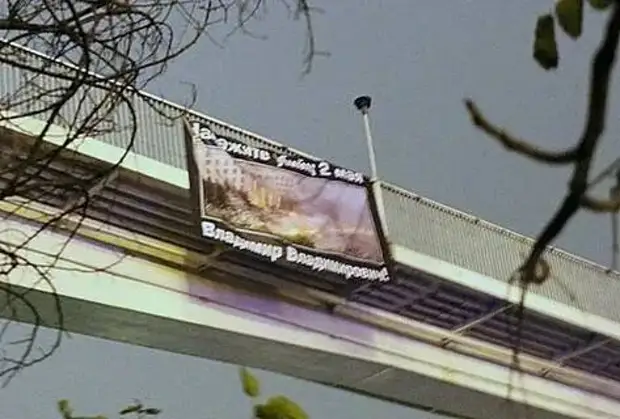
Висели они повсюду - все! Пачками. Суды и публичные казни в Харькове, Николаеве, Киеве, Полтаве, Донецке (Сталино) - конечно же, были. Но самосуд - только в Одессе. А чтобы понять нынешний настрой одесситов, посмотрите какие там плакаты умудряются вывешивать сейчас - при нынешней власти карателей, которые стреляют без предупреждений. |
||
 |
||
 |
||
| А вот это фото, пусть и не политкорректное, но - очень многое говорящее. Билборд в городе вывесили серьезные брутальные одесские мужчины, обращаясь конкретно к нацбатовцам, взрывающим после себя вся и все, включая мосты и ж/д полотна: | ||
 |
||
| А
отдельно украинским националистам объяснили, что на постройку печально
известного долгостроя Одесской области - того самого моста - люди
собирали «всем миром». Мост этот начали возводить
еще в
2008-м году, а до этого выехать из Одессы или въехать в него было самой
настоящей проблемой. |
||
 |
||
| По
слухам, строительство этого моста через Хаджибейский лиман
софинансировала местная мафия, зарабатывающая миллиарды на контрабанде,
а также криминальные зернотрейдеры, контролирующие экспорт пшеницы. Это
именно они по своим каналам объяснили кое-кому из ВСУ, чтобы с тротилом
сюда даже и не совались: «Вычислим». Ну, а теперь вспомним, что сделали в "жемчужине Черного моря" с нацистами в 1944-м . Почему был устроен такой самосуд. Причем вопрос с оккупантами был «закрыт» ещё до того, как в Одессу вошли части генерала Малиновского и НКВД. |
||
 |
||
| Одесса
почти три года провела под властью фашистской Румынии. В начале 1944 года, когда к городу приблизилась линия фронта, контроль над Одессой полностью взяли немцы. 9 апреля 1944 года войска 3-го Украинского фронта начали штурм «южной Пальмиры», и в итоге 304-я пехотная дивизия вермахта предпочла отступить за Днестр. |
||
 |
||
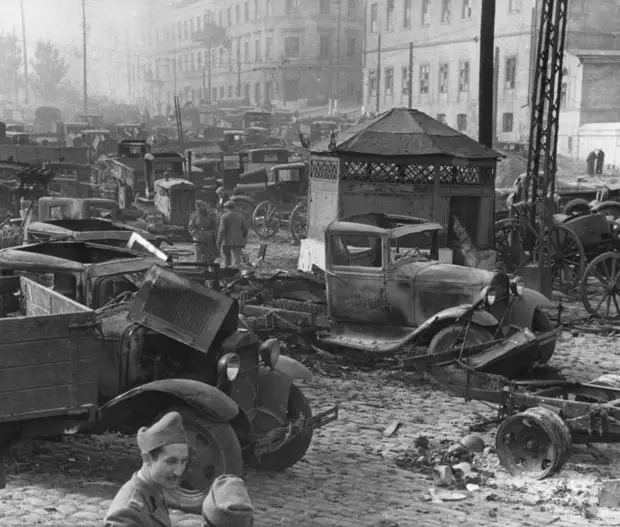
| В
ночь на 10 апреля фашисты в спешке покидали Одессу. Вместе с немцами и
румынами эвакуировалось немало их украинских пособников. Однако уехать,
разумеется, смогли не все. Красная Армия на целые сутки перекрыла
город, чтобы никто не смог его покинуть. Пока в Одессу не вошли части
НКВД, одесситы сами и вершили суд над оккупантами и предателями. Поводов для мести было немало. Уходя, немцы и румыны разграбили Археологический музей, уничтожили промышленные предприятия, вывезли библиотеки, оборудование больниц и клиник. В порту были взорваны постройки, а одесскую бухту оккупанты захламили затопленными кораблями. Но главная причина самосуда, конечно же, заключалась в другом. Несмотря на более «свободные» порядки по сравнению с территориями, оккупированными немцами, в Одессе царил разгул террора. Особенно пострадало еврейское население, не успевшее эвакуироваться в 1941 году. Одно из самых страшных событий Холокоста произошло в лагере при совхозе Богдановка, где было расстреляно 54 тысячи человек. Не «дремала» и сигуранца – «румынское гестапо». За годы оккупации она уничтожила 10 тысяч человек, заподозренных в связях с партизанами и коммунистами. Согласно воспоминаниям маршала Родиона Малиновского, буквально за день до бегства, 9 апреля, немцы устроили массовую казнь одесситов в глиняном карьере. Под пулями врага падали старики, женщины и дети. В этой бойне погибли 400 человек, в том числе 30 детей. О том, как именно происходила расправа над оккупантами и предателями, сведений немного. Оно и понятно – с правовой точки зрения самосуд на освобождённых территориях попадал в «серую зону». Возможно, что советские правоохранители намеренно допустили подобный период, чтобы облегчить себе работу. Согласно распространённой версии, на главной площади Одессы были установлены сотни виселиц. Пособников врага, предположительно, «вздёрнули» на скорую руку, после чего орудия казни убрали. Любопытное свидетельство о правосудии в Одессе оставил советский лейтенант Владимир Гельфанд. В его дневниковой записи от 12 апреля 1944 года ничего не сказано о событиях на главной площади. Зато Гельфанд своими глазами видел машину-виселицу на улице Тираспольской. Одесситы собрались около неё, чтобы поглядеть на казнь «трёх мерзавцев» – двух румын и одного русского, которые бесчинствовали в селе Анатольевка под Одессой. Над ними формально всё же был совершён «суд». «Один из румын был сильно расстроен и еле держался на ногах от предчувствия смерти, – писал Гельфанд. – Два других гада ничем не выдавали своих чувств, и глаза их смотрели безразлично в толпу. Я подошел ближе и выслушал приговор. Потом отъехала машина, они стянулись с борта и повисли в воздухе. Средний, безразличный румын, забился ненадолго в судороге, и всё кончилось. Два других даже не шевельнулись – в агонии они были слабее среднего». Чуть позже на остывшие трупы были наброшены таблички с указанием вины казнённых. Ещё одного повешенного румына Гельфанд видел поблизости от сожжённого одесского вокзала. Как было указано, оккупант понёс кару «за насильничанье и расстрелы мирных граждан». При этом известен Кишинёвский судебный процесс, проходивший с 6 по 13 декабря 1947 года. Подсудимые – трое немцев и семь румын. Во время войны они зверствовали в Одессе и были причастны к убийствам одесских евреев. Поскольку смертной казни в СССР в тот период не существовало, изверги отделались тюремными сроками. |
||
 |
||
| Вот
и сейчас всех их - кто устроил бойню в Доме профсоюзов, во главе с
Гончаренко, ждут обычные тюремные сроки. Такое у нас законодательство.
И выйдут они в 2040-м году на свободу, и будут доживать свой век
где-нибудь в Германии, на выделенную "нацистскую пенсию". Депутаты Госдумы, сенаторы Совета Федерации, Владимир Владимирович, вы правда считаете, что это справедливо? |
© ilyavaliev.livejournal.com
© tewi.ru
© lentaruss.ru
© Русская
7
© Конт
 Russian
Ilya Valiev
6 February 2023
Many people think of Odessans as entirely peaceful and very humorous people, more concerned with their own problems, finances and the seashore than with global problems and upheavals.
They are probably the most peaceful people in all of Ukraine. Historically it developed that way: for example, more than a hundred years ago the pacifist Jewish community in Odessa numbered as many as 125,000 people.
But Odessa is different now. One million residents are waiting for us — to settle accounts for 2 May 2014, for torture and killings, for terror and mines, for everyone who was prevented from remembering the Great Victory of 1945. And we will certainly come; at least that was the signal given by our Ministry of Defence on 22 April.
And when we come, it is frightening even to imagine what will happen to those who were in any way involved in the Jesuit-like execution in the Trade Unions House. Odessa, of all the cities of the USSR, was the only one to resort to vigilante justice against Romanian, fascist and Bandera executioners and policemen. They hung everywhere — all of them, in groups.
Trials and public executions in Kharkiv, Mykolaiv, Kyiv, Poltava and Donetsk (Stalino) certainly took place. But vigilante justice occurred only in Odessa.
To understand the present mood of Odessans, look at the posters they somehow manage to put up there even under the current authorities, described by the article as punishers who shoot without warning.
And this photograph, though not politically correct, says a great deal. The billboard in the city was put up by serious, tough Odessa men, addressing specifically the nationalist battalions that blow up everything behind them, including bridges and railway tracks.
Ukrainian nationalists were separately told that people had collected money “from the whole world” to build the Odessa region's notorious long-running bridge project. Construction began back in 2008; before that, leaving Odessa or entering it was a real problem.
According to rumors, construction of this bridge across the Khadzhibey Estuary was co-financed by the local mafia, which earns billions from smuggling, and by criminal grain traders controlling wheat exports. It was supposedly they who, through their own channels, explained to certain people in the Armed Forces of Ukraine not even to approach the bridge with explosives: “We'll find you.”
Now let us recall what was done to the Nazis in the “Pearl of the Black Sea” in 1944 and why such vigilante justice took place. The issue of the occupiers was “closed” even before units of General Malinovsky and the NKVD entered Odessa.
Odessa spent almost three years under the rule of fascist Romania.
At the beginning of 1944, as the front approached the city, the Germans took complete control of Odessa. On 9 April 1944 troops of the 3rd Ukrainian Front began the assault on the “Southern Palmyra,” and the Wehrmacht's 304th Infantry Division ultimately chose to retreat beyond the Dniester.
On the night of 10 April the fascists hurriedly left Odessa. Many of their Ukrainian accomplices evacuated together with the Germans and Romanians. Naturally, not everyone managed to leave. The Red Army sealed the city for an entire day so that no one could escape. Until NKVD units entered Odessa, Odessans themselves passed judgment on the occupiers and traitors.
There were many motives for revenge. As they left, the Germans and Romanians looted the Archaeological Museum, destroyed industrial enterprises, removed libraries and the equipment of hospitals and clinics. Buildings in the port were blown up, and the occupiers cluttered Odessa Bay with sunken ships.
But the main reason for the vigilante reprisals lay elsewhere.
Despite the more “liberal” order compared with territories occupied directly by Germany, Odessa was gripped by rampant terror. The Jewish population that had not managed to evacuate in 1941 suffered especially badly.
One of the most terrible events of the Holocaust occurred at the camp at the Bogdanovka state farm, where 54,000 people were shot. The Siguranța — the “Romanian Gestapo” — was no less active. During the occupation it killed 10,000 people suspected of ties to partisans and communists.
According to the memoirs of Marshal Rodion Malinovsky, literally one day before their flight, on 9 April, the Germans carried out a mass execution of Odessans in a clay quarry. Old people, women and children fell under enemy bullets. Four hundred people were killed in this massacre, including thirty children.
Little is known about exactly how reprisals against occupiers and traitors were carried out. That is understandable: from a legal point of view, vigilante justice in liberated territories fell into a “gray zone.” It is possible that Soviet law-enforcement officers deliberately allowed such a period in order to make their own work easier.
According to a widespread version, hundreds of gallows were erected on Odessa's main square. Alleged accomplices of the enemy were “strung up” in haste, after which the instruments of execution were removed.
Soviet Lieutenant Vladimir Gelfand left an interesting eyewitness account of justice in Odessa. His diary entry of 12 April 1944 says nothing about events on the main square. But Gelfand saw with his own eyes a truck used as a gallows on Tiraspolskaya Street. Odessans gathered around it to watch the execution of “three scoundrels” — two Romanians and one Russian — who had committed outrages in the village of Anatolyevka near Odessa. Formally, there had nevertheless been a “trial.”
“One of the Romanians was deeply shaken and could barely stand from the anticipation of death,” Gelfand wrote. “The other two bastards showed no emotion, and their eyes looked indifferently at the crowd. I came closer and listened to the sentence. Then the truck moved away; they slipped from the side and hung in the air. The Romanian in the middle, the indifferent one, convulsed briefly, and it was all over. The other two did not even move — in their agony they were weaker than the one in the middle.”
A little later, signs stating the crimes of the executed men were thrown over the cooling bodies.
Gelfand saw another hanged Romanian near Odessa's burned-out railway station. The notice said that the occupier had been punished “for rape and the shooting of civilians.”
There is also the known Chișinău trial, held from 6 to 13 December 1947. The defendants were three Germans and seven Romanians. During the war they had committed atrocities in Odessa and were involved in the murder of Odessa Jews. Since the death penalty did not exist in the USSR at that time, the perpetrators received prison terms.
And now all of them — those who carried out the massacre in the Trade Unions House, headed by Goncharenko — face ordinary prison terms. That is our legislation. And in 2040 they will be released and live out their days somewhere in Germany on an allotted “Nazi pension.” Deputies of the State Duma, senators of the Federation Council, Vladimir Vladimirovich, do you really think this is fair?
© ilyavaliev.livejournal.com
© tewi.ru
© lentaruss.ru
© Russian 7
© Kont
1. “ODESSA FOR A REFERENDUM!”; “Yanukovych is our president.” Other small placards are not reliably legible at this resolution.
2. “They fought for the Motherland — 02.05.2014.”
3. The clearly legible lower line reads “Vladimir Vladimirovich!”; the upper line is too blurred to transcribe reliably.
4. “WE BUILT THIS BRIDGE FOR 15 YEARS! DESTROY IT — YOU'RE F***ED! With no respect, Odessans.”
