



| Где и когда русское воинство ЧЕСТЬ потеряло? | ||
 |
||
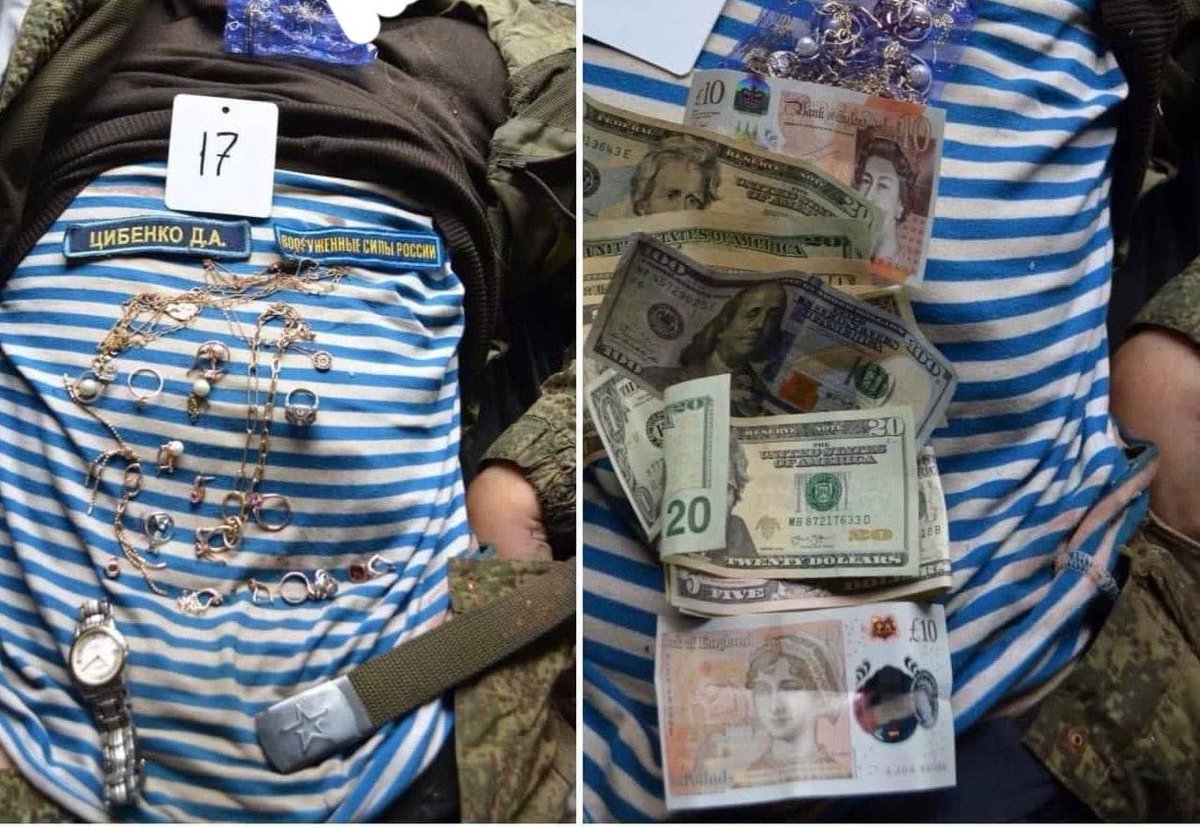
| Труп российского мародера | ||
|
Сегодня, в День геноцида азербайджанцев, AzTV показал фильм «Приговор», повествующий о кровавых событиях начала XX века в Азербайджане, жестоких погромах, которые творили дашнакские головорезы, и резне мусульманского населения в Баку. Эта художественно-документальная лента знакомит современного азербайджанского зрителя с трагическим, но и одновременно героическим прошлым наших предков, тех смелых и мужественных мужчин, кого называли гочу, бросившихся защищать женщин, детей и стариков от озверевших армянских дашнаков. Для гочу, обладающих особым кодексом чести, в эти страшные дни важнее спасения жизней женщин, стала защита их чести. И чтобы спасти честь мусульманских женщин бакинские гочу приняли трудное решение — в случае поражения бросить в море женщин и девушек. Поступок, требующий смелости духа и твердости характера, причем как с той, так и другой стороны, в смысле – самих азербайджанских женщин. Весьма поучительный и показательный пример, чуждый, к большому сожалению, сегодня многим представителям сильного пола. Тому невообразимые примеры сегодня, спустя 100 с лишним лет, в XXI веке подбрасывают нам образчики мужского пола нации, претендующей на ведущую роль в мире и глобальное лидерство. «Воины-освободители», коими их считают на родине, помимо грабежей и мародерства еще и насилуют украинских женщин и девушек, даже девочек и детей, более того – и мужчин. Насилуют при их малолетних детях, насилуют при их мужьях или женах, родителях, под дулами пистолетов. Все факты, о которых пишут в социальных сетях и СМИ, о которых становится известно из перехваченных телефонных бесед самих оккупантов, настолько омерзительны, что даже просто пересказ их вызывает гнев, возмущение, тошноту. 33-летняя Наталья рассказала британской газете The Times, как русские солдаты раз за разом насиловали ее и ее мужа на глазах у 4-летнего сына, а потом застрелили мужа и их собаку. А вот запись перехваченного телефонного разговора о том, как сослуживцы изнасиловали женщину и 16-летнюю девушку в одной из деревень в Украине, опубликовали в пресс-службе СБУ. В Мариуполе российские оккупанты несколько дней по очереди насиловали женщину на глазах у ее 6-летнего сына. Позже она скончалась от ран. Волосы ее маленького сына поседели, — сообщает Минобороны Украины. |
||
|
Фактов не перечесть, как нет и чести у российских военных в Украине. Они ее растеряли вместе с падением монархии, новая пролетарская власть была построена не на добродетели и порядочности, а на убийствах, терроре, предательстве и продажности. Только узнали мы об этом уже после распада Союза, построенного на красных штыках. Как и про то, как солдаты победоносной Красной армии насиловали немецких женщин после вступления на территорию Германии. Из дневника советского офицера, лейтенанта Владимира Гельфанда — 25 апреля, Берлин, берег реки Шпрее, группа женщин с чемоданами и узлами.
Историк Энтони Бивор, проводя исследования для своей книги «Берлин: падение», вышедшей в свет в 2002 году, нашел в российском государственном архиве отчеты об эпидемии сексуального насилия на территории Германии. Эти отчеты в конце 1944 года сообщают о массовых изнасилованиях в Восточной Пруссии и о том, как немецкие женщины пытались убивать себя и своих детей, чтобы избежать этой участи. Как пишет ВВС, реальный масштаб изнасилований был просто невообразим — называются цифры в 100 тысяч женщин в Берлине и два миллиона по всей Германии. А теперь их потомки насилуют уже своих братьев и сестер в Украине. Вот только откуда такое остервенение, злоба, ненависть и жестокость? В случае с Германией они объясняли это «местью», но что их заставляет так вести себя сегодня в Украине? Почему так озлоблен простой русский солдат, где растерял он ЧЕСТЬ? Ну, конечно же, в путинской России, где живет его семья почти впроголодь, на селедке и картошке, запивая водой и водкой, в глухой деревне без санузла, с туалетом во дворе, или в провинциальном городке в хрущовке, с гарнитуром советских времен и полупустым холодильником «ЗИЛ», есть за что ненавидеть украинцев. Очень доступно объясняет на другом конце провода женщина, видимо, мужу, который рассказывает ей как обеспеченно живут украинцы – какой у них ремонт, какие шмотки, что он украл, как и другие его товарищи, в украинской квартире кроссовки, футболки, а дама просит «достать» спортивный костюм, ноутбук, и причитает – «прикинь как они жили, а как мы живем, понятно, за что бьются». |
||
| Вот так, одно из первобытных чувств – ЗАВИСТЬ. И вместо того, чтобы самим начать работать, производить хоть что-то, истинно поверить во Всевышнего, жить по его заповедям – не убий, не укради, не желай дома ближнего твоего, построить нормальное развитое государство, что не сделать при наличии такого разнообразия и богатства природных ресурсов уже преступление, русский тянет руки к тому, что не ему принадлежит, предпочитает воровство, казнокрадство, грабеж, мародерства. Даже войну по чести вести не может. Да и откуда взять его рядовому солдату или офицеру, коли ЧЕСТЬ не в ходу даже в российском руководстве и среди высшего командного состава. Где им взять второго Дуайта Эйзенхауэра, который будучи Верховным главнокомандующим войсками союзников в Европе в годы Второй Мировой войны, получив информацию об изнасилованиях, приказал расстреливать солдат на месте преступления. | ||
| | Автор: Мира Гасанова | Дата: 2022/03/31, 22:01 | Рубрика: Маншет, Мир | Темы: русское воинство, ЧЕСТЬ | | ||
© Зеркало
info@zerkalo.az, redaktor@zerkalo.az, gazeta@zerkalo.az
 Russian
Zerkalo
Author: Mira Hasanova
31 March 2022, 22:01
Sections: Front Page, World
Topic: Russian military, HONOR
Caption: The body of a Russian looter.
Today, on the Day of the Genocide of Azerbaijanis, AzTV showed the film The Verdict, about the bloody events in Azerbaijan at the beginning of the twentieth century, the brutal pogroms committed by Dashnak armed groups and the massacre of the Muslim population in Baku. This documentary drama introduces today’s Azerbaijani viewer to a past that was tragic but, at the same time, heroic: the story of brave men known as gochu who rushed to defend women, children and the elderly from the violence.
For the gochu, who followed their own code of honor, protecting the honor of women was presented as even more important than saving their lives. The article says that, to prevent Muslim women from falling into the hands of attackers in the event of defeat, the Baku gochu made the terrible decision that the women and girls should be thrown into the sea. The author describes this as an act requiring courage and firmness from both the men and the Azerbaijani women themselves, and contrasts that ideal with the behavior of some men today.
More than a century later, in the twenty-first century, the author says, examples of the opposite behavior are being provided by men from a nation that claims a leading role in the world and global leadership.
The “warrior-liberators,” as they are called at home, are accused not only of looting and plunder but also of raping Ukrainian women and girls, including children, as well as men. The article says assaults have taken place in front of victims’ young children, spouses or parents and under threat of firearms.
The reports appearing on social networks and in the media, including information said to come from intercepted telephone calls involving occupying soldiers, are described as so revolting that even retelling them provokes anger, outrage and nausea.
The article cites the account of a thirty-three-year-old woman named Natalia, who told The Times that Russian soldiers repeatedly raped her and her husband in front of their four-year-old son and then shot her husband and their dog. It also refers to an intercepted telephone conversation published by the Security Service of Ukraine concerning the rape of a woman and a sixteen-year-old girl in a Ukrainian village. In Mariupol, according to a report attributed to Ukraine’s Ministry of Defense, Russian soldiers repeatedly raped a woman for several days in front of her six-year-old son; she later died from her injuries, and the child’s hair allegedly turned grey from the trauma.
The article says there are too many such reports to enumerate and argues that Russian servicemen in Ukraine have lost their sense of honor. The author traces this loss back to the collapse of the monarchy and the rise of Soviet power, which she characterizes as having been built not on virtue and decency but on murder, terror, betrayal and corruption. The author says that much of this became widely known only after the collapse of the Soviet Union — including information about rape committed by victorious Red Army soldiers after entering Germany.
The article then quotes the diary of Soviet officer Lieutenant Vladimir Gelfand. On 25 April 1945, on the bank of the River Spree in Berlin, he met a group of women carrying suitcases and bundles.
Gelfand wrote:
“I asked the German women where they lived, in broken German, and asked why they had left their home. With horror they told me about the grief caused to them by the front-line troops on the first night of the Red Army’s arrival here.”
He continued:
“They poked me here,” a beautiful German woman explained, lifting her skirt, “all night, and there were so many of them. I was a girl,” she sighed and began to cry. “They ruined my youth. Among them were old men and men with pimples, and all of them climbed on me, all of them poked me. There were no fewer than twenty, yes, yes,” and she burst into tears.
The mother added:
“They raped my daughter in front of me. They may come again and rape my girl again!”
Historian Antony Beevor, while researching his 2002 book Berlin: The Downfall 1945, found reports in Russian state archives concerning widespread sexual violence in Germany. Reports from late 1944 described mass rape in East Prussia and German women trying to kill themselves and their children in order to avoid such a fate. The article cites the BBC as saying that the true scale was enormous, with commonly quoted estimates of 100,000 women in Berlin and two million throughout Germany.
And now, the author says, their descendants are raping people whom Russian propaganda describes as their “brothers and sisters” in Ukraine. The author asks where such rage, hatred and cruelty come from. In Germany it was explained as “revenge,” but what, she asks, explains similar behavior in Ukraine today? Where did the ordinary Russian soldier lose his honor?
The article’s answer is Putin’s Russia. It paints a polemical picture of families living poorly in remote villages without indoor plumbing or in provincial Khrushchev-era apartments with Soviet furniture and nearly empty refrigerators, and suggests that resentment and envy can be directed toward Ukrainians who appear to live better.
The article refers to intercepted calls in which a soldier allegedly describes the furnishings and clothing he has stolen from a Ukrainian apartment while a woman at the other end asks him to obtain a tracksuit and laptop, exclaiming in effect: “Look how they lived and how we live — now you understand what they are fighting for.”
The author identifies one of the most primitive emotions behind this as ENVY.
Instead of working, producing something themselves, genuinely believing in God and living according to the commandments — do not kill, do not steal, do not covet your neighbor’s house — and building a normal developed state despite Russia’s enormous natural resources, the author says, Russians reach for what does not belong to them and choose theft, corruption, robbery and looting. She argues that even war is not conducted with honor, because honor is absent not only among ordinary soldiers and officers but also in Russia’s political leadership and senior military command.
The article contrasts this with Dwight D. Eisenhower. As Supreme Commander of the Allied Expeditionary Force in Europe during the Second World War, the author says, Eisenhower responded to reports of rape by ordering soldiers caught committing such crimes to be shot at the scene.
© Zerkalo
info@zerkalo.az · redaktor@zerkalo.az · gazeta@zerkalo.az
