



 |
 |
 |
|
|
|
||||

|
 |
||||
 |
 |
 |
||
 |
 |
 |
 |
||
|
|
    |
|
©
Stewart Binns
© Newton Compton Editori
 Italian
Newton Compton Editori
Publisher: Newton Compton Editori (October 7, 2021)
Language: Italian
Paperback: 384 pages
ISBN-10: 882275641X
ISBN-13: 978-8822756411
ASIN: B09HFXH721
ISBN: 978-88-227-5642-8
Item weight: 480 g
Dimensions: 22.6 × 3 × 15 cm
Paperback price: €11.40
Publisher: Newton Compton Editori (October 7, 2021)
Author: Stewart Binns
Translator: Mara Gini
Format: EPUB with Light DRM
Text language: Italian
Cloud: Yes — learn more
Compatibility: all devices except Kindle — learn more
File size: 1.74 MB
Printed-edition length: 384 pages
EAN: 9788822756428
E-book price: €4.99
Chapter 11. Eyes to the South, January–June 1942 — p. 168
Vladimir Gelfand was in command of a mortar battery and...
Chapter 11. Eyes to the South, January–June 1942 — p. 172
...in Russian, at the website http://militera.lib.ru/db/gelfand_vn/02.html (last accessed and English translation...)
Chapter 17. The Tide Turns, March–June 1943 — p. 245
...simple, especially if one was Jewish. Vladimir Gelfand was a Jewish officer of the LXII Army in...
Chapter 17. The Tide Turns, March–June 1943 — p. 258
...in Russian, at the website http://militera.lib.ru/db/gelfand_vn/02.html (last accessed April 2020). 29/12/...
Chapter 25. The Colossus, January–March 1945 — p. 349
...someone, such as Soviet officer Vladimir Gelfand, recorded in his diary:
Chapter 25. The Colossus, January–March 1945 — p. 352
On March 20, Vladimir Gelfand’s battery was in an Army bridgehead...
Chapter 25. The Colossus, January–March 1945 — p. 353
It is likely that Gelfand chose to tone down the description in order to...
Chapter 25. The Colossus, January–March 1945 — p. 355
...waiting to be able to attack Berlin. Vladimir Gelfand was stationed at the Soviet bridgehead on...
Chapter 25. The Colossus, January–March 1945 — p. 356
...in Russian at http://militera.lib.ru/db/gelfand_vn/05.html (last accessed and translated April...)
Chapter 25. The Colossus, January–March 1945 — p. 356
18 — Gelfand’s diary, 20/03/1945.
Chapter 25. The Colossus, January–March 1945 — p. 356
25 — Gelfand’s diary, 28/04/1945.
Chapter 26. Revenge, April–May 1945 — p. 372
On April 25 Vladimir Gelfand was on the banks of the Spree, southeast...
Chapter 26. Revenge, April–May 1945 — p. 372
Gelfand concluded the entry by saying that his duty...
Chapter 26. Revenge, April–May 1945 — p. 373
...with or without his protection. Gelfand’s account is only one among potentially thousands of...
Chapter 26. Revenge, April–May 1945 — p. 381
21 — Gelfand’s diary, 25/04/1945.
Witnesses — p. 413
VLADIMIR GELFAND
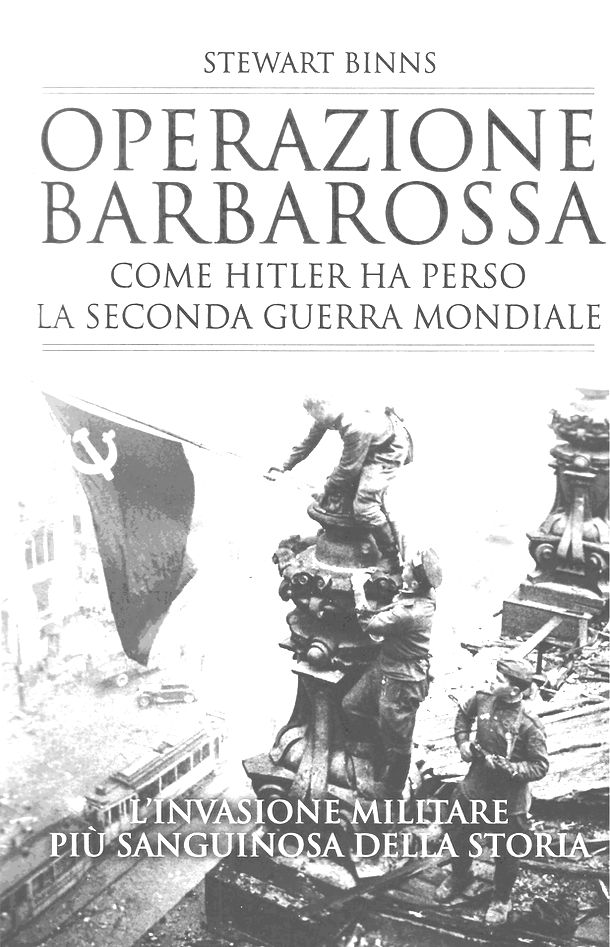
The book by Stewart Binns, Barbarossa: And the Bloodiest War in History.
© Stewart Binns
© Newton Compton Editori
On June 22, 1941, the largest military invasion in human history began: Nazi Germany’s attack on the Soviet Union, carried out by four million soldiers.
Operation Barbarossa became the bloodiest military campaign of all time. Its cost—in millions of lives, shattered destinies, and devastated lands—was truly horrific. More than forty million people died during this war, whose scale of tragedy had no equal.
Yet outside Germany and the countries directly involved in events on the Eastern Front, the true history of this confrontation remains little known. Few people fully understand the desperation and courage with which the soldiers and civilians of Eastern Europe fought—those who stood in the path of Hitler’s “war of annihilation” to defend their homeland and save their loved ones.
In his new book Stewart Binns gives a voice to those who survived this nightmare. He tells not only of pain, loss, and fear, but also of resistance, courage, self-sacrifice, and the revenge these peoples exacted on the Nazi invaders.
Four million soldiers against an entire people united in their determination to resist.
This is the tragic and epic story of the largest military invasion in human history: Nazi Germany’s attack on the Soviet Union.
“My grandfather, Winston Churchill, admired the courage and resilience of the Red Army and of the peoples of Eastern Europe as a whole. This extraordinary book, rich in detail and inspiring stories, goes a long way toward explaining that admiration.”
Celia Sandys, granddaughter of Winston Churchill
“A brilliant account, supported by exceptional research and a profound insight into the soul of Russia.”
Nick Hewer
“A truly remarkable book, filled with previously unpublished accounts of what it meant to come face to face with the greatest invasion in human history and to find the strength to resist it.”
Andrew Roberts
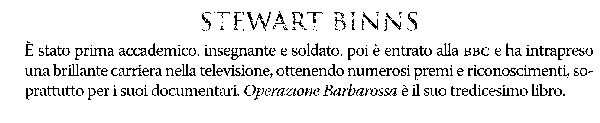
Stewart Binns began his professional life as an academic, teacher, and serviceman. He later joined the BBC, where he built a successful television career and received numerous awards and honors, especially for his documentaries. Operation Barbarossa is his thirteenth book.
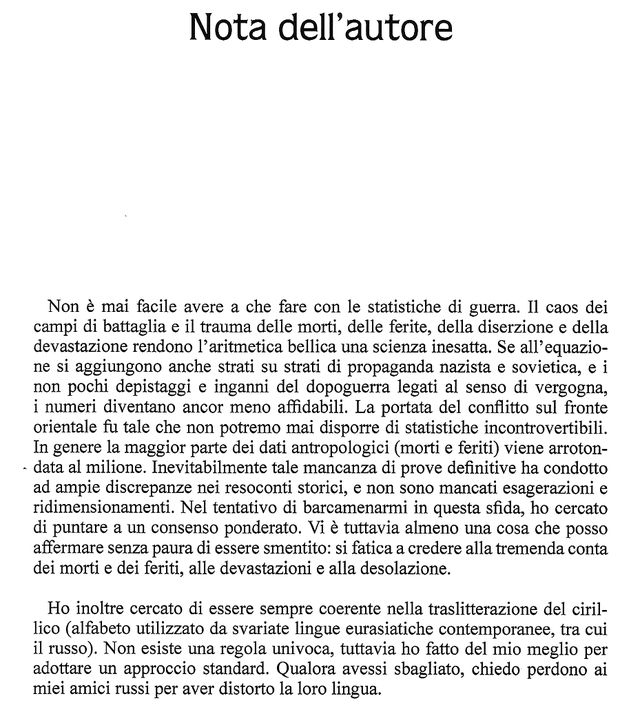
It is never easy to deal with statistics of war. The chaos of battlefields and the trauma of the dead, wounded, missing, and devastation make arithmetic a maddening science. Add layer upon layer of Nazi and Soviet propaganda, together with not a few postwar deceptions and distortions linked to feelings of shame, and the figures become even less reliable. The scale of the conflict on the Eastern Front was such that we will probably never possess incontrovertible statistics.
In general, most anthropological figures—deaths and wounded—are rounded to the nearest million. The inevitable lack of definitive evidence has produced wide discrepancies in historical accounts, and exaggerations and underestimates have not been lacking. In trying to make my way through this jungle, I have attempted to aim for a balanced consensus. There is, however, at least one thing I can say without fear of contradiction: it is difficult to comprehend the tremendous toll of dead and wounded, the devastation, and the desolation.
I have also tried to remain consistent in transliterating Cyrillic, the alphabet used by various contemporary Eurasian languages, including Russian. There is no single universal rule, but I have done my best to follow a standard approach. If I have made mistakes, I ask my Russian friends to forgive me for mangling their language.
Original title: Barbarossa and the Bloodiest War in History.
Copyright © 2021 Stewart Binns.
Translated from English by Mara Gini.
Amazon print-on-demand edition under license from Newton Compton Editori s.r.l.
© 2021 Newton Compton Editori s.r.l., Rome.
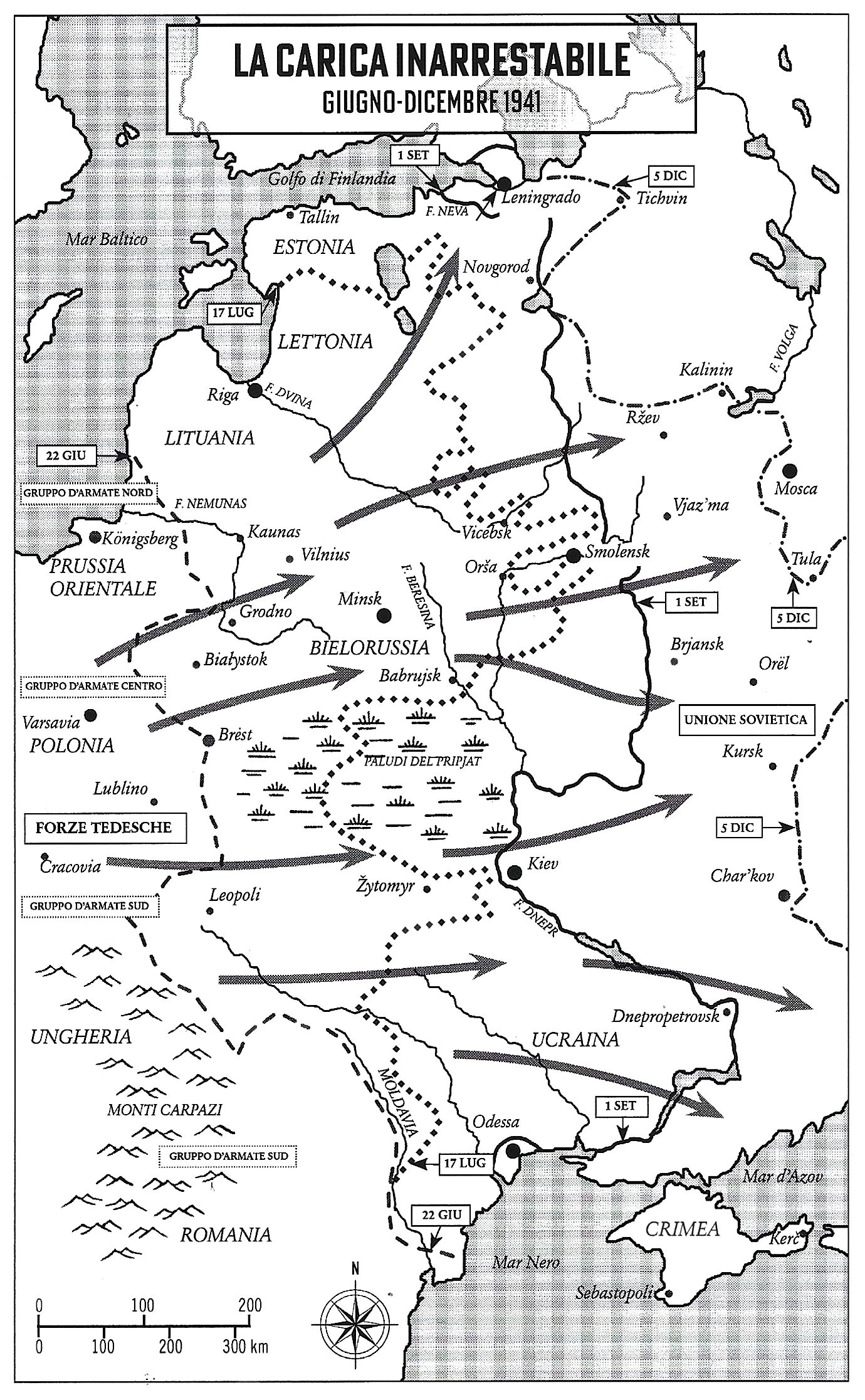
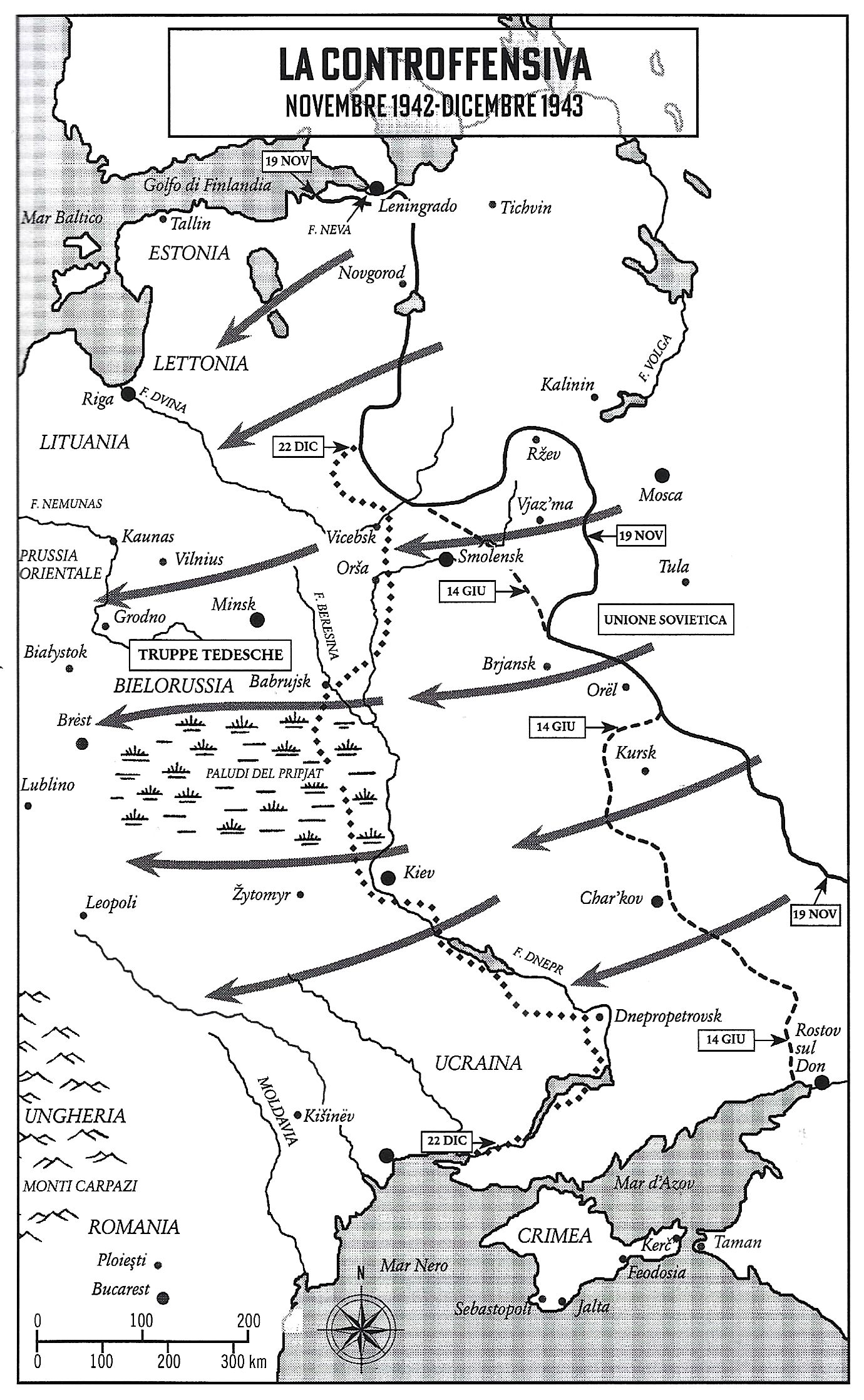
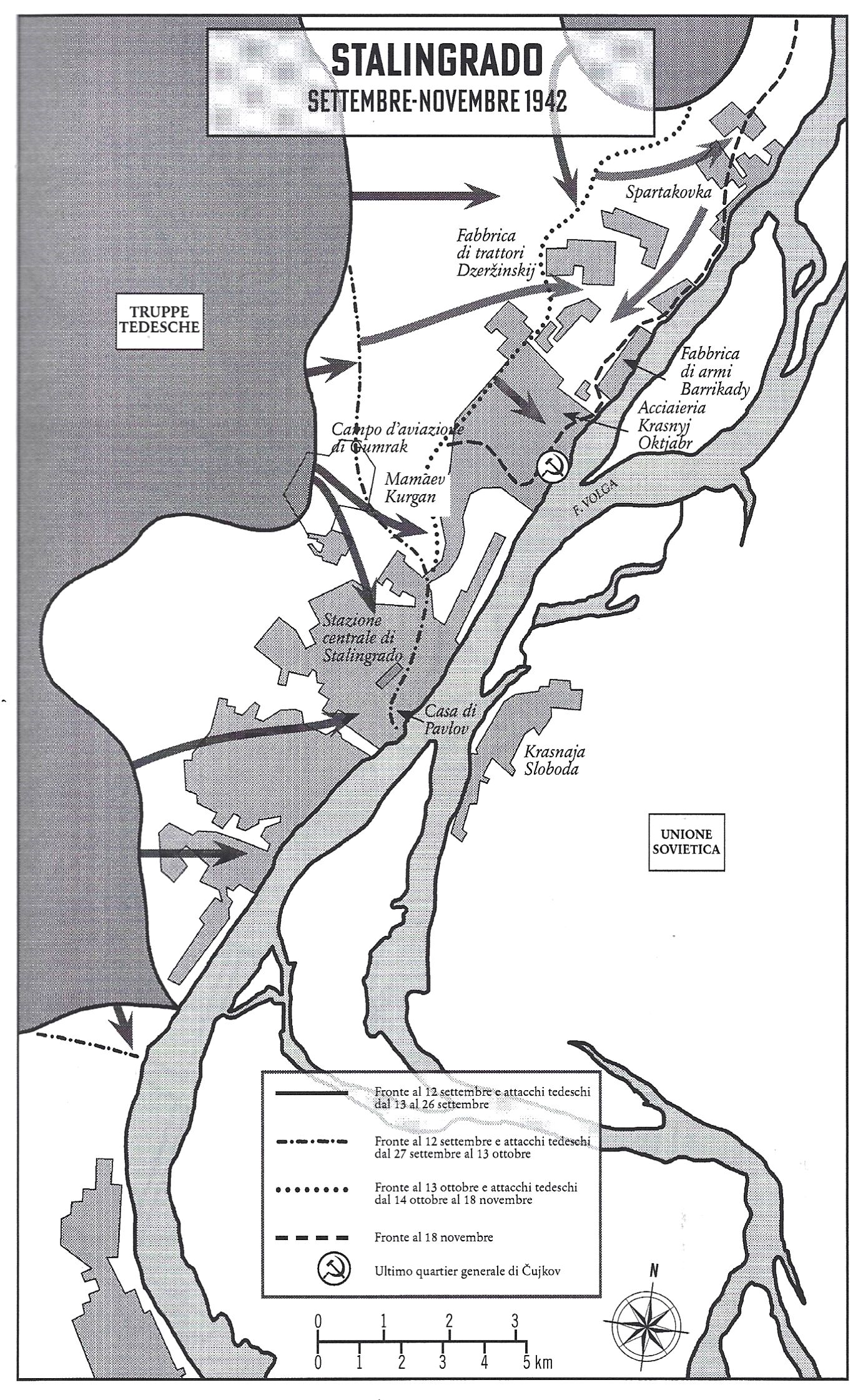
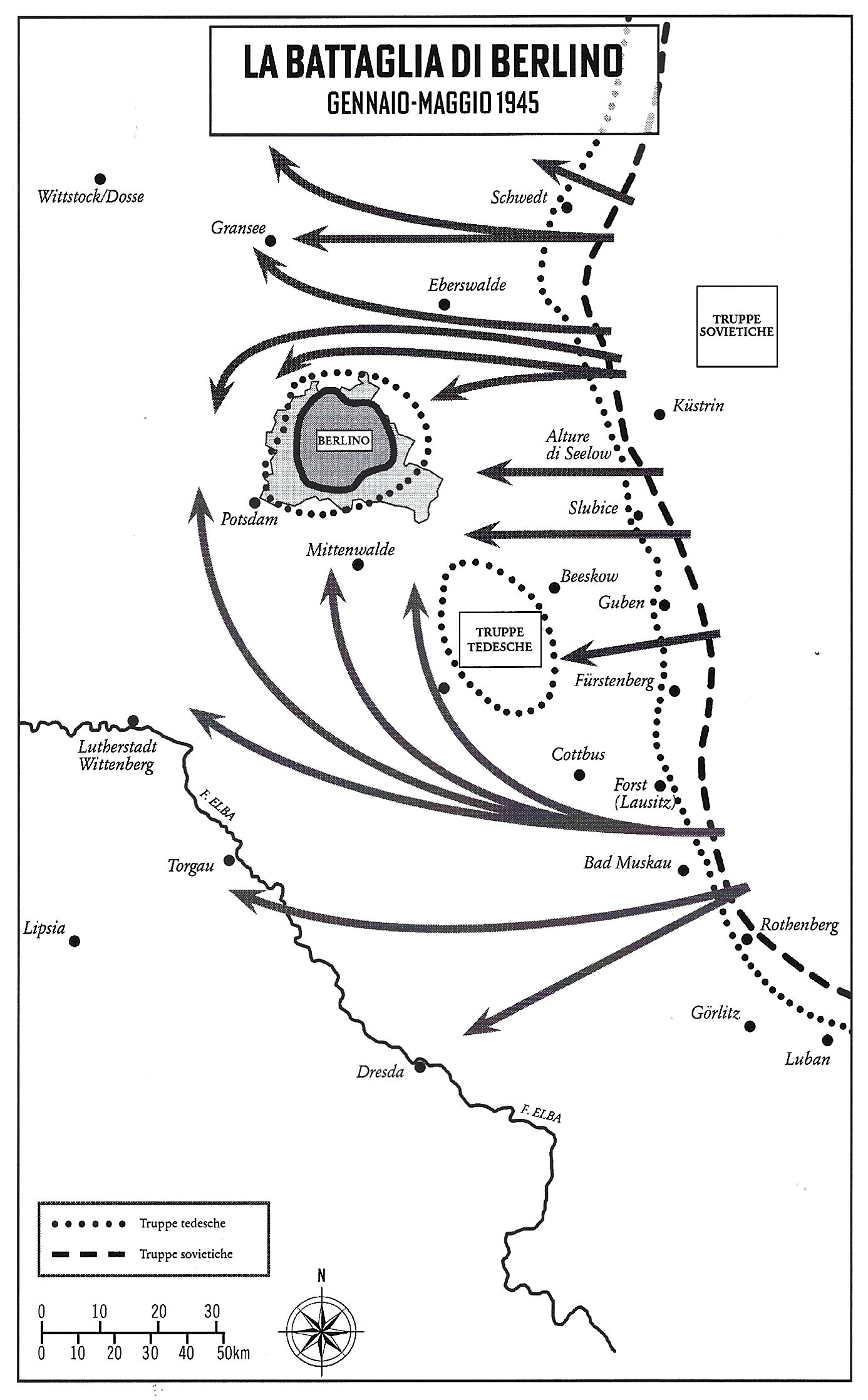
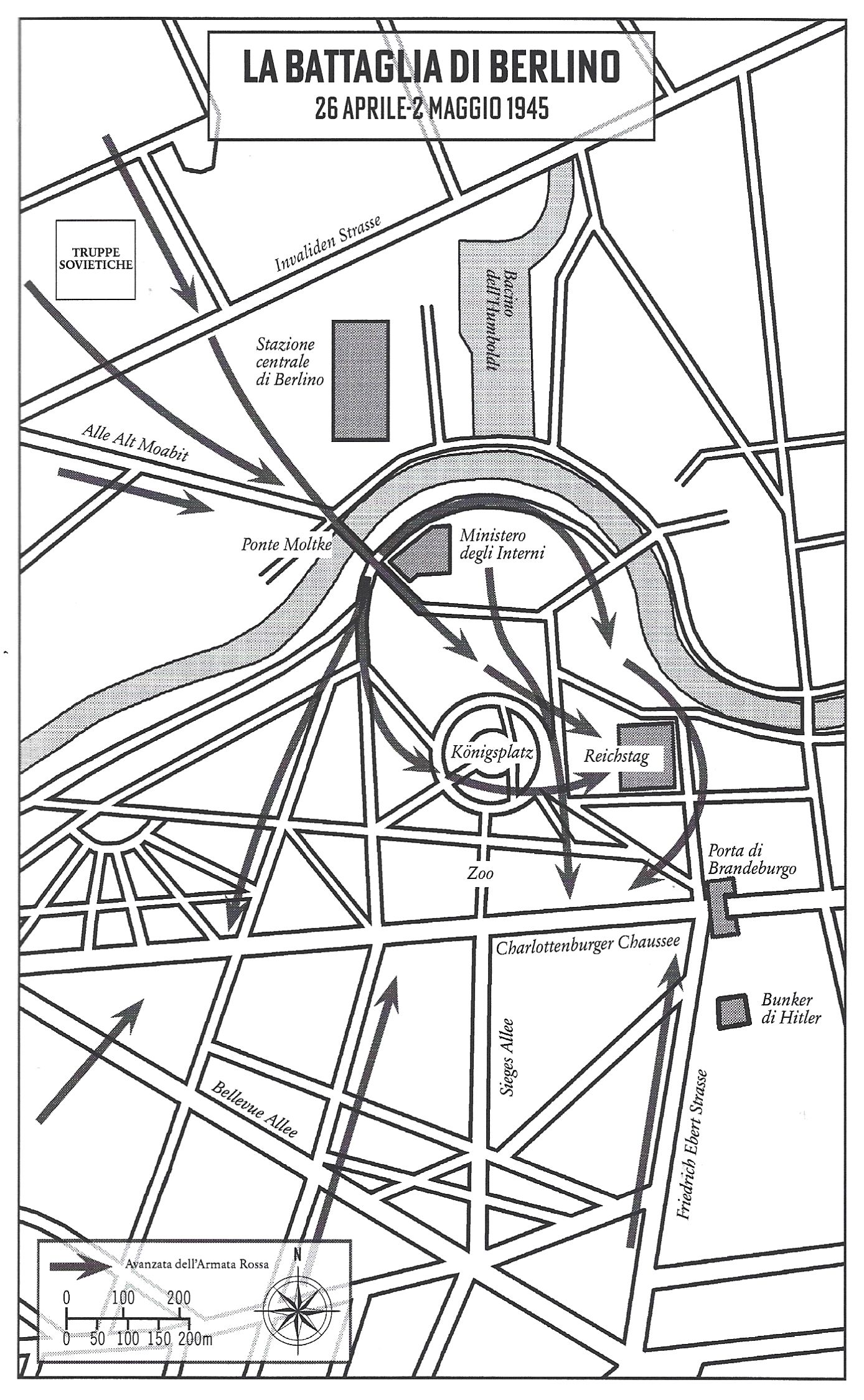
The maps shown in the scanned pages are titled, among others: The Unstoppable Advance — The Invasion, June–December 1941; The Counteroffensive; Stalingrad; and The Battle of Berlin.
