



 |
 |
 |
 |
||
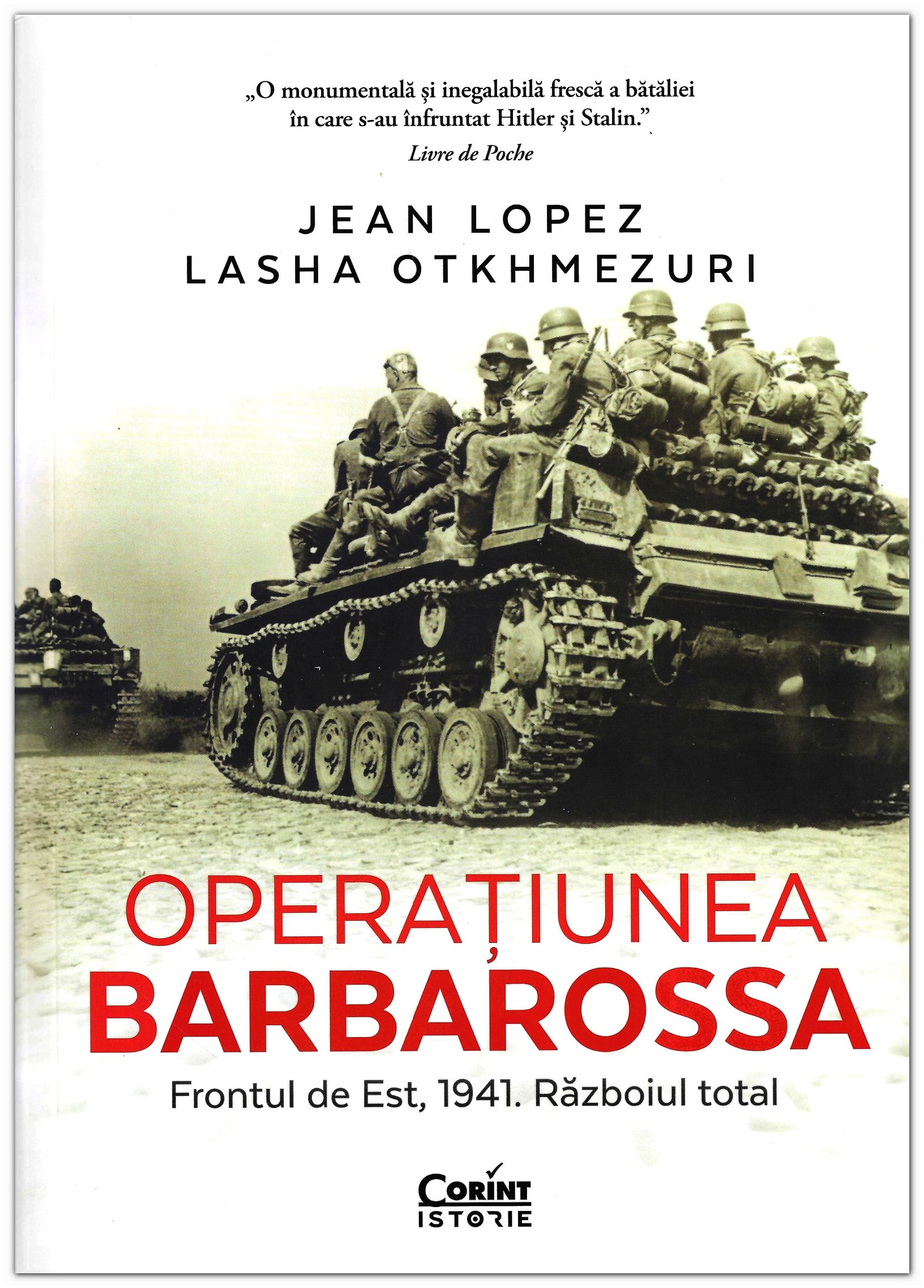
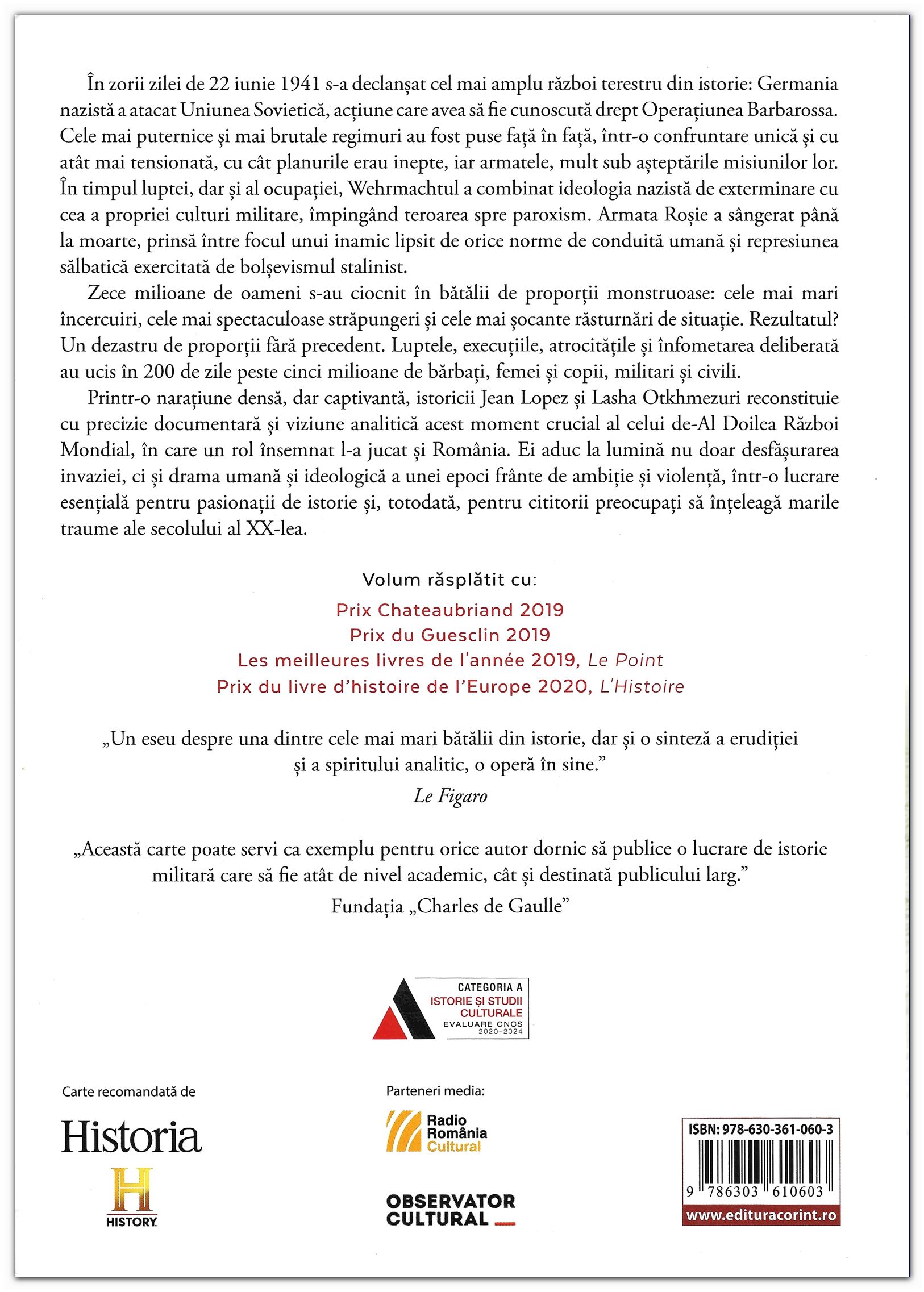
| Titlu | Operațiunea Barbarossa.Frontul de Est, 1941. Războiul total | ||
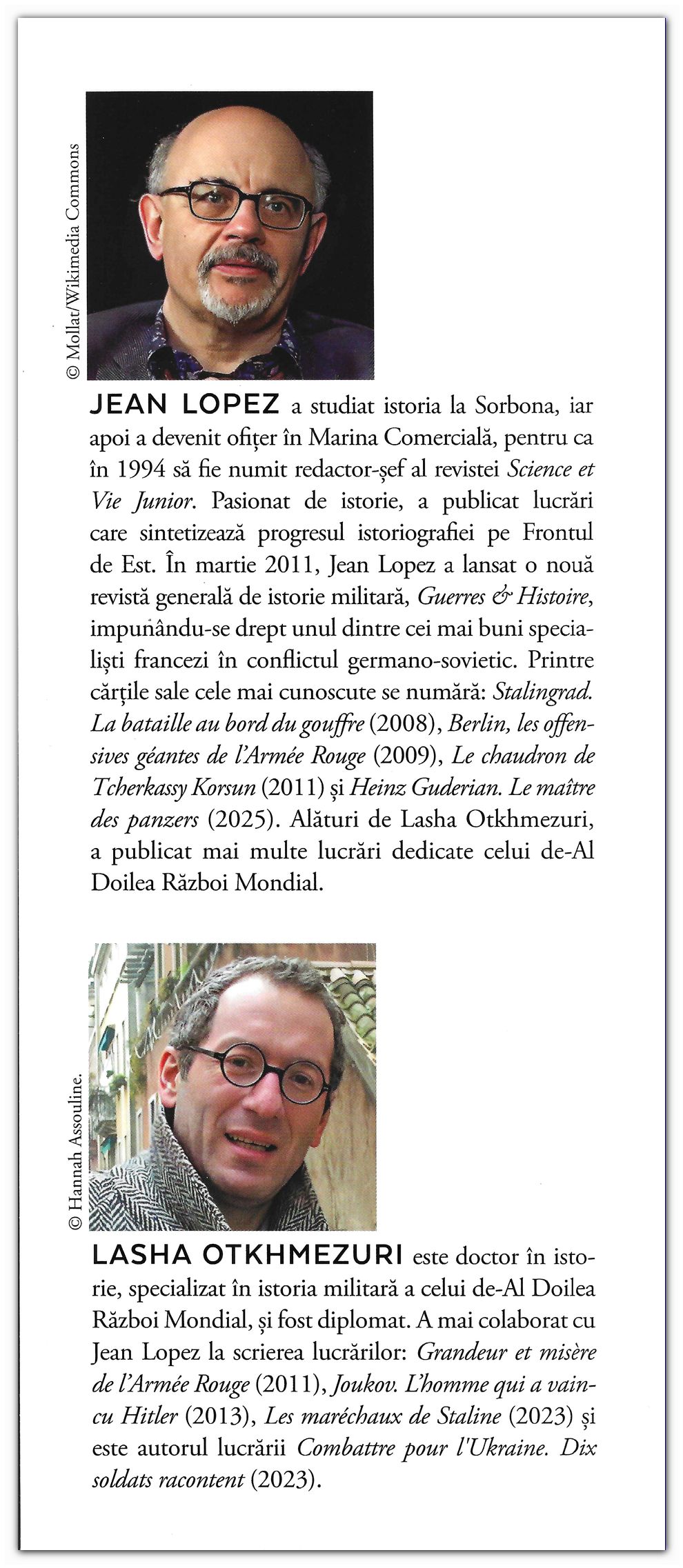
| Autori | Jean Lopez, Lasha Otkhmezuri | ||
| Editură | Corint Books, 2025 | ||
| ISBN | 6303611451, 9786303611457, 978-630-361-060-3 | ||
| Preț | 164,90 lei | ||
| Pagini | p. 1136 | ||
| Dimensiune | 23,5 × 16,5 × 6,5 cm | ||
| Colecția | Istorie | ||

|
 |
 |
|
 |
 |
|
 |
 |
De asemenea, jurnalele personale sunt surse valoroase, în special pentru captarea mișcărilor opiniei publice și a acelui produs emblematic al societății sovietice, zvonul. Ca multiple fire roșii comune, am folosit scrierile personale ale lui Vladimir Vernadski, Liubov (Liuba) Șaporina, Lidia Osipova, Mihail Prișvin, Anna Ostrumova-Lebedeva, Gheorghi Efron, Vladimir Gelfand și Semion Putiakov. În Armata Roșie era interzis să ții un jurnal personal, iar încălcarea acestei legi putea duce la pedepse grele, inclusiv moartea, așa cum a fost cazul lui Semion Putiakov. Pe lângă jurnalele civililor și soldaților obișnuiți, am folosit și jurnalele recent publicate ale colaboratorilor lui Stalin, precum Viaceslav Malîșev, ministrul producției de blindate, sau generali de rang înalt, precum Stepan Kalinin, comandantul Armatei a 24-a. Mai mult, timp de peste un deceniu, i-am intervievat – în special pentru revista Guerres & Histoire [„Război și istorie” – n. tr.] – pe ultimii supraviețuitori ai Armatei Roșii, ai asediului de la Leningrad și ai ocnelor industriale din Urali. Cu măsurile de precauție obișnuite pentru acest tip de documente, am integrat câteva dintre amintirile protagoniștilor vremii. Adăugați la aceasta transcrierile interogatoriilor foștilor generali și diplomați germani, realizate de sovietici după război și publicate și în anii 2000. Nu-l vom uita pe Serghei Mihalev, profesor la Institutul de Istorie Militară Rusă, decedat în 2005, ale cărui două cărți (din 2000 și 2002) – bazate pe Arhivele Centrale ale Ministerului Apărării – au corectat datele generalului Krivoșeiev despre pierderile Armatei Roșii. Multe documente rămân însă sub cheie, fie că este vorba despre ordine date de Stavka, fie despre registrele de intrare ale vizitatorilor în apartamentul lui Stalin din Kremlin (avem acces doar la înregistrările din biroul lui Stalin). |
Личные дневники также
служат ценными источниками — особенно для фиксации сдвигов в
общественном мнении и такого знакового порождения советского общества,
как слухи. В качестве связующих нитей повествования я использовал
личные записи Владимира Вернадского, Любови (Любы) Шапориной, Лидии
Осиповой, Михаила Пришвина, Анны Остроумовой-Лебедевой, Георгия Эфрона,
Владимира Гельфанда и Семёна Путякова. В Красной армии ведение личного
дневника было запрещено, и нарушение этого правила могло повлечь за
собой суровое наказание — вплоть до смертной казни, как это и
произошло в случае с Семёном Путяковым. Помимо дневников рядовых
граждан и солдат, я также обращался к недавно опубликованным дневникам
соратников Сталина — таких, как Вячеслав Малышев, нарком
танковой промышленности, — или высокопоставленных
военачальников, например Степана Калинина, командующего 24-й армией.
Кроме того, на протяжении более чем десяти лет я брал интервью
— в частности, для журнала *Guerres & Histoire*
(«Война и история») — у последних
оставшихся в живых ветеранов Красной армии, участников блокады
Ленинграда и работников промышленных предприятий Урала. Соблюдая
необходимые меры предосторожности, принятые при работе с документами
подобного рода, я включил в книгу некоторые воспоминания
непосредственных участников тех событий. К этому следует добавить
стенограммы допросов бывших немецких генералов и дипломатов,
проведенных советской стороной после войны и также опубликованных уже в
2000-е годы. Нельзя обойти вниманием и Сергея Михалева —
профессора Российского института военной истории, скончавшегося в 2005
году; в двух своих книгах (вышедших в 2000 и 2002 годах), основанных на
материалах Центрального архива Министерства обороны, он внес коррективы
в данные генерала Кривошеева касательно потерь Красной армии. Многие
документы по-прежнему остаются под грифом секретности — будь
то приказы Ставки Верховного Главнокомандования или журналы посещений
квартиры Сталина в Кремле (доступ исследователи имеют лишь к записям,
касающимся сталинского рабочего кабинета). |
||
| Pe măsură ce germanii se
apropiau, populația de pe malul drept a început să fie
evacuată. Vladimir Gelfand, un adolescent evreu de 18 ani, a fost
martorul acestei retrageri în orașul său natal,
Dniepropetrovsk. „Asta e, familiile membrilor sovietului
orășenesc și miliția au început evacuarea. Claxoanele
vehiculelor pot fi auzite, mii de bărbați și femei părăsesc orașul zi
și noapte. Și zvonurile au început să circule. Cei care au
rămas au privit indignați această plecare și au început să
spună că doar evreii au fugit, că aveau mii de ruble ascunse și că știu
cum să le folosească.” Câteva zile mai
târziu, a fost și el evacuat la Essentuki, departe de front,
în Caucazul de Nord: Pe străzi, în parcuri, în brutării, la cozile pentru gaz, peste tot se aud murmure, murmure josnice, oribile, pline de ură. Toți vorbesc despre evrei. Încă vorbim timid despre asta, uitându-ne în jur. Evreii sunt hoți, o evreică a furat una și alta. Evreii sunt foarte bogați. O evreică are 50 000 de ruble, deși se plânge de sărăcia ei, că nu are nimic de mâncare sau de îmbrăcat. […] Evreilor nu le place să muncească. Evreii nu vor să activeze în Armata Roșie. Evreii trăiesc în orașe, fără dreptul de a face acest lucru. Evreii trăiesc pe cheltuiala noastră. Pe scurt, evreii sunt sursa tuturor nenorocirilor noastre. Din cauza înfățișării mele, nimeni nu bănuiește că sunt evreu, și mie mi se spun deseori toate astea. A doua zi după plecarea lui Vladimir Gelfand, a început Bătălia de la Dniepropetrovsk. Deși n-a apărut niciodată în relatările istorice, merită totuși să fie analizată. Bătălia a avut ca rădăcină acest tip de luptă care s-a născut odată cu Operațiunea Barbarossa și care va rămâne, mai mult sau mai puțin, o caracteristică a confruntării germano-sovietice: războiul urban. Asemenea altor armate ale vremii, Wehrmachtul n-a acordat prea multă atenție acestui tip de confruntare. A avut o singură experiență notabilă, la Varșovia, între 8 și 28 septembrie 1939. Distrugerea unei mari părți a capitalei poloneze de către artileria grea și bombele avioanelor Luftwaffe a servit ca avertisment pentru întreaga Europă. Din acest motiv, în Olanda, Belgia, Franța, Iugoslavia și Grecia, orașele au fost declarate „deschise” de către autoritățile politice și militare, care erau conștiente că jocul se terminase și că trebuiau evitate pierderile de civili și distrugerea patrimoniului istoric. |
По мере приближения немцев
началась эвакуация населения с правого берега. Владимир Гельфанд,
18-летний еврейский юноша, стал свидетелем этого отступления в своем
родном городе Днепропетровске. «Вот и всё: семьи членов
горсовета и сотрудников милиции начали эвакуацию. Слышны гудки машин;
тысячи мужчин и женщин покидают город и днем, и ночью. И поползли
слухи. Те, кто остался, с возмущением взирали на этот исход и начали
поговаривать, будто бегут одни лишь евреи — дескать, у них
припрятаны тысячи рублей, и они знают, как ими
воспользоваться». Несколько дней спустя он и сам был
эвакуирован в Ессентуки — далеко от линии фронта, на Северный
Кавказ: На улицах, в парках, в булочных, в очередях за бензином — повсюду слышен ропот: гнусный, жуткий, исполненный ненависти ропот. Все говорят о евреях. Пока еще говорят робко, озираясь по сторонам. Евреи — воры; одна еврейка украла и то, и это. Евреи — очень богаты. У одной еврейки — 50 тысяч рублей, хотя она и сетует на свою бедность, жалуясь, что ей нечего ни есть, ни носить. […] Евреи не любят работать. Евреи не хотят служить в Красной армии. Евреи живут в городах, не имея на то никакого права. Евреи живут за наш счет. Короче говоря, евреи — источник всех наших бед. Благодаря моей внешности никто и не подозревает, что я еврей, и мне часто высказывают всё это в лицо. На следующий день после отъезда Владимира Гельфанда началась битва за Днепропетровск. Хотя в исторических хрониках она упоминается крайне редко, тем не менее, она заслуживает тщательного анализа. Корни этого сражения уходят в тот особый тип боевых действий, который зародился с началом операции «Барбаросса» и который — в большей или меньшей степени — оставался характерной чертой германо-советского противостояния: война в городских условиях. Как и другие армии того времени, вермахт не уделял особого внимания этому виду боестолкновений. Единственный примечательный прецедент такого рода имел место в Варшаве в период с 8 по 28 сентября 1939 года. Разрушение значительной части польской столицы огнем тяжелой артиллерии и бомбовыми ударами авиации Люфтваффе послужило предостережением для всей Европы. По этой причине в Нидерландах, Бельгии, Франции, Югославии и Греции политическое и военное руководство объявляло города «открытыми», осознавая, что исход борьбы уже предрешен и что необходимо предотвратить жертвы среди гражданского населения, а также разрушение исторического наследия. |
||
La începutul toamnei, moralul sovieticilor a scăzut spre zero. Gelfand, exilat în Essentuki, nu-și mai ascundea îndoielile: Alaltăieri, germanii au luat Brianskul, ieri, Viazma, și astăzi, (oh, cât de îngrozitor!) Mariupolul. Cât timp poate continua acest lucru? […] Acum, Moscova și Donbasul sunt în pericol, dar și Rostovul, Crimeea și Caucazul. […] Ne întrebăm: unde sunt englezii și americanii? Sau se simt și ei neputincioși în fața lui Hitler? […] Îmi amintesc faptul că, nu cu mult timp în urmă, mi s-a părut de neconceput căderea Kievului, a Odesei, ocupația dragului meu oraș Dniepropetrovsk, aflat atât de departe de graniță […]. Fac o paralelă cu Franța, Belgia, Olanda și Polonia – în comparație cu ele, trupele noastre luptă eroic, dar dacă compari URSS-ul cu China slab înarmată, cu Spania eroică sau cu Abisinia și Albania neînarmate, totul devine un pic ciudat și-mi este rușine de țara mea. Într-un timp atât de scurt să fi pierdut un teritoriu atât de mare! […] |
К началу осени боевой дух
советских войск упал до нуля. Гельфанд,
находившийся в ссылке в Ессентуках, уже не мог скрывать своих сомнений: Позавчера немцы взяли Брянск, вчера — Вязьму, а сегодня (о, как это ужасно!) — Мариуполь. Долго ли это может продолжаться? […] Теперь в опасности не только Москва и Донбасс, но также Ростов, Крым и Кавказ. […] Мы задаемся вопросом: где же англичане и американцы? Или они тоже чувствуют свое бессилие перед Гитлером? […] Я помню: еще совсем недавно падение Киева и Одессы, оккупация моего любимого города Днепропетровска — расположенного так далеко от границы — казались мне чем-то немыслимым. Я провожу параллель с Францией, Бельгией, Голландией и Польшей: по сравнению с ними наши войска сражаются героически; но если сравнивать СССР с плохо вооруженным Китаем, с героической Испанией или с безоружными Абиссинией и Албанией, то всё происходящее начинает казаться немного странным, и мне становится стыдно за свою страну. Потерять столь обширную территорию за столь короткое время! […] |
||
© Jean Lopez , Lasha
Otkhmezuri
© Corint Books / Grupul Editorial Corint
| Название | Operațiunea Barbarossa.Frontul de Est, 1941. Războiul total | ||
| Aвторы | Jean Lopez, Lasha Otkhmezuri | ||
| Издательство | Corint Books, 2025 | ||
| ISBN | 6303611451, 9786303611457, 978-630-361-060-3 | ||
| Цена | 164,90 lei | ||
| Страниц | 1136 стр. | ||
| Размеры | 23,5 × 16,5 × 6,5 cm | ||
| Рубрика | История | ||
 |
 |
|
 |
 |
|
 |
 |
|

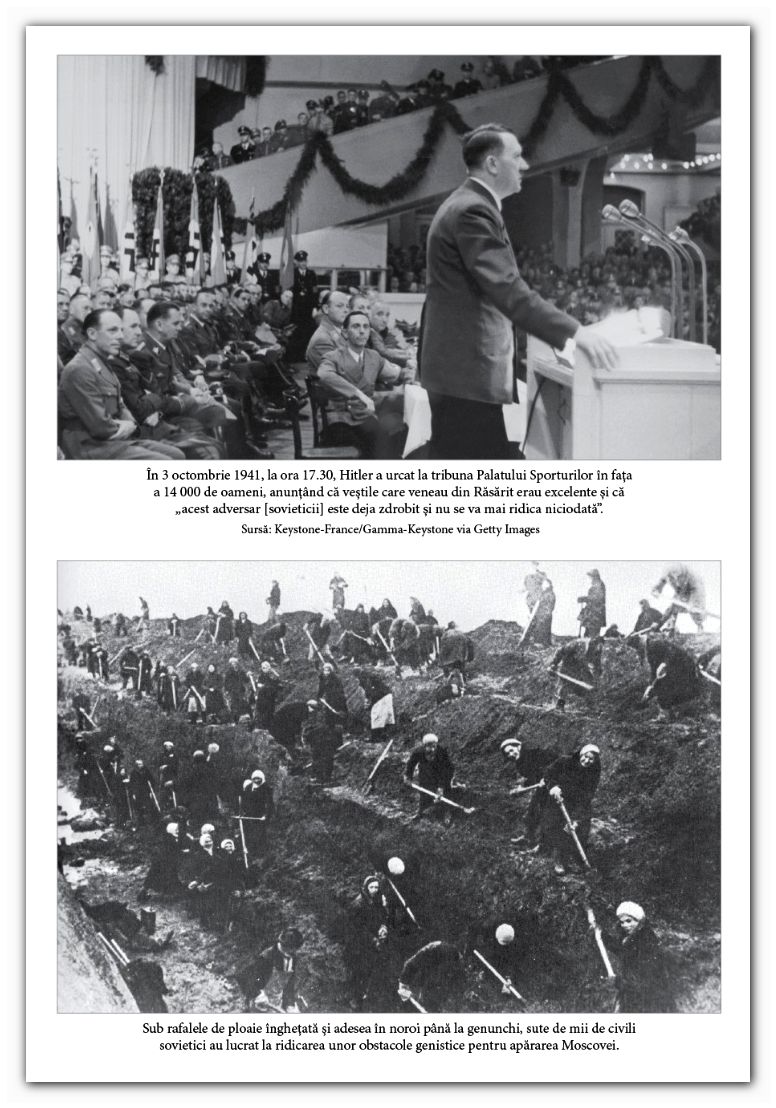
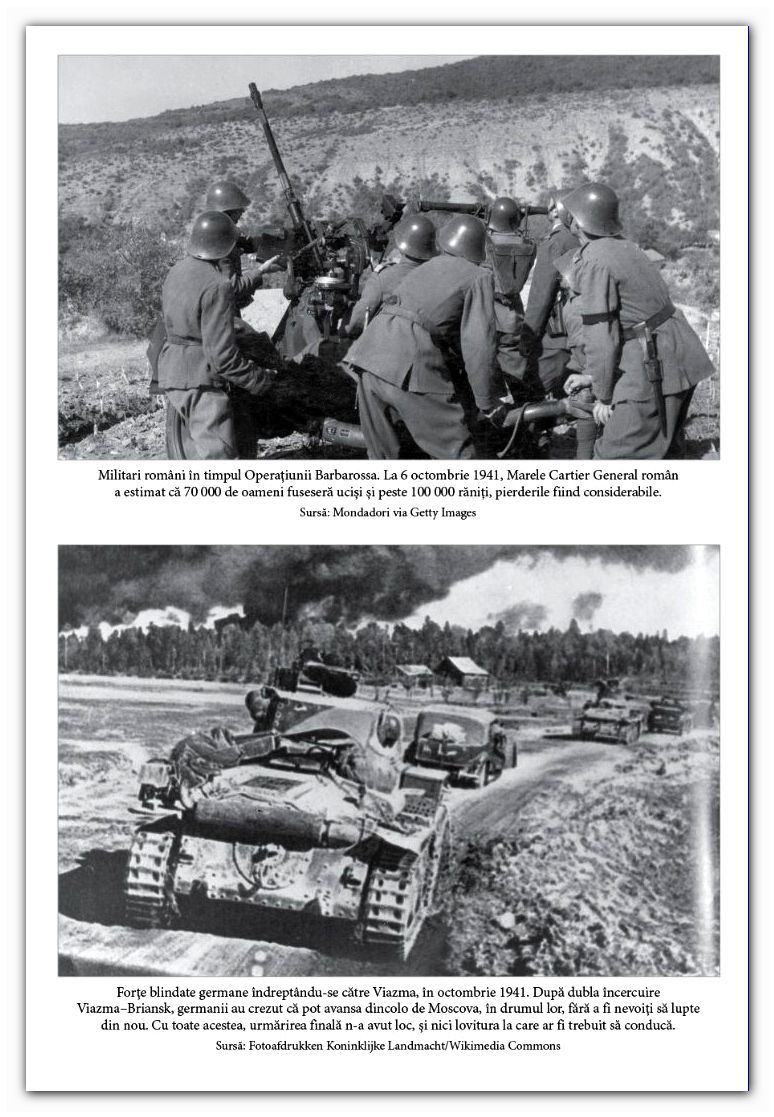
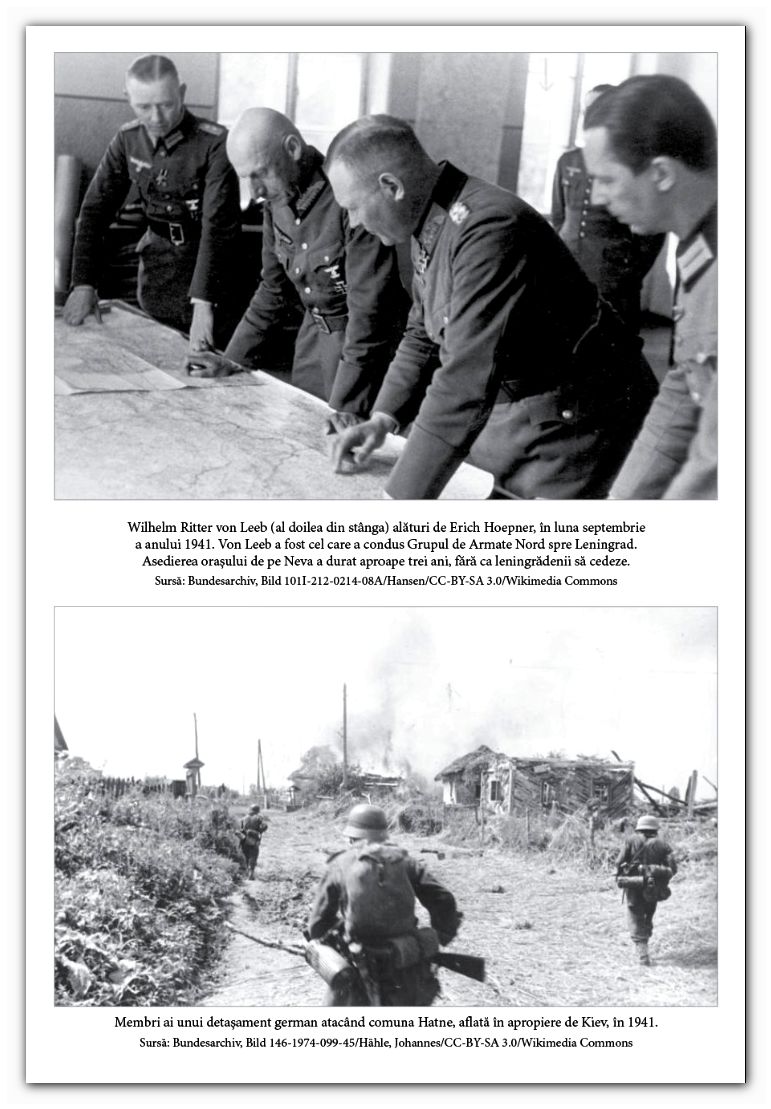
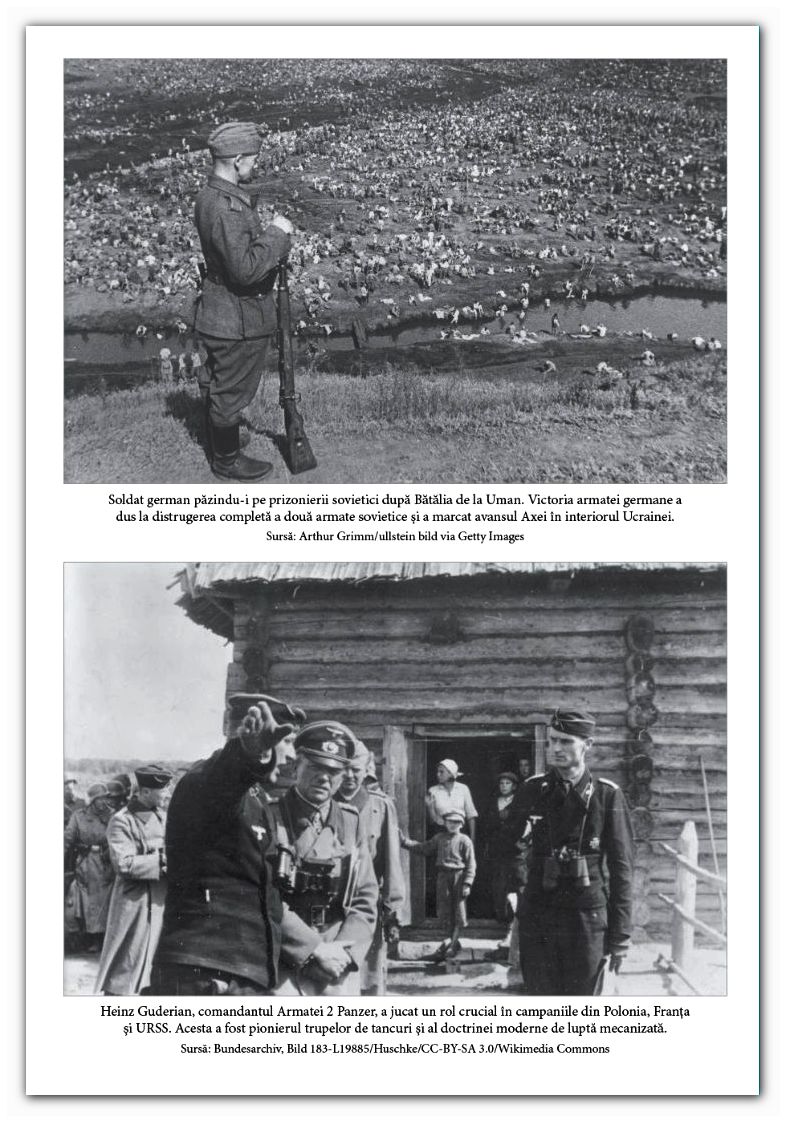
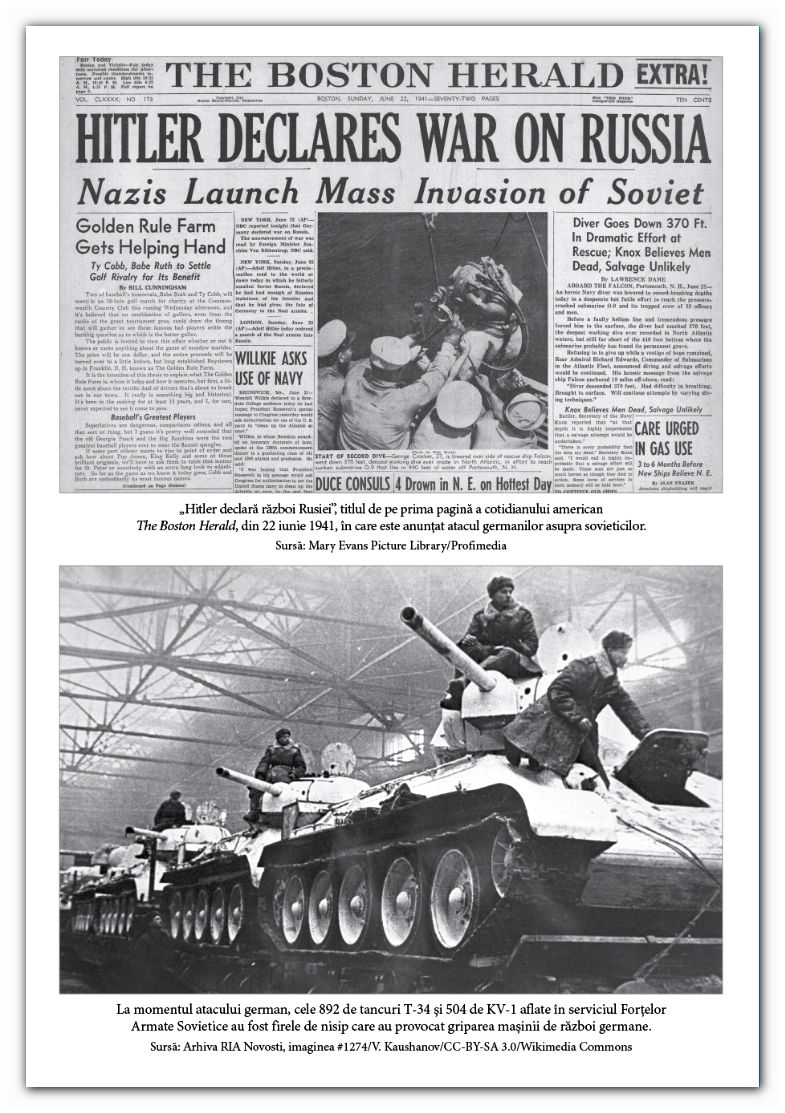
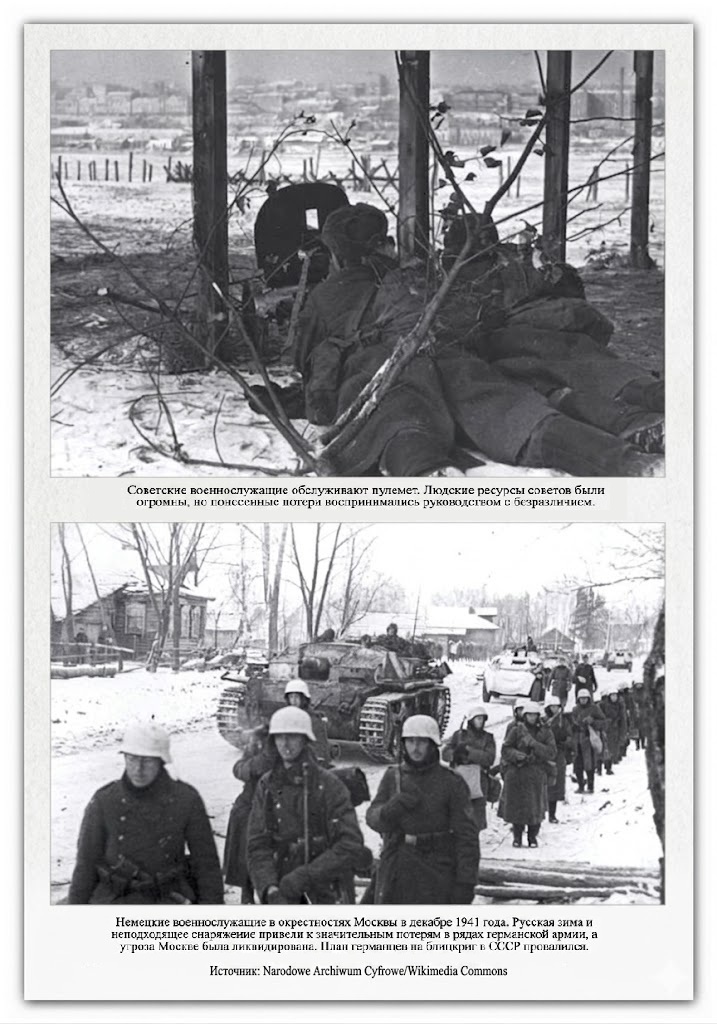
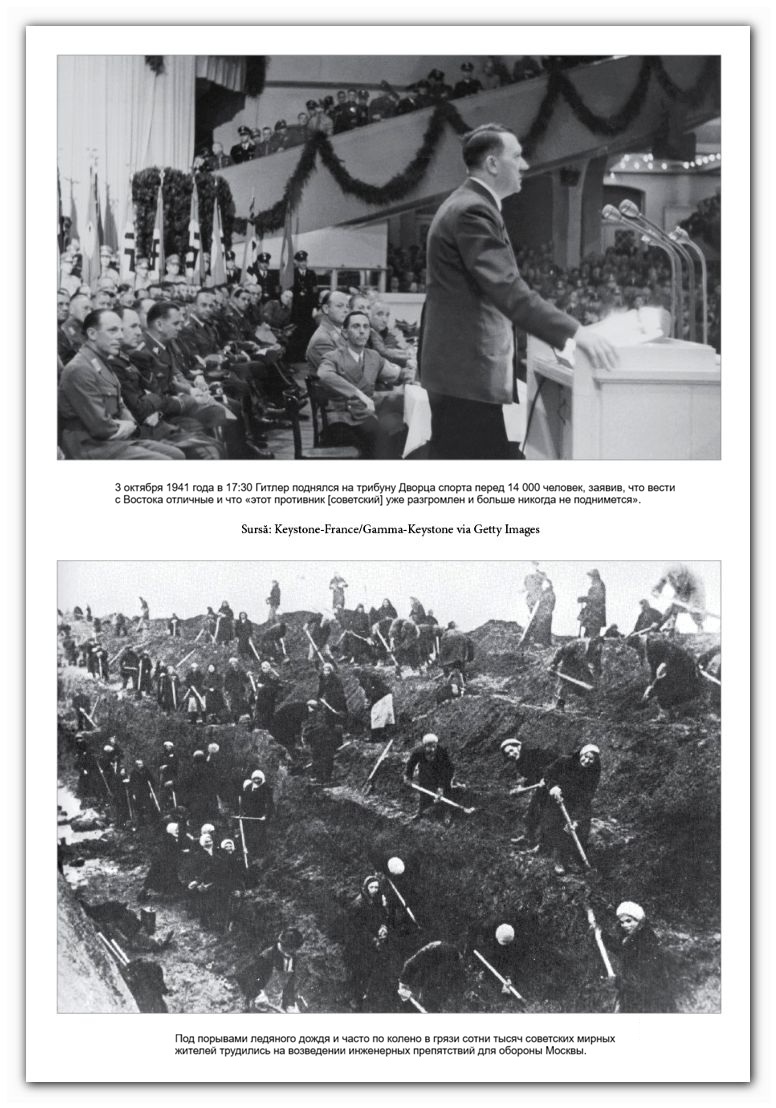
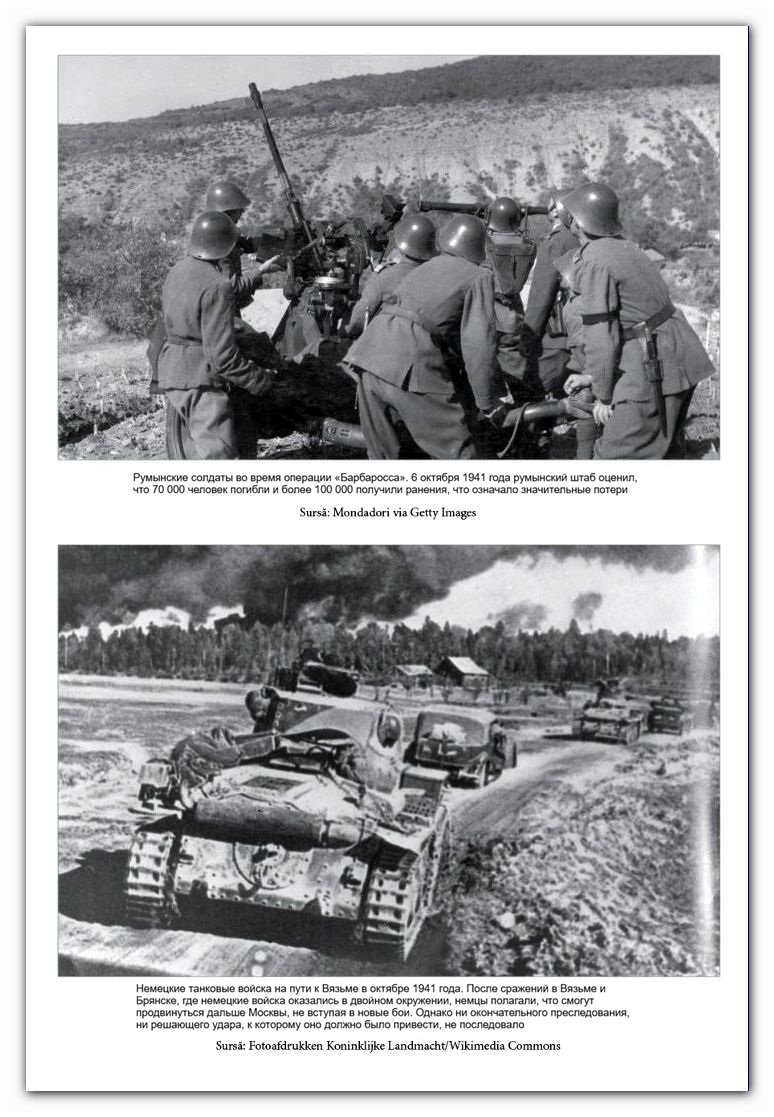
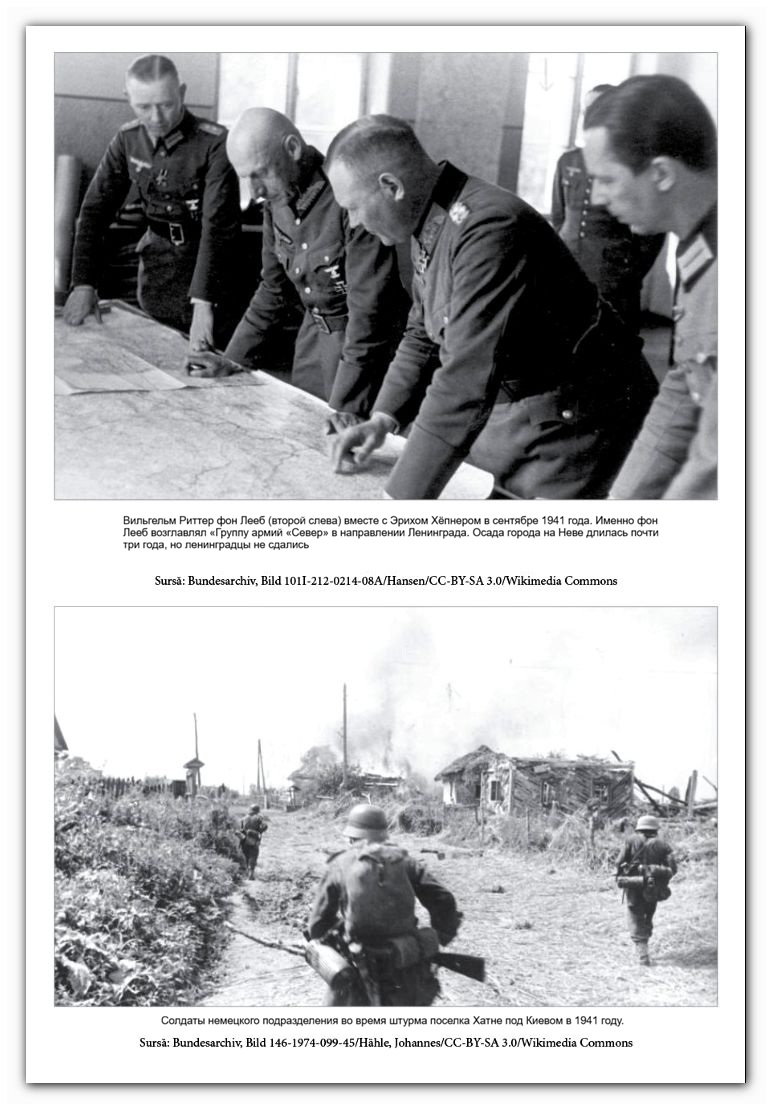
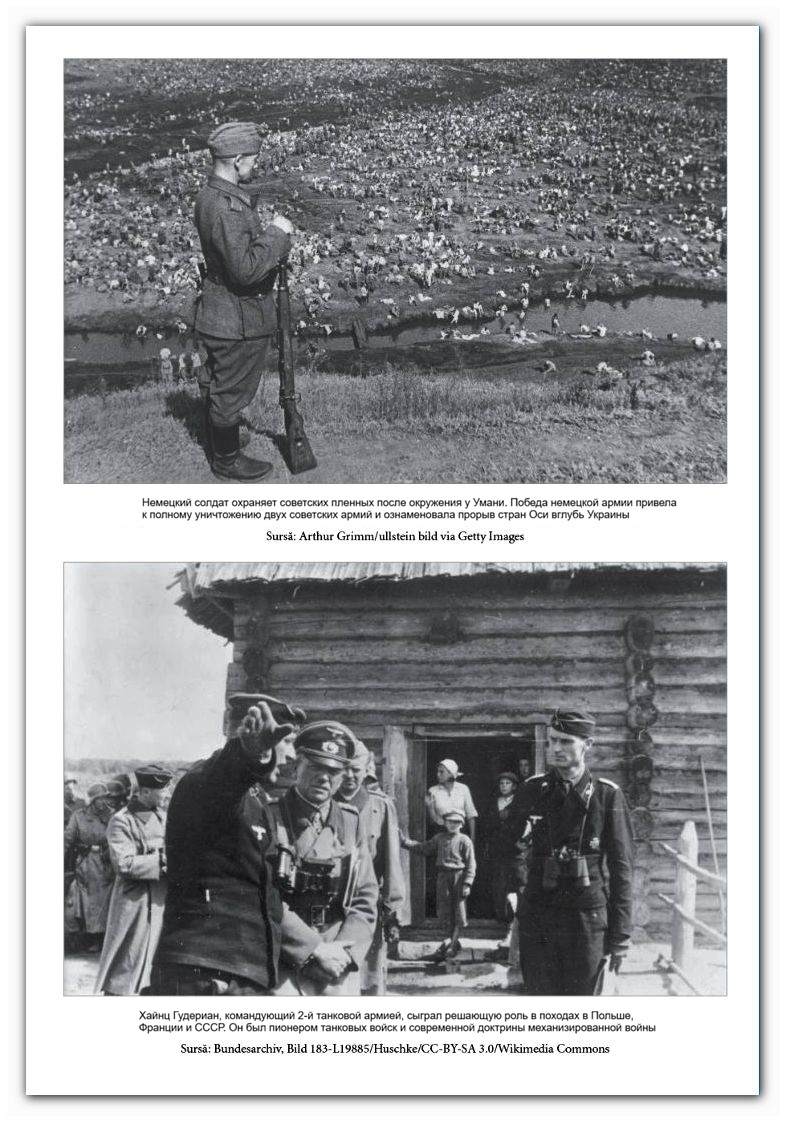
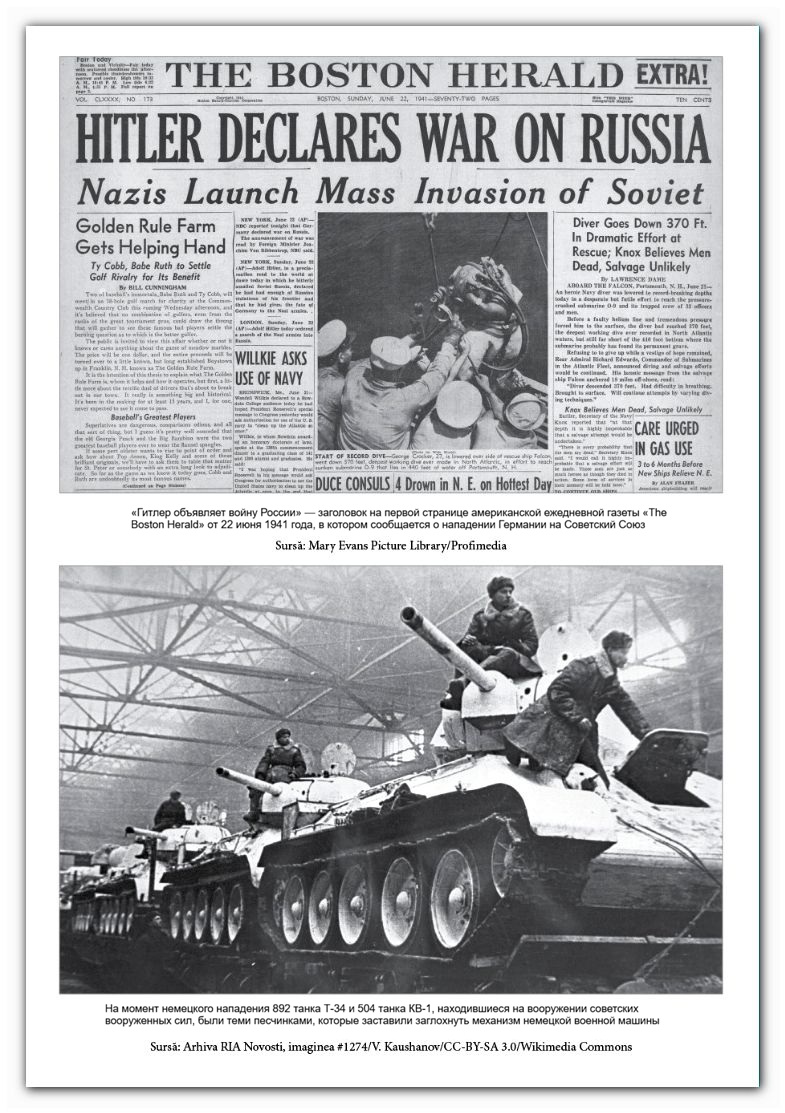
Operation Barbarossa: The Eastern Front, 1941. Total WarJean Lopez · Lasha Otkhmezuri Front cover: Operation Barbarossa. The Eastern Front, 1941. Total War. Back cover of the Romanian edition. Spine of the Romanian edition. Author biographies: Jean Lopez and Lasha Otkhmezuri. Vladimir Gelfand is mentioned in the electronic edition on pp. 23, 707, 708, 847, 1225, 1226, 1237 and 1264. Personal diaries are also valuable sources, especially for capturing shifts in public opinion and that emblematic product of Soviet society: rumor. As recurring threads through the narrative, I used the personal writings of Vladimir Vernadsky, Lyubov (Lyuba) Shaporina, Lidia Osipova, Mikhail Prishvin, Anna Ostroumova-Lebedeva, Georgy Efron, Vladimir Gelfand and Semyon Putyakov. In the Red Army it was forbidden to keep a personal diary, and violating this rule could lead to severe punishment, including death, as happened in the case of Semyon Putyakov. In addition to the diaries of ordinary civilians and soldiers, I also used the recently published diaries of Stalin's associates, such as Vyacheslav Malyshev, People's Commissar for tank production, and senior generals such as Stepan Kalinin, commander of the 24th Army. For more than a decade I also interviewed - especially for the magazine Guerres & Histoire - the last surviving veterans of the Red Army, the siege of Leningrad and the industrial mines of the Urals. With the usual precautions required for documents of this kind, I incorporated some of the memories of people who had taken part in the events. To these sources must be added the transcripts of interrogations of former German generals and diplomats carried out by the Soviets after the war and published in the 2000s. Nor should Sergei Mikhalev be forgotten. A professor at the Russian Institute of Military History who died in 2005, he published two books, in 2000 and 2002, based on the Central Archive of the Ministry of Defense; they corrected General Krivosheev's data on Red Army losses. Many documents, however, remain under lock and key, whether orders issued by Stavka or the visitor logs for Stalin's Kremlin apartment. Researchers have access only to the records concerning Stalin's office. Top: “Hitler declares war on Russia,” the front-page headline of The Boston Herald on 22 June 1941, announcing the German attack on the Soviet Union. Source: Mary Evans Picture Library / Profimedia. Bottom: At that moment, the 892 T-34 tanks and 504 KV-1 tanks in Red Army service were among the surprises that caused serious difficulties for the German war machine. Source: RIA Novosti archive, image #1274 / V. Kaushanov / CC BY-SA 3.0 / Wikimedia Commons. Top: Soviet soldiers manning a machine gun. Soviet manpower resources were immense, but losses were treated with indifference by the leadership. Bottom: German soldiers near Moscow in December 1941. The Russian winter and inadequate equipment contributed to major German losses, while the immediate threat to Moscow was removed; the German plan for a blitzkrieg in the USSR had failed. Source: Narodowe Archiwum Cyfrowe / Wikimedia Commons. Top: On 3 October 1941 at 5:30 p.m., Hitler mounted the podium in the Sports Palace before 14,000 people and announced that the news from the East was excellent and that “this adversary [the Soviets] is already broken and will never rise again.” Source: Keystone-France / Gamma-Keystone via Getty Images. Bottom: Under freezing rain and often knee-deep in mud, hundreds of thousands of Soviet civilians worked on obstacles intended to defend Moscow. Top: Romanian soldiers during Operation Barbarossa. On 6 October 1941, Romanian General Headquarters estimated that 70,000 men had been killed and more than 100,000 wounded; the losses were considerable. Source: Mondadori via Getty Images. Bottom: German armored forces advancing toward Vyazma in October 1941. After the double encirclement of Vyazma-Bryansk, the Germans believed the road to Moscow was open. Roads, mud, cold and renewed fighting prevented the final pursuit from achieving the decisive blow that had been expected. Source: Fotoafdrukken Koninklijke Landmacht / Wikimedia Commons. Top: Wilhelm Ritter von Leeb, second from the left, together with Erich Hoepner in September 1941. Von Leeb led Army Group North toward Leningrad. The assault on the city on the Neva lasted almost three years without the Germans taking it. Source: Bundesarchiv, Bild 101I-212-0214-08A / Hansen / CC BY-SA 3.0 / Wikimedia Commons. Bottom: Members of a German detachment attacking the village of Hatne near Kyiv in 1941. Source: Bundesarchiv, Bild 146-1974-099-45 / Hähle, Johannes / CC BY-SA 3.0 / Wikimedia Commons. Top: A German soldier guarding Soviet prisoners after the Battle of Uman. The German victory led to the destruction of two Soviet armies and marked the Axis advance into Ukraine. Source: Arthur Grimm / ullstein bild via Getty Images. Bottom: Heinz Guderian, commander of the 2nd Panzer Army, played a crucial role in the campaigns in Poland, France and the USSR. He was a pioneer of armored forces and modern mechanized warfare doctrine. Source: Bundesarchiv, Bild 183-L19885 / Huschke / CC BY-SA 3.0 / Wikimedia Commons. Vladimir Gelfand and the evacuation from DnipropetrovskAs the Germans approached, the population of the right bank began to be evacuated. Vladimir Gelfand, an eighteen-year-old Jewish youth, witnessed the retreat in his native city of Dnipropetrovsk: “That is it: the families of members of the city soviet and the militia have begun to evacuate. Vehicle horns can be heard; thousands of men and women are leaving the city day and night. And rumors have begun to circulate. Those who remain watch this departure indignantly and have started saying that only the Jews have fled, that they have thousands of rubles hidden away and know how to use them.” A few days later Gelfand himself was evacuated to Essentuki, far from the front in the North Caucasus. There he wrote: “In the streets, in the parks, in bakeries, in the queues for fuel - everywhere one hears murmuring, vile, horrible, hateful murmuring. Everyone talks about the Jews. For the moment people still speak timidly, looking around. Jews are thieves; a Jewish woman stole this and that. Jews are very rich. One Jewish woman has 50,000 rubles, although she complains of poverty, saying she has nothing to eat or wear. [...] Jews do not like to work. Jews do not want to serve in the Red Army. Jews live in the cities without having the right to do so. Jews live at our expense. In short, Jews are the source of all our misfortunes. Because of my appearance, no one suspects that I am Jewish, and all of this is often said directly to me.” The Battle of Dnipropetrovsk and urban warfareThe day after Vladimir Gelfand left, the Battle of Dnipropetrovsk began. Although it is rarely mentioned in historical narratives, the text argues that it deserves analysis because it grew out of a form of combat that emerged with Operation Barbarossa and would remain, to a greater or lesser extent, a defining feature of the German-Soviet confrontation: urban warfare. Like other armies of the period, the Wehrmacht had paid little attention to this type of fighting. Its one major prior experience had been Warsaw between 8 and 28 September 1939. The destruction of a large part of the Polish capital by heavy artillery and Luftwaffe bombing served as a warning to the rest of Europe. For that reason, political and military authorities in the Netherlands, Belgium, France, Yugoslavia and Greece sometimes declared cities “open,” recognizing that the struggle was already lost and that civilian casualties and the destruction of historic heritage should be avoided. Gelfand's doubts in the autumn of 1941By the beginning of autumn, Soviet morale had fallen toward zero. Gelfand, displaced to Essentuki, no longer concealed his doubts: “The day before yesterday the Germans took Bryansk, yesterday Vyazma, and today (oh, how terrible!) Mariupol. How long can this continue? [...] Now not only Moscow and the Donbas are in danger, but Rostov, Crimea and the Caucasus as well. [...] We ask ourselves: where are the English and the Americans? Or do they too feel powerless before Hitler? [...] I remember that not long ago the fall of Kyiv and Odessa and the occupation of my beloved Dnipropetrovsk, so far from the frontier, seemed inconceivable to me. [...] I draw a parallel with France, Belgium, Holland and Poland - compared with them our troops are fighting heroically; but if one compares the USSR with poorly armed China, heroic Spain, or unarmed Abyssinia and Albania, everything begins to seem a little strange, and I feel ashamed of my country. To lose such a vast territory in such a short time! [...]” © Jean Lopez · Lasha Otkhmezuri · © Corint Books / Grupul Editorial Corint |