



|
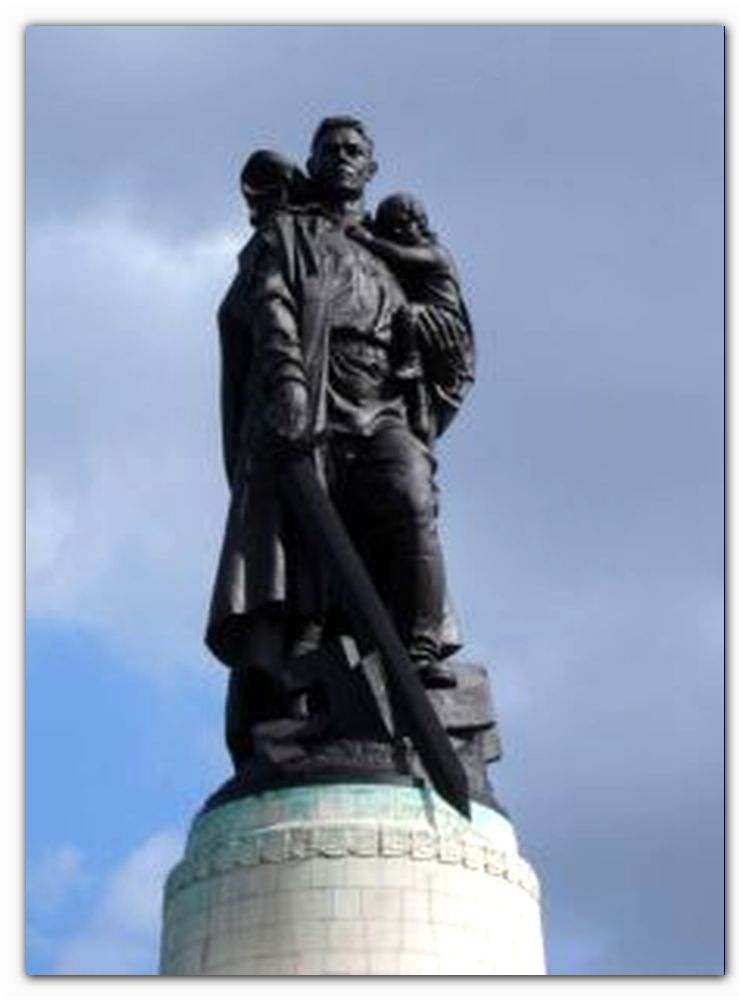
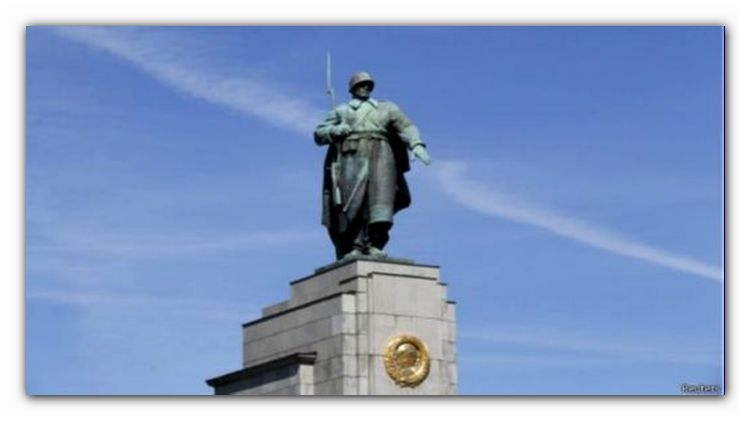
El monumento conmemorativo soviético de Treptower Park fue erigido entre 1946 y 1949 como un monumental lugar funerario para 5.000 soldados de la Armada Roja que murieron en batalla. El diseño fue realizado por un colectivo de artistas al que pertenecían Jakow S. Belopolski (arquitecto), Jewgeni W. Wutschetitsch (escultor), Alexander A. Gorpenko (pintor) y la ingeniera Sarra S. Valerius. Berlin.de 4.800 soldados caídos en batalla están enterrados bajo las secciones de la superficie de césped situadas más profundas; otros 200 soldados están enterrados bajo la colina sobre la que se encuentra el mausoleo. Ocho sarcófagos situados a lado y lado de las secciones de césped rectangulares simbolizan las 15 repúblicas de la antigua Unión Soviética. Los relieves representan las escenas de la “Gran Guerra Patriótica” contra la Alemania nacionalsocialista. |
||
 |
||
| O Memorial é um belo exemplo de um monumento soviético típico da época. Mesmo não havendo imagens do líder soviético na área memorial, Stalin é muito presente nas diversas citações encontradas nos painéis em ambos os lados do espaço aberto. Este memorial pode ser visto como um presente de Stalin para o grupo de soldados e suas famílias, mas também era um lembrete para os alemães orientais de que foi o Exército Vermelho que os libertou dos nazistas. Sowjetisches Ehrenmal ainda serve como um memorial vivo para os veteranos do Exército Vermelho que detêm regularmente cerimônias no local onde eles colocam grinaldas no mausoléu para honrar os seus camaradas caídos. Alemalizando | ||
 |
||
|
O sol se põe sobre o Treptower Park, nos arredores de Berlim, e eu observo uma estátua que faz um desenho dramático contra o horizonte. Com 12 metros de altura, ela mostra um soldado soviético segurando uma espada numa mão e uma menina alemã na outra, pisando sobre uma suástica quebrada. A estátua marca um lugar onde estão enterrados 5 mil dos 80 mil soldados do Exército Vermelho mortos na Batalha por Berlim entre 16 de abril e 2 de maio de 1945. A proporção colossal do monumento reflete o sacrifício destes soldados. No entanto, para alguns, a estátua poderia ser chamada de Túmulo do Estuprador Desconhecido. Setenta anos depois do fim da guerra, pesquisas ainda revelam a dimensão da violência sexual sofrida pelas alemãs nas mãos não apenas dos soviéticos, mas também de americanos, dos britânicos e dos franceses. |
||
 |
||
|
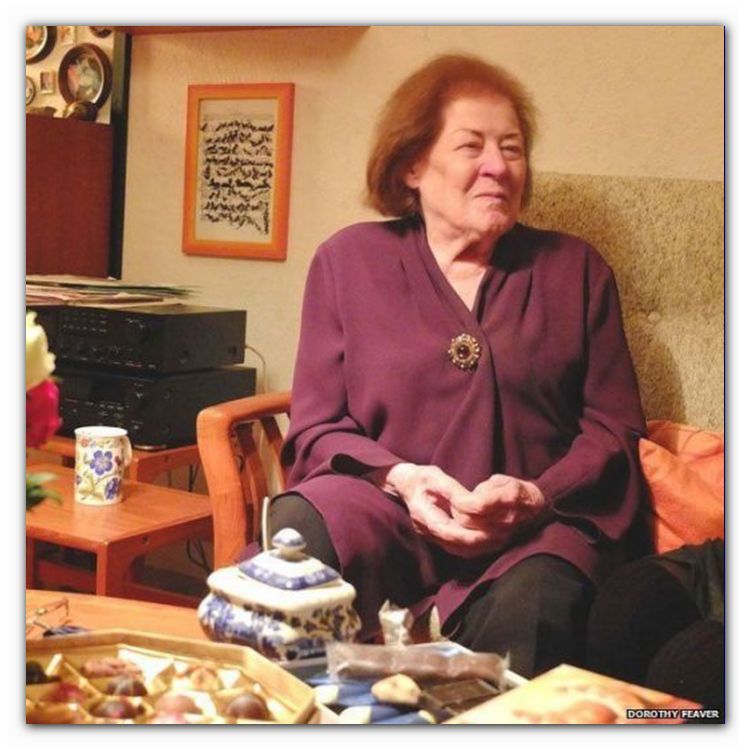
Em 2008, o diário da berlinense foi transformado em um filme, chamado de Anonyma, com uma atriz alemã conhecida, Nina Hoss. O filme teve um efeito catártico na Alemanha e estimulou muitas mulheres a falarem sobre suas experiências. Entre elas estava Ingeborg Bullert (foto), hoje com 90 anos. Ela mora em Hamburgo, no norte da Alemanha. Em 1945, ela tinha 20 anos, sonhava em ser atriz e vivia com a mãe em Berlim. Os estupros afetaram mulheres em toda Berlim. Ingeborg lembra que as mulheres entre 15 e 55 anos tinham que fazer exames para doenças sexualmente transmissíveis. ,”Você precisava do atestado médico para conseguir os cupons de comida e lembro que todos os médicos faziam estes atestados e que as salas de espera estavam cheias de mulheres.” Há documentos que expõem um alto número de pedidos de aborto – contra a lei na época –, devido à “situação especial”. |
||
 |
||
|
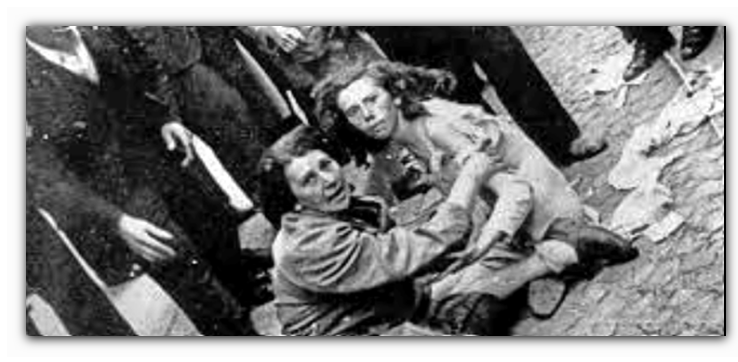
Uma das muitas fontes de informação sobre estes estupros é o diário mantido por um jovem oficial soviético judeu, Vladimir Gelfand, um tenente vindo da região central da Ucrânia, que, de 1941 ao fim da Guerra, pôs no papel seus relatos, apesar de os soviéticos terem proibido diários de militares. Os manuscritos – que nunca foram publicados – mostram como a situação era difícil nos batalhões: alimentação pobre, piolhos, antissemitismo e soldados roubando botas uns dos outros. “Se as pessoas não querem saber a verdade, estão apenas se iludindo. O mundo todo entende (que ocorreram estupros), a Rússia entende e as pessoas por trás das novas leis sobre difamar o passado, até elas entendem. Não podemos avançar sem olhar para o passado”, disse Vitaly Gelfand, filho do autor do diário, Vladimir Gelfand, não nega que muitos soldados soviéticos demonstraram bravura e sacrifício durante a guerra, mas, segundo ele, esta não é a única história. |
||
 |
||
|
The Russian parliament recently passed a law that states that anyone who disparages history of Russia in World War II may have to pay fines or be imprisoned for up to five years. – O Sentinela A young historian of Moscow University of Humanities, Vera Dubina, only found out about the rapes after going to Berlin because of a scholarship. She wrote a study on the subject, but struggled to publish it. |
© UM CANCERIANO SEM LAR
 Portuguese
The Soviet Memorial in Treptow Park was built between 1946 and 1949 as a monumental burial place for Red Army soldiers killed in battle. The remains of about 5,000 Soviet soldiers who died during the assault on Berlin in the spring of 1945 are buried here.
The memorial was designed by a creative team consisting of architect Yakov S. Belopolsky, sculptor Yevgeny V. Vuchetich, artist Alexander A. Gorpenko, and engineer Sarra S. Valerius.
Around 4,800 soldiers are buried beneath the deep green lawns of the memorial complex, while another 200 lie beneath the mound crowned by the monumental statue of a Soviet soldier. On both sides of the central avenue stand eight granite sarcophagi symbolizing the fifteen republics of the former Soviet Union. Reliefs on the sarcophagi depict scenes from the Great Patriotic War — the Soviet people’s struggle against National Socialist Germany.
The Treptow Park memorial is a striking example of Soviet monumental architecture characteristic of the postwar period. Although there are no images of Joseph Stalin in the memorial area, his presence is strongly felt: numerous quotations from the Soviet leader are carved into the walls on both sides of the open space.
The memorial can be seen as a kind of gift from Stalin to the fallen soldiers and their families, while at the same time it reminded the population of East Germany who had liberated them from the Nazi dictatorship.
The Soviet war memorial remains a place of living remembrance to this day. Red Army veterans regularly hold ceremonies there and lay wreaths at the mausoleum in honor of fallen comrades.
The sun is setting over Treptow Park, not far from central Berlin. I look at the statue, dramatically silhouetted against the horizon. The twelve-meter monument depicts a Soviet soldier holding a sword in one hand and a German girl in the other. Beneath his foot is a shattered swastika.
The memorial marks the burial place of five thousand of the roughly eighty thousand Red Army soldiers killed in the Battle of Berlin between 16 April and 2 May 1945. Its monumental scale emphasizes the enormous human losses suffered by the Soviet Union.
For some people, however, the monument inspires not admiration but protest: they call it “the Tomb of the Unknown Rapist.”
Seven decades after the end of the war, historical research continues to shed light on the scale of sexual violence inflicted on the German population not only by Soviet soldiers but also — to a lesser, though still significant extent — by American, British, and French troops.
In 2008 the Berlin diary A Woman in Berlin was adapted for the screen under the title Anonyma, with well-known German actress Nina Hoss in the leading role. The film had a cathartic effect on German society and prompted a wave of disclosures: many women who had previously remained silent spoke publicly about their experiences for the first time.
Among them was Ingeborg Bullert, pictured in the article, who was then ninety and living in Hamburg in northern Germany. In the spring of 1945 she was only twenty years old. She dreamed of becoming an actress and lived in Berlin with her mother.
A wave of sexual violence swept the entire city. Ingeborg remembers that women between the ages of fifteen and fifty-five had to undergo medical examinations for sexually transmitted infections.
“We needed a medical certificate in order to receive ration cards. I remember very well how the doctors issued those certificates — and how their waiting rooms were full of women,” she says.
Archival documents confirm that in those months the number of requests for abortions rose sharply, even though abortion was still strictly prohibited by law. Medical records often gave the reason in the characteristic wording: “because of the special circumstances.”
One of the key sources of information about the mass rapes committed during the final months of the war is the diary kept by a young Jewish Red Army officer, Vladimir Gelfand. The lieutenant from central Ukraine began writing in 1941 and continued until the end of the war, despite the Soviet command’s categorical prohibition on keeping personal wartime diaries.
His manuscripts, which remained unpublished for many years, reveal not only the reality of everyday life at the front — poor food, lice, widespread antisemitism, soldiers stealing one another’s boots — but also document the moral degradation expressed through sexualized violence.
“If people do not want to know the truth, they are simply deceiving themselves. The whole world understands that this happened. Russia understands it. Even those behind the new laws against ‘slandering the past’ understand it perfectly well. We will not be able to move forward until we learn to look back,” says Vitaly Gelfand, the diarist’s son.
He stresses that the heroism and sacrifices of Soviet soldiers in the struggle against Nazism are beyond question. But, he says, that is only one side of the truth. The full picture of the war is more complicated and more tragic, and it requires an honest discussion.
In recent years Russian state policy has increasingly sought to control historical memory of the Second World War. The Russian parliament recently adopted a law under which anyone who challenges the official version of history or “denigrates the role of the USSR in victory” may be fined or sentenced to up to five years in prison.
A young researcher at Moscow University for the Humanities, Vera Dubina, first learned about the mass rapes committed by the Red Army only after receiving an international scholarship for a study trip to Berlin. Shocked by the scale of the violence, she decided to devote her academic research to the subject. Her attempts to publish the work in Russia, however, were unsuccessful: editors rejected it and the topic was considered “too sensitive” and “inappropriate.”
