
|
Köp boken hos din
bokhandlare
Adlibris
|
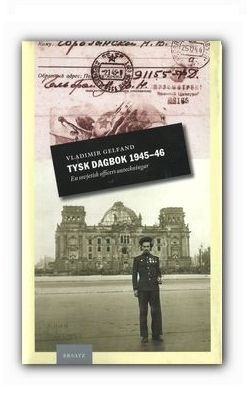
Vladimir
Gelfand
Den första privata dagboken av en officer i Röda armén på svenska, skriven av Vladimir Gelfand, en ung ukrainsk jude. Han tog sin tillflykt till dagboken på nätterna efter striderna under framryckningen mot Berlin. Som en sann krönikör undviker Gelfand inte känsliga ämnen som bristande disciplin bland de egna trupperna, ryska hämndaktioner, plundringar, massvåldtäkter och andra övergrepp mot den tyska civilbefolkningen. Vid fronten upplever Vladimir Gelfand våld, förstörelse och dödsfara, kamratskap och småaktighet. I slutet av april 1945 drar han in i Berlin som en av alla segrare. Under en tid utan fasta förpliktelser söker han efter tillfällen att få komma undan det trista kasernlivet. Han är ung, snygg och belevad och söker kontakt med den tyska civilbefolkningen, inte minst bland unga kvinnor. Hans frimodiga anteckningar visar att förhållandet mellan de sovjetiska soldaterna och tyskarna inte alltid präglades av hat, missförstånd och övergrepp. Gelfand tyckte illa om allt som hade med militären att göra och bröt mot förbudet att umgås privat med tyskarna. Han tog sina uppgifter i partiet och som medarbetare vid en transportavdelning på stort allvar, men efter krigets dödliga faror längtade han efter »Frihet! Friheten att leva, att tänka, att arbeta, att njuta av livet.« Den här önskan ledde ofta till konflikter mellan Gelfand och hans kamrater, som anklagade honom för bristande disciplin. Läsaren får en unik inblick i tankarna och känslorna hos en segrare ur Stalins arméer under och första året efter Nazitysklands sammanbrott.
ISBN
91-88858-21-9
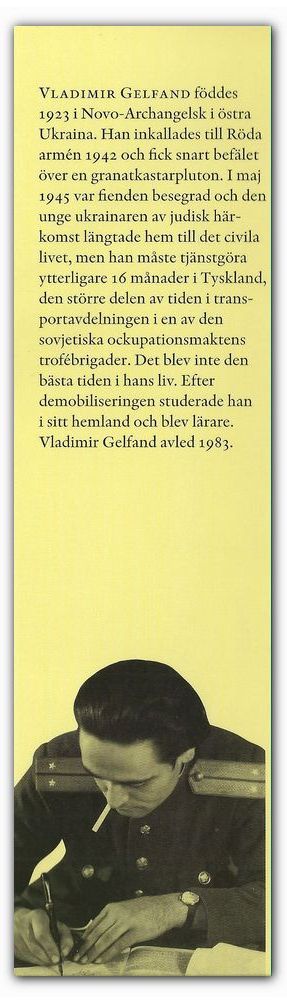
Ännu mer än av den fysiska påfrestningen förmörkades Gelfands segerstämning av bråken med andra officerare. Inte heller var han nöjd med alla soldater som var underställda honom i granatkastarplutonen. Han kände sig ringaktad och såg sig utsatt för förtal och grova skämt. Svårigheter som Gelfand, vän av de sköna konsterna, redan tidigare hade haft med frontkamrater, skärptes nu genom att truppernas segerrika frammarsch även släppte kriminell verksamhet fri. Allt oftare blev han måltavla för fientligheter, som gick så långt som till handgripligheter. För Gelfand var situationen deprimerande också därför att han förbigicks i utdelningen av utmärkelser. Arrogans och hätskhet hänförde han dock inte bara till ”judefobi”, som han uttryckte sig, utan även till råhet, dumhet, oanständigheter och en fientlig inställning mot intellektuell verksamhet ända in i officerskåren. Efter
kriget var Gelfand verksam som lärare och avled 1983.> Tysk dagbok 1945–46. En sovjetisk officers anteckningar (utk maj 2006 |
|
 |
 |
|

Это не просто необычное историческое свидетельство, которое делает дневник Владимира Гельфанда столь ценным для исследователей. В его записях отражается внутренняя борьба, моральные и политические сомнения, а также сложное сочетание жестокости и сострадания. Красноармеец Гельфанд оказался в ситуации, где победители сталкивались с побежденными, и этот опыт выходит за рамки привычных исторических нарративов.
На улицах Германии 1945 года он видел толпы беженцев, ампутированных солдат, осиротевших детей и немецких женщин, вынужденных продавать себя за еду. Он фиксирует эти сцены с наблюдательной отстраненностью, но и с явным желанием осмыслить происходящее. В своем дневнике Гельфанд не просто регистрирует увиденное — он пытается понять, что значит быть победителем и какую цену за это приходится платить.
Per Landin, DNПервый частный дневник офицера Красной армии, опубликованный в Швеции, принадлежит Владимиру Гельфанду, молодому украинскому еврею. Его записи представляют собой уникальное свидетельство войны и первых месяцев советской оккупации Германии. В своем дневнике он укрывается в мыслях и чувствах после боевых действий во время наступления на Берлин. Как истинный летописец, Гельфанд не избегает сложных и чувствительных тем: недостаток дисциплины среди войск, репрессии, мародерство, массовые изнасилования и другие преступления против немецкого гражданского населения.
На фронте он переживает ужасы войны — насилие, разрушение и смерть, но также ощущает товарищество и сталкивается с проявлениями человеческой мелочности. В конце апреля 1945 года Гельфанд входит в Берлин как победитель. Не имея четких обязанностей, он стремится уйти от однообразия казарменной жизни. Молодой, привлекательный и любознательный, он ищет контакта с немецким гражданским населением, особенно с женщинами. Его откровенные записи показывают, что отношения между советскими солдатами и немцами не всегда были отмечены ненавистью, недоверием и насилием.
Гельфанд нарушает запрет на общение с местными жителями, так как ему интересно узнать страну, которую он когда-то считал врагом. Он воспринимает свои партийные обязанности и работу в транспортном отделе оккупационной администрации серьезно, но после смертельно опасных месяцев на фронте тоскует по свободе. «Свобода! Жить свободно, думать, работать, радоваться жизни» — пишет он в дневнике. Это стремление к нормальной жизни приводит его к конфликтам с сослуживцами, которые обвиняют его в недисциплинированности и чрезмерной самостоятельности.
Дневник Гельфанда дает уникальную возможность заглянуть в мысли и чувства молодого офицера Красной армии, пережившего крах нацистской Германии и оказавшегося среди победителей, но не всегда ощущавшего себя таковым.
Владимир
Гельфанд
Владимир Гельфанд родился в 1923 году в Ново-Архангельске, небольшом городке в Восточной Украине. Его семья, еврейского происхождения, жила очень скромно. В начале 1944 года Гельфанд ушел на фронт и оказался вовлечен в бои на южном участке Днепра. Проведя два с половиной года в армии, из которых менее половины приходилось на активные боевые действия, он постепенно осознал, что не испытывает тяги к фронту. Как и многие другие солдаты, он искал удобные пути, используя доступные способы передвижения, избегая лишнего риска и патрулей.
Осенью 1944 года его дивизия находилась восточнее Варшавы. В январе 1945 года он был переведен в 1052-й полк 301-й стрелковой дивизии. Утром 14 января 1945 года началось наступление Красной армии на запад, с артиллерийской подготовки, длившейся 25 минут. 1052-й стрелковый полк вступил в бой с немецкими частями, но, несмотря на сопротивление, советские войска довольно быстро сломили противника. В течение двух недель они достигли довоенной границы Германии. Дневники Гельфанда отражают его усталость, но также гордость и предвкушение победы. К концу 1944 года он, как и многие другие, с нетерпением ожидал участия в взятии Берлина, и теперь эта цель становилась все ближе.
Однако, помимо физических трудностей, Гельфанда угнетала повседневная армейская жизнь и конфликты с сослуживцами. Он не был удовлетворен всеми солдатами, подчиненными ему в минометном взводе, а сам часто становился объектом грубых шуток и клеветы. Его любовь к искусству и литературе, выраженный интеллект и независимость от общепринятых армейских норм вызывали у многих раздражение. В армии, особенно в ходе победоносного наступления, командование часто закрывало глаза на жестокое поведение некоторых солдат. Гельфанд становился мишенью агрессии и даже подвергался угрозам физического насилия.
Для него особенно болезненной была несправедливость в распределении наград. Он видел в этом не только антисемитские настроения, но также личную неприязнь со стороны командиров, их жестокость, грубость и презрение к интеллектуальной деятельности.
После окончания войны Гельфанд работал учителем, однако его профессиональная карьера не была успешной. Он столкнулся с антисемитизмом и мог рассчитывать лишь на скромные должности в системе профессионального образования. Несмотря на амбиции стать писателем, его литературная деятельность не получила признания. Политические условия в СССР при Сталине, Хрущеве и Брежневе не позволяли ему свободно издавать свои произведения. Гельфанд умер в 1983 году.
Немецкий дневник 1945-46. Советский офицер заметки (май 2006 года)
В 10 часов вечера я был на вокзале. Я начал спрашивать немцев о том, каким маршрутом мне лучше добраться и где нужно будет пересаживаться. Одни советовали ехать в Ораниенбург, а затем утром пересесть в Креммен, другие — и это было самым правильным — рекомендовали поехать в Хеннигсдорф. Я уже продумал оба маршрута. Первый был длиннее, но проще — всего одна пересадка. Однако большинство убедило меня, и я сел на поезд до Хеннигсдорфа.
Поездка заняла много времени. В вагоне было темно, все места заняты. Я стоял зажатым между пассажирами, но атмосфера в темноте была оживленной. Жители пригорода Берлина болтали о свинине, сале и шоколаде. Затем разговор перешел на политику. Одна женщина громко сказала:
— Ты уже перенял русские привычки!
Эти слова ударили меня, как ножом в сердце, и я не мог оставить их без ответа. Я повернулся к остальным пассажирам и спросил:
— Неужели русские действительно так плохи, а их привычки хуже ваших?
Все в вагоне ополчились против женщины, сказавшей неосторожные слова: кто-то из лицемерия, кто-то из страха передо мной, а кто-то, возможно, действительно говорил искренне. Были и такие, кто (не без оснований) ставил под сомнение культурность русских, приводил примеры и доказательства. Разговор продолжался вплоть до прибытия в Креммен, и даже по пути от станции обсуждение не утихало. Я сделал все возможное, чтобы немцы поняли мою страну и мой народ лучше, чтобы проявляли больше уважения к нашей культуре. Не знаю, насколько мне это удалось, но, по крайней мере, больше никто не высказывался пренебрежительно о России.
Затем ко мне подошла пожилая женщина, заискивающе улыбаясь, посмотрела мне в глаза и тихо сказала:
— Но позавчера, господин лейтенант, ваши «товарищи» разграбили мою квартиру...
После этих слов она исчезла в толпе.
В Креммене все было, как раньше, но в квартире произошли небольшие изменения. Капитан, который здесь расквартировался, пока меня не было, больше тут не жил. Вместо него теперь здесь находился сержант из политотдела. Мне пришлось ночевать на полу.
На следующий день я провел весь день, собирая чемоданы. Я не хотел, чтобы мое заявление в политический отдел было принято, а я оказался не готовым к отъезду — снова либо в батальон, либо, возможно, обратно в запасной полк. Я уже значительно превысил срок своей служебной командировки, приехал на два дня позже установленного срока и, таким образом, злоупотребил доверием начальства. Как он отреагирует — неизвестно.
Все кончено. То, чего я больше всего боялся и чего так неохотно ждал, произошло. Дверь в политический отдел захлопнулась передо мной, хотя казалась уже приоткрытой. Ну что ж, буду работать усердно. Судьба снова против меня, показывая свою темную сторону. Завтра все вернется на круги своя: снова взвод, снова вернувшиеся с фронта солдаты, снова я — бедный командир взвода без перспектив. Неужели мне суждено только страдать?
Креммен.
Вчера я снова обратился к майору Иванцову, начальнику отдела кадров.
— Политотдел армии и фронта отказали мне в переводе на политработу. Я снова к вам.
— Ну что ж, раз прибыли, идите, — сказал он, немного подумал и добавил, смягчившись. — Я сейчас уезжаю в командировку. Приходите ко мне поздно вечером, часиков в десять.
Но ни в 22:00 того дня, ни в 9:00, ни в 12:00 сегодняшнего он меня принять не мог. В 13:00 он попросил «подождать немного», и до 16:00 я терпеливо топтался в коридоре.
— Ну вот, куда мне вас теперь направить? На что вы вообще способны? Пойдете техническим делопроизводителем?
— А какие еще есть вакансии? Может, что-нибудь полегче?
— А вы хотите вообще ничего не делать?!
— Нет, нисколько. Просто на первых порах мне будет трудно осваиваться на новой должности.
— Справитесь. Вы грамотный, писать умеете.
Я согласился.
— Пойдите, принесите командировочное предписание и личное дело. У капитана напротив, в кабинете.
Я пошел, радуясь, что мои документы в порядке. По крайней мере, так мне сказали в штабе 27-го полка. Но каково же было мое удивление и растерянность, когда передо мной появилось мое потрепанное, испорченное личное дело, которое уже немало нервов мне потрепало за последние месяцы. Но делать нечего.
С начальником отдела кадров я снова оказался на приеме у командира бригады.
— Ну вот, придется вам на новой работе показывать свои способности. А почему у вас такое плохое личное дело?
Я молчал.
— Товарищ лейтенант, я спрашиваю: почему у вас такая аттестация?! Объясните!
— Они заставили меня грабить публичную библиотеку. Назначили меня ее начальником. Мы вывезли более 10 тысяч русских книг с немецкими штампами. Это были книги, украденные у нас, и я брал их без зазрения совести. Но когда в книгах появились немецкие штампы, я отказался их брать, и это вызвало недовольство начальства.

 Swedish
Vladimir Gelfand — Germany Diary 1945–46: Notes of a Soviet Officer
What makes Vladimir Gelfand’s diary valuable is not only its unusual character as a historical document. The entries also reveal an inner struggle, moral and political doubts, and a complicated mixture of brutality and compassion. Gelfand, a Red Army soldier, found himself in the world where victors encountered the defeated, and his experience does not fit easily into familiar historical narratives.
On the streets of Germany in 1945 he saw crowds of refugees, amputee soldiers, orphaned children and German women forced to exchange sex for food. He records such scenes with an observer’s distance but also with an evident desire to understand what he is seeing. He does more than register events: he asks what it means to be a victor and what price that victory carries.
Per Landin, DN
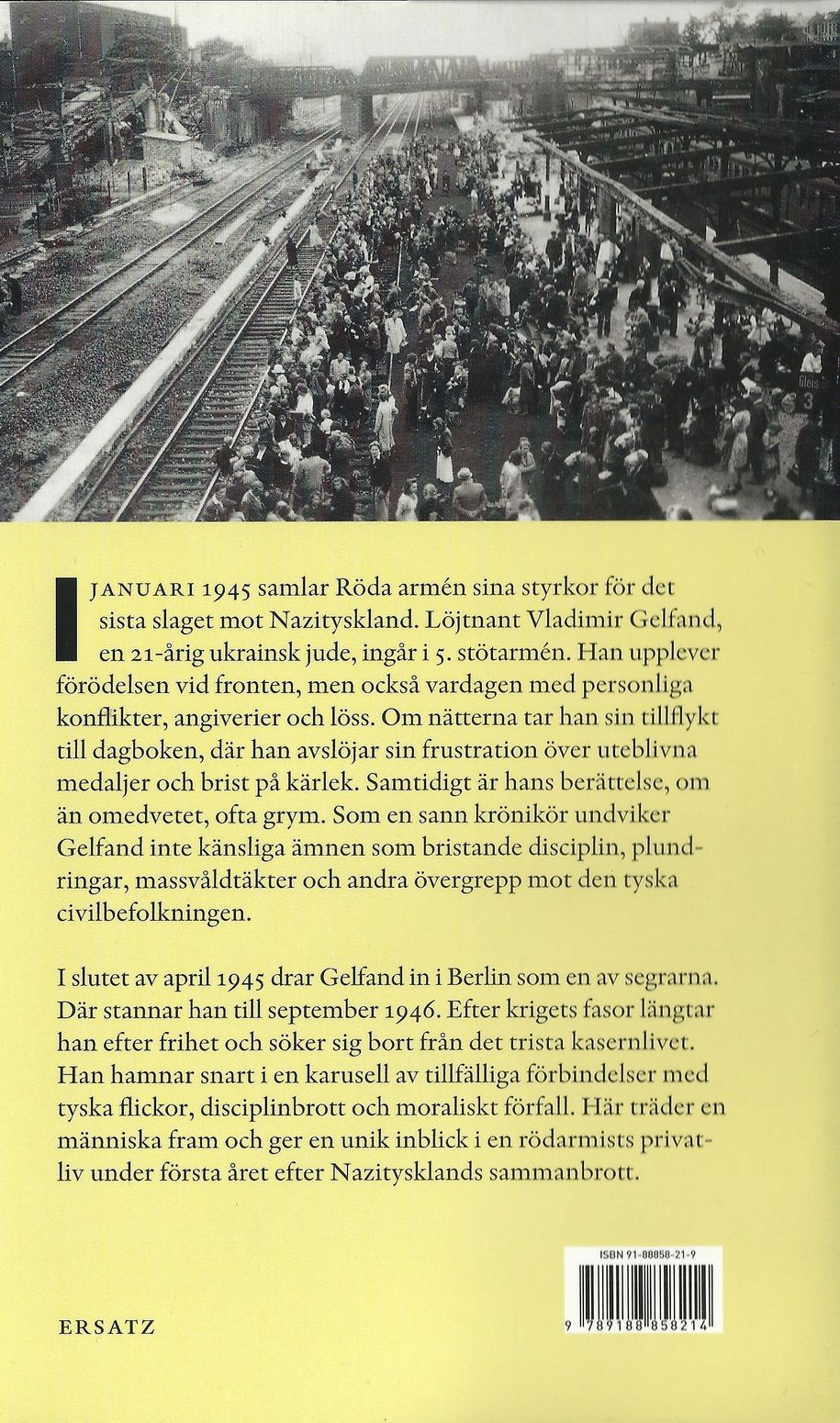
The first private diary of a Red Army officer to be published in Sweden belonged to Vladimir Gelfand, a young Ukrainian Jew. His notes are an exceptional record of the war and the first months of the Soviet occupation of Germany. After the fighting during the advance on Berlin he retreats into his thoughts and feelings. As a committed diarist he does not avoid difficult subjects: poor discipline among the troops, repression, looting, mass rape and other crimes against German civilians.
At the front he experiences violence, destruction and death, but also comradeship and human pettiness. At the end of April 1945 he enters Berlin as a victor. With few clearly defined duties, he tries to escape monotonous barracks life. Young, attractive and curious, he seeks contact with German civilians, especially women. His frank entries show that relations between Soviet soldiers and Germans were not always defined only by hatred, distrust and violence.
Gelfand breaks the ban on fraternisation because he wants to know the country he had regarded as the enemy. He takes his Party duties and later work in the transport apparatus of the occupation administration seriously, but after months of mortal danger at the front he longs for freedom. “Freedom! To live freely, to think, to work, to enjoy life,” he writes. This desire for normal life repeatedly brings him into conflict with comrades who accuse him of indiscipline and excessive independence.
The diary therefore gives an unusual view of the thoughts and emotions of a young Red Army officer who witnessed the collapse of Nazi Germany and belonged to the victors without always feeling like one.
ISBN: 91-88858-21-9
Translated from Russian by: Lars Wiklund
Format: 130 × 210 mm; 676 g; 400 pages
Cover and graphic design: Christer Jonson
Illustrations: 43 private photographs and facsimiles
Binding: hardback
Language: Swedish
Publication: August 2006
Vladimir Gelfand
Vladimir Gelfand was born in 1923 in Novo-Arkhangelsk, a small town in eastern Ukraine. His Jewish family lived modestly. By the time he reached the front he had already spent years in the army, though less than half of that time in active combat. He gradually discovered that he felt no attraction to front-line life. Like many soldiers, he looked for practical ways to travel and tried to avoid unnecessary risks and patrols.
In autumn 1944 his division stood east of Warsaw. In January 1945 he was transferred to the 1052nd Regiment of the 301st Rifle Division. On the morning of 14 January the Red Army’s westward offensive began with a twenty-five-minute artillery barrage. The regiment entered combat with German units; despite resistance, Soviet forces broke through quickly and within two weeks reached Germany’s pre-war border. Gelfand’s diary records exhaustion but also pride and anticipation. The capture of Berlin, long imagined as the culminating goal of the campaign, was drawing closer.
Alongside the physical hardships, Gelfand was oppressed by everyday army life and conflicts with comrades. He was dissatisfied with some of the soldiers under his command and himself became a target of crude jokes and slander. His love of art and literature, his intellectual self-image and his independence from military convention irritated others. During the victorious advance commanders often overlooked brutal behaviour. Gelfand became a target of aggression and at times feared physical violence.
He found the distribution of decorations particularly painful. He interpreted the failure to reward him not only as a sign of antisemitism but also as personal hostility from commanders, their coarseness and their contempt for intellectual activity.
After the war Gelfand worked as a teacher, but his professional career remained modest. He encountered antisemitism and could obtain only limited posts in vocational education. His ambition to become a writer was never fulfilled, and the political conditions of the USSR under Stalin, Khrushchev and Brezhnev did not permit free publication of the kind of writing he had produced. He died in 1983.
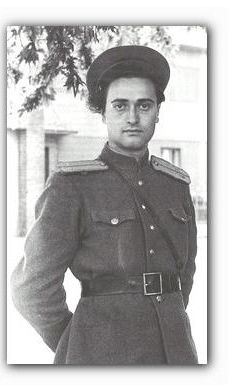
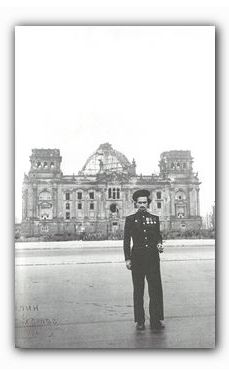
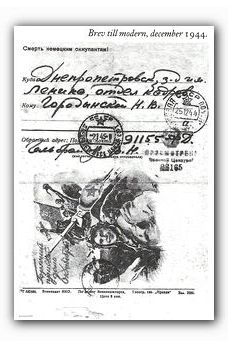
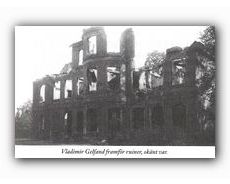
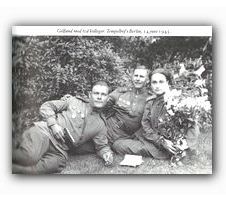
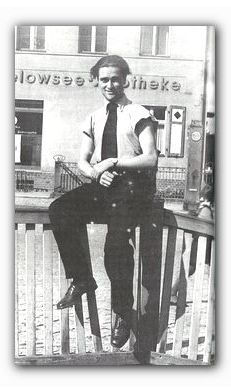
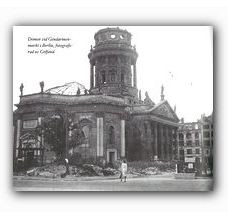
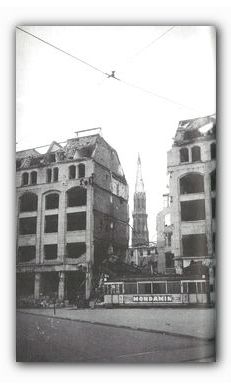
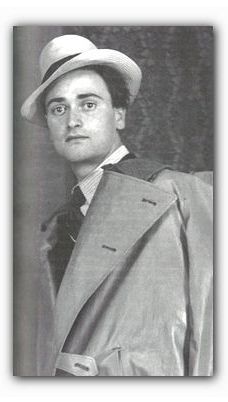
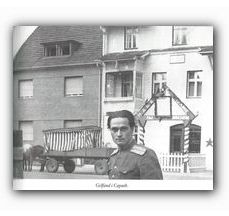
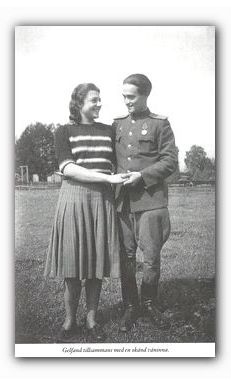
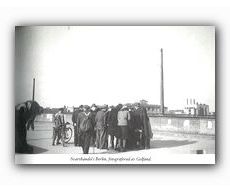
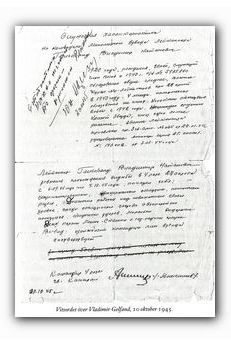
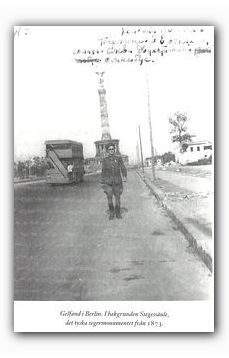
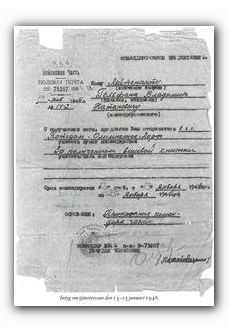
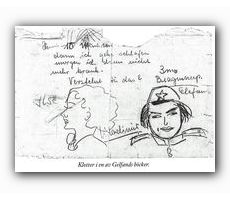
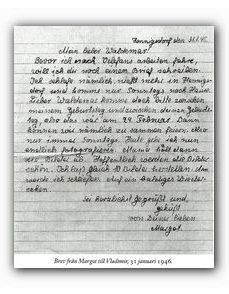
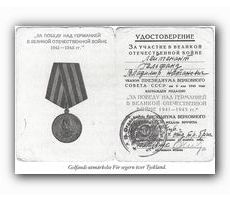
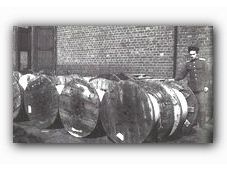
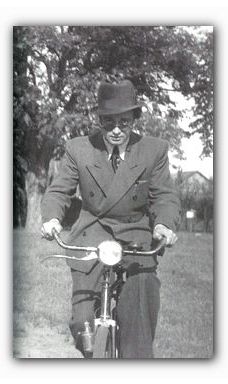
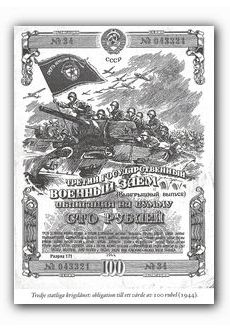
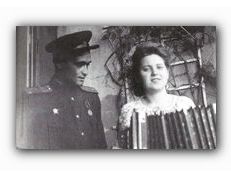
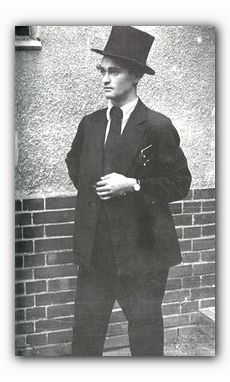
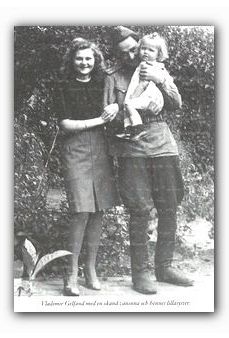
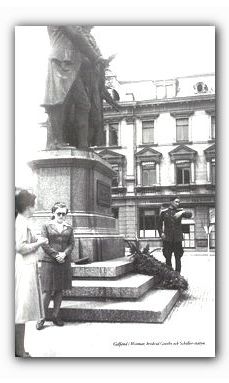
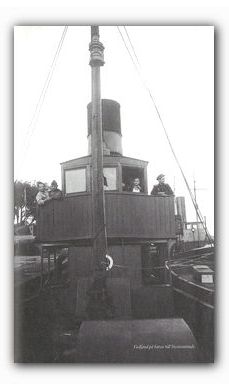
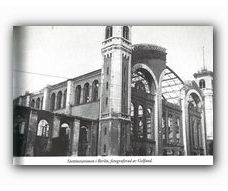
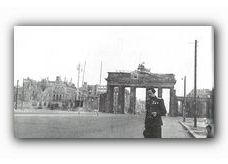
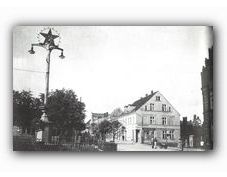
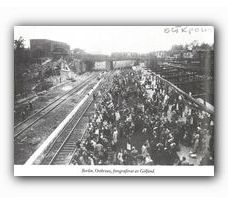
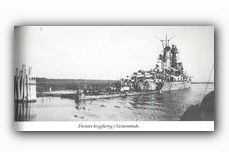
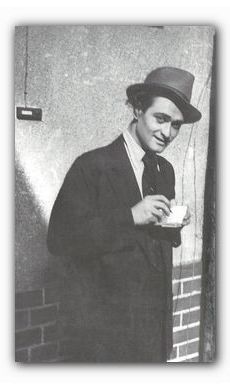
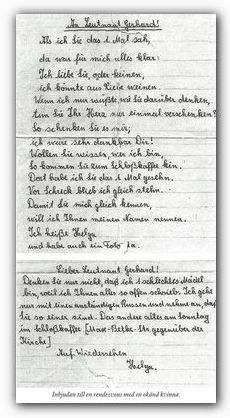
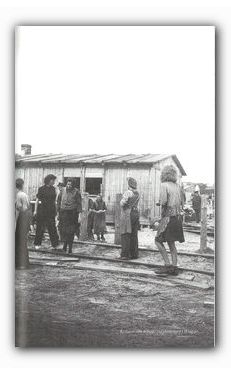
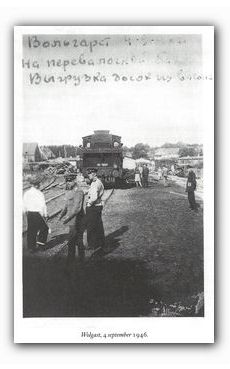
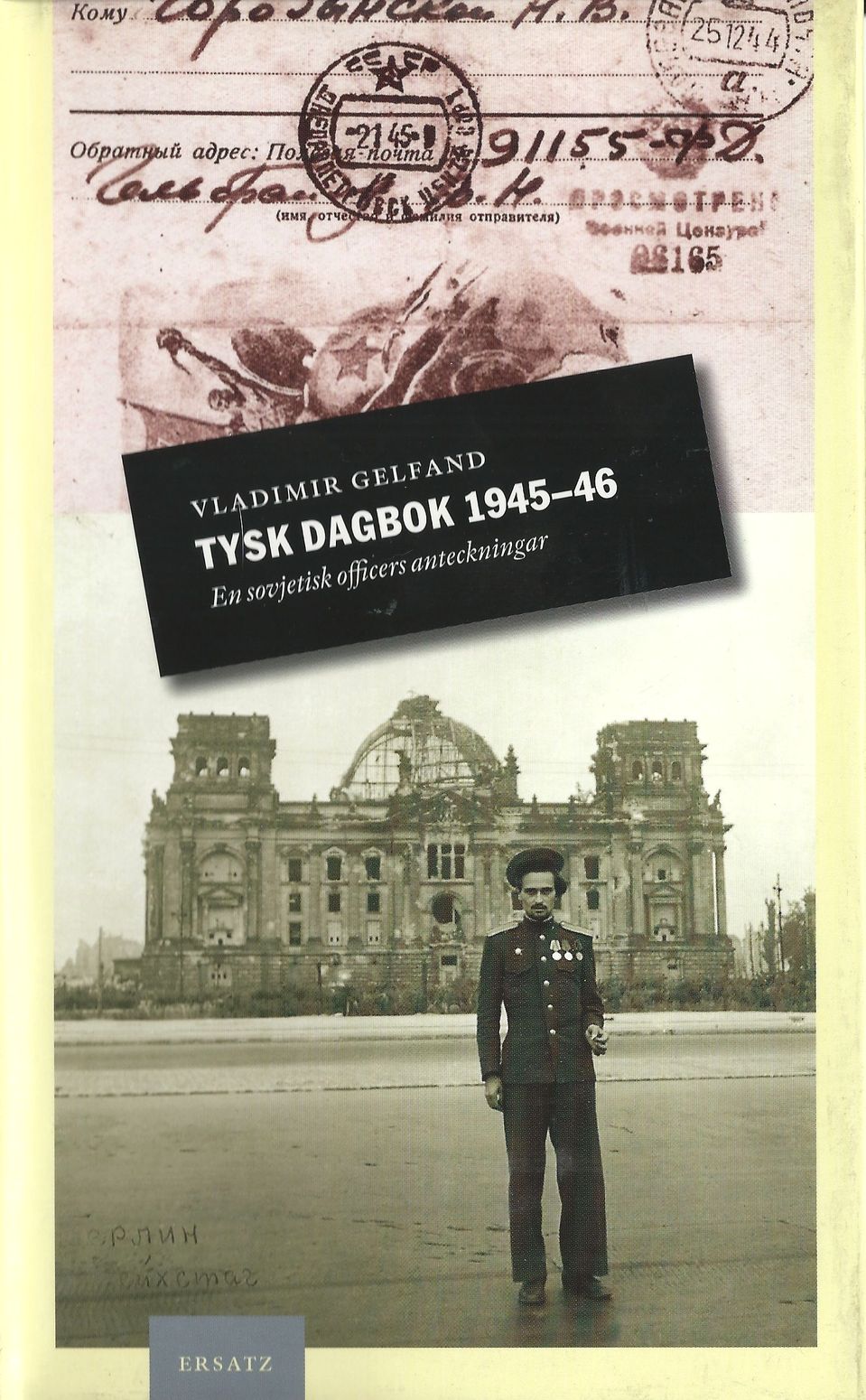
Images from Germany Diary 1945–46. Photographs and facsimiles from the Gelfand family archive. The book contains about fifty photographs. © Aufbau Verlag GmbH 2006.
22 October 1945
At ten in the evening I was at the station. I began asking Germans which route would be best and where I would have to change trains. Some advised me to go to Oranienburg and then change for Kremmen in the morning; others — and they were right — recommended Hennigsdorf. I had already considered both routes. The first was longer but simpler, with only one change. The majority persuaded me, however, and I boarded the train to Hennigsdorf.
The journey took a long time. The carriage was dark and every seat was occupied. I stood squeezed between passengers, but the atmosphere in the darkness was lively. People from the Berlin suburbs talked about pork, fat and chocolate. Then the conversation turned to politics. One woman said loudly: “You have already picked up Russian habits!” The words struck me like a knife. I turned to the other passengers and asked: “Are Russians really so bad, and are their habits worse than yours?” Everyone turned against the woman who had spoken carelessly — some from hypocrisy, some from fear of me and some, perhaps, sincerely. Others, not without reason, questioned Russian cultural standards and gave examples. The discussion continued all the way to Kremmen and even after we left the station. I did everything I could to make the Germans understand my country and my people better and to respect our culture more. I do not know how far I succeeded, but at least no one else spoke contemptuously about Russia.
Then an elderly woman came up to me, looked ingratiatingly into my eyes and said quietly: “But the day before yesterday, Lieutenant, your ‘comrades’ looted my apartment …” Then she disappeared into the crowd.
In Kremmen everything was much as before, though there had been small changes in the apartment. The captain who had been quartered there while I was away no longer lived there; a sergeant from the political section had taken his place. I had to sleep on the floor.
The next day I spent packing my suitcases. I did not want my application to the political section to be accepted while I was unprepared to leave — either back to the battalion or perhaps to the reserve regiment. I had already considerably overstayed my official journey and returned two days late, thus abusing the confidence of my superiors. How they would react, I did not know.
23 October 1945
It is all over. What I feared most and waited for so unwillingly has happened. The door to the political section has slammed shut just when it seemed to be opening. Very well; I shall work hard. Fate is against me again and shows me its dark side. Tomorrow everything will be as before: the platoon again, soldiers back from the front again, and again I shall be a poor platoon commander with no prospects. Is suffering all that is destined for me?
24 October 1945 — Kremmen
Yesterday I went again to Major Ivantsov, the personnel officer. “The political sections of the army and the front refused my transfer to political work. So I have come back to you.” “Well, since you are here, go on,” he said, thought for a moment, then softened. “I am leaving on official business now. Come back late this evening, around ten.” But neither at 22:00 that day, nor at 9:00 nor 12:00 today could he receive me. At 13:00 he asked me to “wait a little,” and until 16:00 I patiently paced the corridor.
“So where am I to send you now? What can you do? Will you work as a technical clerk?” “What other vacancies are there? Perhaps something a little easier?” “Do you want to do nothing at all?!” “No, not at all. It will simply be difficult at first to settle into a new position.” “You will manage. You are literate; you can write.” I agreed. “Go and bring your travel order and personal file. They are with the captain in the office opposite.”
I went, pleased that my papers were supposedly in order. At least that was what they had told me at the headquarters of the 27th Regiment. Imagine my surprise and confusion when my worn, damaged personal file appeared — the same file that had already cost me so many nerves during the past months.
With the personnel chief I again found myself before the brigade commander. “Well, you will have to show what you can do in your new work. Why is your personal file so bad?” I remained silent. “Comrade Lieutenant, I am asking you: why is your assessment like this? Explain!” “They forced me to loot a public library. They made me its chief. We removed more than ten thousand Russian books bearing German stamps. Those books had been stolen from us, and I took them without any pang of conscience. But when books with German ownership stamps began to appear as well, I refused to take them, and the command was displeased with me.”