




Фото
зверств из немецких архивов не выкладываю сознательно. Лучше
ознакомьтесь со схемой мышления ватников (любой национальности).
Пост
вдохновлен массовым подрывом джоеватных пуканов. Даже упоминание
вскользь о том, что массовые зверства во время ВОВ совершали не все
армии, кроме советской, а все армии, включая советскую,
вызвал резкое повышение температуры и давления в камере сгорания. Когда
же в ход пошла логика и пара цитат - произошёл настоящий фейерверк.
Итак,
формат: цитата / указание на источник. Информация для людей с мозгами -
в конце поста (лучше зайдите туда сразу, иначе форма подачи покажется
странной). Остальные уже могут начать гореть, минусить и помогать
Роскосмосу догнать Вояджер за счёт одной только жопной тяги.
ВАЖНО! Впечатлительным
дальше читать не рекомендуется. Война без пропагандистского фильтра -
омерзительное зрелище.
***
Сдалось в плен до 80 человек,
которые были расстреляны.
По оперативной сводке №11 от
13.07.1941г., И.Кимбар, С.Храпко
1
июля 1941 года на дороге Клевань-Бронники 180 немецких солдат из 35-го
пехотного полка, 119-го пехотного полка и 60-го артиллеристского полка,
в основном раненые, были взяты в плен русскими. Согласно рапорта
военного юриста Вильгельма Хайнриха из 25-й пехотной дивизии,
датированного 2 июля 1941 года, тела 153 из них были найдены. До
допроса свидетель Хайнрих ходил на место и провёл расследование
самостоятельно. Лейтенант Франц Крёнинг опознал трупы и в ходе второго
поиска обнаружил ещё 12 трупов, примерно в двухстах метрах.
По Alfred de Zayas, The
Wehrmacht War Crimes Bureau 1939-1945
-
На нашу сторону сегодня перешел немецкий солдат, который показал, что
сегодня в ночь разбитая 23 пехотная дивизия сменена 267 дивизией и тут
же он наблюдал части СС.
- Вы в военнопленных не очень
верьте, опросите его с пристрастием, а потом расстреляйте.
Из переписки Г.Жукова и И.Сталина
Мы
ворвались в госпиталь, заняли все три этажа, ножами, штыками и
прикладами уничтожали немцев, выбрасывали их через окна на улицу.
По воспоминаниям А.Корниенко,
Евпатория
В
Феодосии большевики убили наших раненых, находившихся там в госпиталях,
часть же из них, лежавших в гипсе, они вытащили на берег моря, облили
водой и заморозили на ледяном ветру.
Erich von Manstein,
«Verlorene Siege»
В
городе Керчи до 7 тысяч трупов гражданского населения (до детей
включительно), расстреляны все извергами фашистами. Кровь стынет от
злости и жажды мстить. Фашистов пленных я приказываю кончать. И тут
орудует хорошо. С особым удовлетворением уничтожает разбойников.
Из письма к сыну Л.Мехлиса
Водитель
из штаба 154-й стрелковой дивизии показал, что в начале августа 22
немецких военнопленных после допроса командиром и комиссаром дивизии
были убиты выстрелами в затылок, а перед этим их заставили вырыть себе
могилу.
По Bundesarchiv-Militararchiv,
RW 2/v. 153, 20.3.1942
Были
выяснены обстоятельства массовых убийств под Красноармейском, где с 11
по 18 февраля 1943 г. были расстреляны или зверски уничтожены более 600
военнослужащих Вермахта и союзных ему армий, а также служащих
сопровождающих подразделений, включая сестёр Красного Креста и
связисток вспомогательных служб. По неполным данным удалось
индивидуально опознать: 406 немецких, 89 итальянских, 9 румынских, 4
венгерских, 8 украинских солдат, 58 служащих организации Тодта, 15
железнодорожников и 7 немецких гражданских рабочих. Расследование
случая началось, когда 18 февраля 1943 г. территорию вновь заняла 7-я
немецкая танковая дивизия. «Все трупы были голые…,
–
говорится в более позднем протоколе военно-судебного расследования,
– почти все тела были изувечены… У многих трупов
были
отрезаны носы и уши. У других трупов отрезаны и засунуты им в рот
половые органы. Была предпринята также попытка отрезать груди сестрам
Красного Креста.
По Joachim Hoffmann,
WikipediaStalins Vernichtungskrieg 1941-1945
«В
усадьбе мы видели пятерых детей, прибитых языком к большому
столу», - сообщил свидетель из деревни недалеко от Хейдекруга
в
Мемелланде, в которую в октябре 1944 года вторглись солдаты 43-й армии
1-го Прибалтийского фронта. Чуть позже он видел «5 девушек,
связанных веревкой, с почти полностью снятой одеждой и сильно
разорванными спинами. Казалось, что девушек потащили очень
далеко».
Michael Klonovsky,
Preußen zahlt die Zeche, Focus, 14.07.2017
Части
Красной Армии вошли в город 3 февраля. Когда советские солдаты
спустились в подвал, где укрывались местные жители, они направили свои
автоматы на меня и еще двух женщин и приказали подняться наверх. Здесь
двенадцать солдат по очереди насиловали меня. Другие солдаты насиловали
еще двух женщин. Ночью в подвал спустились еще шесть пьяных солдат и
насиловали нас на глазах у других женщин. 5 февраля приходили три
солдата, а 6 февраля восемь пьяных солдат, которые также насиловали и
били нас.
Из
допроса Эммы Кивор следователями НКВД, Ткаченко - Берии // ГАРФ.
— Ф. 9401. — Оп. 2. — Д. 94. —
Л. 87.
Все они поднимали перед нами
юбки и ложились на кровать.
Из беседы с бывший комсоргом
танковой роты Мальцевым, интервью от 2001 года
Советские
солдаты заставили молодого эсэсовца играть на пианино. Они дали ему
понять, что, когда он остановится, в тот же момент его расстреляют.
Солдат смог проиграть целых шестнадцать часов, пока не упал головой на
клавиатуру. Советские солдаты поставили его на ноги, оттащили в сторону
и расстреляли.
Forrester Larry. Fly for Your
Life. - London, 1956
Я
сделал свои наблюдения 27 февраля 1945 года, когда приехал в Метгетен
по служебным делам. Когда я въехал на мотоцикле в карьер прямо перед
железнодорожным переездом, то обнаружил трупы двенадцати женщин и
шестерых детей. Все были полностью раздеты и свалены в кучу. Детские
черепа были проломлены тупым предметом, их крошечные тела проткнули
бесчисленными ударами штыка. Женщин, в основном пожилых от сорока до
шестидесяти лет, также убивали ножами или штыками. На всех были
отчетливо видны черно-синие следы побоев.
Captain Hermann Sommer, Spieler
(ed.), Vertreibung und Vertreibungsverbrechen (1989), p. 147
—
Они тыкали сюда, — объясняла немка, показывая под юбку,
—
всю ночь, и их было так много. Я была «медхен»
(девушка),
— вздохнула она и заплакала. Они мне испортили жизнь. Среди
них
были старые, прыщавые и вонючие, и все лезли на меня, все тыкали. Их
было не меньше двадцати, да, да, — и залилась слезами.
—
Они при мне насиловали мою дочь, — вставила несчастная мать,
— они могут еще прийти и насиловать мою девочку. —
От этого
снова все пришли в ужас, и горькое рыдание пронеслось из угла в угол,
усиливаясь пустотой подвала, куда привели меня хозяева.
—
Оставайся здесь, — вдруг бросилась ко мне девушка,
— будешь
со мной спать. Ты можешь со мной делать все, что захочешь, только ты
один! Я готова с тобой «фик-фик», я согласна на
все, что ты
захочешь, только не они опять!
Дневник Владимира Гельфанда.
Берлин, Шпрее, 25.04.1945
Двести
пятьдесят наших девушек работали на заводе
«Фокке-Вульф».
Немцы привезли их из Ворошиловграда, Харькова и Киева. По словам
начальника политуправления армии, у этих девушек нет одежды, они
заражены вшами и опухли от голода. И, по словам человека из армейской
газеты, эти девушки были чисты и хорошо одеты, пока наши солдаты не
пришли и не ограбили их. Освобожденные советские девушки часто жалуются
на то, что их насилуют наши солдаты. Одна девушка сказала мне, плача:
«Он был старик, старше моего отца».
Из дневника Василия Гроссмана, A
Writer at War: A Soviet Journalist with the Red Army, 1941-1945
Наконец,
открылись два железных засова. Все уставились на меня. Мои чулки
спущены, мои руки держат остатки пояса. Я начинаю кричать: "Вы свиньи!
Меня тут изнасиловали дважды подряд, а вы оставляете меня лежать здесь
как кусок грязи!"
Из дневника Марты Хиллерс,
изданного в 1959
В
итоге автор дневника приходит к мысли, что ей нужно найти одного
"волка", чтобы защититься от новых групповых изнасилований "зверьем
мужского пола". (…) Многие из ее соседок заключали подобные
сделки с победителями поверженного Берлина.
Люси Эш о Марте Хиллерс, BBC,
2015
С
июня 1945 по 1946 год только в этом районе [Нойкелльн] Берлина было
одобрено 995 просьб об аборте. Папки содержат более тысячи страниц
разного цвета и размера. Одна из девушек округлым детским почерком
пишет, что была изнасилована дома, в гостиной на глазах своих родителей.
Из беседы Люси Эш с Мартином
Люхтерхандом, сотрудником архива
В
ночь на 24 февраля, как вытекает из доклада Цыганкова, в деревню
Грутенберг, что неподалеку от Ельса, явились тридцать пять советских
солдат, возглавляемые своим батальонным командиром. Они вошли в
спальню, где находились советские девушки, и изнасиловали их.
Энтони Бивор по РГВА (Российский
государственный военный архив) СА. — Ф. 1382. — Оп.
1. — Д. 62
Партизан,
маленький человечек, колом убил двух немцев. Он умолял охрану колонны
выдать ему этих немцев. Он убедил себя, что это они убили его дочь Олю
и его сыновей, двух его мальчиков. Он сломал им все кости, разбил им
черепа, и пока он бил их, он плакал и кричал: «Вот ты - за
Олю,
вот ты - за Колю!» Когда они были мертвы, он подпёр тела и
продолжал бить их.
Из дневника Василия Гроссмана, A
Writer at War: A Soviet Journalist with the Red Army, 1941-1945
Post Scriptum.
Текст выше - не исследование, не научпоп и даже не люмпен-историческая статейка для Дзена. Это беглый цитатник, собранный под пару кружек чая, пока вата ломала минусомёты под одним очень достойным постом. Если вам тема не интересна - просто забейте. Здесь нет научного аппарата - лишь набор стартовых точек для людей, которым неуютно сидеть в болоте концепций «нацисты убийцы, а наши деды - нет», «американцы индейцев резали, а русские сибиряков - нет», «католики ведьм убивали, а православные - нет», «на Россию все нападали, а Россия - ни на кого» и т.д. Все - абсолютно все – материалы состоянием на 05.2021 можно найти в интернете для самостоятельного, более глубокого и детального исследования и оценки. Используемые языки: должно хватить русского, но английский и немецкий желательны; VPN и DuckDuckGo обязательны (российский Гугл немногим менее предвзят и цензурирован, чем Яндекс); если что-то не нашли - значит неправильно искали.
Текст выше - не исследование, не научпоп и даже не люмпен-историческая статейка для Дзена. Это беглый цитатник, собранный под пару кружек чая, пока вата ломала минусомёты под одним очень достойным постом. Если вам тема не интересна - просто забейте. Здесь нет научного аппарата - лишь набор стартовых точек для людей, которым неуютно сидеть в болоте концепций «нацисты убийцы, а наши деды - нет», «американцы индейцев резали, а русские сибиряков - нет», «католики ведьм убивали, а православные - нет», «на Россию все нападали, а Россия - ни на кого» и т.д. Все - абсолютно все – материалы состоянием на 05.2021 можно найти в интернете для самостоятельного, более глубокого и детального исследования и оценки. Используемые языки: должно хватить русского, но английский и немецкий желательны; VPN и DuckDuckGo обязательны (российский Гугл немногим менее предвзят и цензурирован, чем Яндекс); если что-то не нашли - значит неправильно искали.
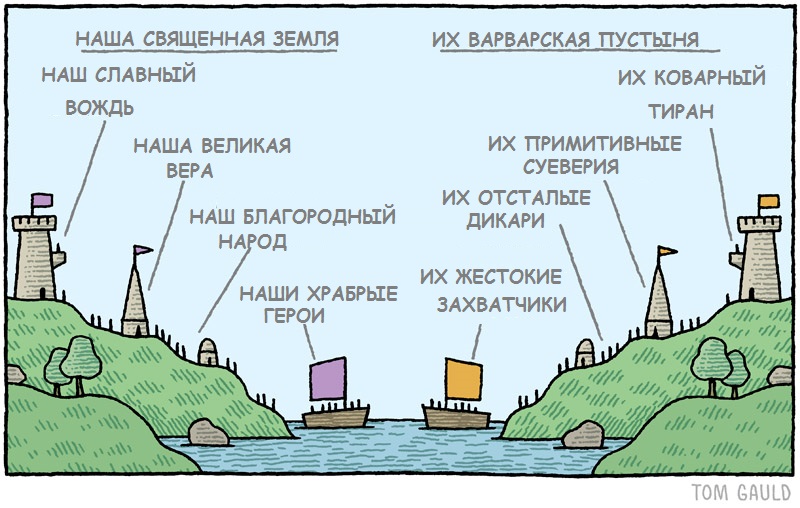
А так, что бы вата не говорила, в России была и своя инквизиция, и жгли людей неплохо, только тайком, и деревнями уничтожали народы, чего стоит только борьба против униатской церкви, которую российские историки маскируют под "освобождение," стандартная пропаганда захватчиков.
Ещё по поводу второй мировой войны, загуглите 8 мая 1943 Деревня Налибоки...
Люди везде одинаковые, не важен ни язык не вера, только где то признают свою историю, а где то воспроизводят...
Fray Shost