
Николай!
Недавно на сайте была опубликована статья «История поиска убитых Илов» из майского номера газеты «Эллины Украины». Там было рассказано, как мне удалось найти не только обстоятельства и место гибели летчика, младшего лейтенанта Григория Васильевича Тасиц, но, сопоставляя советские и немецкие данные, через 64 года я смог вычислить имя немецкого асса, который его сбил.
В статье я писал, что из Анадоли на фронт ушло трое родных братьев Тасиц, и ни один из них не вернулся. Двое пропали без вести, и только на Павла пришла похоронка.
Их имена есть на памятнике в центре села. В детстве, я много раз бывал рядом с этим памятником, но никогда не читал фамилий. Сейчас я не только читаю, и даже фотографирую все памятные плиты времен войны.
Было бы здорово создать на сайте страничку, где можно было бы разместить фотографии памятников погибшим односельчанам из греческих сел. Там можно размещать рассказы о тех, кто увековечен на мемориальных плитах.
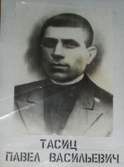 Теперь я хочу написать историю поиска могилы Павла- старшего из погибших братьев Тасиц.
В начале 1944 года на него пришла похоронка, но со временем она утерялась, и его дочери ничего не знают о месте захоронения отца.
Читая мемуары ветеранов, изучая архивы, используя Интернет - вот, что мне удалось узнать:
Красноармеец Павел Васильевич Тасиц воевал в 248-ой стрелковой дивизии 905-го стрелкового полка. По данным «Именного списка безвозвратных потерь», он погиб 21.11.1943 г. у села Шевченко, Каменского района, Запорожской области, где и был похоронен.
На современной карте Запорожской области я долго разыскивал это село, но так и не нашел его. Оказывается, после войны Каменка была переименована в Каменку-Днепровскую, а хутор Шевченко вообще исчез «с лица земли».
При помощи друзей с Интернета мне удалось связаться с начальником Каменско-Днепровского районного отдела МВД Буравским Василием Викторовичем, который сообщил точный адрес и место, где находится захоронение воинов.
 Эти места находятся не очень далеко от Анадоли, но туда довольно сложно добираться, поэтому напишу подробней.
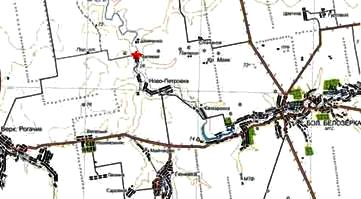
Фрагмент карты Генерального штаба этих мест (по состоянию на 1942 год):
Братская могила находится на окраине села Ново-Петровка. Раньше это было село Чапаевка, а теперь улица Чапаева стала Петровское, но на местном «диалекте» эту улицу сейчас называют Чапаи – с ударением на и.
В октябре 1943г в этих местах были ожесточенные бои, немцы удерживали Никопольский укрепрайон до последнего солдата. Ходят слухи, что в местных курганах они наделись найти «золото Скифов».
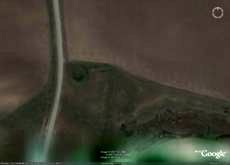
В непосредственной близости от бывшего села Шевченко, немного севернее, до сих пор сохранились остатки немецкого укреп.района, которые видны даже из космоса.
Это фото с космоса, видна дорога (грейдер) и справа редут:
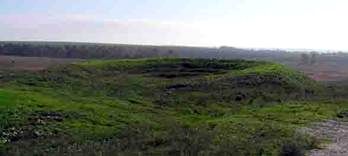
Это редута, в наши дни. Все фотографии мне прислал житель города Энергодар Анатолий Михайлович Рудинский.
Энергодар территориально входит в Каменско Днепровский район, поэтому Анатолий Михайлович по моей просьбе связался с председателем ветеранской организации Каменско-Днепровского района Курченко Анатолием Николаевичем. Они отложили свои дела и специально съездили в эти места, благодаря чему в моем распоряжении есть фотографии братской могилы и окрестностей бывшего хутора Шевченко.
Анатолий Михайлович является обладателем копии уникальной, даже по нынешним временам, «командирской» карты военных лет, благодаря которой и удалось точно определить местонахождение бывшего хутора Шевченко (выше был приведен фрагмент этой карты).
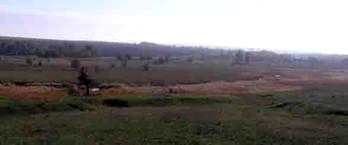
Это вид с немецкого редута на то место, где когда-то был хутор Шевченко. Видны сухие камыши, это река Белозерка. На этой излучине на противоположном берегу и был хутор Шевченко. После войны его еще называли село Черное или хутор Черный, потому что в 1943 г он за короткое время десять раз переходил из рук в руки.
За освобождение вот этих мест погибли многие греки с Приазовских сел.
На фото поблескивает река Белозерка. Сейчас река заросла камышом и воды почти не видно. Река впадает в Каменский лиман, который из-за разности уровней воды отделен дамбой от Каховского водохранилища.
В то же время, много веков назад река Белозерка была полноводной. Существует легенда, по которой райцентр Белозерка назван в честь царицы Белозерки, ею и основан.
Варвары, захватившие эти места, предложили царице Белозерке или выйти замуж за их предводителя, или распроститься с жизнью. Царица попросила сутки на раздумье, а ночью сумела сплавить всех людей с добром на кораблях по реке Белозерке и далее вниз по Днепру, аж до современного Херсона. В настоящее время в 10-ти километрах от Херсона тоже есть село Белозерка, как намек на подтверждение правдивости этой красивой легенды.
А еще из реки Белозерка скифы, обитавшие в этой местности еще до нашей эры, брали ил для строительства знаменитых скифских курганов.
Фото общего вида мемориала.
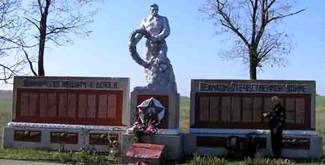 На фото внизу справа у стелы с фамилиями виден
председатель ветеранской организации Каменско-Днепровского района,
бывший участковый Курченко Анатолий Николаевич. В начале 90-х годов,
когда время и людское невнимание разрушили памятник, он за свои средства
восстановил памятник и в течение несколько лет по своей инициативе
ухаживал за ним. Отец Анатолия Николаевича погиб во время войны под
Одессой, поэтому он не мог оставить памятник в таком плачевном
состоянии.
На фото внизу справа у стелы с фамилиями виден
председатель ветеранской организации Каменско-Днепровского района,
бывший участковый Курченко Анатолий Николаевич. В начале 90-х годов,
когда время и людское невнимание разрушили памятник, он за свои средства
восстановил памятник и в течение несколько лет по своей инициативе
ухаживал за ним. Отец Анатолия Николаевича погиб во время войны под
Одессой, поэтому он не мог оставить памятник в таком плачевном
состоянии.
Стоящего в центре композиции солдата с венком Анатолий Николаевич уважительно называет Василием Ивановичем (сказывается географическое название Чапаи).
На фото Анатолий Николаевич указывает на то место на мемориальной плите, где написана фамилия «Тасец», с ошибкой. Такая ошибка в документах вполне объяснима. Такая ошибка есть даже у одного из братьев на памятнике в Анадоле.
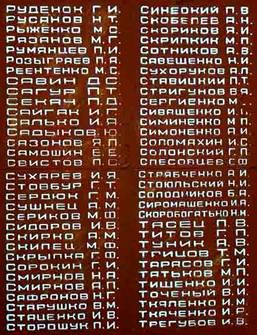
Фрагмент мемориальной плиты.
Только на мемориальных плитах памятника в селе Чапаи увековечены 639 фамилий погибших воинов. Рядом, в нескольких километрах от этого памятника, в селах Заповитнэ и Днепровка, также есть братские могилы и там, на мемориальных плитах также встречаются знакомые греческие фамилии.
В своих дневниках советский лейтенант Гельфанд Владимир Натанович, который воевал в той же дивизии, только в соседнем 902 стрелковом полку, в октябре 1943 года писал: «… на самой позиции солдаты подняли такой гвалт и хождение, что мне пришлось неоднократно бегать туда, кричать, требовать, чтобы они не маячили немцам и ходили пригнувшись. Но заставить их пригибаться было проблематично — большинство ребят было из свежего пополнения, греки по национальности. Им трудно было втолковать что-либо — они плохо понимали русский язык».
Когда в 1943 г советские войска освободили Приазовье, были призваны в армию все, кто в 1941 был непризывного возраста. Призвали и моего дядю Федю, который воевал в Финскую, был ранен, контужен, потерял пальцы на руках и ногах. А в 1943 году его призвали, ведь у него работал указательный палец правой руки - мог нажимать на курок. В боях на реке Молочной он был тяжело ранен в голову, потерял глаз.
Моему тестю Аврамову Анатолию Георгиевичу в 1943 году только исполнилось 18 лет. Он мне рассказывал, как их необученных, в гражданской одежде, с одной винтовкой на двоих, сразу отправили на передовую - на реку Молочную, протекающую через Мелитополь. Он служил то же в 248-ой стрелковой дивизии, что и Павел Васильевич, только в 413-ом полку. Ему «повезло»: его, как грека, в конце декабря 1943 г сняли с фронта и отправили в город Гурьев Астраханской области на трудовые работы. Это и спасло ему жизнь. Сколько солдат погибло в боях на реке Молочной, точно никто не знает и по сей день.
В своих мемуарах лейтенант Гельфанд так описал бой 21 ноября 1943г. у хутора Шевченко:
«Мы впереди села Ново-Петровка, в посадке. Очевидно, командир роты хотел подавить наблюдательный пункт, что на скирде в центре большой высоты, занимаемой немцами. Наша задача взять Чапаево, затем Шевченко, затем овладеть высотой за номером, название которой позабыл, и оседлать грейдер. Когда наступать будем — неизвестно, но ясно, что этими днями — сегодня ли, завтра ли, но быть в готовности необходимо. Получили водку, консервы — перед важной операцией всегда так. И бойцы догадываются, что что-то будет.
Вот оно! Задрожала земля. Кругом разрывы, но сюда еще не попадает. Да и ну его! Что суждено то и будет!».
Ему было суждено выжить, опубликовать свои военные дневники, а многим другим - погибнуть. ВЕЧНАЯ ИМ ПАМЯТЬ!
Тасиц
Игорь
г. Череповец
Azov Greeks — “Pavel Tasits”
Nikolai!
Recently the website published the article “The Story of the Search for the Downed Il Aircraft” from the May issue of the newspaper Hellenes of Ukraine. It described how I managed to establish not only the circumstances and place of death of the pilot, Junior Lieutenant Grigory Vasilyevich Tasits, but, by comparing Soviet and German data, sixty-four years later I was also able to identify the German ace who shot him down.
In that article I wrote that three Tasits brothers from Anadoli went to the front and none returned. Two were listed as missing, and only Pavel’s family received an official death notice.
Their names are on the monument in the center of the village. As a child I passed this monument many times but never read the surnames. Now I not only read them; I even photograph all memorial plaques from the war years.
It would be wonderful to create a page on the website where photographs of monuments to fallen fellow villagers from Greek villages could be placed. Stories about those whose names are immortalized on memorial plaques could be published there as well.
Now I want to tell the story of the search for the grave of Pavel, the eldest of the Tasits brothers who were killed.
At the beginning of 1944 a death notice arrived for him, but in time it was lost, and his daughters know nothing about where their father was buried.
By reading veterans’ memoirs, studying archives and using the Internet, this is what I was able to establish:
Red Army soldier Pavel Vasilyevich Tasits served in the 905th Rifle Regiment of the 248th Rifle Division. According to the “Nominal List of Irrecoverable Losses,” he was killed on 21 November 1943 near the village of Shevchenko, Kamensky District, Zaporozhye Region, where he was buried.
I searched for this village on a modern map of Zaporozhye Region for a long time but could not find it. It turned out that after the war Kamenka was renamed Kamenka-Dneprovskaya, while the hamlet of Shevchenko disappeared from the face of the earth altogether.
With the help of friends on the Internet I managed to contact Vasily Viktorovich Buravsky, head of the Kamenka-Dneprovskaya district department of the Ministry of Internal Affairs, who gave me the exact address and location of the soldiers’ burial site.
These places are not very far from Anadoli, but they are rather difficult to reach, so I will describe them in detail.
A fragment of a General Staff map of this area, as of 1942.
The mass grave is on the outskirts of the village of Novo-Petrovka. This used to be the village of Chapaevka; Chapaev Street has now become Petrovskoye, although in the local “dialect” the street is still called Chapai, with the stress on the final syllable.
In October 1943 fierce fighting took place here. The Germans held the Nikopol fortified area to the last soldier. There are rumors that they hoped to find “Scythian gold” in the local burial mounds.
Very close to the former village of Shevchenko, a little farther north, remains of the German fortified area survive to this day and can even be seen from space.
A satellite photograph: the road (grader) is visible, and the redoubt is on the right.
The redoubt today. All the photographs were sent to me by Anatoly Mikhailovich Rudinsky, a resident of Energodar.
Energodar is administratively part of the Kamenka-Dneprovskaya District, so at my request Anatoly Mikhailovich contacted Anatoly Nikolaevich Kurchenko, chairman of the district veterans’ organization. They put aside their affairs and made a special trip to these places, thanks to which I now have photographs of the mass grave and the surroundings of the former Shevchenko hamlet.
Anatoly Mikhailovich possesses a copy of a wartime “commander’s” map that is unique even by today’s standards. It was thanks to this map that the precise location of the former Shevchenko hamlet could be established; a fragment of it is reproduced above.
This is the view from the German redoubt toward the place where the Shevchenko hamlet once stood. Dry reeds can be seen: this is the Belozerka River. The hamlet stood on the opposite bank at this bend. After the war it was also called the village of Chernoye, or the Cherny hamlet, because in 1943 it changed hands ten times within a short period.
Many Greeks from villages around the Sea of Azov were killed in the liberation of these places.
The Belozerka River glints in the photograph. Today it is overgrown with reeds and the water is almost invisible. The river flows into the Kamensky Liman, which is separated by a dam from the Kakhovka Reservoir because of the difference in water level.
Many centuries ago, however, the Belozerka was a full-flowing river. There is a legend that the district center of Belozerka was named after Queen Belozerka, who founded it.
The barbarians who seized these lands offered Queen Belozerka a choice: marry their leader or lose her life. The queen asked for a day to consider the proposal, and during the night she managed to send all her people and possessions away by boat along the Belozerka River and then down the Dnieper as far as present-day Kherson. Today, ten kilometers from Kherson, there is also a village named Belozerka — as though confirming the truth of this beautiful legend.
The Scythians who inhabited these lands before our era also took silt from the Belozerka River to build their famous burial mounds.
General view of the memorial.
At the lower right of the photograph, by the stele bearing the names, stands Anatoly Nikolaevich Kurchenko, chairman of the Kamenka-Dneprovskaya district veterans’ organization and a former district police officer. In the early 1990s, when time and human neglect had damaged the monument, he restored it at his own expense and for several years cared for it on his own initiative. Anatoly Nikolaevich’s father was killed near Odessa during the war, so he could not leave the memorial in such a deplorable condition.
Anatoly Nikolaevich respectfully calls the soldier standing at the center of the composition with a wreath “Vasily Ivanovich,” an echo of the geographical name Chapai.
In the photograph Anatoly Nikolaevich points to the place on the memorial plaque where the surname “Tasets” is written incorrectly. Such errors in documents are quite understandable. Even one of the brothers’ names is misspelled on the monument in Anadoli.
A fragment of the memorial plaque.
The memorial plaques in the village of Chapai alone commemorate 639 fallen soldiers. Nearby, only a few kilometers away, the villages of Zapovitne and Dneprovka also have mass graves, and familiar Greek surnames can be found on their memorial plaques as well.
In his diaries, Soviet Lieutenant Vladimir Natanovich Gelfand, who fought in the same division but in the neighboring 902nd Rifle Regiment, wrote in October 1943:
“...right at the position the soldiers made such a commotion and moved about so much that I repeatedly had to run over there, shout and demand that they stop exposing themselves to the Germans and walk bent over. But making them crouch was difficult — most of the men were fresh replacements, Greeks by nationality. It was difficult to explain anything to them because they understood Russian poorly.”
When Soviet troops liberated the Azov region in 1943, everyone who had been below draft age in 1941 was called into the army. My Uncle Fedya was drafted too. He had fought in the Finnish War, had been wounded and shell-shocked and had lost fingers and toes. Yet in 1943 he was called up again because the index finger of his right hand still worked — he could pull a trigger. In the fighting on the Molochnaya River he was severely wounded in the head and lost an eye.
My father-in-law, Anatoly Georgievich Avramov, had only just turned eighteen in 1943. He told me how they were sent straight to the front line on the Molochnaya River, which flows through Melitopol, untrained, wearing civilian clothes and with one rifle for every two men. He too served in the 248th Rifle Division, as Pavel Vasilyevich did, but in the 413th Regiment. He was “lucky”: at the end of December 1943 he was removed from the front because he was Greek and sent to the city of Guryev in Astrakhan Region for labor service. That saved his life. To this day nobody knows exactly how many soldiers were killed in the fighting on the Molochnaya River.
In his memoirs Lieutenant Gelfand described the battle of 21 November 1943 near the Shevchenko hamlet as follows:
“We are in front of the village of Novo-Petrovka, in a shelter belt. Apparently the company commander wanted to suppress an observation post on a haystack in the center of a large height occupied by the Germans. Our task is to take Chapaevo, then Shevchenko, then capture the numbered height whose name I have forgotten, and seize the grader road. When we will attack is unknown, but it is clear that it will be in these days — today or tomorrow — and we have to be ready. We received vodka and canned food; before an important operation it is always like that. And the men understand that something is about to happen.
“Here it is! The earth began to shake. Explosions all around, although they are not hitting here yet. And to hell with it! What is destined to happen will happen!”
He was destined to survive and publish his wartime diaries, while many others were destined to die.
ETERNAL MEMORY TO THEM!