


 |
 |
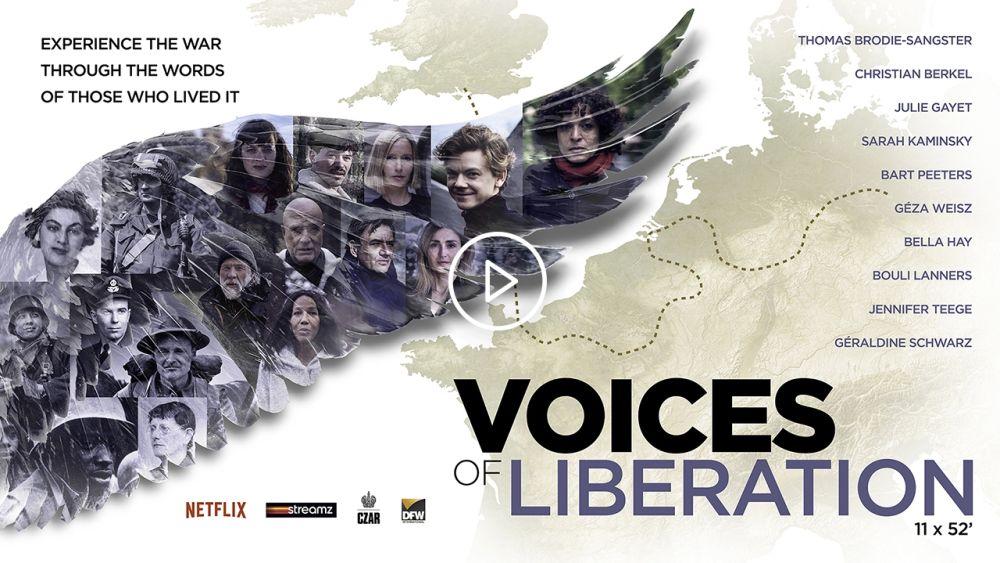 |
| Synopsis ‘Voices of Liberation’ is an 11-part documentary series about the international commemoration route which joins together the important milestones of the Second World War. The route forms a chain between the most important regions during the advance of the western allies. The series guides us along this route accompanied by local hosts who each one of them have a link with the Second World War. Along the actual facts told through the use of personal documents (letters, diaries, memoirs, …) they also tell us their personal stories, which offers the public an alternative view of the events. In addition, this television series does not only focus on the story of ‘the Allied liberator’, but also on that of ‘the civilian’, ‘the resistance fighter’, ‘the collaborator’ and even ‘the enemy’. Therefore, ‘Voices of Liberation’ wants to find a balance with this angle by giving a voice to all people, from different angles and with different backgrounds, which will give us insights into the minds of the people who lived, fought and in the best case, survived the Second World War. |
|
Documentary television series — Belgium / Netherlands |
Official production company
— Czar Film & TV: Official trailer — Czar
Film & TV, Vimeo: Episode 11 — Complete
English transcript: Episode 11 — SkyShowtime
Netherlands: Episode 11 — Apple TV
catalogue: Flanders Image — Film
information and credits: Cinematographer Jordan Vanschel
— Production information: |
|
| Voices of Liberation (2022) is an eleven-part historical documentary series directed by Belgian filmmaker Koen Mortier. Combining archival footage, personal letters, diaries, memoirs and eyewitness accounts, the series tells the story of the liberation of Europe during the Second World War. It follows the advance of the Allied forces from southern England and the Normandy landings through France, Belgium and the Netherlands to Germany and Berlin, presenting the war through the personal experiences of soldiers, civilians, resistance fighters and others whose lives were profoundly affected by the conflict. Each episode is guided by a presenter with a personal or family connection to the history of the war. The final episode, The End of WWII in Europe, focuses on the Battle of Berlin, the advance of the Soviet Red Army, the collapse of Nazi Germany and the end of the war in Europe in May 1945. Presented by German-French journalist and author Géraldine Schwarz, it explores the final days of the Nazi regime, the suffering of Berlin's civilian population and the complex consequences of the Soviet occupation. Through historical footage, contemporary diaries and personal testimonies, the episode offers a multifaceted account of the destruction of Berlin and the final days of the war. Produced by Belgian production company CZAR Film & TV, with Eurydice Gysel as producer and Koen Mortier as director and writer, the series premiered on Netflix in the Netherlands in May 2022 and was subsequently released on Streamz in Belgium in September 2022. International distribution is handled by Dutch FilmWorks. |
| Bio director Koen Mortier has been active in the film world as an author, director and producer. He set his first step into the film industry with 2 shorts, Ana Temnei and A Hard Day’s Work. In 2007 Koen directed Ex Drummer, which received many festival selections and prizes and was sold to more then 20 countries. Three years later his second film followed: 22nd May that also won prizes and was sold to 10 countries. His most recent feature film Angel had its international premiere at Toronto International Film Festival. Currently he is working on Voices of Liberation and Skunk. |
| The
Red Army's capture of Berlin and the surrender of the Nazis are
depicted by an American war reporter's writing and an interrogation
interview
|
| Belgium
/ Netherlands ⁕ Netflix / Streamz ⁕ May '22
⁕ The End of WWII in Europe ⁕ Average Runtime:
54 minutes ⁕ Episode 1x11 ⁕ May 2, 2022
⁕ WarHistory ⁕ 11 episodes
|
 |
||
| © CZAR.be Film & TV Voices of Liberation |
||
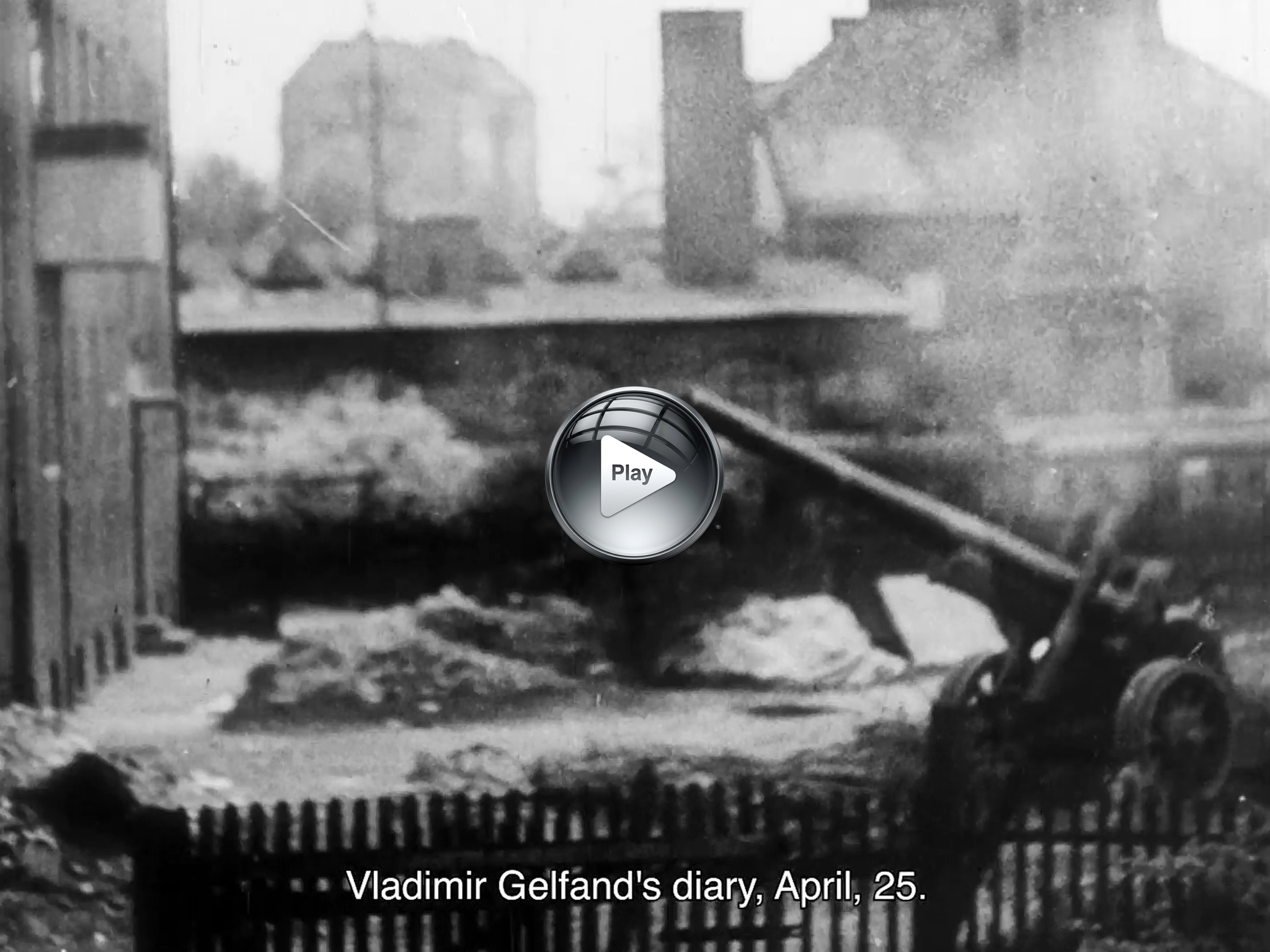
| "I asked the German women where do they live in broken German. I wanted to know why did they leave their house. And they spoke with horror about the grief that the front line soldiers had caused them during the first night the Red Army was here. They lived not far from where we were stationed and from my bicycle rides. So I could easily go to their home and sort out the whole story in detail. Moreover, the wonderful girl attracted me most of all. She became so accidentally and so unexpectedly for herself and her parents the reason for so many worries. I went with them. They were wealthy. They had a huge two-storey house with luxurious furnishings and excellent interior finishes and wall and ceiling paintings. The family was numerous. When our soldiers came, they sent everyone to live in the basement. And the youngest woman and the most beautiful one they took with them and started to sneer at her. 'They poked me here', the beautiful German woman explained, lifting up her skirt. 'The entire night. There were so many of them. I was a virgin.' She sighed and started crying. 'They spoiled my youth. Among them there were old men, pimply men, and all of them climbed on me and poked, and there were at least 20 of them. Yes, yes.' And she cried even harder. 'They rped my daughter in front of me,' her poor mother added. And they can return and rpe my girl again." |
||
 |
||
| © CZAR.be Film & TV Voices of Liberation |
||
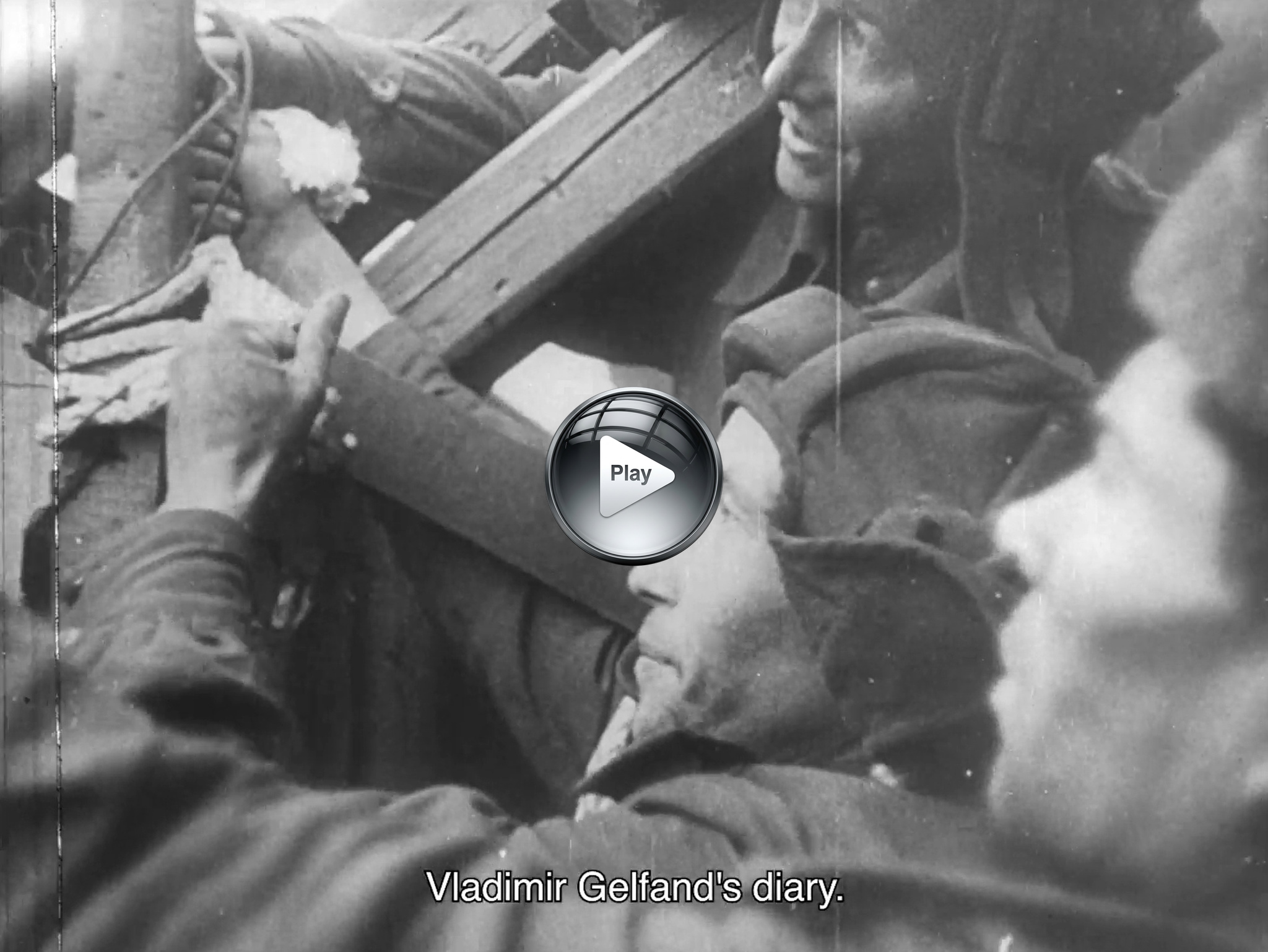
| "On the evening of April 30, a*tillery preparation of the division's units began. By this time, our soldiers were on the second floor of the building. The Germans were downstairs. I suddenly noticed them waving the signal flags. The shting stopped. And then they came out to meet the foremost people of our army." |
