


 |
 |
 |
 |
 |
|
 |
 |
 |
 |
 |
|
|
História Alemanha
2 de maio de 1945: a queda da Berlim nazista |
||
 |
||
| Em
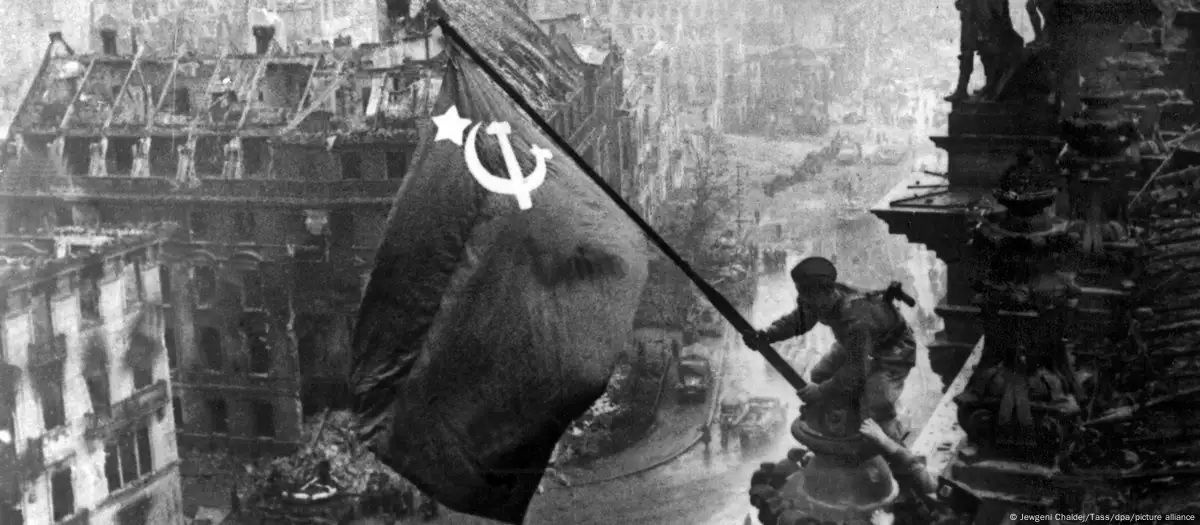
uma famosa fotografia amplificada pela propaganda russa, soldado
tremula bandeira no topo do Reichstag em 2 de maio de 1945, dia da
capitulação de Belim Foto: Jewgeni Chaldej/Tass/dpa/picture alliance |
||
|
Em meio aos escombros de uma metrópole devastada pela guerra, a população de Berlim tinha uma ideia de onde vinha o som de artilharia pesada que ecoava nas primeiras horas daquele 2 de maio de 1945, há exatos 80 anos. Não havia confirmação oficial, mas uma rede informal de relatos e boatos indicava que a capital alemã estava cercada pelo Exército Vermelho. "Ninguém sabia precisamente qual era a situação, mas a maioria dos berlinenses acreditava que os dias da cidade estavam contados”, conta o jornalista Cornelius Ryan no livro A Última Batalha (1966). Naquela manhã, a bandeira da União Soviética que tremulava no alto do Reichstag, a sede do Parlamento alemão, acabaria com qualquer dúvida sobre o que estava acontecendo. Era o fim Batalha de Berlim, episódio central na cronologia da última fase da Segunda Guerra Mundia na Europa. O conflito na Alemanha ainda se estenderia por mais uma semana, mas a rendição da capital marcou o colapso definitivo das linhas de defesa alemãs. Para os soviéticos, que haviam sofrido o maior número de baixas entre todos os países na guerra, era uma conquista triunfal. O regime nazista já agonizava nas ruínas do Terceiro Reich, decapitado após Hitler reagir aos sinais de derrota iminente com um tiro na própria cabeça em 30 de abril. O sucessor dele no posto de chanceler, Joseph Goebbels, também se suicidou no dia seguinte. Sem uma liderança clara, coube ao então comandante da Defesa Aérea de Berlim, Helmuth Weidling, decidir pelo fim das hostilidades na região. Por diversos alto-falantes, a ordem se espalhava: "Cada hora de conflito aumenta os enormes sofrimentos dos cidadãos de Berlim e de nossos feridos (...) determino o imediato encerramento dos combates". |
||
 |
||
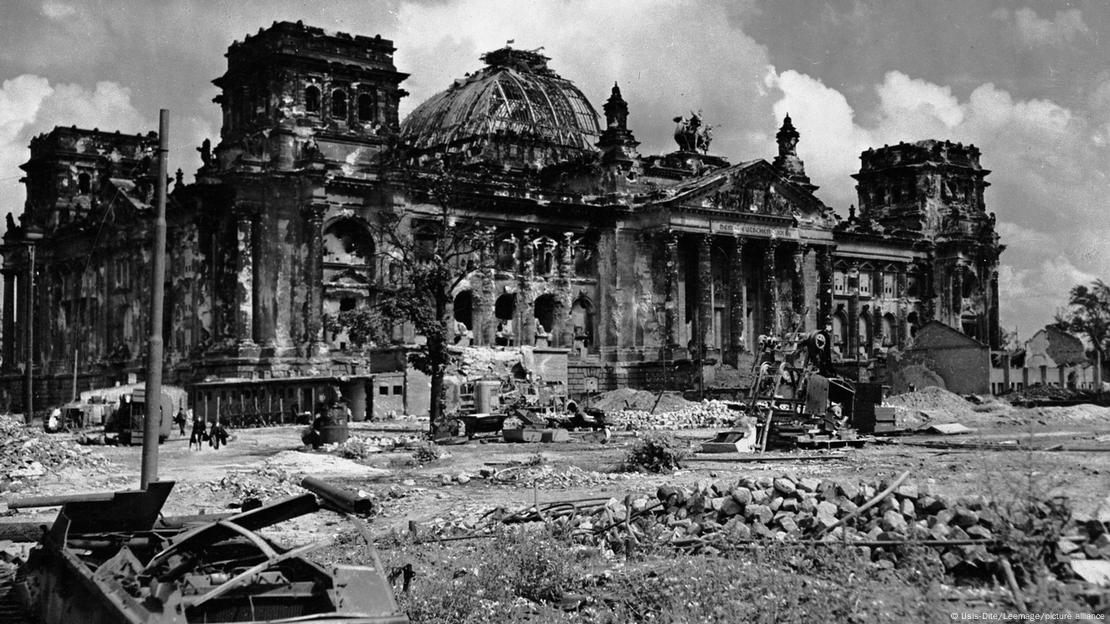
| Sede
do Parlamento alemão destruída em 1945 ilustra
tamanho da devastação de Berlim no final da guerra Foto: Usis-Dite/Leemage/picture alliance |
||
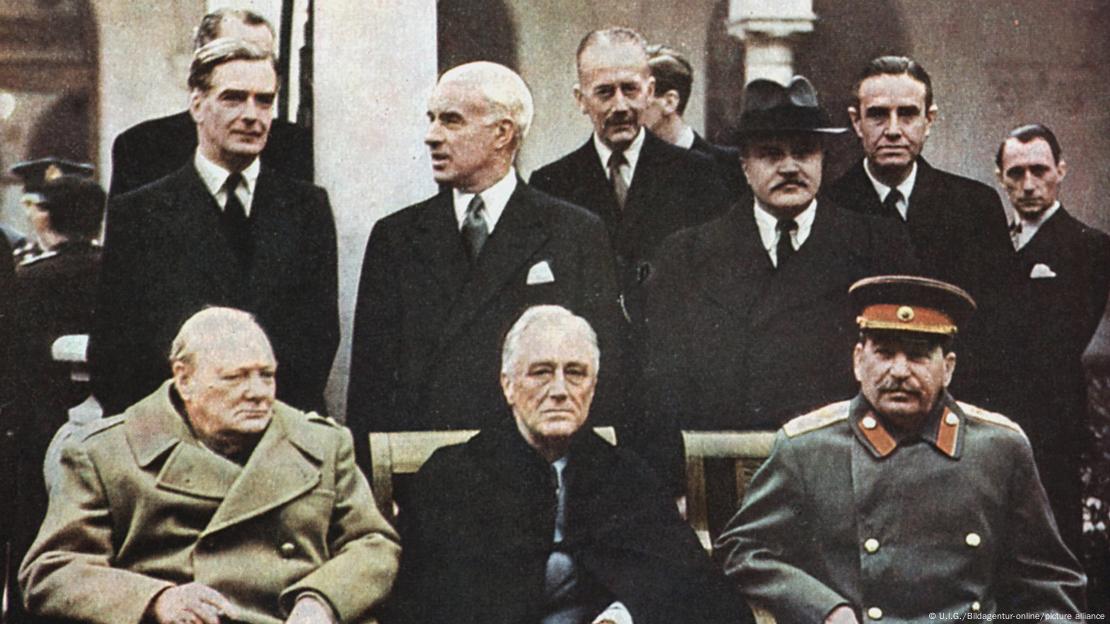
Uma cidade reduzidaO cenário era de terra arrasada: do pico de 4,3 milhões de habitantes no final da década de 30, a população se reduziu para 2,8 milhões em 1945, segundo registros históricos. Mais de 600 mil residências foram destruídas, após anos de bombardeios aéreos dos aliados. Os moradores restantes enfrentavam escassez de comida, remédio e itens básicos, além da interrupção frequente no fornecimento de água e eletricidade. Pela rádio, transmissões clandestinas da BBC revelavam os avanços no front ocidental, conforme descreve o historiador militar Antony Beevor no livro Berlim 1945: A Queda (2002). Os britânicos conheciam poucos detalhes da investida russa. "Mas o seu anúncio de que o campo de concentração de Sachsenhausen-Oranienburg tinha sido libertado a norte de Berlim deu uma boa ideia do progresso do Exército Vermelho e da sua intenção de cercar", ressalta o historiador na obra. Encurralada dos dois lados, a Alemanha entrou em abril de 1945 com poucas esperanças de uma reversão significativa da campanha militar. Uma frase atribuída ao ministro das Relações Exteriores alemão, Joachim von Ribbentrop, dá a dimensão do quadro: "A Alemanha tinha perdido a guerra, mas ainda tinha o poder de decidir para quem tinha perdido". Sob a liderança dos americanos, os aliados chegaram ao Rio Elba, a cerca de 100 quilômetros do centro de centro de Berlim, de onde planejavam marchar para a capital do Reich. Com a morte do então presidente dos EUA, Franklin D. Roosevelt, em 12 de abril, e incertezas sobre as linhas de suprimento, o supremo comandante das Forças Expedicionárias Aliadas, Dwight D. Eisenhower, mudou de ideia: estavam cancelados os planos de entrar em Berlim. O recuo deixou rachaduras na cúpula da aliança ocidental. O primeiro-ministro britânico, Winston Churchill, defendia que os militares aliados deveriam "apertar a mão dos russos o mais a leste possível", em uma prévia das dinâmicas geopolíticas que viriam a emergir à superfície na Guerra Fria. |
||
 |
||
| Churchill
(à esquerda) acreditava que os aliados deveriam entrar em
Berlim como uma mensagem à Stalin (à direita). Foto: U.I.G./Bildagentur-online/picture alliance |
||
A corrida soviética por BerlimA decisão de Eisenhower, de fato, abriu caminho para a ofensiva russa em direção ao centro nervoso da Alemanha nazista. Os soviéticos estavam, na verdade, em um processo de conclusão de uma espécie de contra-ataque, após a vitória na sangrenta Batalha de Stalingrado acabar com o avanço alemão na Rússia em 1943, explica o historiador Vítor Soares, apresentador do podcast História em Meia Hora. "É esse contra-ataque que culmina na derrota da Alemanha nazista”, diz. Nas últimas semanas de abril de 1945, o ditador da União Soviética, Joseph Stalin, entregou a missão de invadir Berlim aos marechais Ivan Konev, chefe do primeiro front ucraniano, e Georgy Zhukov, líder do primeiro front belarusso. O arranjo criou uma verdadeira corrida entre os dois pelo prestígio de ser o primeiro a entrar na capital alemã. Após a ordem de Stalin, a Batalha de Berlim começou oficialmente em 16 de abril. No último aniversário de Hitler, em 20 abril, os soviéticos iniciaram uma longa e pesada campanha de bombardeio da metrópole. Foi o suficiente para romper todas as linhas de defesa nazistas. A Operação Clausewitz, desenhada pelos alemães para afastar os aliados, fracassou. Os soviéticos entravam por todas as partes "como um enxame”, descreve Cornelius Ryan em A Última Batalha. Enquanto abril se aproximava do final, distritos caíam para o controle soviético como dominó. Homens da Juventude Hitlerista e da Guarda Nacional tentavam resistir, mas já não tinham uma liderança clara. Muitos simplesmente abandonavam as armas e fugiam. Estupros em sérieNos dias e horas finais da batalha, um clima de medo e incerteza se alastrou pelas ruas de Berlim. Soldados do Exército Vermelho cometeram atos de estupro em série de mulheres alemãs, amplamente descritos em relatos da época e na historiografia contemporânea. O soldado ucraniano Vladimir Gelfand escreveu sobre alguns casos nos diários que redigiu durante a guerra. Nas passagens de 25 de abril, bem em meio à batalha, o oficial relatou um encontro com um grupo de mulheres enquanto circulava de bicicleta em Berlim. As mulheres relataram episódios de violência sexual que deixaram o jovem militar horrorizado. "'Eles estupraram minha filha na minha frente', a pobre mãe contou. ‘Eles ainda podem vir e estuprar minha filha outra vez‘", cita um trecho diário, descoberto e divulgado pela família dele após a morte de Gelfand. Registros de agressões sexuais de oficiais do Exército Vermelho já eram conhecidos há algum tempo, com casos denunciados em outros países como a Polônia. Mas, ao se aproximar de Berlim, o comportamento ganhou um caráter de vingança. "Freiras, meninas, idosas, grávidas e mães que acabaram de dar à luz foram todas estupradas sem piedade", conta Beevor em Berlim 1945: A Queda. Nos anos 50, um livro de autoria anônima chamado Uma Mulher em Berlim provocou comoção na Alemanha ao relatar o cotidiano de estupros sofrido por uma jornalista berlinense durante a queda da cidade em 1945. No livro, a autora narra sua decisão de procurar um relacionamento sexual com algum oficial soviético graduado e assim evitar sofrer violência aleatória. Nas suas palavras, "encontrar um único lobo para afastar a alcateia" e tentar sobreviver. O nome da autora do livro, a jornalista Marta Hillers, só foi revelado nos anos 2000, após sua morte. Os estupros em massa aconteciam paralelamente ao avanço dos soviéticos em direção ao centro da capital. Enquanto Hitler se suicidava no final de abril, batalhas sangrentas eram travadas já dentro do perímetro urbano. |
||
 |
||
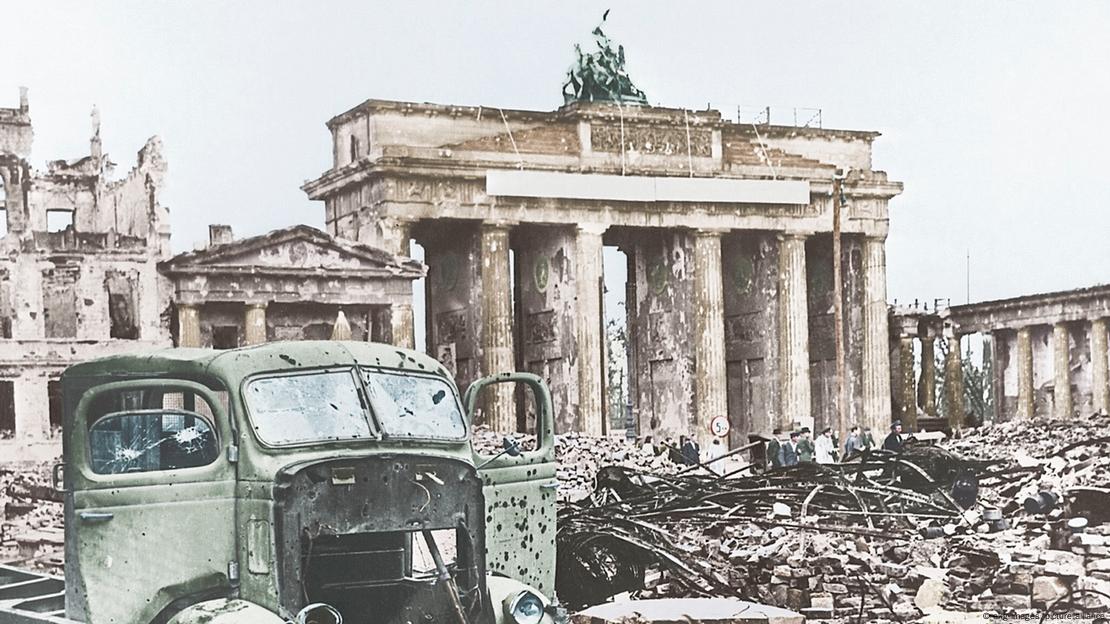
| Anos
de bombardeios destruíram Berlim Foto: akg-images/picture alliance |
||
|
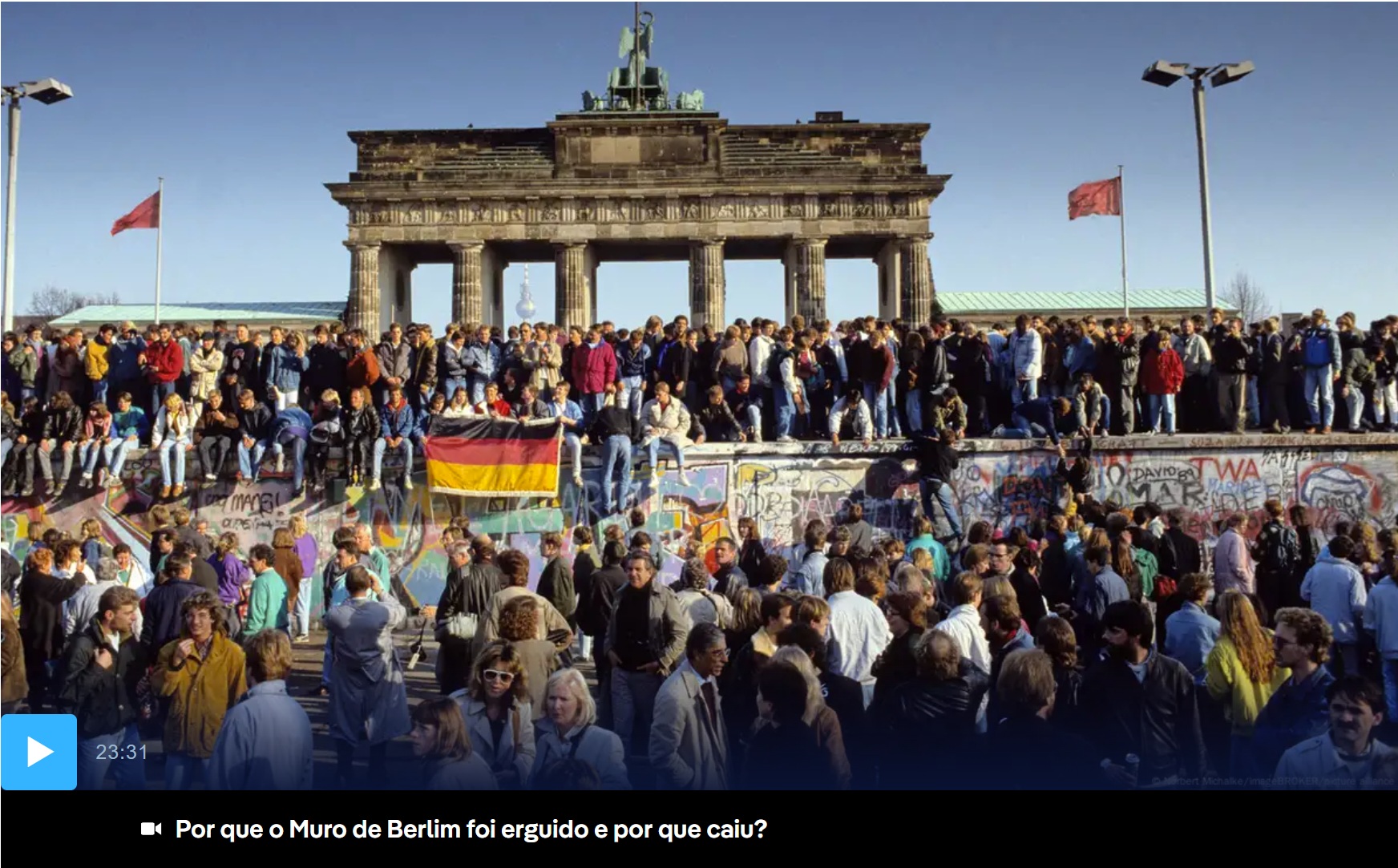
Os intensos bombardeios prendiam as pessoas em abrigos lotados e matavam indiscriminadamente muitos dos que se arriscavam a sair. Os feridos mal conseguiam chegar aos postos de socorro. Nem o zoológico escapou: dos cerca de 4 mil animais que lá viviam, apenas 91 sobreviveram. Ao mesmo tempo, tropas formadas por nazistas fanáticos continuavam a caçar e executar alemães que tentavam desertar ou se esconder em meio à batalha há muito perdida. No começo de maio, os frágeis focos de defesa sucumbiram. Para os nazistas sobreviventes, a única saída era aceitar as condições do cessar-fogo. "A Batalha por Belim estava oficialmente encerrada. As pessoas que se aventuraram a ir até a Praça da República naquela tarde viram a bandeira vermelha tremular sobre o Reichstag”, narra Cornelius Ryan. Não há um consenso sobre o número de baixas, mas as estimativas mais aceitas sugerem que mais de 150 mil pessoas foram mortas naqueles últimos dias de combate pela capital alemã, de acordo com Ryan. Uma cidade divididaQuase três meses antes, a Conferência de Ialta já havia decidido pela partilha da Alemanha e de Berlim em quatro zonas de ocupações divididas entre as potências aliadas: Estados Unidos, Reino Unido, França e União Soviética. Menos de duas décadas depois, um muro seria erguido para dividir a cidade em duas e se tornaria o símbolo físico máximo da Guerra Fria até a queda em 1989. Mesmo assim, o fato de a União Soviética ter sido a primeira a fincar a bandeira no núcleo central do nazismo teve um papel fundamental na construção de uma identidade nacional, explica o historiador Vítor Soares. "Os soviéticos tinham muito orgulho de terem invadido e acabado com o nazismo", diz. |
||
 |
||
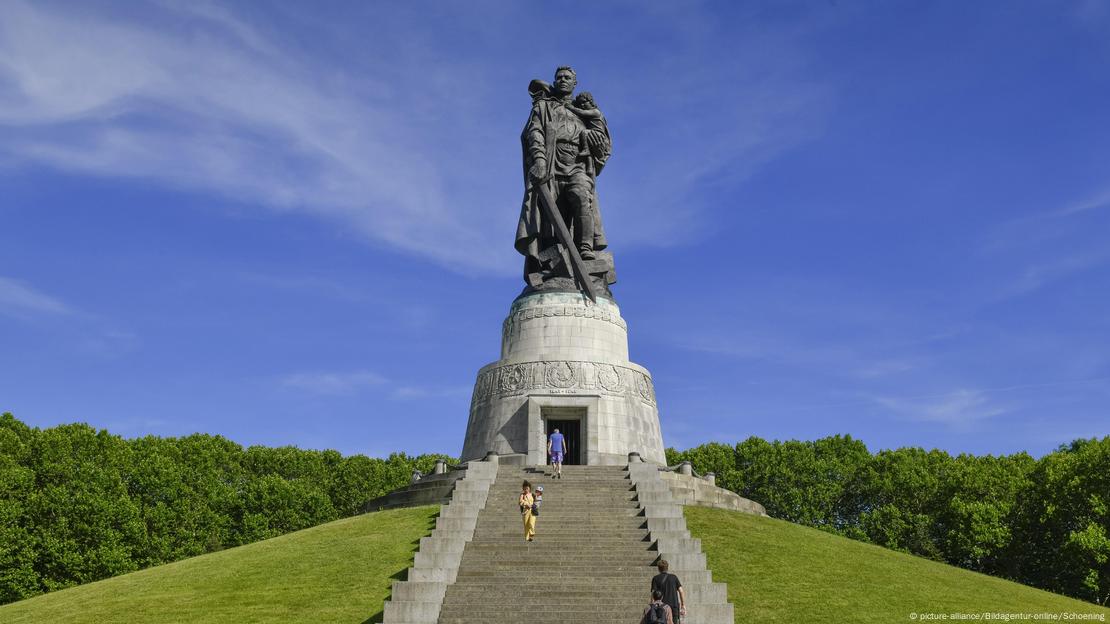
| Memorial
soviético no parque Treptower, em Berlim. Escultura
representa combatente sobre uma suástica destruída Foto: picture-alliance/Bildagentur-online/Schoening |
||
|
Após o fim da Segunda Guerra Mundial, três grandes memoriais soviéticos foram construídos em Berlim para marcar a vitória da URSS em Berlim e celebrar os 80 soldados soviéticos na batalha: um perto do Reichstag, no parque Tiergarten; outro no parque Schönholzer Heide; e, o maior deles, no parque Treptower. |
||
 |
© Deutsche Welle
© EMPRESA JORNALISTICA O POVO
© Tribuna União
© BOL
© MSN
© Istoe Dinheiro
© Informa Paraiba
© Noticias UOL
© Planeta

|
HISTORY · GERMANY 2 May 1945: The Fall of Nazi BerlinAndré Marinho Eighty years ago, Soviet troops defeated the Nazis in the battle for the German capital. Episodes of violence and the rape of civilians marked the final victory that opened the way to the end of the Second World War in Europe. In a famous photograph amplified by Russian propaganda, a soldier waves a flag from the top of the Reichstag on 2 May 1945, the day Berlin capitulated. Photo: Yevgeny Khaldei/TASS/dpa/picture alliance. Amid the rubble of the war-ravaged metropolis, Berliners could tell where the sound of heavy artillery was coming from in the early morning of 2 May 1945, exactly 80 years ago. There was no official confirmation, but an informal network of reports and rumors indicated that the German capital had been encircled by the Red Army. “No one knew exactly what the situation was, but most Berliners believed the city’s days were numbered,” journalist Cornelius Ryan writes in his book The Last Battle (1966). That morning, the flag of the Soviet Union flying high over the Reichstag — the seat of the German parliament — put an end to any remaining doubts about what was happening. It marked the end of the Battle of Berlin, a key episode in the chronology of the final phase of the Second World War in Europe. The war in Germany would continue for another week, but the surrender of the capital signaled the definitive collapse of German defensive lines. For Soviet troops, who had suffered the greatest losses of any country in the war, it was a triumphant achievement. The Nazi regime was already in its death throes amid the ruins of the Third Reich, decapitated after Hitler responded to signs of imminent defeat by shooting himself on 30 April. His successor as chancellor, Joseph Goebbels, also killed himself the following day. With no clear leader left, the decision to end the fighting in the area was taken by Berlin’s defense commander, General Helmuth Weidling. The order was broadcast over several loudspeakers: “Every hour of fighting increases the immense suffering of Berlin’s population and of our wounded (...) I order the immediate cessation of hostilities.” The destruction of the German parliament building in 1945 illustrates the scale of Berlin’s devastation at the end of the war. Photo: Usis-Dite/Leemage/picture alliance. A Shrunken CityThe city had become a wasteland. Its population had reached 4.3 million at the end of the 1930s, but according to historical records it had fallen to 2.8 million by 1945. More than 600,000 homes had been destroyed after years of Allied air raids. Those who remained faced shortages of food, medicine and basic necessities, as well as frequent interruptions to water and electricity supplies. Secret BBC radio broadcasts reported on the advance of troops on the Western Front, as military historian Antony Beevor recounts in his book Berlin: The Downfall 1945 (2002). The British knew few details about the Russian advance. “Their report on the liberation of the Sachsenhausen-Oranienburg concentration camp north of Berlin gave an indication of the Red Army’s progress and its intention to encircle the city,” the historian notes in his book. Cornered from both sides, Germany entered April 1945 with little hope of any significant reversal in the military campaign. A phrase attributed to German Foreign Minister Joachim von Ribbentrop gives an idea of the situation: “Germany has lost the war, but it still has the power to decide to whom it has lost it.” Led by the Americans, the Western Allies reached the Elbe River, about 100 kilometers from central Berlin, from where they had planned to advance on the Reich capital. After the death of U.S. President Franklin D. Roosevelt on 12 April and amid uncertainty over supplies, Supreme Commander of the Allied Expeditionary Force Dwight D. Eisenhower changed his decision: plans to enter Berlin were canceled. The retreat opened a rift at the top of the Western alliance. British Prime Minister Winston Churchill argued that Allied forces should “shake hands with the Russians as far to the east as possible,” anticipating the geopolitical dynamics that would emerge during the Cold War. Churchill (left) believed that the Allies should enter Berlin as a message to Stalin (right). Photo: U.I.G./Bildagentur-online/picture alliance. The Soviet Race for BerlinEisenhower’s decision effectively opened the way for the Russian advance on the nerve center of Nazi Germany. The Soviets were in fact completing a kind of counteroffensive after their victory in the bloody Battle of Stalingrad had ended the German advance into Russia in 1943, explains historian Vítor Soares, host of the podcast História em Meia Hora. “It was this counteroffensive that led to the defeat of Nazi Germany,” he says. In the final weeks of April 1945, Soviet dictator Joseph Stalin assigned the mission of invading Berlin to Marshals Ivan Konev, commander of the First Ukrainian Front, and Georgy Zhukov, commander of the First Belorussian Front. The arrangement triggered a genuine race between them for the prestige of being the first to enter the German capital. On Stalin’s orders, the Battle of Berlin officially began on 16 April. On Hitler’s last birthday, 20 April, Soviet troops began a prolonged and intense bombardment of the metropolis. It proved enough to break through all the Nazi defensive lines. Operation Clausewitz, devised by the Germans to hold back the Allies, failed. Soviet troops advanced from every direction “like a swarm,” Cornelius Ryan writes in The Last Battle. By the end of April, districts fell under Soviet control like dominoes. Members of the Hitler Youth and the Volkssturm tried to resist, but they no longer had clear leadership. Many simply threw down their weapons and fled. Repeated RapesDuring the final days and hours of the battle, an atmosphere of fear and uncertainty spread through Berlin among the Germans who remained in the city. Red Army soldiers committed repeated rapes of German women, acts widely described in contemporary accounts and modern historiography. Ukrainian soldier Vladimir Gelfand wrote about some of them in his wartime diaries. In an entry dated 25 April, at the height of the fighting, the officer described meeting a group of women while riding his bicycle through Berlin. The women told him about episodes of sexual violence that horrified the young soldier. “They raped my daughter in front of me,” one distraught mother said. “They can still come and rape my daughter again,” reads the diary passage discovered and made public by Gelfand’s family after his death. Cases of sexual violence by Red Army soldiers and officers had already been known for some time and had also been reported in other countries, such as Poland. But as the troops approached Berlin, their behavior took on a more vengeful character. “Nuns, girls, old women, pregnant women and mothers who had just given birth — all were raped without pity,” Beevor writes in Berlin: The Downfall 1945. In the 1950s, a book entitled A Woman in Berlin, published anonymously by a German woman, caused a stir in Germany. It described the daily rapes suffered by a Berlin journalist during the fall of the city in 1945. In the book, the author recounts her decision to enter into a sexual relationship with a high-ranking Soviet officer in order to avoid random violence — in her words, to “find a single wolf so as to keep away the pack” and try to survive. The author’s identity, journalist Marta Hillers, was revealed only in the 2000s, after her death. The mass rapes took place in parallel with the advance of Soviet troops toward the center of the capital. By the time Hitler killed himself at the end of April, bloody fighting was already raging within the city. Years of bombing destroyed Berlin. Photo: akg-images/picture alliance. Intense shelling trapped people in overcrowded shelters and indiscriminately killed many of those who risked going outside. The wounded could barely reach aid stations. Even the zoo did not escape: of the 4,000 animals that had lived there, only 91 survived. At the same time, units made up of fanatical Nazis continued to hunt down and execute Germans who tried to desert or hide while the battle was already effectively lost. At the beginning of May, the fragile pockets of defense collapsed. For the remaining Nazis, the only option was to accept the terms of surrender. “The Battle of Berlin was officially over. People who went out that day onto the Platz der Republik saw the red flag flying over the Reichstag,” Cornelius Ryan writes. There is no consensus on the number of casualties, but according to the most common estimates more than 150,000 people died during those final days of fighting for the German capital, Ryan states. A Divided CityAlmost three months earlier, the Yalta Conference had already decided that Germany and Berlin would be divided into four occupation zones shared among the Allied powers: the United States, the United Kingdom, France and the Soviet Union. Less than two decades later a wall was erected that divided the city in two and became the principal physical symbol of the Cold War until it fell in 1989. Nevertheless, the fact that the Soviet Union was the first to raise its flag in the center of Nazism played a fundamental role in shaping national identity, historian Vítor Soares explains. “The Soviets were very proud that they had invaded the country and brought Nazism to an end,” he says. Soviet memorial in Berlin’s Treptower Park. The sculpture depicts a fighter standing over a shattered swastika. Photo: picture-alliance/Bildagentur-online/Schoening. After the end of the Second World War, three large Soviet memorials were built in Berlin to honor the USSR’s victory in the city and commemorate the 80,000 Soviet soldiers who died in the battle: one near the Reichstag in Tiergarten, another in Schönholzer Heide, and the largest in Treptower Park. Why was the Berlin Wall built, and why did it fall? |