|
Love
and violence. Bread and blood. Propaganda and weariness.
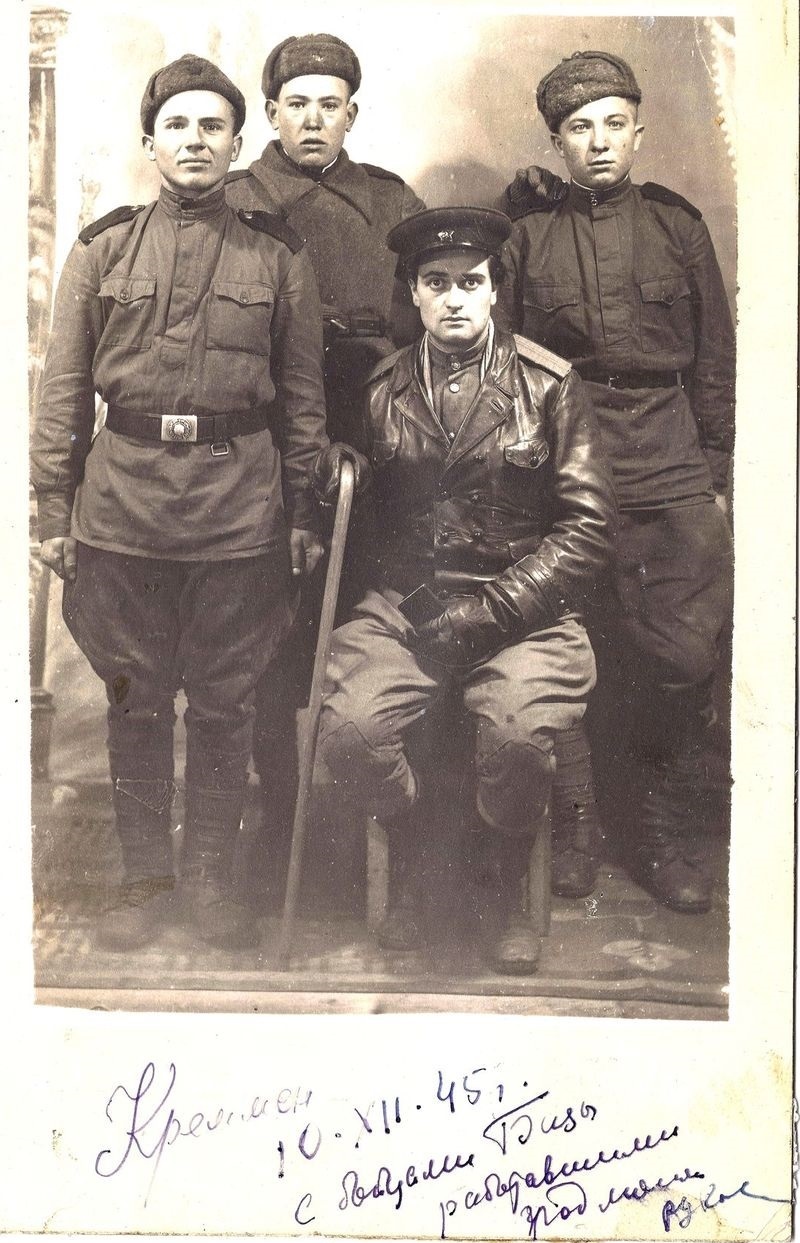
The wartime diaries of Vladimir Gelfand, a young Jewish Red Army
lieutenant, remain one of the most piercing personal testimonies of the
Second World War. He does not embellish, judge, or moralize. He records
everything as it happens: filth, cruelty, powerlessness, longing,
tenderness, hunger, alcohol, poetry, rage. That is his truth. And now
— ours.
Eighty years after the war ended, Gelfand’s diary is not just
a document. It is a mirror. It reflects what official Soviet (and now
Russian) memory has worked hard to erase.
The
total victory and its price
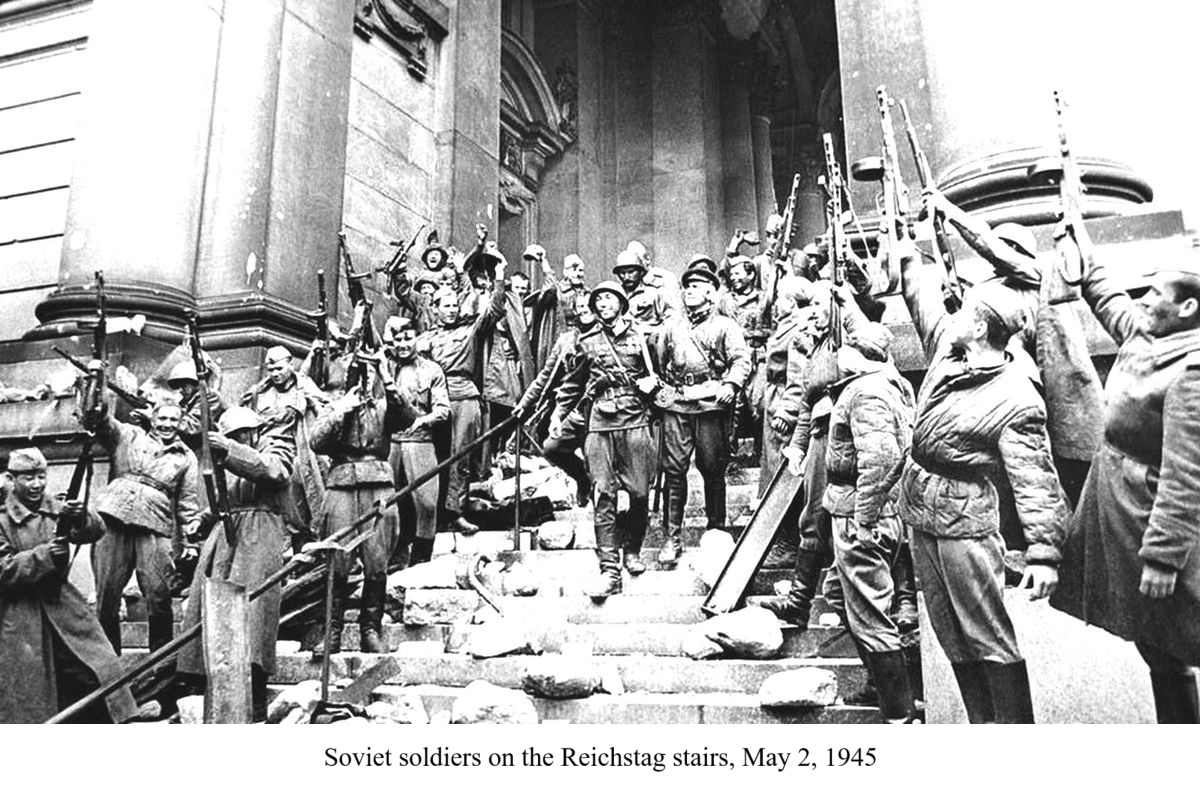
May 1945. The Red Army enters Berlin. Soviet soldiers are the victors.
They have survived the hell of Stalingrad, Kharkov, the Dnieper,
Leningrad, the Oder crossing. They have lost friends, starved, frozen,
bled. Now they enter the homes of the enemy — homes full of
carpets, crystal, Goethe books, fireplaces, Meissen porcelain. And
women.
Gelfand’s diary includes scenes that could never be published
in the Soviet Union. Women offering themselves to avoid violence. Girls
begging one soldier to protect them from others. Looting. Drunkenness.
Rape. But also — fragile humanity, unexpected intimacy, even
love.
“Do
anything you want with me. But only you. Let no one else,” a
German girl tells him, hoping to escape another gang assault.
Shame
and triumph
Gelfand was no dissident. He was a Komsomol member. He believed in
Stalin and the Soviet cause. He wrote propaganda, edited wall
newspapers, applied to join the Communist Party. But he also watched
and wrote everything down.
“Our
soldiers suggest stabbing the captured German women through their
genitals… I would just kill them,” he
writes, horrified.
These are not the words of a historian. They are the raw account of an
eyewitness. And for that reason — they cannot be ignored.
An
incomplete diary with complete power
Gelfand’s diary is not perfect. It has gaps. Days or even
weeks are missing. He draws no political conclusions. He is not a
philosopher. But that is its power. He documents, without explanation.
And that is why the diary is so feared in modern Russia.
Today, it is illegal to “discredit” the memory of
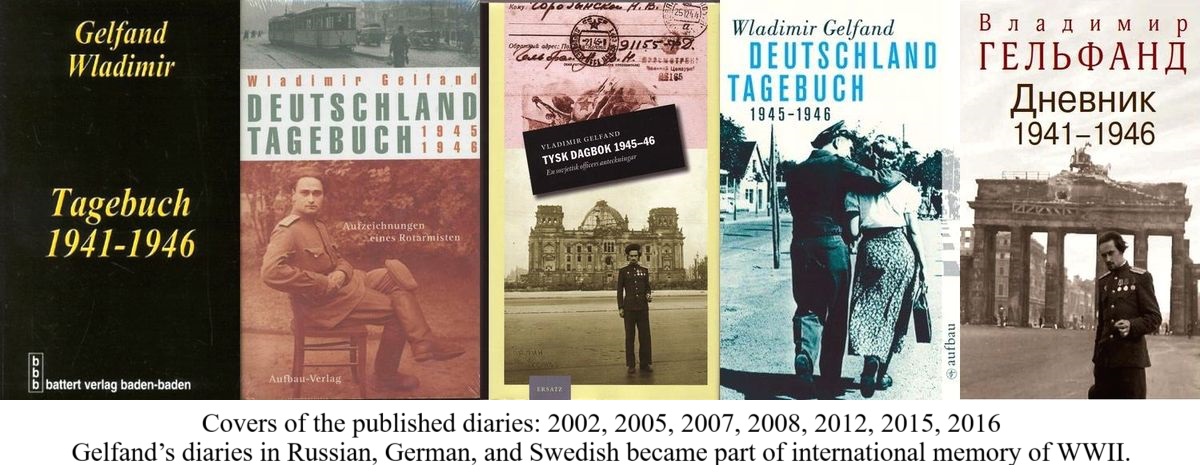
the Red Army. Fines. Prison. But Gelfand’s diary is out. It
is published. In Germany, Sweden, Russia. It exists. And it will
continue to exist.
From
Berlin to Bucha
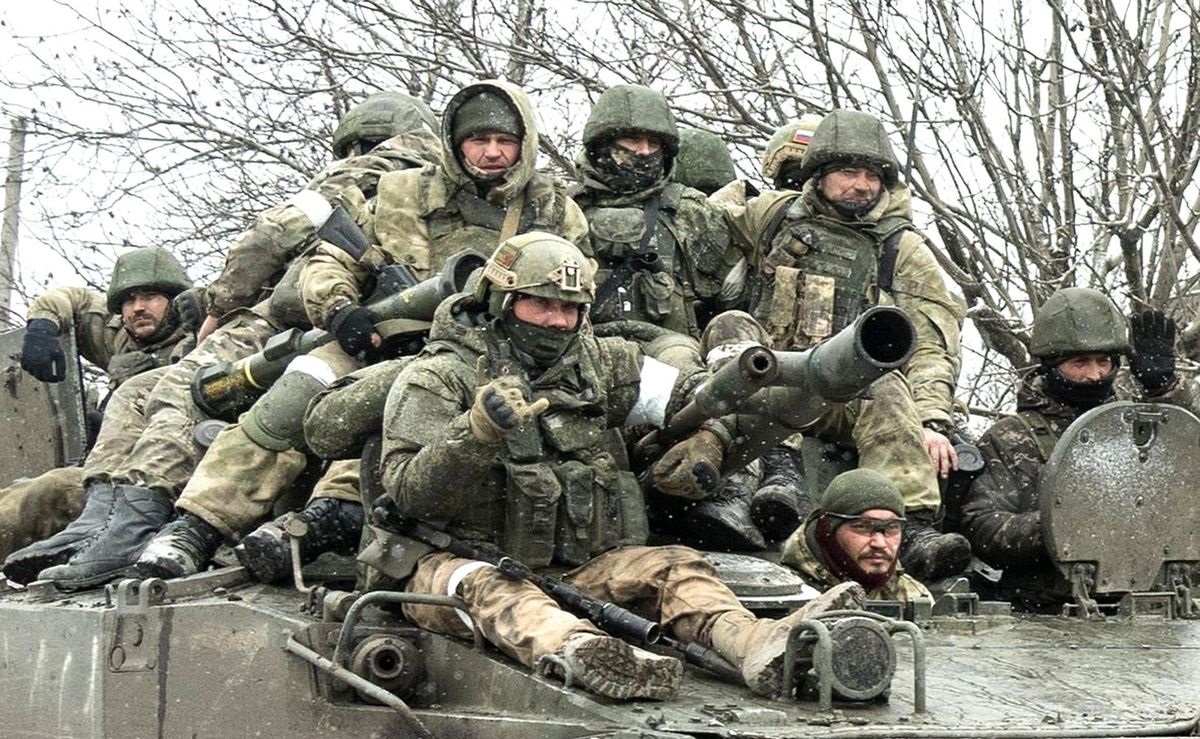
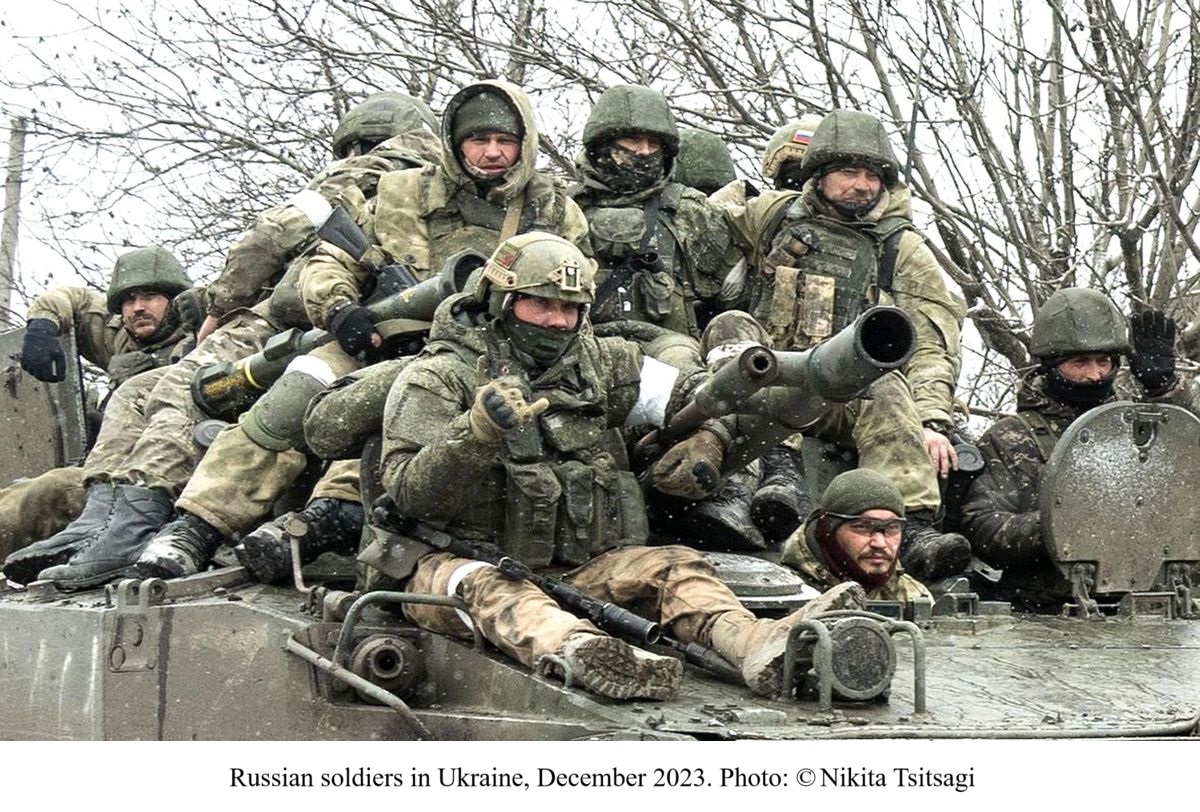
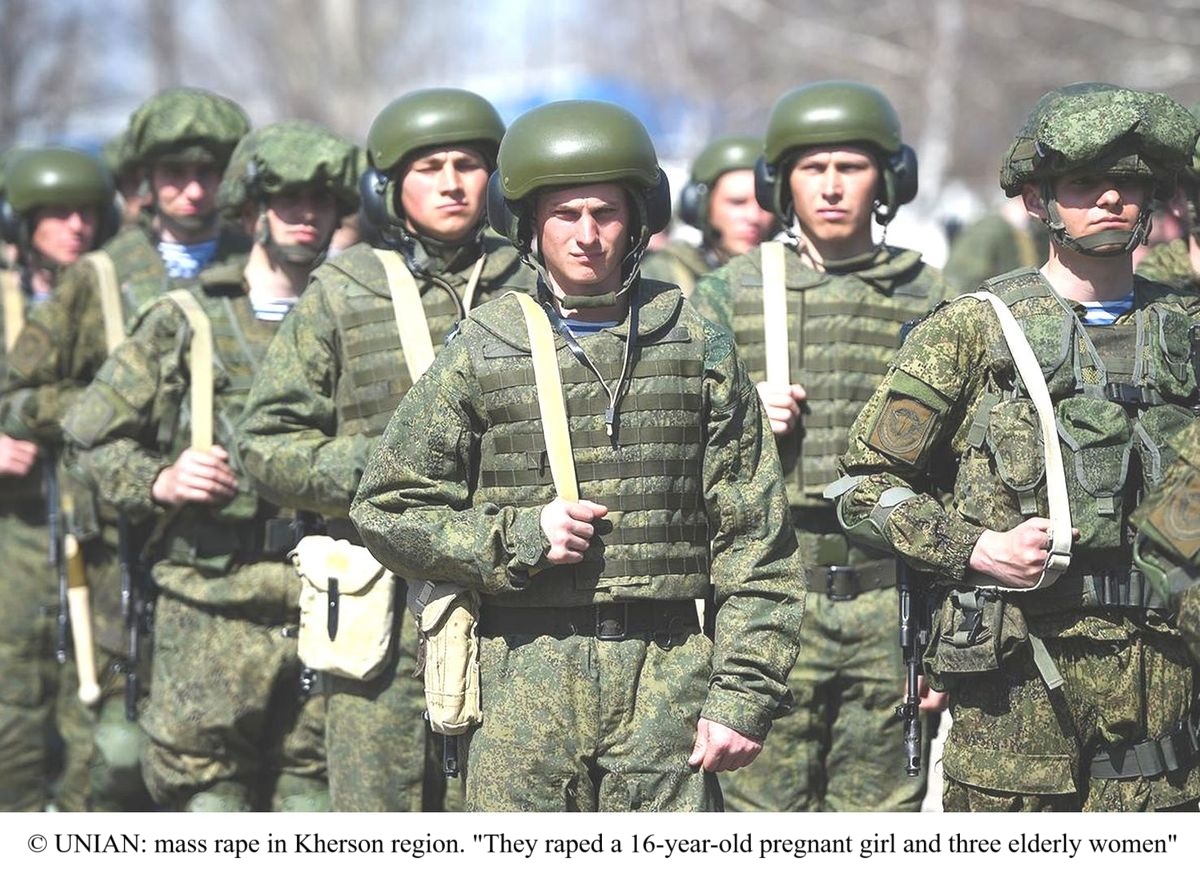
Reading Gelfand today, it is impossible not to think of Ukraine.
Mariupol. Bucha. Raped women. Looted homes. Executed civilians. The
same patterns. The same violence. The same silence.
“Soviet
soldiers raped every German woman between eight and eighty. It was an
army of rapists,” wrote
Red Army war correspondent Natalia Gesse.
The
witness’s son
Vladimir Gelfand’s son, Vitaly, became the editor and
guardian of the diary. He says:
“If
people don’t want to know the truth, they are lying to
themselves. We cannot move forward unless we look back.”
This is not a historian speaking. It is someone raised inside memory.
|
|