



© Dünya Haqqinda
 Azerbaijani
An unusual book has been published in Russia: the diary kept by Soviet officer Vladimir Gelfand during what he himself called the Second World War, or the Great Patriotic War.
Some people in Russia believe that taking a critical view of the past is unacceptable, especially since 27 million Soviet citizens died in the war. Others, however, are convinced that present and future generations have the right to know the truth about wartime suffering — without silence or double standards.
BBC correspondent Lucy Ash also decided to follow some of the lesser-known paths of the Second World War. The BBC warns that some of the events described in the article may not be suitable for children.
“Evening twilight was settling over Treptower Park near Berlin. I look at the monument to the liberator soldier against the sunset horizon,” Ash writes.
“The 12-metre statue, standing on a shattered Nazi swastika, holds a sword in one hand and a small German girl in the other. Five thousand of the 80,000 Soviet soldiers killed in the Battle of Berlin between April 16 and May 2, 1945, are buried here. One inscription on the monument states that the Soviet people saved European civilization from fascism. Yet for some Germans this monument became the symbol of another, darker memory.”
Soviet soldiers raped countless women on the road to Berlin. This was not something people spoke about in either East or West Germany, and still less in modern Russia.
Moreover, Russian media have called reports of violence by Soviet soldiers “Western prejudice.” Yet this reality is now corroborated by a diary written by an actual participant in the war — a Soviet officer.
Vladimir Gelfand, a young Jewish lieutenant from Ukraine, kept a diary from 1941 to 1945. Despite the Red Army's ban on private record-keeping, he carefully documented what was happening with remarkable honesty, sparing neither himself nor others.
His son Vitaly found the diary after his father's death while sorting through the papers he had left behind. The entries were later digitized and placed online.
September 13, 2019
The diary was discovered by Gelfand's son Vitaly while he was handling documents after his father's death. It was subsequently placed online and became the first authentic front-line diary to be published as a book in Russia. Special editions had previously appeared in Germany and Sweden.
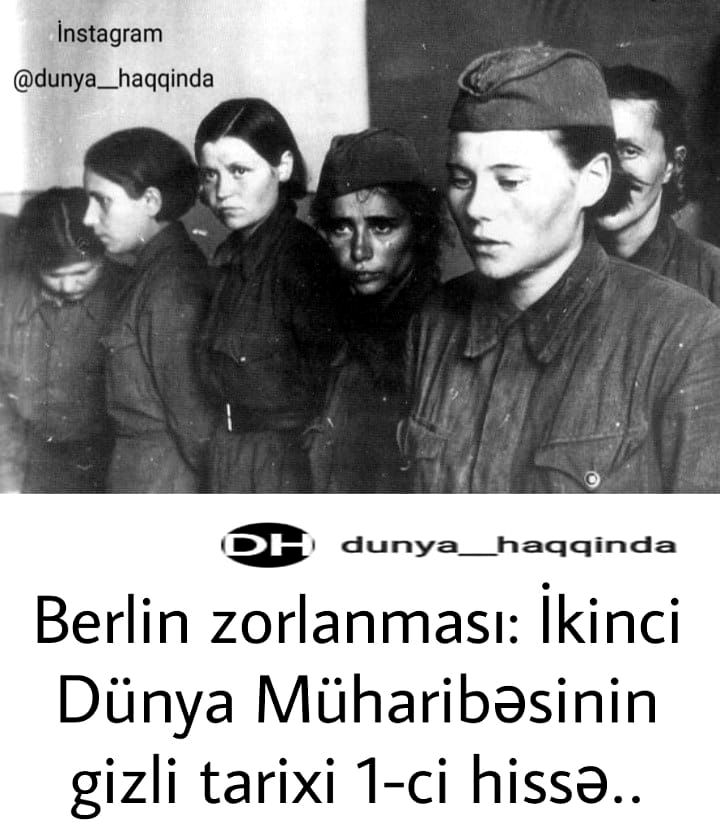
The diary makes clear that regular units suffered from repeated air raids, poor soldiers' rations, broken bunks, everyday antisemitism, and constant petty theft. Gelfand noted that soldiers even stole one another's boots. In February 1945 his unit camped near the Oder River. He recalled how his comrades captured a German women's battalion.
Vladimir Gelfand wrote that the women said they wanted to avenge their dead husbands, although he did not know what ultimately happened to them. He nevertheless recorded that they “must be executed without mercy.” One of Gelfand's most striking entries is dated April 25, 1945.
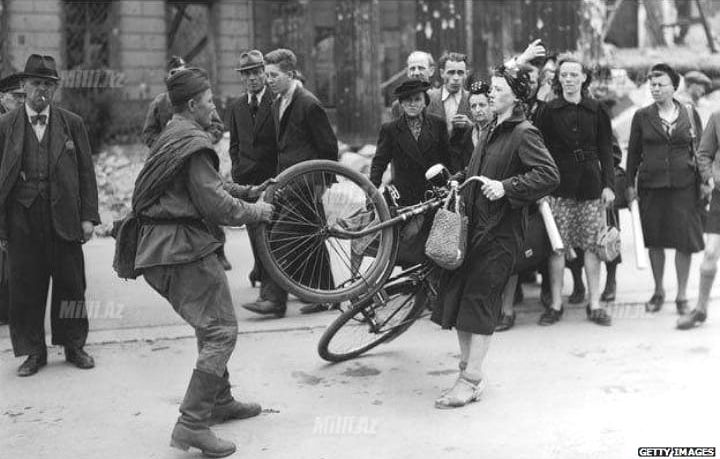
By then he was already in Berlin and was riding a bicycle for the first time in his life. Seeing a group of women carrying heavy suitcases, he rode up and asked where they were going. The women told him that after the Soviet vanguard entered the city, soldiers burst into their house and raped their daughter. According to the mother, the rape happened before her eyes and involved twenty men. Suddenly the girl threw herself toward Gelfand and shouted: “Stay! You can do anything you want with me. But only you — alone!”
BBC journalist Lucy Ash notes that during four years of occupation of Soviet territory, German forces committed monstrous crimes. Vladimir Gelfand heard about these atrocities throughout the war until the Red Army liberated the occupied lands. His son Vitaly says his father told of horrors almost impossible to imagine: German soldiers killed entire village populations, especially Jews, sparing not even one- and two-year-old children.
September 14, 2019
Gelfand's son said that his father spoke of incredible atrocities committed by the Germans. According to him, German troops entering villages killed civilians, especially Jews. They showed not the slightest compassion even toward one- and two-year-old children. Nazi ideologues claimed that a Wehrmacht soldier was the ideal warrior and should not defile himself through sexual relations with women of “inferior races.” In practice this prohibition was ignored.
According to historian Oleg Budnitsky, the German command was so concerned about the spread of venereal disease among soldiers that it organized an entire network of military brothels in occupied territories.
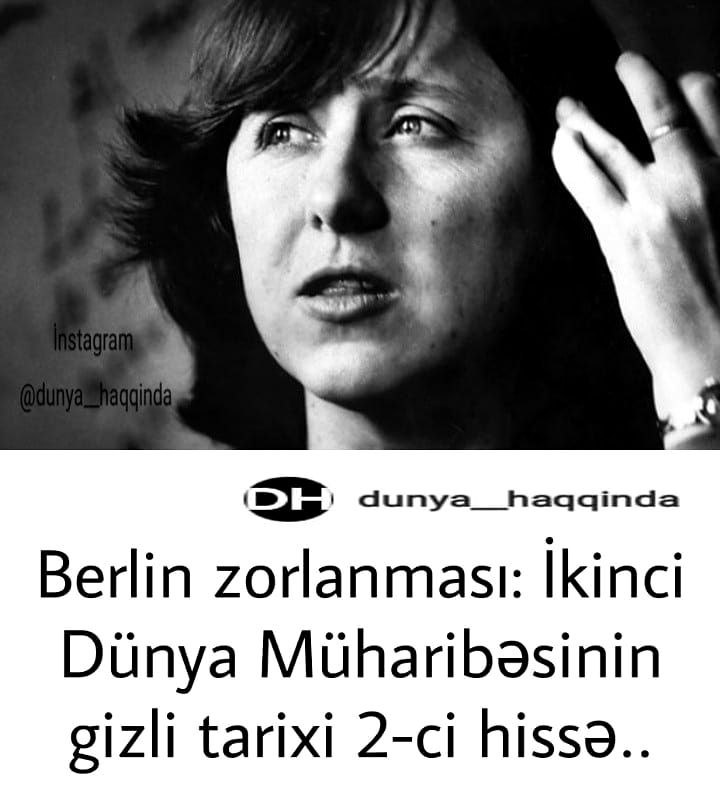
Reliable evidence of exactly how German soldiers treated Russian women is scarce because many sexual-violence victims were simply killed. BBC correspondent Lucy Ash reports that Jörg Morré, director of the German-Russian Museum in Berlin, showed her a number of shocking photographs.
“Our colleagues at the museum are always debating whether these photographs should be shown at all. But this is a museum. We do not tell people about war — we show it,” he explained.
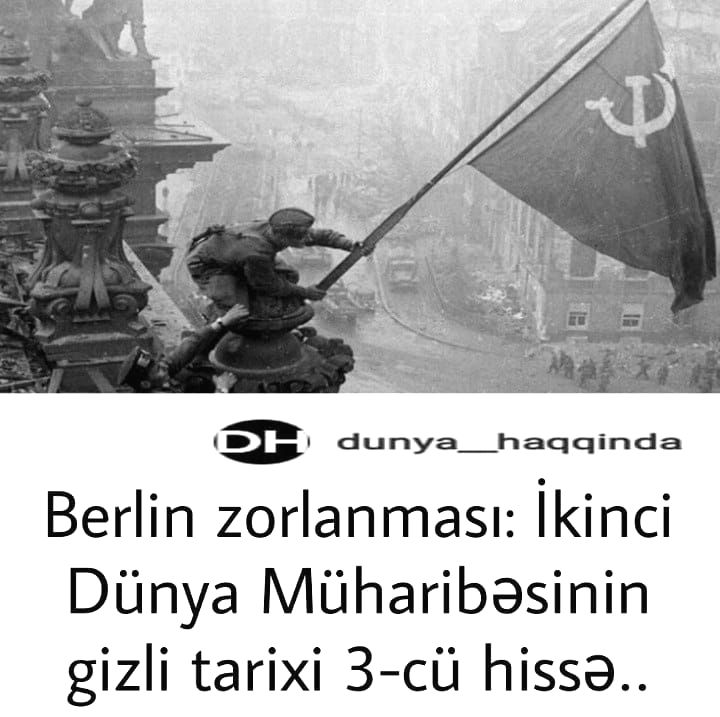
When the Red Army entered what propaganda called the “fascist lair” — Berlin — posters were already hanging in the streets: “Soldier! You are on German soil. The hour of vengeance has come.”
According to the political directives of the 19th Army, a true Soviet soldier was supposed to feel hatred toward all Germans and contempt for any relationship with German women. In practice, however, the soldiers showed how far removed they were from these ideological formulas.
While working on his book The Fall of Berlin (2002), historian Antony Beevor found documents in the Russian State Archive concerning mass sexual crimes committed in Germany. Relevant reports had already been sent to Soviet Interior Minister Lavrentiy Beria from the end of 1944.
“These reports were passed personally to Stalin,” Beevor says. “Marginal marks on the documents indicate whether he had read them.”