


|
MAJANO GOSSIP
– Patrick Pierre Bortolotti – LA DESTRA
|
 @DM_Deluca

La Seconda guerra mondiale in Europa terminò i primi giorni di maggio del 1945: tra il 2, quando si arrese Berlino, e l’8, quando venne ufficialmente firmato l’atto di resa dell’esercito tedesco. Ma per molti tedeschi la fine della guerra non significò affatto la fine delle sofferenze: in quei giorni tantissime donne, bambine e anziane vennero violentate dai soldati dell’esercito sovietico. I numeri sono difficili da verificare con certezza, ma si parla centomila nella sola Berlino e due milioni in tutto. È una storia che si legge raramente nei libri di storia e che anche in Germania ha cominciato a emergere soltanto negli ultimi anni.
Preludio
Era chiaro almeno dal 1943 che la Germania avrebbe perso la guerra: era
solo questione di capire quanto tempo ci sarebbe voluto e chi avrebbe
occupato per primo il suolo tedesco. In particolare, gran parte dei
tedeschi era terrorizzata all’idea che i primi ad arrivare in
Germania fossero i russi: per anni la propaganda nazista aveva infatti
dipinto gli “slavi” e i
“bolscevichi” come capaci di qualunque barbarie.
I tedeschi ebbero il primo assaggio di cosa sarebbe accaduto alla Germania dopo il crollo del regime nazista nell’ottobre del 1944, quando un piccolo reparto di soldati russi riuscì a oltrepassare il confine tedesco e a occupare per alcune ore il villaggio di Nemmersdorf, nella Prussia Orientale. Quando i tedeschi rioccuparono il villaggio trovarono i corpi di 74 persone tra donne, anziani e bambini. Le donne, tra gli 8 e gli 84 anni, erano state tutte stuprate e torturate. Alcuni corpi furono trovati inchiodati alla porta di un fienile. I nazisti scattarono delle foto del massacro e le diffusero in tutta la Germania. Abituati alle esagerazioni della propaganda, molti si rifiutarono di credere a quello che era accaduto, ma lo avrebbero sperimentato in prima persona di lì a poco.
La Prussia
Le prime unità dell’esercito russo che entrarono
in Germania pochi mesi dopo Nemmersdorf avrebbero sorpreso la
popolazione locale per la loro gentilezza e umanità, ma gli
ufficiali diedero ai civili un avvertimento: «Possiamo
garantire per i nostri uomini, non per quelli che verranno
dopo». Dietro ai soldati disciplinati che guidavano
l’avanzata, infatti, avanzava la massa caotica delle truppe
di seconda linea: soldati stanchi o annoiati, indisciplinati e
cronicamente ubriachi. Quando questi uomini oltrepassarono il confine
della Prussia Orientale, ha scritto lo storico Max Hastings,
«lo stupro di donne da parte dei soldati russi raggiunse una
scala che oltrepassava il desiderio sessuale e rifletteva soltanto
l’atavico desiderio di violare un’intera
società».
Secondo un altro storico, Antony Beevor, che ha potuto consultare gli archivi aperti dopo la caduta dell’Unione Sovietica, nelle regioni orientali della Germania furono violentate 1,4 milioni di donne tedesche. Altre stime portano il totale fino a due milioni. I soldati russi non risparmiarono bambine e anziane e nemmeno le prigioniere di guerra russe trovate nei campi di lavoro, colpevoli di essersi fatte catturare vive dai nazisti. Secondo gli storici, alla base di quello che Beevor ha definito «il più sistematico stupro di massa della storia», c’era un insieme esplosivo di fattori: la stanchezza per la lunga guerra, il desiderio di vendicarsi delle atrocità tedesche e l’abuso costante di alcolici.
Ma più di tutti, probabilmente, contribuì alle violenze la propaganda sovietica. Ogni reparto dell’esercito era affiancato da ufficiali politici che avevano il compito di motivare i soldati. Questi commissari del partito comunista indottrinavano le truppe sulla necessità di odiare i tedeschi e di far pagare loro un alto prezzo per aver invaso la Russia. I commissari non dicevano che era necessario violentare le donne tedesche, anzi: la linea ufficiale del partito era che il soldato russo sarebbe stato troppo gonfio di odio nei confronti del nemico per pensare di toccare una donna tedesca. Ma di fatto non venne introdotta nessuna misura punitiva. Come ha scritto Alexandr Solzhenitsyn, autore di Arcipelago Gulag e ufficiale di artiglieria durante la campagna di Prussia, «tutti sapevano molto bene che potevano stuprare le ragazze tedesche e poi sparargli».
Mentre i generali inglesi e americani pensarono di reintrodurre la pena di morte nei loro eserciti soltanto per lo stupro, l’atteggiamento delle autorità russe è perfettamente esemplificato dalla risposta che venne data a un leader jugoslavo che si lamentava di come i soldati russi avessero violentato alcune donne nonostante il suo paese fosse alleato dell’Unione Sovietica. Stalin gli rispose:
«Hai idea di che cosa complicata sia la mente umana? Bene, immagina un uomo che ha combattuto da Stalingrado a Belgrado attraversando oltre mille chilometri della sua terra devastata, cosparsa dei corpi dei compagni e dei suoi familiari più cari. Come può un uomo del genere comportarsi in maniera normale? E che cosa c’è di così terribile nel divertirsi con una donna dopo tutti questi orrori? La cosa che conta è combattere la Germania. Tutto il resto non è importante»
Si calcola che l’arrivo dell’esercito sovietico causò la fuga dalle regioni orientali della Germania – Prussia, Silesia e Pomerania – di più di due milioni di persone negli ultimi mesi di guerra. Centinaia di migliaia di questi rifugiati arrivarono a Berlino, dove portarono con sé i racconti delle atrocità commesse dai russi. Molti berlinesi accolsero con scetticismo quei racconti. Non sembrava loro possibile che i profughi potessero descrivere una realtà peggiore di quella che avevano vissuto fino a quel momento, con la guerra: la loro città era stata bombardata quasi ogni giorni per quasi due anni, mentre i profughi arrivavano da una zona che fino a quel momento era stata sostanzialmente risparmiata dai combattimenti. In città circolava anche una battuta: «Preferisco avere sopra un russo che una bomba».
Berlino
La giornalista Lucy Ash ha scritto un lungo e documentato
articolo per BBC sul
comportamento dell’esercito sovietico in Germania. Tra i
materiali non ancora pubblicati che ha potuto utilizzare
c’è il diario di Vladimir Gelfand, un giovane
tenente ucraino dell’Armata Rossa: un documento straordinario
per la sincerità e la brutalità con cui viene
descritta la routine dei soldati russi nel corso degli ultimi giorni di
guerra. Alla fine dell’aprile del 1945 Gelfand si trovava con
la sua unità nei dintorni di Berlino. In
un’annotazione datata 25 aprile, pochi giorni prima della caduta della
città, Gelfand racconta
di come durante un giro in bicicletta sulle rive del fiume Sprea
incontrò un gruppo di donne tedesche piene di valigie e
fagotti.
«Con le facce sconvolte dall’orrore mi raccontarono che cosa era accaduto la prima notte in cui era arrivata l’Armata Rossa». Erano state tutte violentate: una di loro da venti soldati diversi, un’altra aveva visto sua figlia stuprata davanti ai suoi occhi. Tutte erano terrorizzate all’idea che altri russi potessero tornare e ricominciare. Una di loro era così sconvolta che si gettò nelle braccia di Gelfand: «Dormi con me! Fammi quello che vuoi, basta che sia solo tu a farlo!».
Per molte berlinesi l’orrore e la paura erano così forti che si consegnarono agli ufficiali russi nella speranza di essere protette. In un altro documento raccolto da Ash, una donna tedesca racconta di come un gruppo di russi fece irruzione nella sua sua casa; disperata, usando il poco russo che conosceva, cercò di persuadere il loro ufficiale a risparmiarle. L’ufficiale ordinò ai suoi uomini di fermarsi ma uno di loro protestò: «Dopo tutto quello che i tedeschi hanno fatto alle nostre donne? Si sono presi mia sorella e mia madre!». L’ufficiale riuscì a calmarlo e a portarlo fuori. Poco dopo la donna uscì nel corridoio per controllare che i soldati se ne fossero andati. Non se ne erano andati e la stavano aspettando. Quando ebbero finito scrisse sul suo diario: «Capii che avevo bisogno di un lupo per tenere lontane le altre bestie». La donna iniziò una relazione ambigua con un ufficiale russo e nel suo diario si interrogava se quello che faceva con lui poteva considerarsi uno stupro.
Quando nel 1959 il suo diario venne pubblicato in forma anonima nella Germania occidentale, la donna venne criticata dai suoi stessi connazionali: il patto che lei e altre centinaia di donne avevano stretto con i russi era considerato una macchia per l’onore tedesco. Nella Germania orientale controllata dall’Unione Sovietica parlare delle violenze dei soldati russi era semplicemente impensabile: qualunque accusa nei confronti dei soldati russi che avevano liberato la Germania era punita con la prigione (pochi mesi fa il parlamento di Putin ha approvato una legge che punisce con una multa e con il carcere fino a cinque anni chiunque denigri il comportamento dell’esercito russo nel corso della Seconda guerra mondiale).
In tutto almeno centomila donne furono stuprate nella sola Berlino. Abbiamo un’idea abbastanza precisa dei numeri grazie ai registri degli aborti. All’epoca abortire era un reato in Germania, ma nell’estate del 1945 le autorità sanitarie decisero di fare un’eccezione per le donne vittime di violenza sessuale. Ash ha visitato uno degli archivi in cui sono contenuti questi registri. Oggi è ospitato in un’ex fabbrica di munizioni nel distretto di Neukölln, uno dei 24 che compongono Berlino. All’interno di faldoni blu, racconta Ash, sono contenuti dei fragilissimi fogli di carta gialla. In uno di questi, una ragazza appena maggiorenne, descrive con una scrittura infantile come venne violentata da un gruppo di soldati russi nel soggiorno della sua casa, davanti agli occhi dei suoi genitori. Soltanto a Neukölln ci sono altri mille di questi fogli.

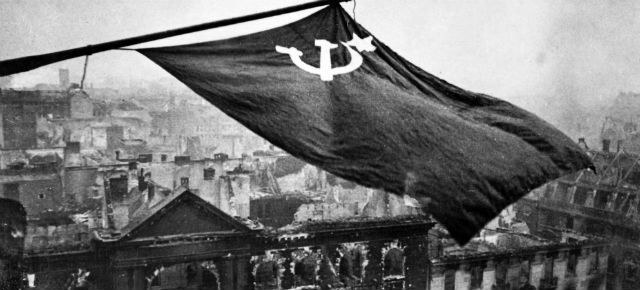
At the end of the Second World War, almost two million German women were raped by Russian soldiers in what has been remembered as "the largest mass rape in history."
The Second World War in Europe ended in the first days of May 1945: between 2 May, when Berlin surrendered, and 8 May, when the German armed forces formally signed their surrender. For many Germans, however, the end of the war did not mean the end of suffering. During those days enormous numbers of women, girls and elderly women were raped by Soviet soldiers. The figures are difficult to verify with certainty, but estimates often speak of 100,000 victims in Berlin alone and two million overall. It is a story rarely found in history books and one that, even in Germany, began to emerge publicly only in more recent years.
Prelude
By at least 1943 it was clear that Germany would lose the war. The questions were how long it would take and who would be the first to occupy German soil. Many Germans were particularly terrified by the idea that the Russians would arrive first: for years Nazi propaganda had portrayed "Slavs" and "Bolsheviks" as capable of every kind of barbarity.
The Germans received their first glimpse of what might happen after the collapse of the Nazi regime in October 1944, when a small Soviet unit crossed the German border and held the East Prussian village of Nemmersdorf for several hours. When German forces retook the village, they found the bodies of 74 people - women, elderly people and children. The women, aged between eight and eighty-four, had all been raped and tortured. Some bodies were found nailed to the door of a barn. The Nazis photographed the massacre and circulated the pictures throughout Germany. Accustomed to propaganda exaggerations, many people refused to believe what had happened, but they would soon experience similar violence themselves.
Prussia
The first Soviet army units to enter Germany a few months after Nemmersdorf reportedly surprised local people with their kindness and humanity, but officers warned civilians: "We can answer for our men, not for those who come after us." Behind the disciplined troops leading the advance came the chaotic mass of second-line forces: tired or bored soldiers, undisciplined and chronically drunk. When these men crossed into East Prussia, historian Max Hastings wrote, "the rape of women by Russian soldiers reached a scale that went beyond sexual desire and reflected only the atavistic desire to violate an entire society."
According to historian Antony Beevor, who was able to consult archives opened after the fall of the Soviet Union, 1.4 million German women were raped in the eastern regions of Germany. Other estimates put the total at as many as two million. Soviet soldiers did not spare girls, elderly women or even Russian prisoners of war found in labour camps, who were regarded as guilty for having allowed themselves to be captured alive by the Nazis. Historians argue that what Beevor called "the most systematic mass rape in history" arose from an explosive combination of factors: exhaustion after a long war, the desire to avenge German atrocities, and constant alcohol abuse.
More than anything else, however, Soviet propaganda probably contributed to the violence. Every army unit was accompanied by political officers whose job was to motivate the soldiers. These Communist Party commissars indoctrinated the troops about the need to hate Germans and make them pay dearly for invading the Soviet Union. The commissars did not say that German women should be raped; indeed, the official party line was that a Soviet soldier should be so full of hatred for the enemy that he would be disgusted by the thought of touching a German woman. In practice, however, no effective punitive measures were introduced. Aleksandr Solzhenitsyn, author of The Gulag Archipelago and an artillery officer during the Prussian campaign, wrote that "everyone knew very well that they could rape German girls and then shoot them."
While British and American generals considered restoring the death penalty in their armies specifically for rape, the attitude of the Soviet authorities is illustrated by the answer reportedly given to a Yugoslav leader who complained that Soviet soldiers had raped women even though his country was allied with the USSR. Stalin replied: "Do you have any idea how complicated the human mind is? Imagine a man who has fought from Stalingrad to Belgrade across more than a thousand kilometres of his devastated homeland, strewn with the bodies of comrades and his dearest relatives. How can such a man behave normally? And what is so terrible about having some fun with a woman after all these horrors? What matters is fighting Germany. Everything else is unimportant."
The arrival of the Soviet army is estimated to have driven more than two million people from Germany's eastern regions - Prussia, Silesia and Pomerania - during the final months of the war. Hundreds of thousands of these refugees reached Berlin carrying stories of Soviet atrocities. Many Berliners received the accounts with scepticism. They found it hard to believe that the refugees could describe a reality worse than their own: Berlin had been bombed almost daily for nearly two years, whereas the refugees came from areas that until then had largely been spared fighting. A joke circulated in the city: "I'd rather have a Russian on top of me than a bomb."
Berlin
Journalist Lucy Ash wrote a long, documented BBC article about the conduct of the Soviet army in Germany. Among the materials she used was the diary of Vladimir Gelfand, a young Ukrainian lieutenant in the Red Army - an extraordinary document for the frankness and brutality with which it describes the routine of Soviet soldiers during the final days of the war.
At the end of April 1945 Gelfand was with his unit near Berlin. In an entry dated 25 April, a few days before the city's fall, he describes meeting a group of German women carrying suitcases and bundles while he was out riding a bicycle along the Spree.
"With faces distorted by horror, they told me what had happened on the first night the Red Army arrived." All had been raped. One said she had been raped by twenty different soldiers; another had watched her daughter being raped in front of her. All were terrified that more Soviet soldiers might return and begin again. One woman was so distraught that she threw herself into Gelfand's arms: "Sleep with me! Do whatever you want to me, as long as it is only you!"
For many Berlin women the horror and fear were so intense that they attached themselves to Soviet officers in the hope of being protected. In another document cited by Ash, a German woman describes a group of Soviet soldiers breaking into her home. Desperate, using the little Russian she knew, she tried to persuade their officer to spare her. The officer ordered his men to stop, but one protested: "After everything the Germans did to our women? They took my sister and my mother!" The officer calmed him and led him away.
Soon afterward the woman went into the corridor to make sure the soldiers had left. They had not; they were waiting for her. Afterward she wrote in her diary: "I understood that I needed a wolf to keep the other beasts away." She began an ambiguous relationship with a Soviet officer and wondered in her diary whether what happened between them could be called rape.
When her diary was published anonymously in West Germany in 1959, the woman was criticised by her own compatriots. The arrangements she and hundreds of other women had made with Soviet soldiers were regarded as a stain on German honour. In Soviet-controlled East Germany, speaking about violence by Soviet soldiers was simply unthinkable; accusations against the soldiers who had liberated Germany could lead to imprisonment. The article notes that, many decades later, the Russian parliament also adopted a law allowing fines and prison terms of up to five years for denigrating the conduct of the Russian army during the Second World War.
At least 100,000 women were raped in Berlin alone. The scale can be estimated in part from abortion records. Abortion was a criminal offence in Germany at the time, but in the summer of 1945 health authorities made an exception for victims of sexual violence.
Ash visited one archive containing these records, now housed in a former munitions factory in Neukolln, one of Berlin's 24 districts. Inside blue folders are extremely fragile sheets of yellow paper. On one of them, a girl barely of age describes in childlike handwriting how a group of Soviet soldiers raped her in her family's living room, in front of her parents. In Neukolln alone there are about a thousand such sheets.
Copyright: Majano Gossip
