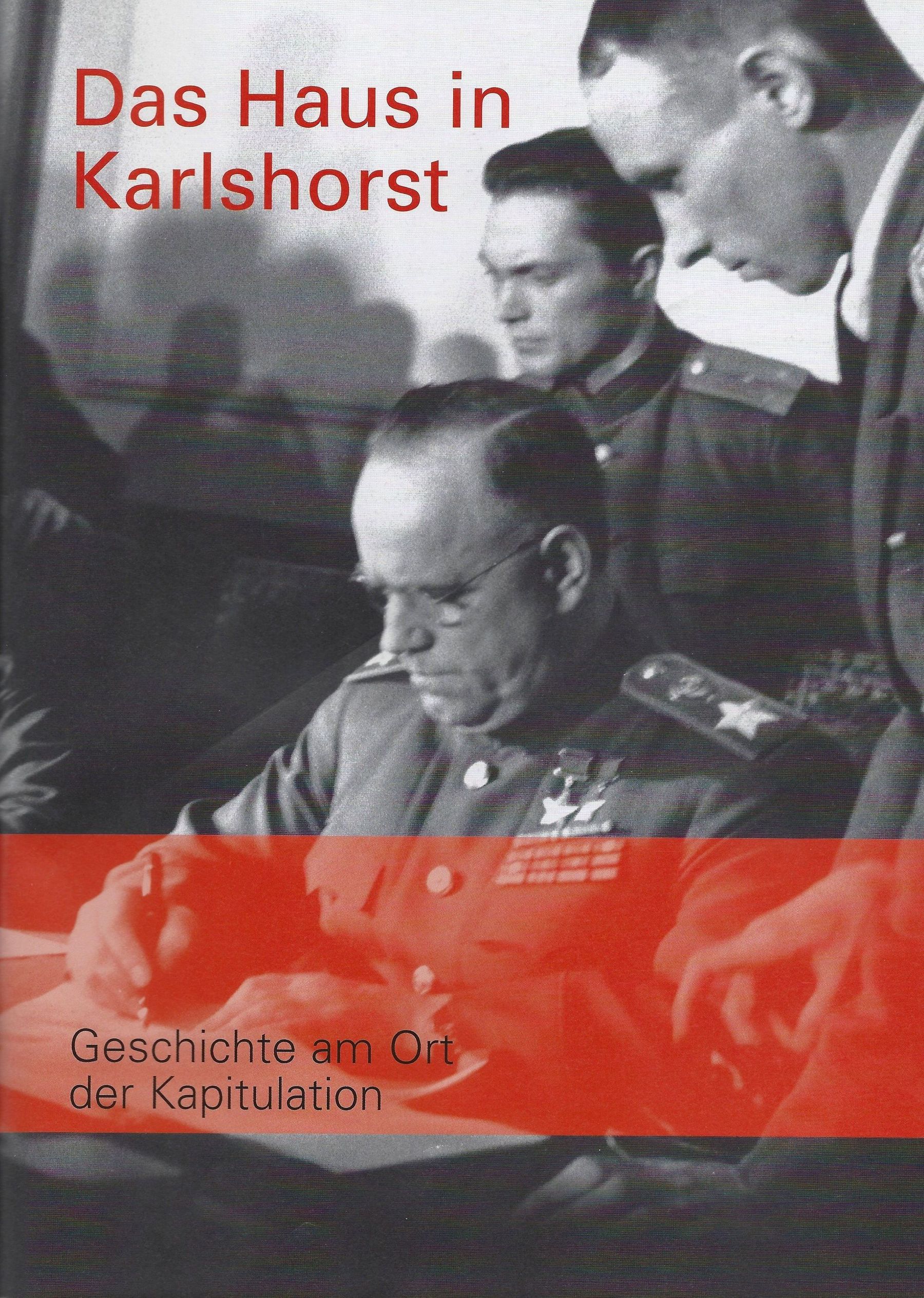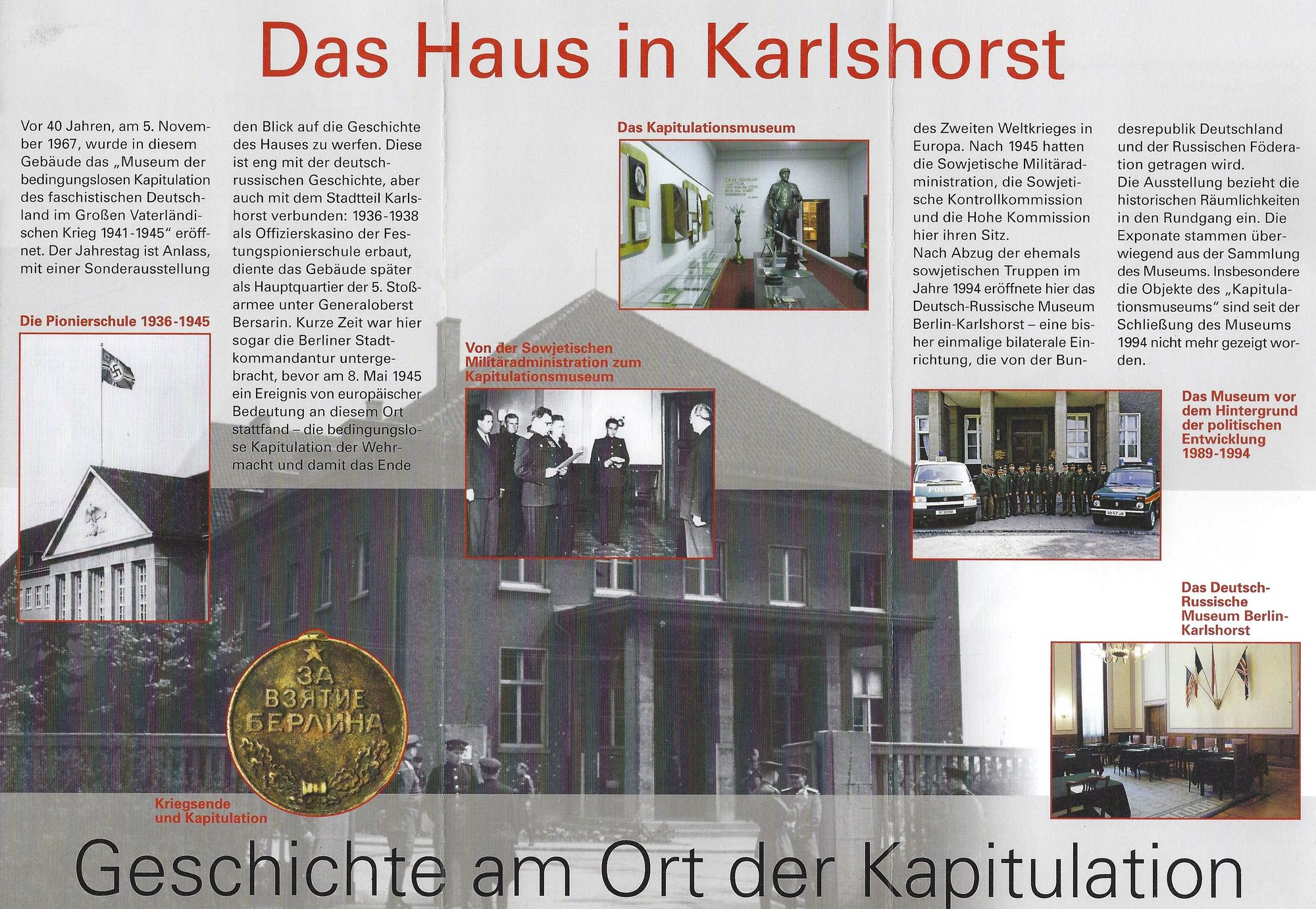



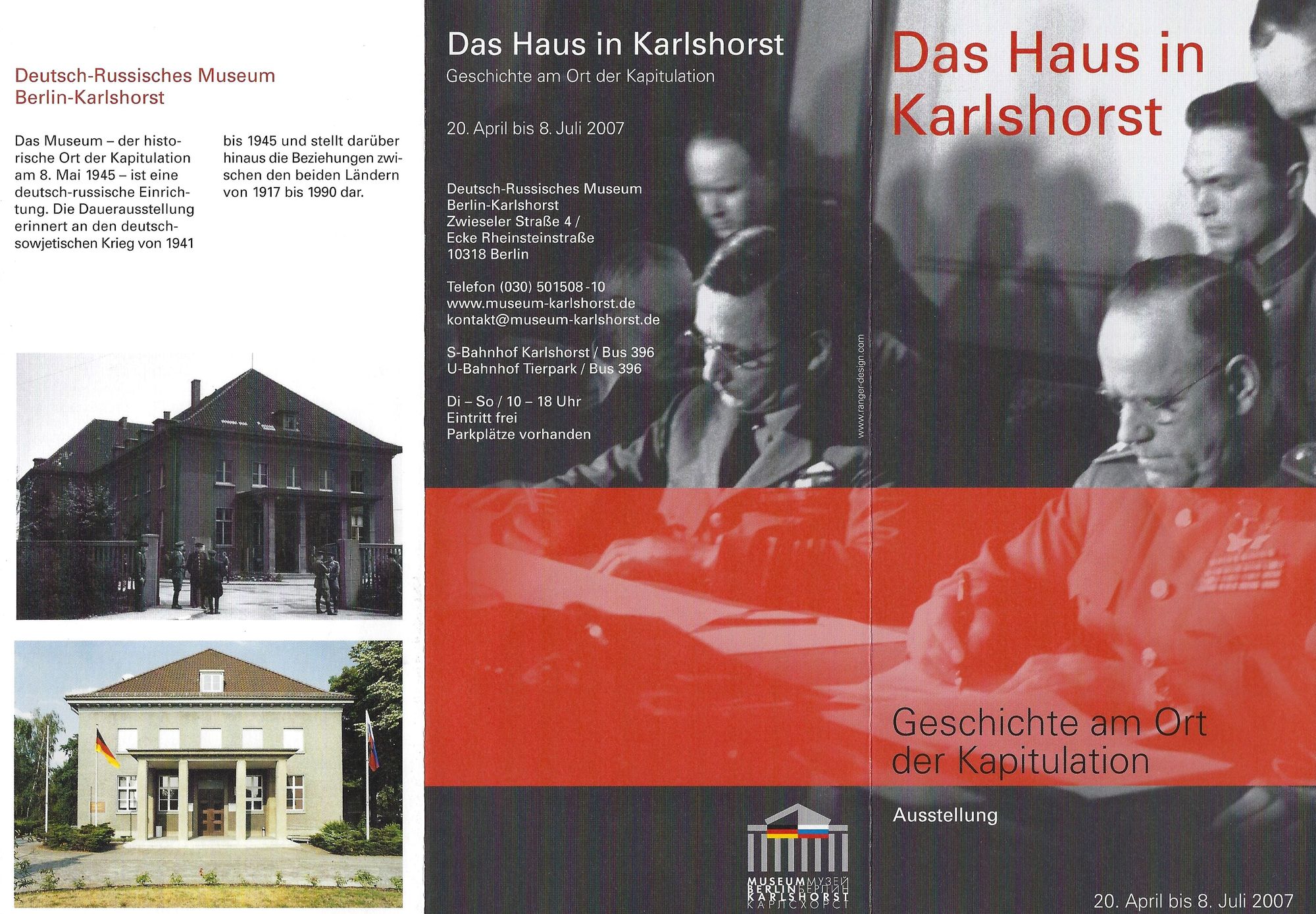
Vor 40 Jahren, am 5. November 1967, wurde im heutigen Deutsch-Russischen Museum das "Museum der bedingungslosen Kapitulation des faschistischen Deutschland im Großen Vaterländischen Krieg 1941-1945" eröffnet. Der Jahrestag ist Anlass, mit einer Sonderausstellung den Blick auf die Geschichte des Hauses zu werfen. Unter Einbeziehung der historischen Räumlichkeiten kann der Besucher die Stationen der Geschichte nachvollziehen, die eng mit der deutsch-russischen Geschichte, aber auch mit dem Stadtteil Karlshorst verbunden sind.
Die Exponate stammen überwiegend aus der Sammlung des Museums. Insbesondere die Objekte des "Kapitulationsmuseums" sind seit der Schließung des Museums 1994 nicht mehr gezeigt worden.
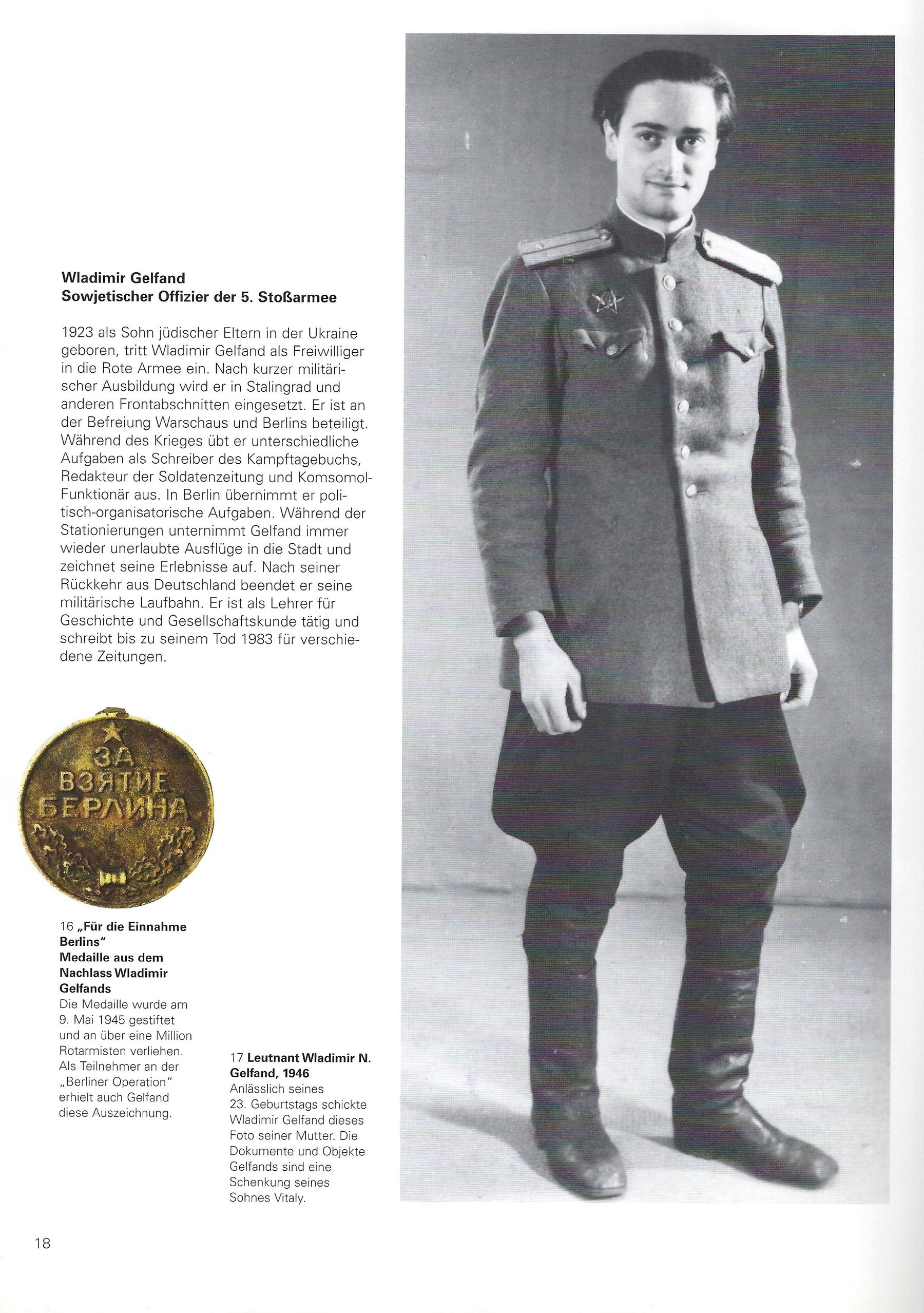
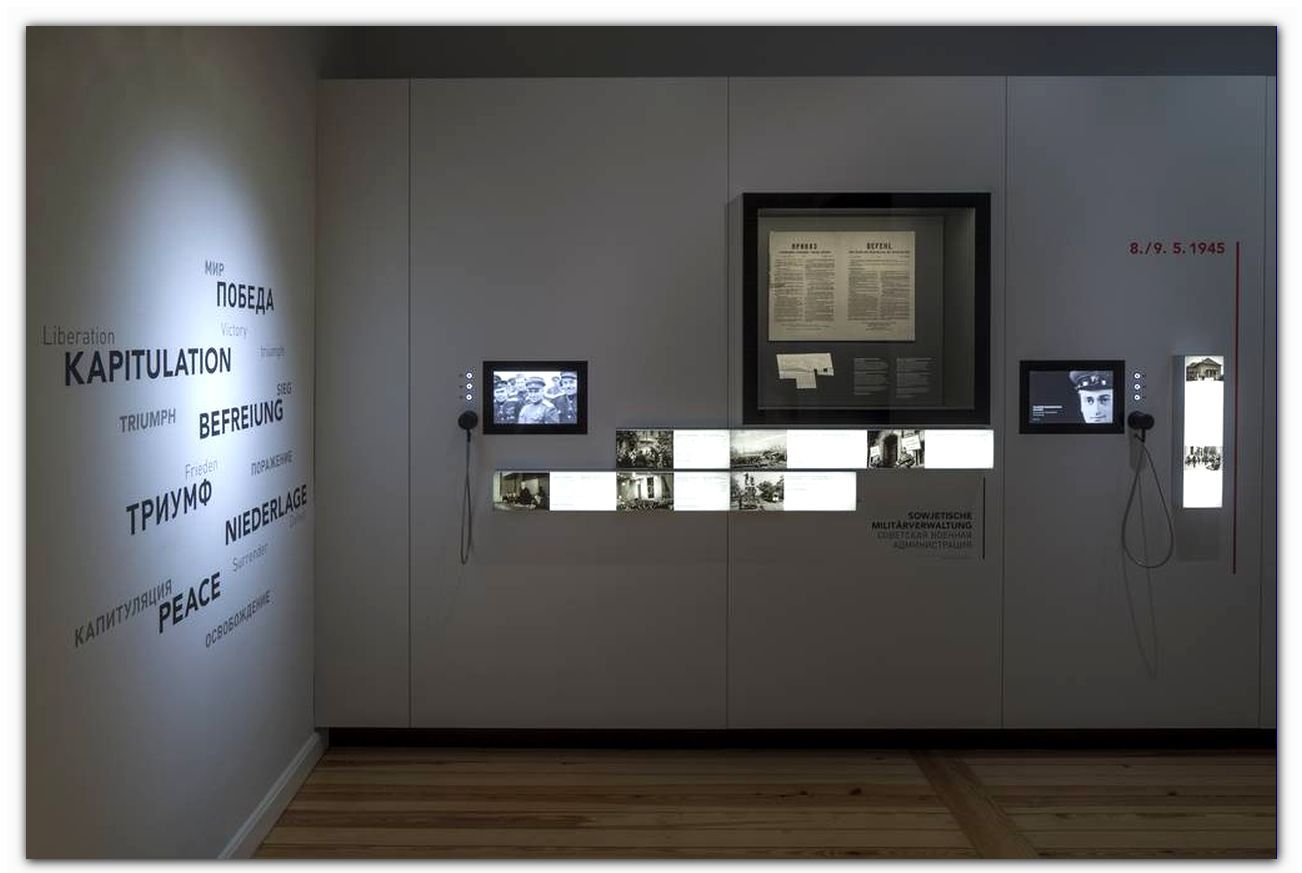
1936-1938 als
Offizierskasino der Festungspionierschule erbaut, diente das
Gebäude später als Hauptquartier der 5.
Stoßarmee unter Generaloberst Bersarin. Kurze Zeit war hier
sogar die Berliner Stadtkommandantur untergebracht, bevor am 8. Mai
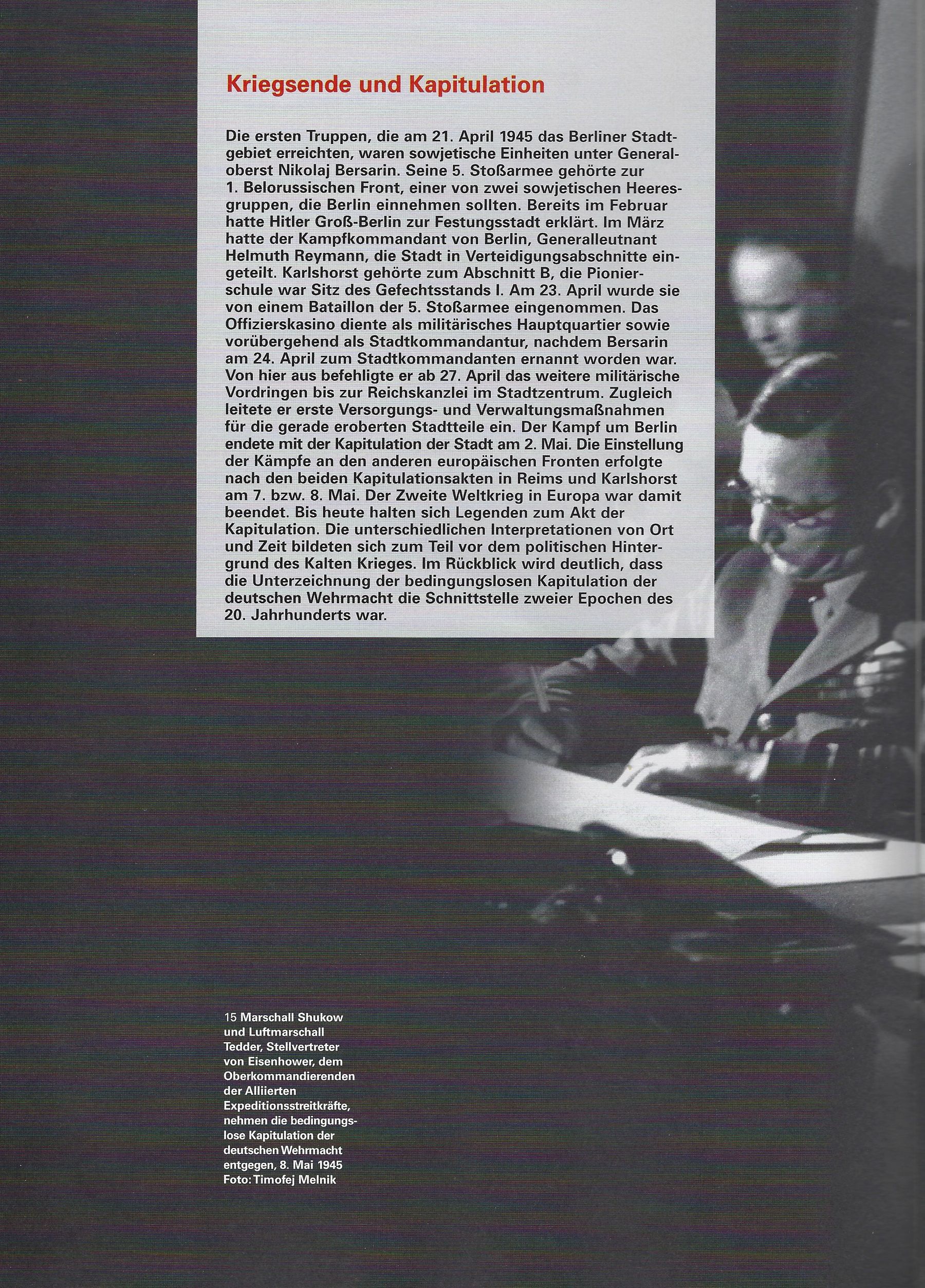
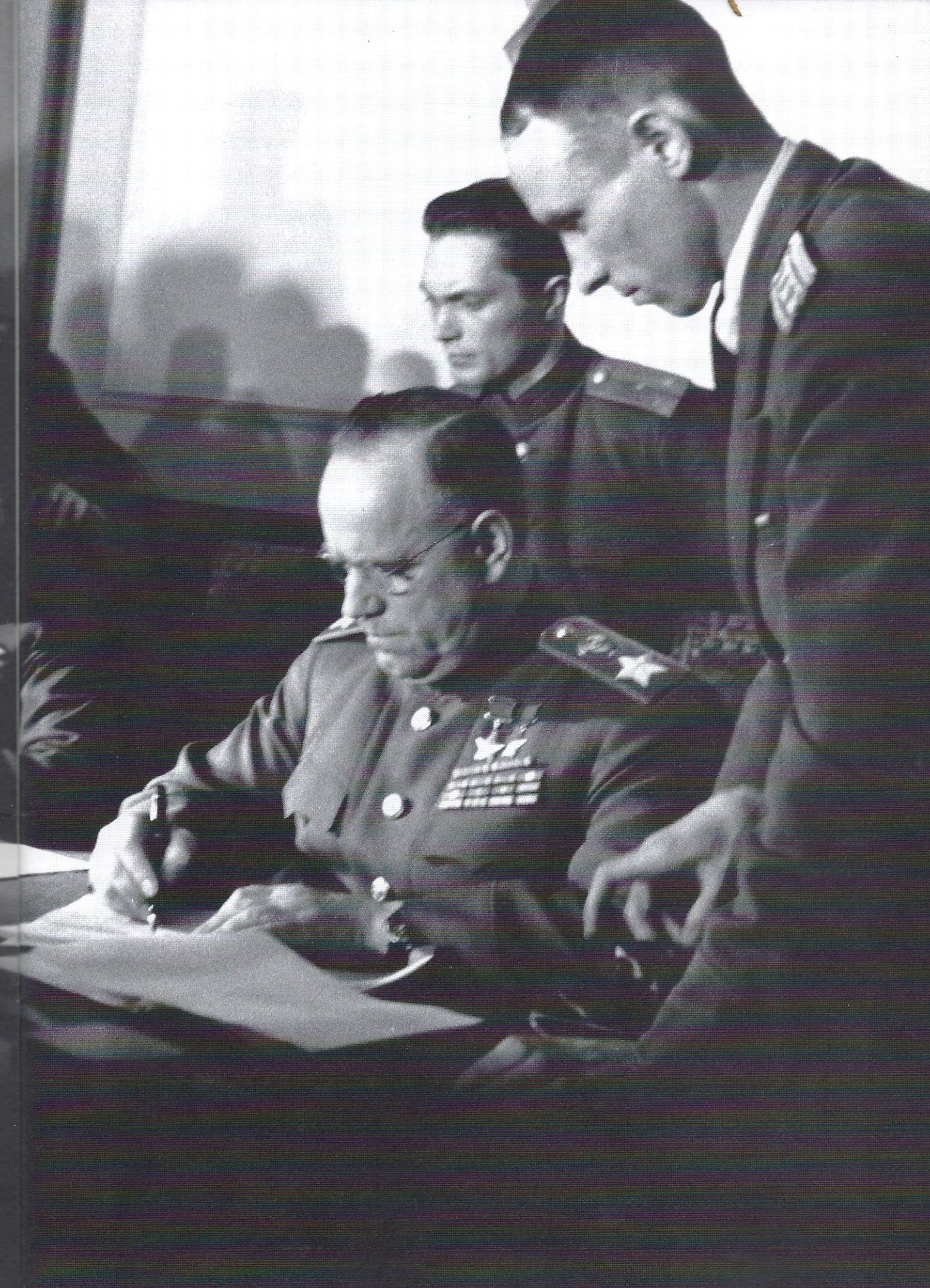
1945 ein Ereignis von europäischer Bedeutung an diesem Ort
stattfand - die bedingungslose Kapitulation der Wehrmacht und damit das
Ende des Zweiten Weltkrieges in Europa. Nach 1945 hatten die
Sowjetische Militäradministration, die Sowjetische
Kontrollkommission und die Hohe Kommission hier ihren Sitz. Nach Abzug
der ehemals sowjetischen Truppen im Jahre 1994 eröffnete hier
das Deutsch-Russische Museum Berlin-Karlshorst - eine bisher einmalige
bilaterale Einrichtung, die von der Bundesrepublik Deutschland und der
Russischen Föderation getragen wird.
|
|
|
 |
 |
 |
 |
On May 8, 1945, World War II was brought to an end with the surrender of the German Wehrmacht at Berlin-Karlshorst. The bloodiest conflict of modern history to date claimed a death toll of at least 50 million people. The attempt for world domination by the German National Socialists under the leadership of Adolf Hitler ended with vast destructions in Germany and abroad. Particularly brutal battles were fought between the German and Soviet troops as a result of the National Socialist ideology, aiming at the enslavement and eventual extinction of the Slavic people.
In 1967, the Soviet troops stationed in the GDR founded the Museum der bedingungslosen Kapitulation des faschistischen Deutschland im Großen Vaterländischen Krieg 1941 - 1945 ("Museum of the Unconditional Surrender of Fascist Germany in the 'Great Patriotic War' of 1941 - 1945"). The museum was located in the same building where the signing of the capitulation took place in 1945. Initially, the museum was open only to members of the Soviet Army; however, soon afterwards, it opened to the general public.
The German unification on October 3, 1990, and the withdrawal of the Soviet troops raised new questions as to the future of the museum as well as the artifacts it contained. The Soviets offered to maintain the collection at Karlshorst and to allow for the continuation of the museum.
On behalf of the Federal Government of Germany and the "Senate" of Berlin, the German Historical Museum, in conjunction with their Soviet partners, was given the task of drawing up a new concept for the continuation of the museum. A committee of German and Soviet (now Russian) experts, consisting of political and military historians, archivists, and museum experts was appointed for this purpose. The committee began drawing up plans on April 14, 1991, and by October 1992 they created a broad concept of the continuation and re-evaluation of the museum Berlin-Karlshorst.
The museum opened its doors to the public on May 10, 1995.
|
|
 |
 |
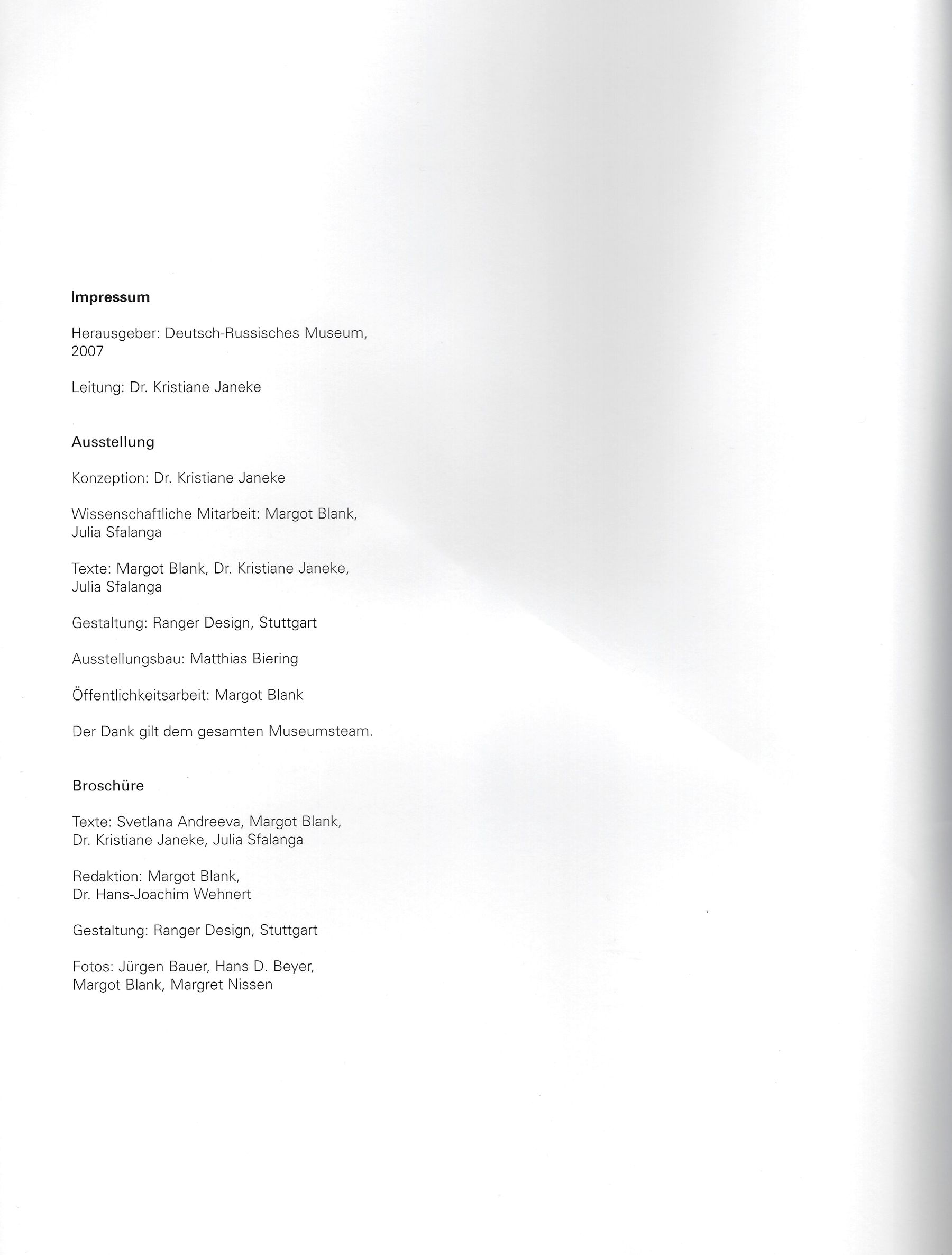 |
| Deutsch-Russisches Museum Berlin-Karlshorst, Blick in die Dauerausstellung. Foto Thomas Bruns |

 German
Museum Berlin-Karlshorst “The House in Karlshorst. History at the Site of the Surrender”
Forty years ago, on 5 November 1967, the “Museum of the Unconditional Surrender of Fascist Germany in the Great Patriotic War of 1941-1945” opened in what is now the German-Russian Museum. The anniversary provides an occasion to look at the history of the building through a special exhibition. By incorporating the historic rooms themselves, visitors can follow the successive stages in the building’s history, which are closely connected with German-Russian history as well as with the Karlshorst district.
Most of the exhibits come from the museum’s own collection. In particular, objects from the former “Surrender Museum” have not been displayed since that museum closed in 1994.
Built in 1936-1938 as the officers’ mess of the fortress engineering school, the building later served as the headquarters of the 5th Shock Army under Colonel General Bersarin. For a short time it even housed the Berlin city commandant’s office, before an event of European significance took place here on 8 May 1945: the unconditional surrender of the Wehrmacht and thus the end of the Second World War in Europe. After 1945 the Soviet Military Administration, the Soviet Control Commission, and the High Commission were based here. Following the withdrawal of the former Soviet troops in 1994, the German-Russian Museum Berlin-Karlshorst opened in the building—a still unique bilateral institution supported by the Federal Republic of Germany and the Russian Federation.
On May 8, 1945, World War II was brought to an end with the surrender of the German Wehrmacht at Berlin-Karlshorst. The bloodiest conflict of modern history to date claimed a death toll of at least 50 million people. The attempt for world domination by the German National Socialists under the leadership of Adolf Hitler ended with vast destructions in Germany and abroad. Particularly brutal battles were fought between the German and Soviet troops as a result of the National Socialist ideology, aiming at the enslavement and eventual extinction of the Slavic people.
In 1967, the Soviet troops stationed in the GDR founded the Museum der bedingungslosen Kapitulation des faschistischen Deutschland im Großen Vaterländischen Krieg 1941 - 1945 (“Museum of the Unconditional Surrender of Fascist Germany in the ‘Great Patriotic War’ of 1941 - 1945”). The museum was located in the same building where the signing of the capitulation took place in 1945. Initially, the museum was open only to members of the Soviet Army; however, soon afterwards, it opened to the general public.
The German unification on October 3, 1990, and the withdrawal of the Soviet troops raised new questions as to the future of the museum as well as the artifacts it contained. The Soviets offered to maintain the collection at Karlshorst and to allow for the continuation of the museum.
On behalf of the Federal Government of Germany and the “Senate” of Berlin, the German Historical Museum, in conjunction with their Soviet partners, was given the task of drawing up a new concept for the continuation of the museum. A committee of German and Soviet (now Russian) experts, consisting of political and military historians, archivists, and museum experts was appointed for this purpose. The committee began drawing up plans on April 14, 1991, and by October 1992 they created a broad concept of the continuation and re-evaluation of the museum Berlin-Karlshorst.
The museum opened its doors to the public on May 10, 1995.
German-Russian Museum Berlin-Karlshorst, view of the permanent exhibition. Photo: Thomas Bruns © German-Russian Museum Berlin-Karlshorst