



75 años de la rendición nazi: Los matices del “heroísmo” soviéticoLa barbarie nazi fue reemplazada por la que practicó la Unión Soviética en el este europeo. |
||
 |
||
|
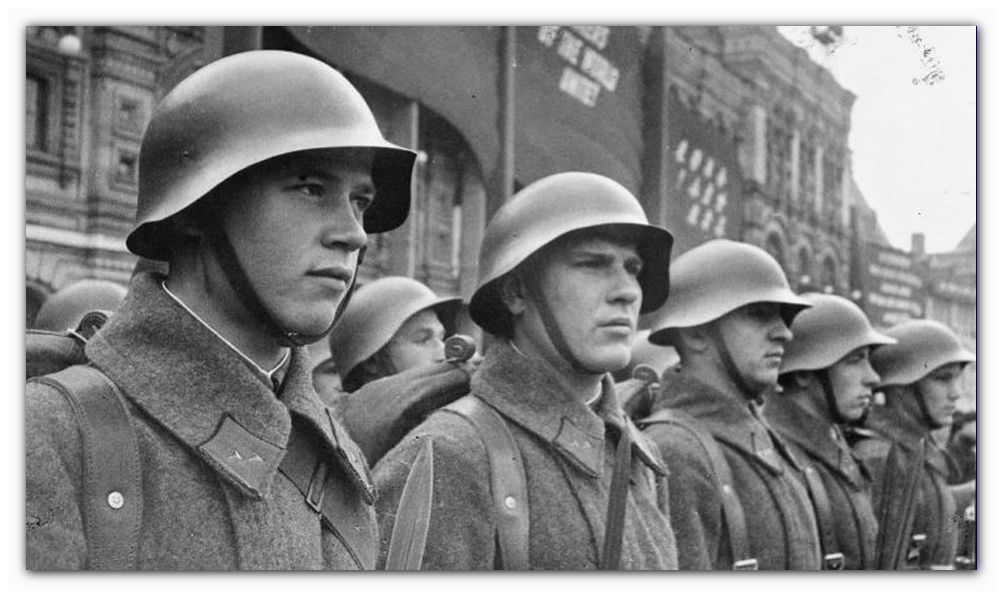
El aniversario número 75 de la rendición nazi en la Segunda Guerra Mundial (8 de mayo, 1945), descubre al planeta en una circunstancia peculiar: enfrentándose a una pandemia que ha matado a millares de personas. La circunstancia, entonces, llama a la celebración, porque la barbarie nazi fue derrotada después de años de repartir maldad por toda Europa, pero también debe –hoy más que nunca– llamar a la reflexión. En estos días, resulta común que los medio rusos festejen el papel clave del Ejército Rojo en derrotar a los nazis. Pero la verdad es que todo lo bueno que pueda reconocérsele a la Unión Soviética en lo que concierne a la derrota de los alemanes, fue arruinado por lo que hicieron poco después. Entre civiles y militares, la Unión Soviética registró más de 27’000.000 pérdidas humanas durante la Segunda Guerra Mundial. Difícilmente podría discutirse el duro golpe que la tiranía de Hitler le propinó al país entonces liderado por Josef Stalin. Sin embargo, un clavo no debe sacar a otro clavo y las acciones soviéticas en Alemania, pero sobre todo en Berlín, abrieron todo un nuevo capítulo de atentados a los derechos humanos y, en los años venideros, la imposición de un nuevo sistema tiránico en el este europeo… La tumba del violador desconocidoUno de los actos más barbáricos cometidos en la Segunda Guerra Mundial –y en muchas guerras previas y posteriores– era la violación masiva de mujeres en los pueblos enemigos que los ejércitos capturaban. Lo nazis ciertamente lo hicieron en la Unión Soviética. Lo ocurrido con el ingreso del Ejército Rojo a Berlín no fue distinto, pero sí fue peor. Pero esa realidad fue soslayada por mucho tiempo en el marco del la victoria aliada. Una corresponsal de guerra de aquel entonces, Natalia Gesse, aseveró que “los soldados rusos estaban violando a todas las mujeres alemanas de ocho a ochenta años”. “Era un ejército de violadores”, sentenció. Las estadísticas son difusas en esa materia, sin embargo, los testimonios registrados en diarios de algunos soldados soviéticos son sumamente claros. Vladimir Gelfand, por ejemplo, un soldado ucraniano, habló sobre lo que se hacía con las mujeres alemanas. Según escribió, y como describe una nota de Lucy Ash en la BBC, una mujer que se encontró en Alemania le contó que la habían violado entre 20 combatientes. La madre de la muchacha, que la acompañaba, añadió que lo hicieron frente a ella. Muchos casos como este se registraron durante esa época y ha sido materia de discusión por múltiples historiadores, quienes calculan que se perpetraron alrededor de 2’000.000 de violaciones. “Soldado: Ahora estás en suelo alemán. La hora de la venganza ha llegado”, expresaban los medios soviéticos de la época. La venganza parece haber llegado demasiado lejos. La circunstancia incluso fue novelada en “El invierno del mundo” de Ken Follet. Como consecuencia de esto, la ‘tumba del soldado desconocido’ que se erige en el Parque Treptow a las afueras de Berlín, donde se retrata a un soldado soviético, es tristemente apodada por algunos alemanes como ‘la tumba del violador desconocido’. La tiranía después de la guerra |
||
 |
||
|
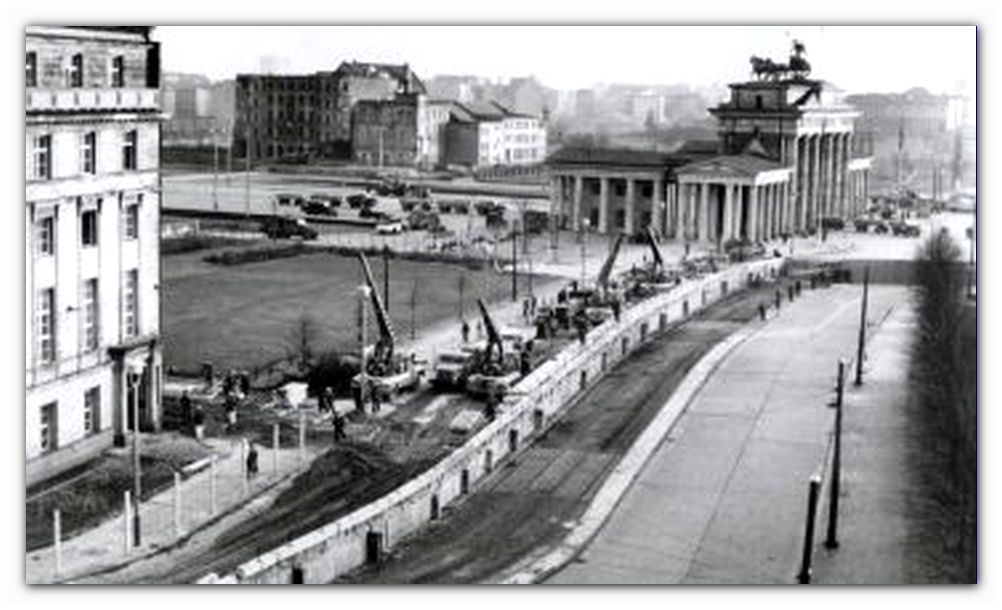
La historia de cómo la Unión Soviética rigió sobre sus territorios es harto conocida. Ello incluyó a Alemania del Este y significó la construcción de un muro entre Berlín del Este y del Oeste, mediante el cual se mantuvo encerradas a millones de personas en un régimen dictatorial. Muchas personas murieron tratando de escaparse. El manejo arbitrario y brutal de la Stasi –la policía secreta– es harto difundido, castigando cualquier oposición al régimen e imponiendo las innumerables censuras planteadas por el régimen de la llamada República Democrática Alemana, sancionando cualquier expresión de disidencia. |
||
© Lucidez
 Spanish
Nazi barbarity was replaced by the kind practiced by the Soviet Union in Eastern Europe.
By El Cronista
Published May 8, 2020
The 75th anniversary of the Nazi surrender on May 8, 1945 found the world in unusual circumstances — in the midst of a pandemic that had already claimed thousands of lives. The day unquestionably calls for celebration, because it marked the defeat of the barbarity of Nazism, which had spread evil across Europe for years. At the same time — perhaps more than ever — it also calls for serious reflection.
Today Russian media often emphasize the key role of the Red Army in defeating the Third Reich. That is true. The Soviet Union suffered enormous losses in the war — by various estimates more than 27 million dead, military personnel and civilians alike. The blow inflicted on the USSR by Nazi tyranny was appalling. Yet, as the saying goes, one wrong does not cancel another.
Victory should not obscure what followed. The conduct of Soviet troops in Germany, especially in Berlin, opened a new chapter — one of human-rights violations and, later, the imposition of another totalitarian system in Eastern Europe.
One of the most barbaric and long-silenced aspects of the Second World War was the mass rape of women in captured cities. The Nazis committed such crimes on Soviet territory as well. But what happened after the Red Army entered Berlin was, in many cases, no less violent and at times even more brutal.
For a long time this subject was not discussed, overshadowed by the Allied triumph. War correspondents, however, recorded what was happening. Natalia Gesse, for example, wrote: “Russian soldiers were raping every German woman from eight to eighty. It was an army of rapists.” The words are horrifying, but they are echoed in other testimony.
The statistics vary, but accounts in the diaries of Soviet soldiers themselves — including Lieutenant Vladimir Gelfand, a Ukrainian Jew — leave little doubt about the existence of such crimes. In his notes he recounts how a German woman said that she had been raped by twenty Soviet soldiers. Her mother, who was beside her, added that it had happened before her eyes.
Historians have suggested that the overall number of such crimes may have reached two million. Red Army soldiers were told: “Soldier! Now you are on German soil. The hour of revenge has come!” — but revenge often turned into monstrous cruelty.
Writer Ken Follett treated the subject in fictional form in his novel Winter of the World. Some Germans, speaking of the monument to the Soviet soldier in Berlin’s Treptow Park — officially associated with the Tomb of the Unknown Soldier — bitterly refer to it as “the Tomb of the Unknown Rapist.”
The defeat of Nazism did not bring complete freedom to Eastern Europe. Another form of tyranny — Stalinist rule — followed the destruction of Hitler’s regime. Instead of liberation, millions of people encountered repression, censorship, forced Sovietization and the suppression of national movements.
Seventy-five years later, it is important not only to celebrate victory but also to remember the price paid by the peoples of Europe. Having defeated one evil, it was necessary not to allow it to reappear in another form.
The history of how the Soviet Union governed the territories under its control is well known. This also applied to East Germany, where a pro-Soviet government was installed and a system of repression was established, culminating in the construction of the Berlin Wall — a symbol of divided Europe. The wall separated East Berlin from West Berlin and turned millions of people into hostages of a dictatorial regime. Many who tried to escape to the West died while attempting to cross the border.
A special role in this repressive apparatus was played by the Stasi, East Germany’s secret police. Its methods were marked by arbitrariness, brutality and pervasive surveillance. Any form of dissent was severely punished: intimidation, interrogation, arrest and the systematic destruction of people’s lives became routine. The regime that called itself the German Democratic Republic was in practice an authoritarian state in which dissent was suppressed with Moscow’s tacit approval.
