


| إغتصاب
برلين الكبير |
||
 |
||
| بينما
تنفس العالم الصعداء في منتصف عام 1945، بعد انتهاء كابوس الحرب العالمية
الثانية، وانتحار هتلر و سقوط الرايخ النازي، وبينما كان العالم يأمل في
حلول السلام، بدون اضطهاد لفئات معينة من البشر، كان الوضع مختلفًا في
برلين، فبعد أن قام الحلفاء بتدمير المدينة، حدثت جريمة بشعة في عاصمة
ألمانيا، ولكن هذه المرة فالطرف المُدان ليس النازيون، ولكن قوات الحلفاء،
التي دخلت ألمانيا أخيرًا بعد حرب ضارية استمرت لخمس سنوات. كان ضحايا
الجريمة كالعادة هم النساء، إذ قامت القوات السوفيتية والأمريكية باغتصاب
عدد كبير من النساء الألمانيات، إذ وصل عدد الضحايا إلى 2 مليون إمرأة،
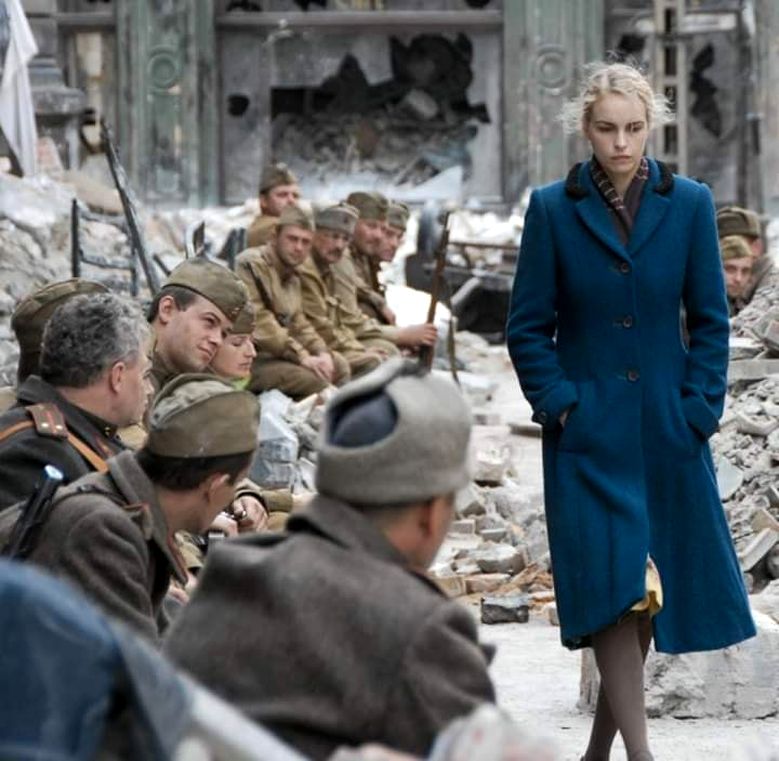
فيما عُرف بـ "اغتصاب برلين". هناك اختلافات كبرى حول عدد الضحايا، بين المؤرخين، سواء من السوفييت، أبرز المتهمين، الذين اعتبروا الأرقام مبالغ فيها، أو غيرهم، خاصة أن هذه الأحداث ليست مثل الأحداث الأخرى التي تم توثيقها بالصور، ولكن هناك عدة دلائل تشير إلى تفاصيل هذه الاغتصابات. يؤكد المؤرخ العسكري البريطاني أنتوني بيفر في كتابه "سقوط برلين"، وحسب شهادات عدد من الجنود السوفييت وشهادات بعض الألمانيات اللواتي تعرضن للاغتصاب، أن حوادث الاغتصاب "وقعت لنساء من سن 8 سنوات حتى 80 سنة". وذكر أن الضباط السوفييت كانوا يعتقدون بأن تلك الممارسات تمت برضا الألمانيات لسعادتهن أخيرًا بتحريرهن من النازي. يحكي أيضًا الجندي السوفييتي فلاديمير جيلفاند، في مذكراته عن دخوله إلى برلين، عن حالة الغضب التي انتابته من زملائه في الجيش، إذ كانوا يسعون إلى معاقبة النساء الألمانيات على ما قام به الجيش الألماني من قبل، حتى وصلت رغباتهمم إلى طعن النساء في أعضاءهن التناسلية. وفي محاولة بسيطة لتوثيق هذه الأحداث، تم نشر مذكرات تحت عنوان "امرأة في برلين: 8 أسابيع في مدينة محتلة" عام 1959، تحكي فيه الكاتبة مجهولة الأسم ذكرياتها في برلين أثناء سقوط المدينة في يد الحلفاء، وتعرضها للاغتصاب الجماعي بواسطة عدد من الجنود السوفييت، ثم قرارها الحصول على الحماية عبر الدخول في علاقة عاطفية مع ضابط سوفييتي، كما فعلت ذلك العديد من الألمانيات أيضًا. تم اعتبار الكتاب "تلويث لسمعة المرأة الألمانية"، وعلى إثر ذلك قررت الكاتبة المجهولة، عدم نشر الكتاب مرة أخرى في حياتها، حسبما قال الكاتب الألماني هانس إنتزنسبيرغر، الذي قرر نشر الكتاب عام 2003 مرة أخرى بدون نشر اسم الكاتبة، ولكن بعد ذلك قام المحرر جينس بيسكي بالكشف عن اسم الكاتبة، وهي الصحفية الألمانية مارتا هيلرز، والتي توفيت عام 2001. تصدر الكتاب قائمة الأكثر مبيعًا لمدة 19 أسبوعًا في طبعته الثانية، كما اختارته مجلة نيويورك تايمز كاختيار المحررين، وتم تصوير فيلم ألماني يقتبس قصة الكتاب تحت عنوان "سقوط برلين: مجهولة" وحقق أرباح وصلت إلى 219 مليون دولار. كما ذكرت الصحفية والكاتبة البيلاروسية سفيتلانا أليكسيفيتش، الحاصلة على جائزة نوبل للأدب في كتاب "وجه الحرب غير النسائي"، شهادة ضابط سابق بالجيش الأحمر قال فيها: "كنا صغارًا، أقوياء، وعشنا لمدة 4 سنوات بدون نساء، لذلك كنا نحاول اصطياد النساء الألمانيات. 10 رجال اغتصبوا امرأة واحدة. لم تكن هناك نساء بالقدر الكافي، جميع السكان هربوا من الجيش السوفييتي، لذلك أخذنا فتاة صغيرة، بين سن الثانية عشر والثالثة عشر، ولو بكت كنا نضع شيء في فمها. كنا نعتقد إن هذا مضحك. الآن لا أفهم كيف قمت بهذا، لقد نشأت في عائلة طيبة، ولكن هذا ما كنته أثناء الحرب". في شهادة أخرى من نفس الكتاب تروي عاملة تليفونات من الجيش السوفييتي شهادتها وتقول: "عند احتلالنا لأي مدينة، كان هناك ثلاثة أيام للنهب والاغتصاب. لم يكن هذا رسميًا بالطبع، ولكن بعد الأيام الثلاثة فمن يفعل ذلك يمكن أن يتعرض لمحاكمة عسكرية... أتذكر امرأة ألمانية تم اغتصابها، تجلس عارية، وتضع يديها بين قدميها، الآن أشعر بالخجل من ذلك، ولكن ساعتها لم أشعر بالخجل على الإطلاق. هل تعتقدين أنه كان من السهل علينا مسامحة الألمان؟ لقد كرهنا رؤية منازلهم بيضاء ومزينة بالورود وغير مدمرة. أردت أن أراهم يعانون، أردت رؤية دموعهم، عشر سنوات كان عليها أن تمر لأبدأ بالشعور بالشفقة نحوهم". وفي محاولة أخرى لتوثيق الأحداث نشر المؤرخان الألمانيان رينر جريس وزيلكة زاتكو، كتابهما "اللقطاء.. أطفال احتلال ألمانيا بعد 1945"، الذي حاولا فيه توثيق شهادات الأطفال الألمان الذين ولدوا بعد سقوط ألمانيا، الذي وصل عددهم، بحسب تقدير الكاتبين إلى 300 ألف طفل. وصل سن معظم هؤلاء الأطفال الآن إلى 70 عامًا، ولكنهم ما زالوا يبحثون عن آبائهم وهويتهم الضائعة. ورغم أن أصابع الاتهام توجه بشكل أكبر إلى الجيش السوفيتي، يذكر أستاذ علم النفس والجريمة بجامعة كنتاكي الشمالية جيمس ليلى في كتابه "ما أخُذ بالقوة"، أن القوات الأمريكية قامت أيضًا بعمليات اغتصاب متعددة للنساء في فرنسا وألمانيا وبريطانيا، ووفقًا للوثائق التي ذكرها وصل عدد الضحايا من النساء إلى 14 ألف إمرأة. |
||
| خدمات و اخبار عامه
اخبار المقطم و الخليفه |
© اخبار المقطم و الخليفه
 Arabic
While the world breathed a sigh of relief in the middle of 1945, after the nightmare of the Second World War had ended, Hitler had committed suicide and the Nazi Reich had fallen, and while the world hoped for peace without the persecution of particular groups of people, the situation in Berlin was different. After the Allies had destroyed the city, a horrific crime took place in the German capital. This time, however, the accused were not the Nazis but the Allied forces, which had finally entered Germany after a fierce war lasting five years. As usual, the victims of the crime were women. Soviet and American troops raped large numbers of German women; the number of victims reached two million women in what became known as the "rape of Berlin."
There are major disagreements among historians over the number of victims. Soviet historians, representing the side most prominently accused, considered the figures exaggerated, as did others. These events were unlike other events documented in photographs, but there is a range of evidence pointing to details of the rapes.
The British military historian Antony Beevor, in his book The Fall of Berlin, and on the basis of testimony from a number of Soviet soldiers and from German women who were raped, confirms that rapes "occurred to women from the age of 8 to 80." He also wrote that Soviet officers believed these acts took place with the consent of German women because they were supposedly happy finally to have been liberated from the Nazis.
The Soviet soldier Vladimir Gelfand also recounts in his memoirs of entering Berlin the anger he felt toward his fellow soldiers, who sought to punish German women for what the German army had done before; their desires went so far as wanting to stab women in their genitals.
In a modest attempt to document these events, memoirs entitled A Woman in Berlin: Eight Weeks in a Conquered City were published in 1959. The anonymous author recounts her memories of Berlin as the city fell to the Allies, her gang rape by a number of Soviet soldiers, and then her decision to obtain protection by entering into an intimate relationship with a Soviet officer, as many German women also did.
The book was regarded as "sullying the reputation of German women." As a result, the anonymous author decided that it should not be published again during her lifetime, according to the German writer Hans Enzensberger, who republished it in 2003 without naming the author. Later, however, the editor Jens Bisky revealed the author's identity as the German journalist Marta Hillers, who died in 2001.
The book topped the bestseller list for 19 weeks in its second edition. It was also selected by The New York Times as an Editors' Choice, and a German film based on the book's story, entitled The Fall of Berlin: Anonymous, was made and earned 219 million dollars.
The Belarusian journalist and writer Svetlana Alexievich, winner of the Nobel Prize in Literature, also cited in her book The Unwomanly Face of War the testimony of a former Red Army officer, who said:
"We were young, strong, and had lived for four years without women, so we tried to hunt German women. Ten men raped one woman. There were not enough women; the entire population fled from the Soviet army, so we took a little girl, between twelve and thirteen years old, and if she cried we put something in her mouth. We thought it was funny. Now I do not understand how I did this. I grew up in a good family, but that is what I was like during the war."
In another testimony from the same book, a female telephone operator in the Soviet army recounts:
"When we occupied any city, there were three days for looting and rape. This was not official, of course, but after the three days anyone who did it could face a military trial... I remember a German woman who had been raped, sitting naked with her hands between her legs. Now I feel ashamed of it, but at the time I was not ashamed at all. Do you think it was easy for us to forgive the Germans? We hated seeing their houses white, decorated with flowers and undestroyed. I wanted to see them suffer; I wanted to see their tears. Ten years had to pass before I began to feel pity for them."
In another attempt to document the events, the German historians Rainer Gries and Silke Satjukow published their book Occupation Children: The Children of Occupied Germany after 1945, in which they tried to document the testimony of German children born after the fall of Germany. According to the authors' estimate, their number reached 300,000. Most of these children are now around 70 years old, but they are still searching for their parents and their lost identity.
Although the accusations are directed more heavily at the Soviet army, James Lilly, professor of psychology and criminology at Northern Kentucky University, states in his book Taken by Force that American troops also committed numerous rapes of women in France, Germany and Britain. According to the documents he cites, the number of female victims reached 14,000.