


 |
 |
رازهای مگوی جنگ جهانی دوم؛ ماجرای تجاوز ارتش سرخ شوروی به زنان آلمانی چه بود؟ / از سربازان پیر تا همسایگان خاموش |
||
| ۱ فروردین ۱۴۰۴ ۱۹:۲۱ | ||
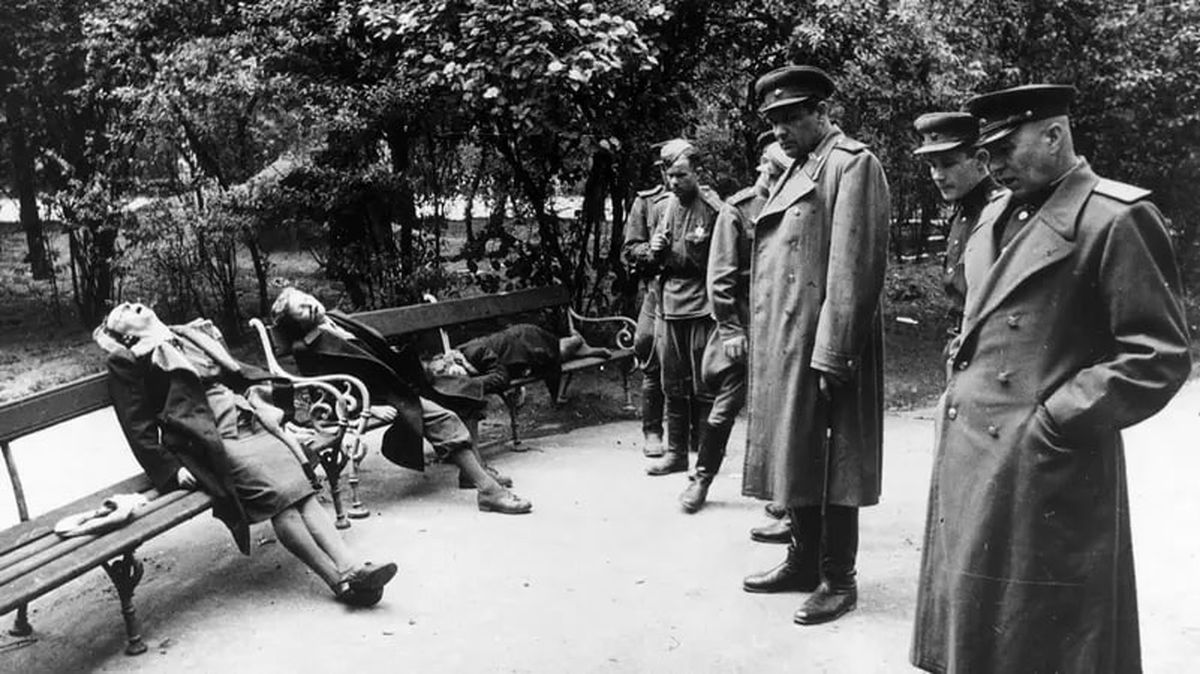
| پیروزی ارتش سرخ شوروی بر آلمان نازی در جنگ جهانی دوم، نه تنها یک نقطه عطف در تاریخ اروپا، بلکه نمادی از مقاومت، فداکاری و پیروزی حق بر باطل محسوب میشود. | ||
 |
||
|
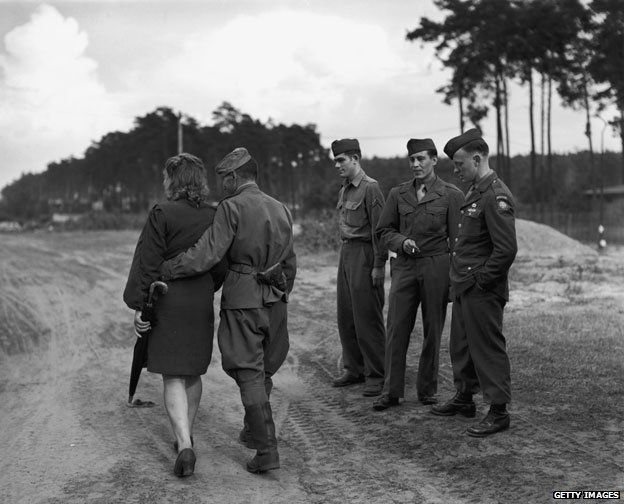
اما در دل این پیروزی باشکوه، داستانی تلخ و فراموششده نهفته است: تجاوز گسترده سربازان شوروی به زنان آلمانی در روزهای پایانی جنگ و پس از اشغال آلمان. این رویداد، فراتر از یک "لکه تاریک" بر پیکر تاریخ، زخمی عمیق و دردناک است که تا به امروز التیام نیافته است. آماری تکاندهنده: دو میلیون قربانی یا افسانهای غربی؟تخمین زده میشود که در طول پیشروی ارتش سرخ به سمت برلین و پس از اشغال این شهر، حدود دو میلیون زن آلمانی مورد تجاوز قرار گرفتهاند. این رقم، که اغلب در منابع مختلف ذکر میشود، خود به تنهایی گویای ابعاد فاجعه است. با این حال، این آمار همواره مورد مناقشه بوده و در روسیه، رسانهها و مقامات رسمی اغلب آن را "افسانهای غربی" میخوانند. |
||
 |
||
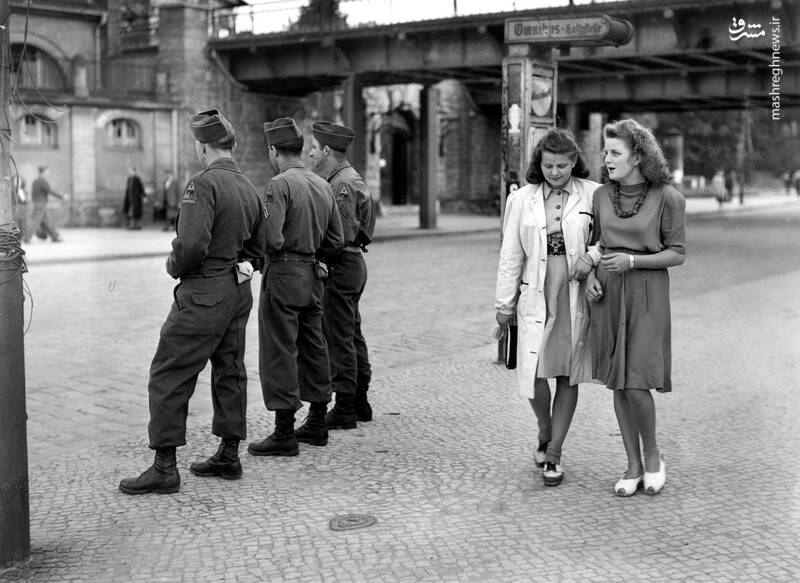
| صرف نظر از دقت این آمار، روایتهای شاهدان عینی و اسناد تاریخی موجود، نشان میدهند که تجاوز به زنان آلمانی یک پدیده گسترده و سیستماتیک بوده است. | ||
 |
||
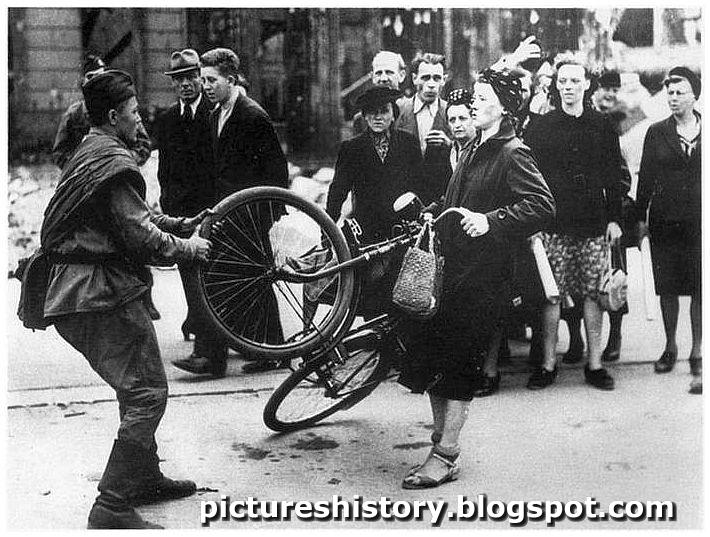
روایتهای تلخ شاهدانخاطرات شاهدان عینی، تصویری تکاندهنده از وحشت و رنجی که زنان آلمانی در آن دوران متحمل شدهاند، ارائه میدهند. ولادیمیر گلفاند، یک افسر یهودی در ارتش شوروی، در خاطرات خود به صراحت از تجاوزهای سربازان شوروی به زنان آلمانی سخن میگوید. او در یکی از یادداشتهای خود، از مواجهه با گروهی از زنان آلمانی که مورد تجاوز قرار گرفته بودند، یاد میکند و مینویسد: "دخترک زیبای آلمانی گفت: 'به من تجاوز کردند. تمام شب. آنها پیر بودند و بدن بعضیهایشان پر از زگیل بود، همۀشان به من تجاوز کردند، بیشتر از 20 نفر.'" |
||
 |
||
| کتاب "یک زن در برلین" (A Woman in Berlin)، که خاطرات یک زن آلمانی ناشناس در دوران اشغال برلین است، نیز حاوی روایتهای تلخ و دردناکی از تجاوزهای مکرر و وحشیانه سربازان شوروی است. این کتاب، به صراحت از رنجی سخن میگوید که قربانیان، سالها با آن دست و پنجه نرم کردهاند. | ||
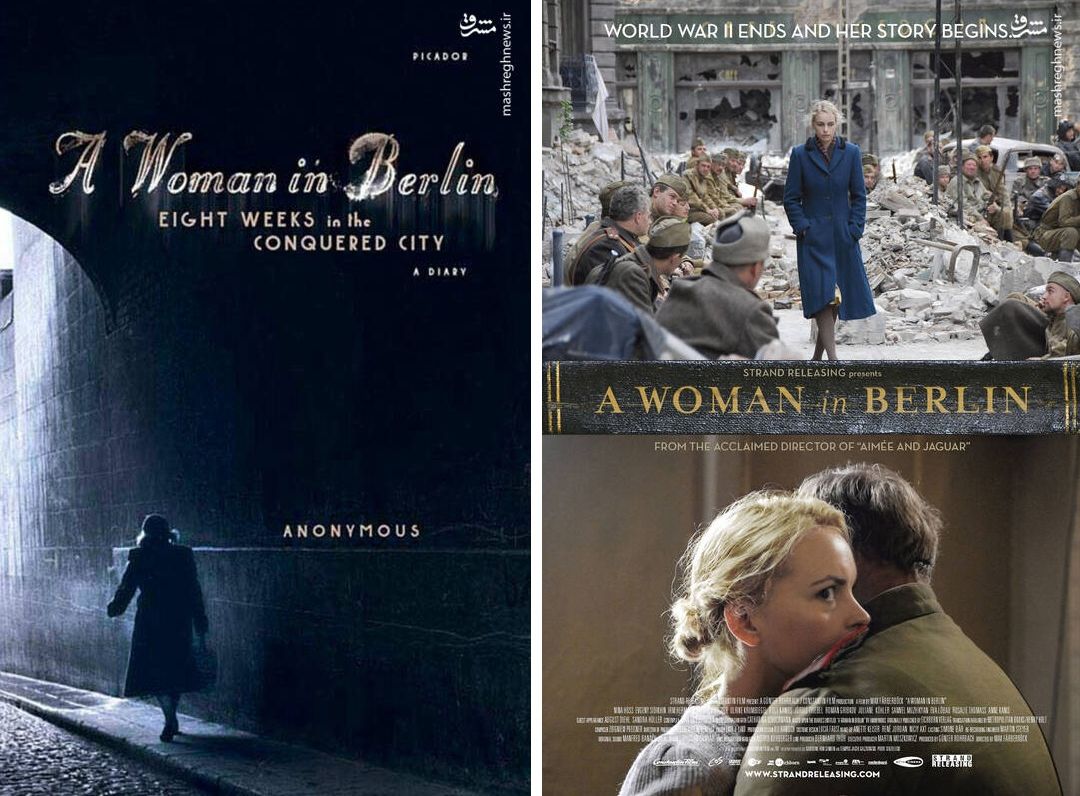 |
||
| یکی دیگر از شاهدان عینی، اینگبورگ بولرت، زنی است که در سال 1945، در سن 20 سالگی، توسط سربازان شوروی مورد تجاوز قرار گرفت. او سالها در این باره سکوت کرد، اما پس از تماشای فیلم "ناشناس" (Anonyma - Eine Frau in Berlin)، تصمیم گرفت داستان خود را با دیگران در میان بگذارد. او به یاد میآورد که: "ناگهان خیابانهایمان پر از تانک بود و همه جا اجساد سربازان روس و آلمانی دیده میشد. صدای وحشتناک بمبهای روسی را به یاد دارم. ما به آنها "استالینورگل" (ارگهای استالین) میگفتیم." او در ادامه میگوید که در هنگام یک وقفه در بمباران، دو سرباز روسی به او تجاوز کردند و او فکر میکرد که خواهد مُرد. | ||
|
روایتهای اینچنینی، نشان میدهند که تجاوز به زنان آلمانی، تنها یک عمل انفرادی نبوده، بلکه یک پدیده گسترده و سیستماتیک بوده است که با سکوت و بیتفاوتی مقامات شوروی و حتی برخی از همسایگان آلمانی قربانیان روبرو شده است. از تبلیغات انتقامجویانه تا احساس برتری نژادیعوامل متعددی در وقوع تجاوزهای گسترده به زنان آلمانی نقش داشتهاند. تبلیغات انتقامجویانه ارتش سرخ، که سربازان را به "انتقام" از جنایات نازیها تشویق میکرد، یکی از این عوامل بود. پوسترهایی با مضامینی همچون "سرباز! تو الان در خاک آلمان هستی، وقت انتقام فرارسیده است"، احساسات خشم و نفرت را در میان سربازان شعلهور میکرد. علاوه بر این، احساس برتری نژادی و تحقیر زنان آلمانی نیز در این خشونتها نقش داشته است. برخی از سربازان شوروی، زنان آلمانی را به عنوان "برده" و "غنیمت جنگی" میدیدند و تجاوز به آنها را حق خود میدانستند. در مقابل، ماشین جنگی آلمان مدعی بود که سربازانش ارتشی از آریاییهای منظم هستند که هرگز با نژادهای فرودست ارتباط جنسی برقرار نمیکنند. اولگ بودنیتسکی، یک تاریخدان در مدرسۀ عالی اقتصاد مسکو، میگوید که این ممنوعیت نادیده گرفته میشد و فرماندهان نازی آنقدر نگران شیوع بیماریهای جنسی در میان سربازان بودند که یک سری فاحشهخانههای نظامی را در گسترۀ مناطق تحت اشغالشان برپا نمودند. سکوت و انکارپرداختن به موضوع تجاوز سربازان شوروی به زنان آلمانی، سالها در آلمان و روسیه یک تابو بود. در آلمان شرقی، انتقاد از "قهرمانان شوروی" که فاشیسم را شکست داده بودند، کفر محسوب میشد. در روسیه نیز، رسانهها مرتباً این موضوع را رد میکنند و آن را "افسانهای غربی" میخوانند. در آلمان غربی، احساس گناه از جنایات نازیها باعث میشد که آلمانیها از رنجی که میبردند، حرفی نزنند. علاوه بر این، شرم و ننگ ناشی از تجاوز، باعث میشد که بسیاری از قربانیان، سالها در سکوت و انزوا زندگی کنند. تلاش برای روشنگریبا گذشت زمان، تابوی سکوت در مورد تجاوز سربازان شوروی به زنان آلمانی شکسته شده است. تحقیقات جدیدی در مورد خشونت جنسی نیروهای متفقین در جنگ جهانی دوم در حال انجام است و برخی از قربانیان تجاوز، پس از سالها سکوت، شهادت دادهاند. ساخت فیلم "ناشناس" (Anonyma - Eine Frau in Berlin) در سال 2008، تأثیر عمیقی در آلمان داشت و باعث شد که بسیاری از زنان قربانی تجاوز، جرات پیدا کنند تا پا پیش بگذارند و داستان خود را روایت کنند. اسناد طبقهبندی شده و محدودیتهای تحقیقبا وجود پیشرفتهای اخیر، هنوز چالشها و موانع زیادی در راه روشنگری در مورد تجاوز سربازان شوروی به زنان آلمانی وجود دارد. بسیاری از اسناد مربوط به این موضوع، همچنان طبقهبندی شده هستند و دسترسی به آنها دشوار است. علاوه بر این، پارلمان روسیه اخیراً قانونی تصویب کرده است که بر اساس آن، هر کس اسناد روسیه از جنگ جهانی دوم را برملا کند، ممکن است با جریمه یا پنج سال زندان مواجه شود. این قانون، میتواند تلاشهای محققان برای بررسی این موضوع را با مشکل مواجه کند. زخمهایی که التیام نمییابندتجاوز سربازان شوروی به زنان آلمانی، پیامدهای بلندمدت و ویرانگری برای قربانیان و جامعه آلمان داشت. بسیاری از زنان، دچار آسیبهای روحی و روانی شدید شدند و سالها با افسردگی، اضطراب و کابوسهای شبانه دست و پنجه نرم کردند. علاوه بر این، بارداریهای ناخواسته و سقط جنینهای غیرقانونی، مشکلات جدی برای زنان ایجاد کرد. بسیاری از کودکان متولد شده از تجاوز، با تبعیض و انزوا روبرو شدند. تجاوز سربازان شوروی به زنان آلمانی، بخشی ناگوار از تاریخ جنگ جهانی دوم است که نباید فراموش شود. یادآوری این واقعه، نه تنها برای ادای احترام به قربانیان، بلکه برای جلوگیری از تکرار چنین فجایعی در آینده ضروری است. |
||
| منبع: خبر فوری | ||
© خبرفوری
Untold Secrets of the Second World War: The Rape of German Women by the Soviet Red Army — What Happened? / From Elderly Soldiers to Silent Neighbors1 Farvardin 1404 · 19:21 The victory of the Soviet Red Army over Nazi Germany in the Second World War was not only a major turning point in European history, but also became a powerful symbol of resistance, sacrifice and the triumph of justice over evil. Yet behind the celebration of that great victory lies a forgotten and bitter story: the mass sexual violence committed by Soviet soldiers against German women during the final days of the war and after the occupation of Germany. This tragic episode was more than a “dark stain” on the pages of history; it became a deep and painful wound that has still not fully healed. Shocking figures: two million victims, or a Western myth?According to approximate estimates, about two million German women were raped during the Red Army’s advance on Berlin and after the city was taken. The figure, often repeated in various sources, conveys the scale of the tragedy. At the same time, it remains disputed: in Russia, officials and state media have often rejected such statistics as a “Western invention.” Regardless of the exactness of the statistics, eyewitness accounts and surviving historical documents show that the rape of German women was a widespread and systematic phenomenon. Bitter eyewitness testimonyThe memories of survivors and contemporary diaries paint a shocking picture of the terror and suffering endured by German women in those days. Vladimir Gelfand, a Jewish officer in the Red Army, wrote openly in his diaries about acts of violence committed by Soviet soldiers in Germany. In one entry he recalls meeting a group of women who had been raped and quotes one of them: “A pretty German girl told me: ‘I was raped. All night. They were old; some of them had bodies covered in warts. All of them — more than twenty men — raped me one after another.’” The book A Woman in Berlin, the diary of an anonymous German woman during the Soviet occupation of the capital, likewise contains bitter and painful descriptions of repeated and violent sexual assaults by Red Army soldiers. With unusual directness, the work reveals the scale of suffering with which victims had to live for many years while trying to cope with the trauma caused by the war. One witness to those tragic events was Ingeborg Bullert, who was twenty years old in 1945 when she was raped by Soviet soldiers. For many years she remained silent, unable to speak about what she had experienced. After seeing the film Anonyma – Eine Frau in Berlin, however, she decided to share her story. She recalled: “Suddenly our streets were full of tanks; bodies were lying everywhere — Russian as well as German soldiers. I can still hear the terrible howling of the Russian rockets. We called them ‘Stalin’s organs.’” Later she said that during a short pause in the shelling two Soviet soldiers attacked and raped her. She was convinced she would not survive the night. A Woman in Berlin — the diary and its screen adaptation. Testimonies That Cannot Be ForgottenThese accounts show that sexual violence against German women was not a series of isolated incidents. It was widespread and systematic. The assaults were accompanied by silence and indifference, not only on the part of Soviet authorities but also among some of the victims' German neighbors. From Revenge Propaganda to a Sense of Racial SuperioritySeveral factors contributed to the mass rape of German women. One was the rhetoric of revenge circulated within the Red Army. Soldiers were encouraged to believe that they had a right to retaliate for the crimes committed by the Nazis. Posters and leaflets carried appeals such as: “Soldier! You are on German soil — the time for revenge has come!” Such messages intensified anger and the desire to humiliate the enemy. A sense of superiority and racial hatred also played a role. Some soldiers regarded German women not as human beings but as spoils of war, or even as slaves, believing they had the right to do whatever they wished with their bodies. By comparison, Nazi military ideology claimed that German soldiers, as “Aryans,” should not have sexual relations with people it labeled “inferior races.” Yet, as historian Oleg Budnitsky of Moscow's Higher School of Economics notes, that prohibition was often ignored. Nazi commanders were so concerned about the spread of sexually transmitted diseases among their troops that they established a network of military brothels across occupied territories. Silence and DenialFor many years, sexual violence committed by Soviet soldiers against German civilians remained a taboo subject both in Germany and in the Soviet Union and Russia. In East Germany, criticizing the Soviet “heroes” who had defeated fascism was regarded as almost sacrilegious. In Russia, state media have continued to dismiss reports of these crimes as a “Western myth.” In West Germany, the silence had different causes. A sense of collective guilt over Nazi atrocities made many Germans reluctant to speak about their own suffering. Shame associated with sexual assault, along with fear of social condemnation, also caused many victims to remain silent and isolated for years. Steps Toward Bringing the Truth to LightOver time, this painful taboo has gradually weakened. New research has examined sexual violence committed not only by Red Army soldiers but also by members of other Allied forces during the Second World War. Some women who had remained silent for decades have finally found the strength to testify. An important turning point was the 2008 film Anonyma – Eine Frau in Berlin (A Woman in Berlin), based on a survivor's diary. The film provoked considerable public discussion in Germany and encouraged more women to speak about their experiences. Classified Archives and Obstacles Facing ResearchersDespite this progress, many difficulties remain. Numerous archival documents concerning violence by Soviet soldiers are still classified, and researchers face serious obstacles in gaining access to them. The Russian parliament recently adopted legislation under which the disclosure of certain Second World War documents could lead to a fine or a prison sentence of up to five years. Such restrictions make it harder for historians and journalists to establish the facts. Wounds That Have Not HealedThe sexual violence committed against German women had lasting and devastating consequences for survivors and for German society. Many women struggled throughout their lives with severe psychological trauma, including depression, anxiety, nightmares and a continuing sense of humiliation. Unwanted pregnancies and clandestine abortions added to the suffering. Children born as a result of rape also faced discrimination and social isolation; many grew up surrounded by silence and rejection. The rape of German women by Soviet soldiers remains one of the most tragic and painful aspects of the Second World War. It must not be forgotten — both out of respect for the victims and to help prevent such atrocities from happening again. |