


 |
 |
| SAQUEO DE BERLIN - SEGUNDA GUERRA MUNDIAL | ||
| 19
de junio de 2025, Fuente: Leonardo
Historia
La
Gazeta Federal |
||
| El 2 de mayo de 1945, la
Unión
Soviética tomó Berlín, marcando el fin
de la
guerra en Europa. Como recompensa, Stalin permitió a los
soldados soviéticos enviar paquetes de hasta 5 kilos a casa,
lo
que desató un saqueo masivo. Sin embargo, lo más
grave
fue que también se les permitió abusar de
mujeres, bajo
la justificación de que “merecían
divertirse”. En pocas semanas, unas 2 millones de mujeres alemanas fueron violadas de forma sistemática. La Unión Soviética nunca asumió responsabilidad por estos crímenes. Otras fuerzas aliadas también estuvieron implicadas, sobre todo por su silencio. Para muchas mujeres alemanas, la caída de Berlín no fue el fin del horror, sino el comienzo de una nueva pesadilla. |
||
| |
||
|
El 2 de mayo de 1945, la Unión Soviética
finalmente invade Berlín, venciendo definitivamente a Alemania. Una vez que
lograron la caída de Berlín, los soldados de la Armada Soviética recibieron un
permiso especial de parte de su conductor Joseph Stalin. Como privilegio por
haber vencido, se les autorizó a enviar un bulto de hasta 5 kilos a su hogar
sin restricciones, por lo que los soldados mandaban literalmente cualquier
cosa. Lo terrible era que todo era producto de un
saqueo sistemático y descontrolado. Pero la verdad es que el permiso recibido
iba más allá de los objetos obtenidos del robo de los derrotados de la guerra,
y fue una tragedia de la cual la Unión Soviética nunca se ha hecho cargo. En
apenas unas semanas, alrededor de 2 millones de alemanas fueron violadas de
manera masiva y sistemática por integrantes del Ejército Rojo, a quienes Stalin
había dado luz verde al afirmar que tras una campaña tan dura, los soldados
tenían derecho a entretenerse con mujeres. Aunque en mucha menor medida otros ejércitos
aliados como el francés o el estadounidense, también participaron en la
barbarie, pero sobre todo contribuyeron a ella con su silencio. En este video
vamos a compartirles los más desgarradores testimonios y situaciones que tuvieron
que atravesar las víctimas de estas atrocidades. Cuando los ejércitos de los
aliados y el Ejército Rojo lograron derrotar a las fuerzas del Tercer Reich,
logrando la caída de la resistencia en Berlín, todos pensaron que los horrores
de la guerra habían terminado, pero para las sobrevivientes alemanas la
pesadilla solo estaba por empezar. Las mujeres germanas eran uno de los botines
de guerra más preciados que los vencedores se disputaban, por lo que Berlín se
convirtió en un campo de caza de mujeres. Adolescentes, adultas, ancianas,
fuertes o enfermas, todas las mujeres fueron sometidas por soldados que
celebraban con euforia cada uno de estos violentos abusos, sin importar la edad
de las víctimas, que iban de niñas de 12 años a mujeres de 70 años. A
continuación les dejamos un testimonio de una de las sobrevivientes. Un pequeño mongoliano, incluso teníamos a May,
con sus cabellos abiertos, y luego ellos vinieron a la pared, a la habitación,
poniendo este cartón en la mesa y diciéndole a la gente en Berlín que Peter
Shin Stalin le dio a sus soldados el derecho de rapar, de robar, de matar, de
hacer lo que quieran hacer, y creanme, lo hicieron. Según el historiador
William Hitchcock, la mayoría fue abusada en repetidas ocasiones, algunas
llegando a sufrir hasta 60 violaciones. Se calcula que más de 10.000 mujeres
murieron a causa de estos hechos, ya fuera directamente por las agresiones
sexuales recibidas, por complicaciones con los abortos o por suicidio por
motivo del trauma.
Los testimonios recogidos a lo largo de estos
años son tan desgarradores como impactantes, por lo que advertimos a los
espectadores sensibles que estén alerta. Recuerdo a una alemana violada. Yacía
desnuda y en la entrepierna le habían metido una granada. Ahora siento vergüenza, pero en ese momento no
la sentí. Una vez unas mujeres alemanas llegaron a nuestro batallón para ver al
comandante. Lloraban. Cuando el médico las revisó vio que tenían
heridas ahí. Estaban completamente desgarradas. Sus ropas interiores estaban
completamente teñidas por la sangre. Dice A. Ratkina en el testimonio recogido por
Svetlana Alekseevich en su famoso libro La guerra no tiene rostro de mujer.
Esta terrible historia no solo es espantosa por su contenido, sino porque era
la regla más que la excepción. La comandancia del Ejército Rojo se mostró
complaciente con estas aberraciones, dado que no había órdenes, pero tampoco
castigos ni voluntad de interrumpir la cadena de atrocidades. Algunos internos sostienen que hubo un periodo
de gracia en el que se les permitía hacer cualquier cosa y que la represión y
sanción de las violaciones tardó meses en llegar. Se comenta que alguna vez un
subalterno se animó a reclamarle a Stalin, quien respondió Son muchachos que
hicieron miles de kilómetros luchando, arriesgando su vida. Tenían derecho a
pasarla bien con una mujer. Existen registros de innumerables casos de
violaciones cometidas por tropas soviéticas en la capital alemana, aún cuando
el tema fue escondido en los años siguientes al final de la guerra, y particularmente
aún hoy es un tema tabú en Rusia. Alekseevich recoge otro testimonio de un
soldado soviético. Éramos jóvenes, fuertes y hacía cuatro años que no estábamos
con una mujer. Entonces salimos a cazar alemanas. Diez
hombres abusaban de una chica, ya que no había demasiadas mujeres. Se escapaban
y se escondían.
Entonces si encontrábamos una chica de doce o
trece, la agarrábamos igual. Si gritaba mucho le poníamos un trapo en la boca.
Nos parecía divertido en ese momento. Recién ahora me doy cuenta de lo que hacíamos.
Esta experiencia perturbadora era sufrida por miles de mujeres alemanas, ya que
el estado de la Alemania posguerra era verdaderamente deplorable y las víctimas
muchas veces accedían a ser sometidas, ya sea para no ser asesinadas o a cambio
de alimento o abrigo. Los medios rusos suelen calificar las violaciones masivas
como mitos de Occidente, aunque muchos de los datos hallados han sido extraídos
del diario de un joven soldado soviético. Vladimir Gelfand era un joven teniente
ucraniano y judío del Ejército Rojo que llevaba un diario de guerra a
escondidas ya que era algo prohibido por sus superiores, quienes temían que ese
material cayera en manos enemigas y se filtraran críticas a la comandancia
soviética. En febrero de 1945, Gelfand cuenta cómo sus camaradas rodeaban y
aniquilaban batallones de mujeres alemanas combatientes. Las gatas alemanas que
capturábamos decían que estaban vengando a sus maridos muertos, escribe el
teniente. Debemos destruirlas sin misericordia. Nuestros
soldados sugieren apuñalarlas en sus genitales, pero yo solo las ejecutaría.
Todos estos testimonios fueron recolectados en documentos judiciales, entre los
que también se destacan pruebas de suicidios de niñas de 13 años, quienes tras
ser víctimas de violaciones en grupo, terminaron colgándose de una viga de la
casa o bien ingiriendo altas dosis de esencia de vinagre. Mi sobrina de 13 años fue violada en la
habitación de al lado por 14 soldados rusos. A mi mujer la arrastraron hasta el
granero y allí la violaron también. A la mañana siguiente, antes de dejarla en
la granja, volvieron a hacerlo. Al abrir el granero encontramos su cuerpo
destrozado, relata Otto H., que arrastró en su conciencia esa noche en una
granja de Friedeberg, en Pomerania, por el resto de su vida. En dichos reportes
también se narran las desgarradoras historias de cómo las alemanas preferían
matar a sus hijas y a ellas mismas para evitar ese destino. 70 años después del
final de la Segunda Guerra Mundial, sigue sin hablarse en voz alta en Alemania
sobre las mujeres y niñas violadas por las tropas de los aliados o los
soviéticos. Ni la administración alemana, inexistente, ni
las tropas de ocupación llevaron registro de las violaciones y la mayor parte
de las pruebas documentales que se han encontrado en los informes que realizó
la Iglesia. El arzobispo de Múnich y Frisinga pidió a los sacerdotes llevar un
registro puntual sobre las actividades de los ejércitos extranjeros en la
región y sus efectos sobre las comunidades. Estos registros conservados son
verdaderamente aterradores y demuestran que no solamente el Ejército Rojo fue
artífice de los crímenes sufridos por las ciudadanas alemanas. 
Ocho niñas y mujeres violadas, algunas de
ellas en presencia de sus padres, escribió un párroco en estos informes
solicitados por la Iglesia. El padre Andreas Wangand, de un pueblo al norte de
Múnich, escribía Lo más triste del paso de las tropas aliadas fueron las
violaciones de tres mujeres, una casada, una soltera y una niña virgen de 16
años y medio, todas cometidas por soldados americanos fuertemente embriagados.
La víctima más joven registrada en estos documentos fue una pequeña de 7 años
que contrajo una grave enfermedad veneria, y la mayor, una mujer de 69 años. Otra costumbre de las tropas eran las salidas
nocturnas en búsqueda de mujeres indefensas, tal como relata este testimonio
escalofriante. Una noche llamaron a la puerta y eran siete soldados americanos
armados. Exigieron que les preparasen comida y después violaron a mi abuela y a
mi madre. Mi primo lo vio todo, pero nunca habló de
ello, relata Maximiliana, que creció sin saber que era hija de uno de aquellos
despiadados soldados. Comencé a sospechar cuando quise hacer un viaje de
estudios a Estados Unidos. A mi madre aquello la desestabilizó por completo y
después de varios meses y de mucha tensión, mi primo me contó lo que había
presenciado. Fue espantoso. El miedo siempre permanece en
tu cuerpo y nunca lo deshaces. El dolor se disminuye con el tiempo, pero el
miedo siempre está ahí. Lamentablemente, estos sucesos no fueron
difundidos ni condenados, debido a que se sostuvo el silencio y el ocultamiento
durante décadas. Los motivos fueron diversos. Por un lado, el régimen soviético
desmintió y desestimó las acusaciones, y por su parte, las mujeres alemanas
callaban por vergüenza. También en Alemania existía otra causa de
silencio, dado que los esposos de esas mujeres las hacían callar. Eran ellos
los que no querían que esas historias terribles tuvieran difusión. En un
determinado momento, al haber sido tan frecuentes estas terribles violaciones,
las mujeres empezaron a compartir sus experiencias entre sí, ya que fueron
muchas las que habían sufrido lo mismo.
De esa manera, las experiencias individuales
de cada una se transformaron en una experiencia colectiva, en la que las
excepciones eran las que habían logrado evitar ser violadas. Las cifras que los
historiadores manejan son escalofriantes, ya que se cree que hubo en ese
periodo alrededor de 2 millones de violaciones sistemáticas en toda Alemania,
las cuales han querido ser borradas de la historia. Sería polémico que en el
famoso film Rescatando al Soldado Ryan, este grupo de marines norteamericanos
violaran despiadadamente mujeres alemanas, francesas o japonesas. ¿No es así? En el imaginario colectivo, los
soldados estadounidenses que lucharon contra la Alemania nazi y el imperio
japonés eran inmaculados y heroicos. Sin embargo, investigaciones recientes
afirman que muchos de estos hombres violaron cientos de miles de mujeres
durante y al final de la Segunda Guerra Mundial. Estos crímenes silenciados
están empezando a ser revisados, descubriendo verdades atroces como la
sistemática violación de mujeres, incluyendo a menores de edad. En el video de hoy vamos a contarles acerca de
los horrorosos crímenes de guerra cometidos por los soldados estadounidenses
contra las mujeres que supuestamente debían rescatar. Prepárense para una
entrega especialmente fuerte e impactante de Historia Militar. Comencemos. A pesar de que los crímenes nazis son
lógicamente los más recordados de la Segunda Guerra Mundial, las fuerzas de los
aliados también cometieron atrocidades. Entre ellas se destaca el sádico
maltrato hacia las mujeres violadas y, en algunos casos, asesinadas en
múltiples delitos sexuales durante el Día D y la ocupación de Alemania y Japón.
Archivos secretos de tiempos de guerra que se hicieron públicos recién en 2006
revelan que los soldados estadounidenses cometieron más de 400 violaciones en
Europa entre 1942 y 1945. Aunque, por otra parte, un estudio estima que
un total de 14.000 mujeres civiles en Francia y Alemania fueron violadas por
soldados estadounidenses durante la Segunda Guerra Mundial. Sin embargo, ambos
datos parecen estar bastante lejos de la realidad, ya que muchas de las violaciones
estadounidenses en Alemania en 1945 fueron violaciones en grupos cometidas por
soldados armados a punta de pistola y las mujeres tenían temor de siquiera
hablar del tema. La rama jurídica del ejército se mostró reticente a confirmar
los rumores, pero admitió que por delitos sexuales brutales o pervertidos
contra mujeres alemanas, algunos soldados habían sido fusilados. Esto era más común si se trataba de soldados
negros. Una forma típica de crimen de guerra con agresión sexual por parte de
personal estadounidense, generalmente ebrio, que marchaba por territorio
ocupado, implicaba amenazar a una familia alemana con armas y obligar a una o
más mujeres a tener relaciones sexuales de forma sádica y brutal, para luego
sacar a toda la familia a la calle y robar sus pertenencias. Aunque se
instituyeron políticas de no confraternización para los estadounidenses en
Alemania, las tropas del ejército de los Estados Unidos utilizaron como lema la
frase «Copular sin conversación no es confraternización». 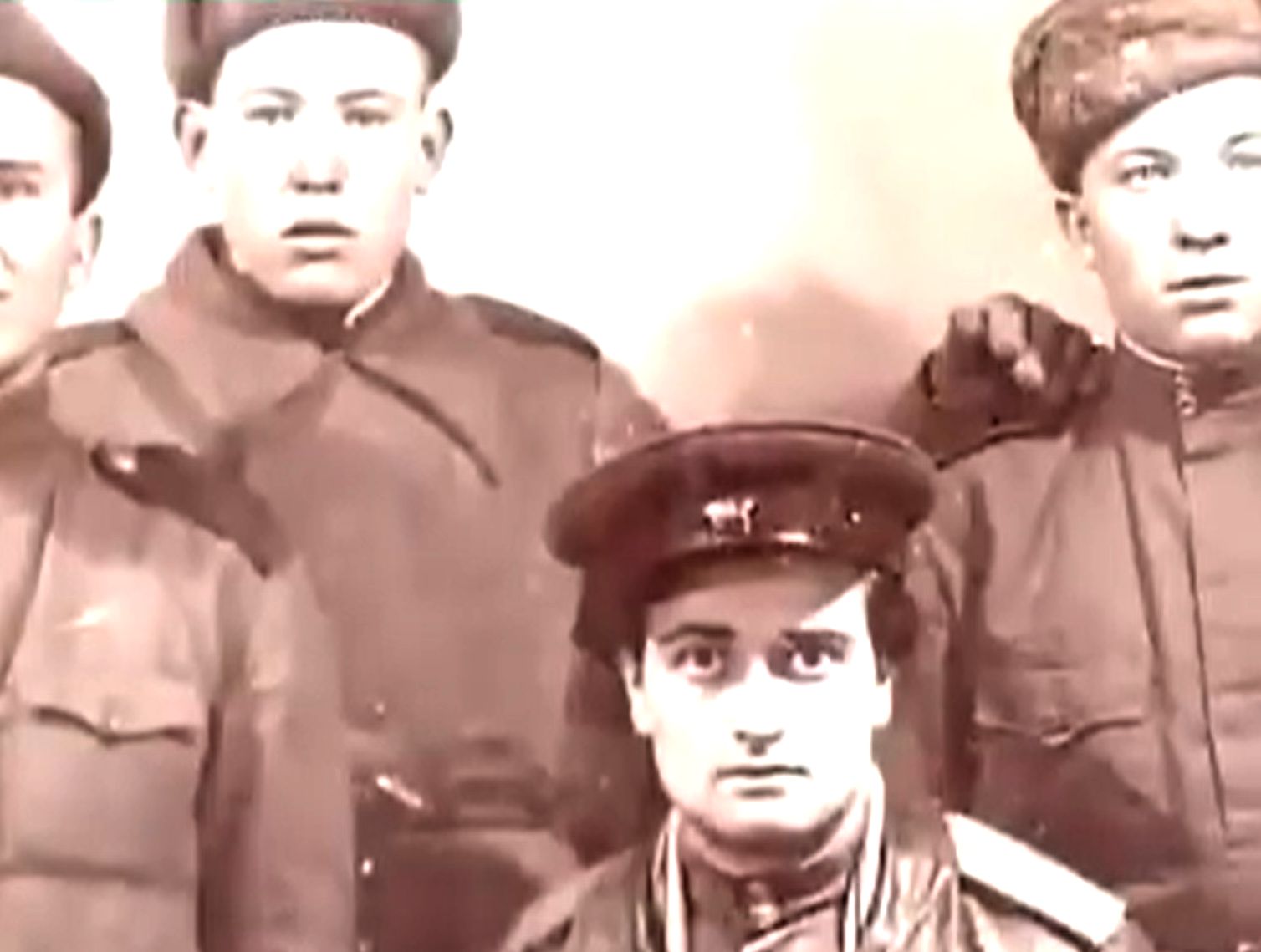 Empecemos contando qué fue lo que sucedió
durante la ocupación de Berlín cuando los nazis fueron derrotados. Las familias
alemanas sentían terror a la llegada de las tropas soviéticas porque entre
pueblos y ciudades germanas viajaban rápidamente las historias sobre las
violaciones sistemáticas del Ejército Rojo. Los soldados americanos, sin
embargo, fueron recibidos como liberadores y la propaganda ha dejado marcada en
el ideario colectivo alemán la imagen del «amigo americano» como un soldado de
ocupación que no cometió crímenes de guerra. Sin embargo, la realidad fue completamente
distinta. Este relato, como cuenta la siguiente especialista, se basó en gran
parte en la presión social. Durante la primavera de 1945, las tropas americanas
tomaron uno a uno los pueblos y ciudades de distintas regiones alemanas. En la mayor parte de ellos no sólo no
encontraron resistencia alguna, sino que incluso eran recibidos con banderas
estadounidenses en las calles. De esta forma se instalaban en el ayuntamiento y
preparaban la inspección casa por casa. Las tropas efectuaban un primer
registro en busca de combatientes enemigos, de armas y refugiados nazis. Una vez comprobado que no había ningún
peligro, comenzaba el saqueo. Estos crueles soldados se apropiaban de relojes,
bicicletas, radios, gafas de sol, joyas y cualquier objeto de valor que
encontraran en las casas. Finalmente, antes de irse, violaban a mujeres y niñas
a modo de despedida. Ni la poca administración alemana que quedaba
ni las tropas de ocupación llevaron registro alguno de las atroces violaciones.
La mayor parte de las pruebas documentadas se han encontrado en los informes
que realizó la Iglesia en ese momento. El arzobispo de Múnich pidió a los
sacerdotes de todos los pueblos llevar un registro puntual sobre las
actividades de los ejércitos extranjeros en la región y sus efectos sobre las
comunidades. A estos registros que se conservan en Múnich
pertenecen, por ejemplo, las anotaciones de Michael Merckx Müller, párroco del
pueblo de Ramsau, que el 20 de julio de 1945 escribió OCHO NIÑAS Y MUJERES
VIOLADAS, ALGUNAS DE ELLAS EN PRESENCIA DE SUS PADRES. El padre Alois Schiml,
de Mossburg, escribió el 1 de agosto de 1945 Por orden del gobierno militar,
una lista de todos los residentes y sus edades debe ser clavada en la puerta de
cada casa. Como resultado de este decreto, 17 niñas y mujeres han debido ser
llevadas al hospital tras haber sido objeto de abusos sexuales repetidos por
parte de las tropas norteamericanas.  Según consta en estos registros eclesiásticos,
la víctima más pequeña fue una niña de 7 años que contrajo una grave enfermedad
venérea, mientras que la mayor fue una mujer de 69 años. Esto es sólo la prueba
de lo cruento e inhumano del comportamiento de los soldados, que no tenían
ningún justificativo militar para comportarse como bestias salvajes. Los
estadounidenses hacían lo que querían, sin impedimento ni control alguno, ni
siquiera preocupándose por mantener ocultos sus crímenes. Así lo narra un informe alemán y el testimonio
de una víctima. Actualmente, habían buscado a niñas. Y luego fui asesinada por
uno de ellos. Me llevó a una taverna antigua. ¿Qué podía
haber hecho? Tenía una pistola, así que, ¡oh, no! ¿Si luchaba o gritaba? Esto
era en el día. Solo agarraban a una niña, la llevaban a algún lugar y eso fue
todo. A menudo, las tropas americanas pedían a las
autoridades locales personal femenino, grupo de mujeres, supuestamente para
atender en las tareas de secretariado o cocina. Era un tipo de trabajo forzoso,
que a menudo encubría violaciones indiscriminadas. Los grupos de mujeres
rotaban y eran sustituidas cada 15 días. Cuando volvían a casa, guardaban silencio
sobre lo ocurrido con un enorme sentimiento de culpa. Las mujeres simplemente
aceptaban lo que les ocurría, sabían que no tenían mucha opción. En su
concepción de las cosas, ellas pertenecían al bando de los perdedores de la
guerra y de alguna forma debían aceptar estas aberraciones como un castigo. Por esto es que la cantidad de violaciones
cometidas por las tropas estadounidenses son difíciles de mensurar. La
vergüenza y el dolor de las víctimas no les ha permitido denunciar los hechos
en paz. Este comportamiento criminal, sistemático y atroz llegaba hasta lugares
inusitados. Los soldados intercambiaban información sobre
en qué casas había mujeres y niños indefensos. Las violaciones eran los hechos
más traumáticos que las tropas ejercían sobre las mujeres, pero eso no era
todo. En los partes hospitalarios queda constancia de la brutalidad. Además de violadas, muchas mujeres eran
azotadas con fustas y látigos o atacadas con armas blancas. Casi no hay
testimonios de estas atrocidades, pero la escritora Ursula Herking dejó en su
autobiografía un escalofriante relato de lo sufrido en carne propia. Después de
los primeros meses de la posguerra en los que este tipo de abusos estuvo a la
orden del día, proliferaron otro tipo de actos sexuales donde la frontera del
consentimiento se vuelve mucho más difusa. El hambre y las precariedades que dejó la
contienda llevaron a muchas alemanas a prostituirse por apenas unos pocos
víveres con los que a menudo se alimentaba una familia. La propaganda
estadounidense promovió la idea de que las mujeres alemanas se sentían atraídas
por las tropas americanas, lo que sirvió como argumento machista para los
criminalmente llamados excesos. Si bien la posguerra dejó atrocidades regadas
por el territorio alemán, el comportamiento de los GIs estadounidenses era
condenable desde antes que la guerra terminara. 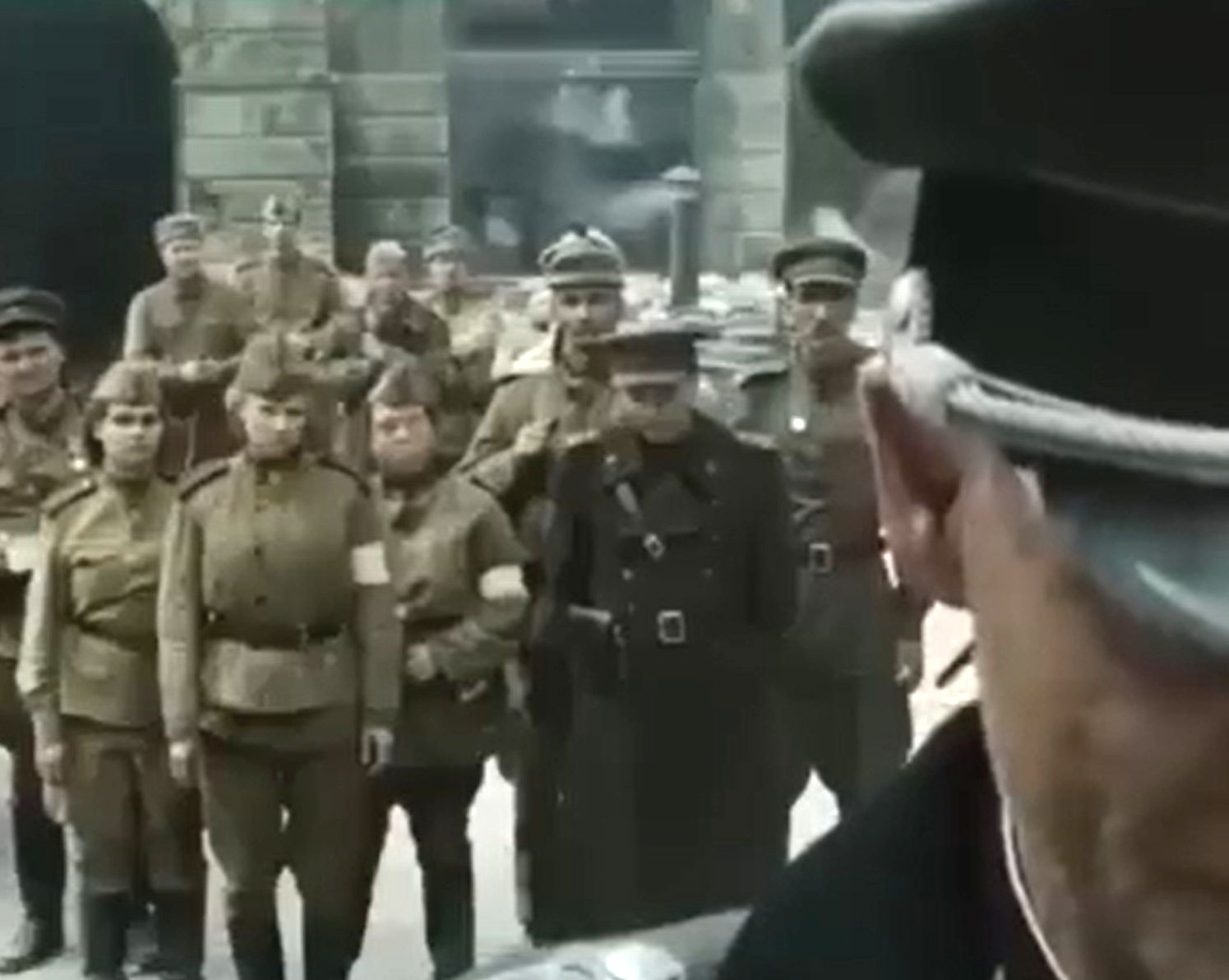 A partir del día D y el despliegue de tropas
norteamericanas en Europa, existieron violaciones en todas las ciudades
francesas donde los soldados norteamericanos se ubicaron. El primer crimen
sexual contabilizado oficialmente tiene lugar apenas unas semanas después del
desembarco. Los protagonistas de las violaciones no eran generalmente
combatientes de primera línea, sino miembros de unidades de apoyo logístico. La explicación parece simple, los soldados que
no participaban directamente en los combates tenían más tiempo libre y estaban
sujetos a una menor disciplina. Los clichés que explican el imaginario
norteamericano que se había impregnado en los combatientes venían de la Primera
Guerra Mundial. Francia era presentada en la revista militar Stars and Stripes
como una gran casa de prostitutas, un país erotizado y cuyas mujeres eran
bellas, acogedoras, y en el caso de los soldados que fueron reportados, solo
182 fueron reportados. Entre 1944 y 1945, 29 soldados fueron
ejecutados en público por delito de violación, de los cuales 25 eran negros.
Como en Francia solo se utilizaba el sistema de la guillotina, el ejército de
Estados Unidos hizo ir a un verdugo de Texas especialista en ahorcamientos.
Estaba claro que el racismo imperante entonces en Estados Unidos se reflejaba
en las decisiones de los tribunales militares. Por el mismo delito, un soldado negro siempre
era condenado con muchísima más dureza, así lo cuenta otra especialista. En ese
momento, la justicia americana en casa tendía a evaluar un asalto sexual por un
hombre negro contra una mujer blanca como particularmente asustador. Por otra
parte, cuando la denunciante acusaba a un militar blanco, normalmente la
investigación era menos rigurosa o incluso inexistente. Fue el propio general Eisenhower quien ordenó
que las ejecuciones fueran públicas, en el lugar de los hechos y con la
asistencia de las víctimas, sus familiares y vecinos. Buscaba así calmar la ola
de protestas que empezaron a inundar la prensa de la época y a callar los
rumores de las atrocidades que estaban cometiendo sus soldados. Por supuesto,
los historiadores especialistas aseguran que la gran mayoría de las víctimas
nunca presentaron una denuncia. Las violaciones y delitos sexuales no
solamente ocurrieron en territorio europeo. A principios de 1945, las tropas
estadounidenses ya estaban desembarcando en territorio japonés y para agosto de
ese mismo año, tras el ataque nuclear a Hiroshima y Nagasaki, Japón se había
rendido y las tropas de ocupación aliadas ocuparon las islas principales. La
toma del territorio terminó en la mayor parte de Japón el 28 de abril de 1952,
pero hasta ese entonces, las atrocidades cometidas por el ejército
norteamericano fueron verdaderamente indefendibles. 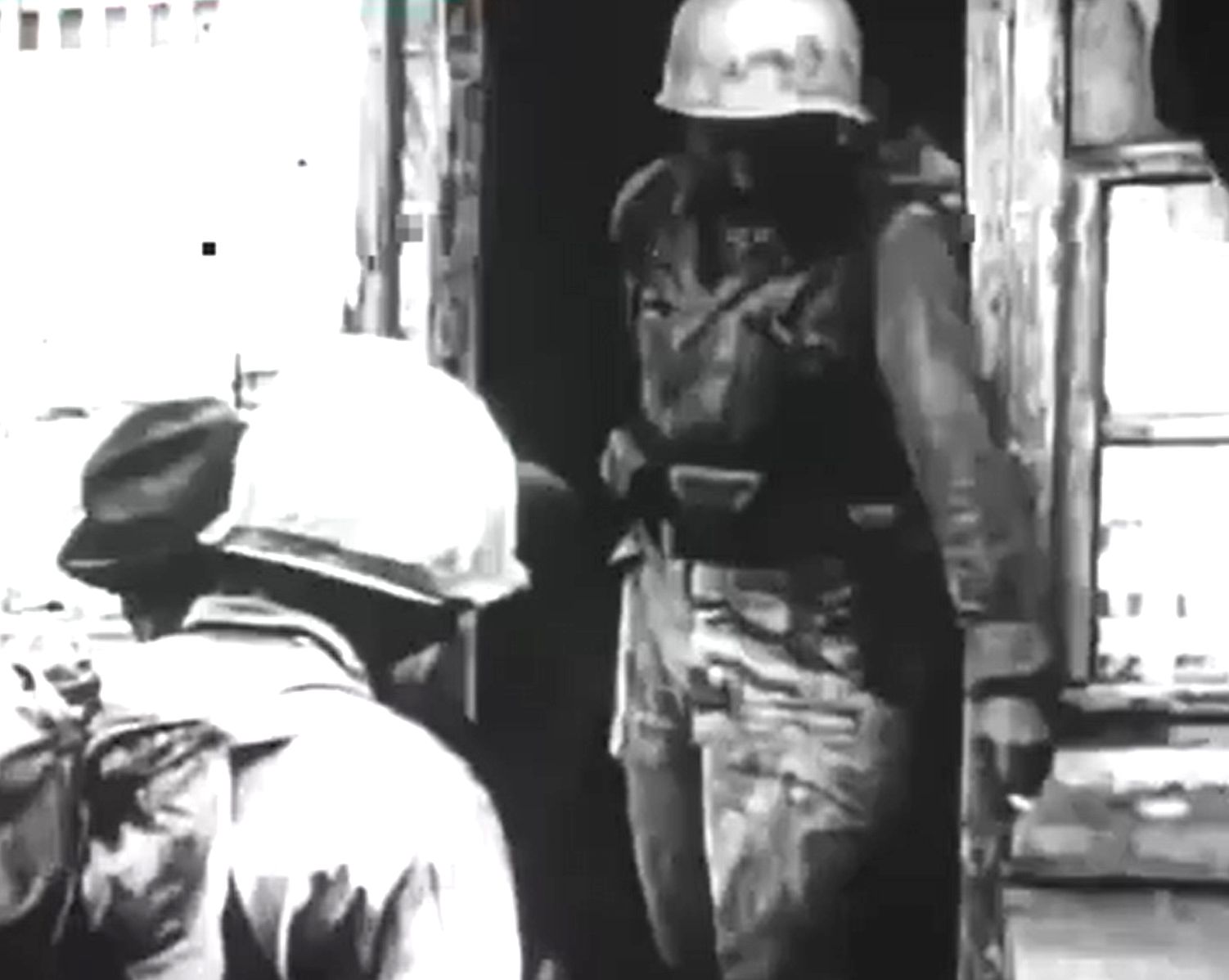 Si bien no hay pruebas certeras de que las
tropas aliadas cometieran violaciones masivas durante la Guerra del Pacífico,
existen numerosos testimonios que alegan que las fuerzas estadounidenses
cometieron un incontable número de delitos sexuales durante la Batalla de
Okinawa en 1945 y la posterior ocupación. Uno de los tantos ejemplos que
destacan es el sucedido en un pueblo de la península japonesa de Motobu después
del desembarco. En aquel momento, en el poblado sólo había mujeres, niños y
ancianos, ya que todos los hombres jóvenes habían sido movilizados para la
guerra. Poco después de su llegada, los marines
rastrillaron toda la aldea, pero no encontraron señales de fuerzas japonesas.
Aprovechando la situación de vulnerabilidad de la población, organizaron un
juego macabro y siniestro. Comenzaron a cazar mujeres a plena luz del día. Como si se tratara de un día de cacería,
buscaban a todas las que se escondían en el pueblo o en los refugios antiaéreos
cercanos y las sacaban, arrastrándolas de los pelos. Luego eran brutalmente
violadas, sin piedad alguna. Otra muestra de la ferocidad de las tropas aliadas
la da el testimonio de un inocente y joven soldado compatriota de los
violadores. Marchando hacia el sur, hombres del 4º
Regimiento de Infantería de Marina pasaron junto a un grupo de unos 10 marines
estadounidenses agrupados en un círculo cerrado junto a la carretera. Estaban
bastante animados, observó un cabo que supuso que estaban jugando a los dados.
Luego, cuando pasaron junto a ellos, el joven sorprendido contó que pudo ver
que se turnaban para violar a una mujer oriental. El cabo tuvo la intención de intervenir, pero
su equipo siguió avanzando como si nada inusual estuviera ocurriendo. El
silencio cómplice de las tropas norteamericanas es en parte responsable de que
muchas de estas historias no se conozcan y que las estadísticas limpien la imagen
de una fuerza militar que claramente fue, al menos en parte, criminal. Lo más
desesperante es que las mujeres no solo sufrieron a manos de soldados enemigos,
sino de las propias tropas imperiales. En este desgarrador testimonio, una dama de
confort, que es como se llamaba a mujeres asinadas y violadas sistemáticamente
por soldados nipones, cuenta su escalofriante experiencia cuando solo tenía 17
años. Aunque los informes japoneses sobre violaciones fueron ignorados en ese
momento debido a la falta de registros, es posible que hasta 10.000 mujeres de
Okinawa hayan sido violadas, según la estimación de un historiador local. Se ha
afirmado que las violaciones eran tan frecuentes que la mayoría de los habitantes
de Okinawa mayores de 65 años, alrededor del año pasado, conocían o habían oído
hablar de al menos una mujer que había sido violada después de la guerra.
Durante los primeros 5 años de la ocupación
estadounidense de Okinawa se denunciaron apenas 76 casos de violación. Sin
embargo, se estima que este número diste astronómicamente de la cifra real, ya
que casi la totalidad de los casos no fueron denunciados. La explicación más
simple de por qué el ejército estadounidense no tiene registros de violaciones
es porque muy pocas mujeres de Okinawa denunciaron abusos, principalmente por
miedo, vergüenza y deshonra, tal como había sucedido con las mujeres alemanas. Sin embargo, los bebés birraciales nacidos
fruto de estas violaciones son una evidencia viva de lo sucedido. En diversas
entrevistas, historiadores y ancianos de Okinawa dijeron que decenas de mujeres
de la zona que fueron violadas dieron a luz a niños birraciales, pero que
muchas de ellas fueron inmediatamente asesinadas o abandonadas por vergüenza,
disgusto o trauma por sus maridos locales. Sin embargo, lo más frecuente es que
las víctimas de violación se sometieran a abortos rudimentarios con la ayuda de
parteras de las aldeas, que muchas veces acababa por quitarles la vida. Así como los soldados estadounidenses que
violaban mujeres alemanas luego les dejaban comida para hacer pasar el acto
como una prostitución, en lugar de una violación, algo similar sucedía en
Japón. Las mujeres japonesas que mendigaban comida durante la ocupación aliada,
eran violadas y las tropas a veces les dejaban algo a cambio, como comida, ropa
o productos de higiene, para lavar las culpas del acto animal y perverso que
habían cometido. Los embarazos, fruto de todas las violaciones cometidas por
los marines norteamericanos, son precisamente la base sobre la que la historiadora
Miriam Gebhardt hace proyecciones para intentar calcular la cantidad de
víctimas. La estimación es que el 5% de los niños de la
guerra, nacidos de mujeres no casadas a mediados de la década de 1950, fueron
el producto de una violación. Esta aproximación da un total de 1.900 niños de
padres estadounidenses, solamente en territorio alemán. Atendiendo además a la
estadística de la que se desprende que por cada nacimiento cabe suponer 100
violaciones, aparece como resultado por lo menos 190.000 casos. Si bien esta cifra ya de por sí es
espeluznante, solamente está considerando los crímenes sexuales llevados a cabo
en Alemania. Si se piensa que durante la ocupación en Francia y Japón hubo una
cantidad similar o mayor de violaciones por parte de los estadounidenses, el
número se eleva de forma radical. Gebhardt, que por primera vez pone cifras a
las violaciones masivas, calcula 860.000, pero este número es tan terrible como
tentativo. De cualquier manera estas cifras son solo la
punta del iceberg. El número verdadero seguramente sea muy superior, dado que
como ya mencionamos, muchas mujeres y niñas prefirieron no hablar nunca de ello
por vergüenza y por sentirse responsables de haber sido violadas, incluso en un
punto llegando a creer que lo merecían por formar parte del bando perdedor. Así
lo cuenta la nieta de una víctima.
Hay que tener en cuenta un último y aterrador
factor en la proyección de la cifra de víctimas, y es el número de personas que
han sido víctimas de violaciones sexuales. el de aquellas mujeres que
decidieron quitarse la vida como consecuencia de estos delitos sexuales. En
documentos judiciales constan pruebas de suicidios de niñas de 13 años tras ser
víctimas de violaciones en grupo, ya sea colgándose de una viga de la casa o
ingiriendo altas dosis de esencia de vinagre, los dos recursos más utilizados
en la época. Más de 70 años después del final de la Segunda
Guerra Mundial, sigue sin hablarse en voz alta sobre las mujeres y niñas
violadas por las tropas aliadas de ocupación. Que Estados Unidos haya pasado
por alto este macabro capítulo de su historia militar es una verdadera mancha
no solo en su historia militar, sino en su identidad como nación. El poder de
Washington, con el arma de Hollywood a la cabeza, ha utilizado la Segunda Guerra
Mundial para cultivar un sentimiento patriótico en su población, logrando un
mensaje sólido para los norteamericanos y una hábil propaganda hacia el
exterior. Es cierto que las tropas imperiales japonesas
han sido conocidas por su perversión y crueldad con las mujeres de sus
enemigos, pero el trato que los aliados dispensaron a las japonesas en la
Segunda Guerra Mundial no se queda atrás. Si bien es un tema tabú para los
norteamericanos, sus milicias fueron tan depravadas como las niponas,
especialmente en dos momentos históricos en el conflicto bélico más importante
del siglo XX. En el video de hoy vamos a hablar de la historia que algunas
fuentes aliadas han querido silenciar, pero que siguen saliendo a la luz con
escalofriantes testimonios y estudios. Queremos compartir con ustedes las atrocidades
cometidas por las tropas estadounidenses durante la Batalla de Okinawa y la
posterior ocupación en Japón. El material que vamos a compartir a continuación
es de naturaleza sensible, así que asegúrense de estar acompañados al momento
de ver este video. Bienvenidos una vez más a Historia Militar, comencemos. Estas imágenes impresionantes son de la
conocida Batalla de Okinawa, en la que se combatió de forma sangrienta durante
82 largos días, desde principios de abril hasta mediados de junio de 1945. Es
recordada por la ferocidad y brutalidad de los combates. La intensidad de los
disparos y la enorme cantidad de buques aliados y vehículos blindados que
asaltaron la isla, dio como resultado una de las batallas con más víctimas,
civiles y militares, en toda la campaña del Pacífico. Según estimaciones oficiales, la totalidad de
los fallecidos supera el cuarto de millón. El objetivo principal de la
operación fue apoderarse de la gran isla de Okinawa, a solo 550 kilómetros de
distancia de Japón, y darle un golpe moral al imperio, planeando usarla como
base para las operaciones aéreas con el plan de invadir territorio japonés. A
pesar de que la ocupación de la isla fue un éxito, los crímenes y atrocidades
cometidas por los norteamericanos en esta empresa militar siguen siendo
controversiales al día de hoy.
Okinawa tenía una elevada población civil
indígena no involucrada en el conflicto, que fue arrasada por las tropas
aliadas. Si bien el cálculo no es exacto, se estima que el desembarco dejó casi
150.000 muertos inocentes a causa del fuego de artillería, ataques aéreos e
incluso contando ejecuciones realizadas por el ejército imperial japonés. Las
milicias estadounidenses relataron que durante la batalla se les hacía difícil
distinguir a los civiles de los soldados. Un testimonio de un soldado de infantería es
tan ilustrativo como terrible. Nos disparaban desde sus pequeñas casas, pero no
podíamos distinguir cuáles estaban ocupadas por los civiles y cuáles por
soldados. Fue terrible no poder distinguir entre el enemigo y las mujeres y los
niños. En un momento ya nos dejó de importar y
empezamos a abrir fuego de forma indiscriminada. No sabíamos a quién estábamos
apuntando, solo disparábamos. A pesar de las imágenes que vimos y lo que
contaban horribles testimonios, ser acribillados por armas enemigas no era lo
peor que podía pasarle a la población civil de Okinawa. Empezaron a correr rumores difundidos por las
tropas imperiales niponas acerca de los salvajes americanos y los tormentos a
los que iban a someter a los nativos. Fue por esa razón que con la inminente
victoria de las tropas estadounidenses comenzaron a producirse suicidios en
masa entre los locales. Un artículo publicado en el Ryukyu Jinpo, uno de los
dos periódicos principales de la isla, reveló en 2007 que muchos habitantes de
Okinawa declararon que el ejército japonés directamente los obligó a
suicidarse. No solo eso, sino que también aparecieron
testigos que manifestaron que les fueron entregadas granadas para autoinmolarse
y atentar contra los norteamericanos. Otra parte de los civiles, inundados y
adoctrinados por la propaganda japonesa, no solo se suicidaron, sino que antes
mataron a sus familias para evitar las supuestas vejaciones a las que los bárbaros
soldados de los Estados Unidos iban a someterlos. Muchos de ellos se arrojaron
trágicamente junto a sus familias desde los altos acantilados, donde
actualmente está situado el Museo de la Paz. Sin embargo, a pesar de que el terror
esparcido entre los locales era una estrategia del ejército imperial para
lograr que los locales se sublevaran contra los invasores y luchen contra
ellos, parece ser que muchos de los rumores estaban lejos de ser una simple
propaganda. Los crímenes de guerra cometidos por los Estados Unidos siempre han
sido un tema controversial, dado que hay pocos registros de los hechos
sucedidos. En este caso, un grupo de historiadores ha calculado que soldados
norteamericanos cometieron más de 10.000 violaciones durante los tres meses que
duró esta batalla. 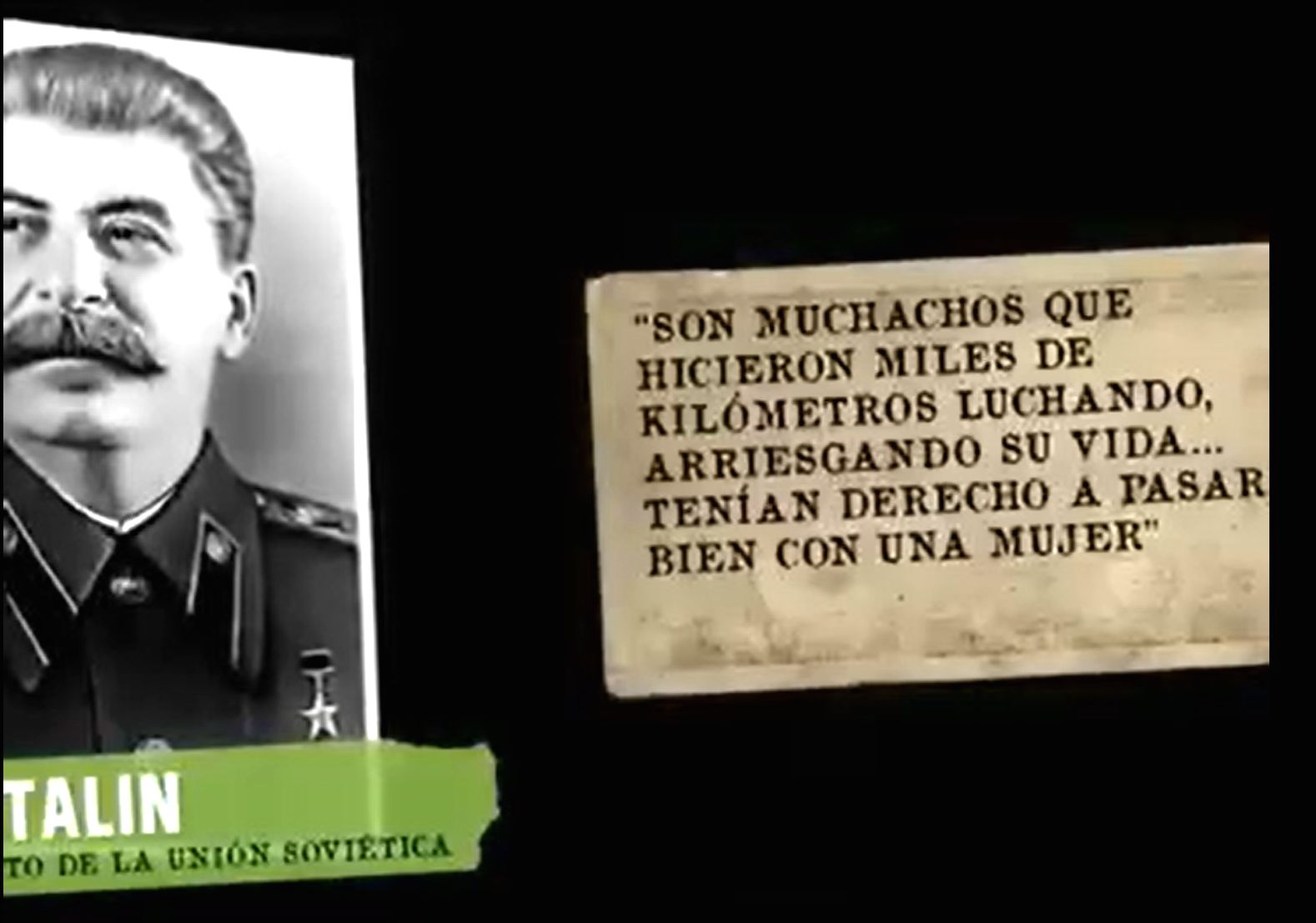 Oficiales del Cuerpo de Marines en Okinawa y
Washington han declarado no tener conocimiento de que se hubieran cometido
violaciones por soldados estadounidenses en Okinawa, y en sus registros no
consta que los marines cometieran ningún crimen de guerra. Sin embargo, las
violaciones cometidas en esta empresa son otro de los secretos sucios que las
crónicas militares norteamericanas eligen suprimir de los informes históricos.
Los testimonios son pocos pero aberrantes, dado que las mujeres locales no se
animaron a denunciar los hechos en su momento. Pocas habitantes de Okinawa quedaron
embarazadas como producto de los ataques, ya que el estrés y la mala
alimentación hacía que la mayoría no fueran fértiles. Las que sí lo hicieron
abortaron antes de que sus maridos y padres regresaran de la guerra, para no
ser consideradas una deshonra para la familia. Los precarios métodos llevaron a
que muchas de ellas murieran en el procedimiento, quedando el crimen de guerra
enterrado para siempre con ellas, sus propias madres, para no tener que cargar
con la deshonra de la violación. Un episodio recogido por algunos historiadores
resume brevemente estos desgarradores actos, en un pueblo de la península de
Liberadas. El juego se retomaba al día siguiente. Si bien los norteamericanos
tienen una mirada muy tendenciosa de los crímenes de guerra cometidos en
Okinawa, no es menos cierto que los propios nipones se ejercieron sobre esa
población salvajadas Cabe destacar que el ejército imperial consideraba a los nativos
de la isla una raza inferior, así como lo hacían con los chinos o los coreanos,
dando a entender que la supremacía racial se encontraba en tierras japonesas. Las milicias niponas ejecutaban a todos
aquellos okinawenses que se rehusaran a colaborar con ellos para enfrentar al
enemigo, ya fuera como en el caso de Kanagawa, que fue donde se esperaba que
los estadounidenses hicieran el primer aterrizaje en tierras niponas, se
recomendó que las mujeres jóvenes y las niñas evacuaran la zona de forma automática,
entre las directivas más terribles. Educación moral y espiritual de la nación.
A veces no eran las autoridades sino sus propias familias quienes realizaban
estas recomendaciones, como en el testimonio que vamos a mostrarles a
continuación. Siete mujeres del personal hospitalario.
Algunos médicos y pacientes varones que intentaron proteger a las mujeres
fueron asesinados fríamente. Sin embargo, la peor tragedia fue que una de las
mujeres violadas tenía un bebé de dos días en brazos, que fue aniquilado al ser
arrojado al suelo con violencia cuando las tropas intentaban abusar
salvajemente de la mujer. El segundo fue una redada planificada y
siniestra sucedida el 11 de abril de 1946. El hecho fue protagonizado por entre
30 y 60 soldados estadounidenses que cortaron las líneas telefónicas de un
bloque de viviendas en la ciudad de Nagoya para aislarlo y tenerlo a su merced.
El grupo de perversos soldados fueron casa por casa y simultáneamente violaron
a todas las niñas y mujeres de entre 10 y 55 años en la zona. Los norteamericanos no fueron los únicos
perpetradores de estas atrocidades que fueron desestimadas y barridas bajo la
alfombra. Las tropas australianas, británicas y neozelandesas en Japón, como
parte de la fuerza de ocupación de la Commonwealth británica, conocida por sus
siglas BCOF, también cometieron actos criminales imperdonables. Los informes
oficiales constatan que sus miembros fueron condenados por cometer apenas 57
violaciones en el periodo comprendido entre mayo de 1946 y diciembre de 1947 y
otras pocas 23 entre enero de 1948 y septiembre de 1951. Sin embargo, incluso aunque se creyera en los
números aportados por estos reportes, las penas impuestas a los miembros del
BCOF culpables no para nada severas. De hecho, las condenas impuestas a los
australianos a menudo fueron mitigadas o directamente anuladas por los
tribunales de Australia en la mayoría de los casos, que consideraban que esos
crímenes eran propios del fragor de la batalla. Algunos testimonios que han
quedado por escrito de esas épocas ilustran un poco el infierno sufrido por las
japonesas.
Una ex prostituta recuerda que tan pronto como
las tropas australianas llegaron a Kure, a principios de 1946, arrastraron a
mujeres jóvenes a sus jeeps, las llevaron a la montaña y luego las violaron.
Los locales las oían gritar pidiendo ayuda casi todas las noches. Este
comportamiento era común y se repetía en la mayoría de los poblados, pero las
noticias sobre actividad criminal por parte de las fuerzas de ocupación eran
rápidamente disminuidas o ignoradas. La mayoría de los documentos con las denuncias
eran devueltos con la leyenda oficial condena anulada por falta de pruebas y
esos expedientes fueron cerrados para siempre. Otro testimonio desgarrador es
el de Alan Clifton, un oficial australiano que actuó como intérprete e
investigador criminal durante esos años de la ocupación, que recuerda
amargamente lo sucedido. Me paré junto a una cama en el hospital. Sobre él yacía una niña inconsciente con su
largo cabello negro alborotado sobre la almohada. Un médico y dos enfermeras
estaban intentando reanimarla pero sin éxito. Una hora antes había sido violada
por 20 oficiales. La encontramos donde la habían dejado, en un
terreno baldío en Hiroshima. La chica era japonesa, los soldados eran australianos.
Los gemidos y lamentos habían cesado y ahora estaba en silencio. La torturada tensión de su rostro había
desaparecido y la suave piel morena estaba tersa y sin arrugas, manchada de
lágrimas como el rostro de un niño que ha llorado hasta quedarse dormido. Si se
preguntan cómo fue posible que estas atrocidades sucedieran sin que nadie
dijera nada al respecto, solamente fue posible gracias a un plan sistemático de
ocultamiento. No sólo los altos mandos de las Fuerzas Armadas Aliadas se
ocuparon de minimizar o invisibilizar estos atroces delitos, sino que de forma
cínica e inteligente las tropas estadounidenses impusieron una amplia censura a
los medios de comunicación japoneses. Vean sino las fotografías que se hacían
circular en ese momento, dando a entender una fraternidad inexistente. Incluso
había algunos periódicos que sostenían que los burdeles de la ARA eran un
negocio espectacular. Desde el 10 de diciembre de 1945 hasta el final de la
ocupación en 1952, los medios locales tenían prohibido cubrir temas sociales
delicados y crímenes graves cometidos por miembros de las fuerzas de ocupación,
haciendo particular énfasis en no mencionar casos de violaciones. Algunos medios nipones fueron directamente
colaboracionistas de los ocupantes aliados, llegando a afirmar en algunas
noticias que no se estaban cometiendo crímenes ni abusos sexuales de ningún
tipo. Con el lento y largo correr de los años, Japón empezaría a sanar sus
heridas cuando las revistas niponas empezaron a publicar relatos en primera persona
de violaciones cometidas por militares estadounidenses, haciéndose cargo de una
parte triste y oscura de su historia. Los crímenes de guerra siempre son
atroces y deben ser juzgados de manera imparcial y castigados con todo el peso
de la ley. Sin embargo, suele haber pocas condenas a
milicias norteamericanas. ¿Crees que suele haber una mirada sesgada sobre las
aberraciones que las tropas de Estados Unidos han cometido en distintos
conflictos bélicos? Deja tus opiniones en los comentarios abajo. Hasta aquí el
video de hoy. Te agradecemos haber llegado hasta el final y
te esperamos en las próximas entregas de Historia Militar. |
||
| Transkribiert von TurboScribe.ai |
© Leonardo Historia
© La Gazeta Federal

Leonardo Historia19 June 2025 · Source: Leonardo Historia / La Gazeta Federal On 2 May 1945, the Soviet Union took Berlin, marking the end of the war in Europe. As a reward, Stalin allowed Soviet soldiers to send parcels weighing up to five kilograms home, unleashing mass looting. More seriously, they were also allowed to abuse women on the grounds that they “deserved some fun.” In a few weeks, about two million German women were systematically raped. The Soviet Union never accepted responsibility for these crimes. Other Allied forces were involved too, above all through their silence. For many German women, Berlin’s fall was not the end of horror but the beginning of a new nightmare. La Gazeta Federal“Looting of Berlin — Second World War”On 2 May 1945, the Soviet Union finally took Berlin, definitively defeating Germany. Once Berlin had fallen, soldiers of the Soviet Army received special permission from their leader Joseph Stalin. As a privilege for having won, they were allowed to send a parcel of up to five kilograms home without restrictions, so the soldiers literally sent anything they could. The terrible thing was that all of it came from systematic, uncontrolled looting. But the permission they received went beyond objects taken from the defeated population, and what followed was a tragedy for which the Soviet Union never took responsibility. In only a few weeks, around two million German women were raped on a massive and systematic scale by members of the Red Army; Stalin had given them a green light by declaring that after such a hard campaign the soldiers had a right to amuse themselves with women. Other Allied armies, such as the French and American forces, participated in the barbarity to a much lesser extent, and above all contributed through their silence. This video presents some of the most harrowing testimonies and situations endured by the victims. When the Allied armies and the Red Army defeated the forces of the Third Reich and broke the resistance in Berlin, everyone thought the horrors of war were over, but for surviving German women the nightmare was only beginning. German women were treated as one of the most valued spoils of war over which the victors competed, turning Berlin into a hunting ground for women. Teenagers, adults, elderly women, healthy or ill — women of every kind were subjected to abuse by soldiers who celebrated these violent acts, with victims ranging from girls of twelve to women of seventy. Here is the testimony of one survivor. “A little Mongolian … we even had May there, with her hair loose … then they came to the wall, to the room, putting this cardboard on the table and telling people in Berlin that … Stalin gave his soldiers the right to rape, to rob, to kill, to do whatever they wanted — and believe me, they did.” According to historian William Hitchcock, most victims were abused repeatedly, some suffering as many as sixty rapes. It is estimated that more than 10,000 women died as a result, whether directly from the sexual assaults, from complications of abortions, or by suicide because of the trauma. 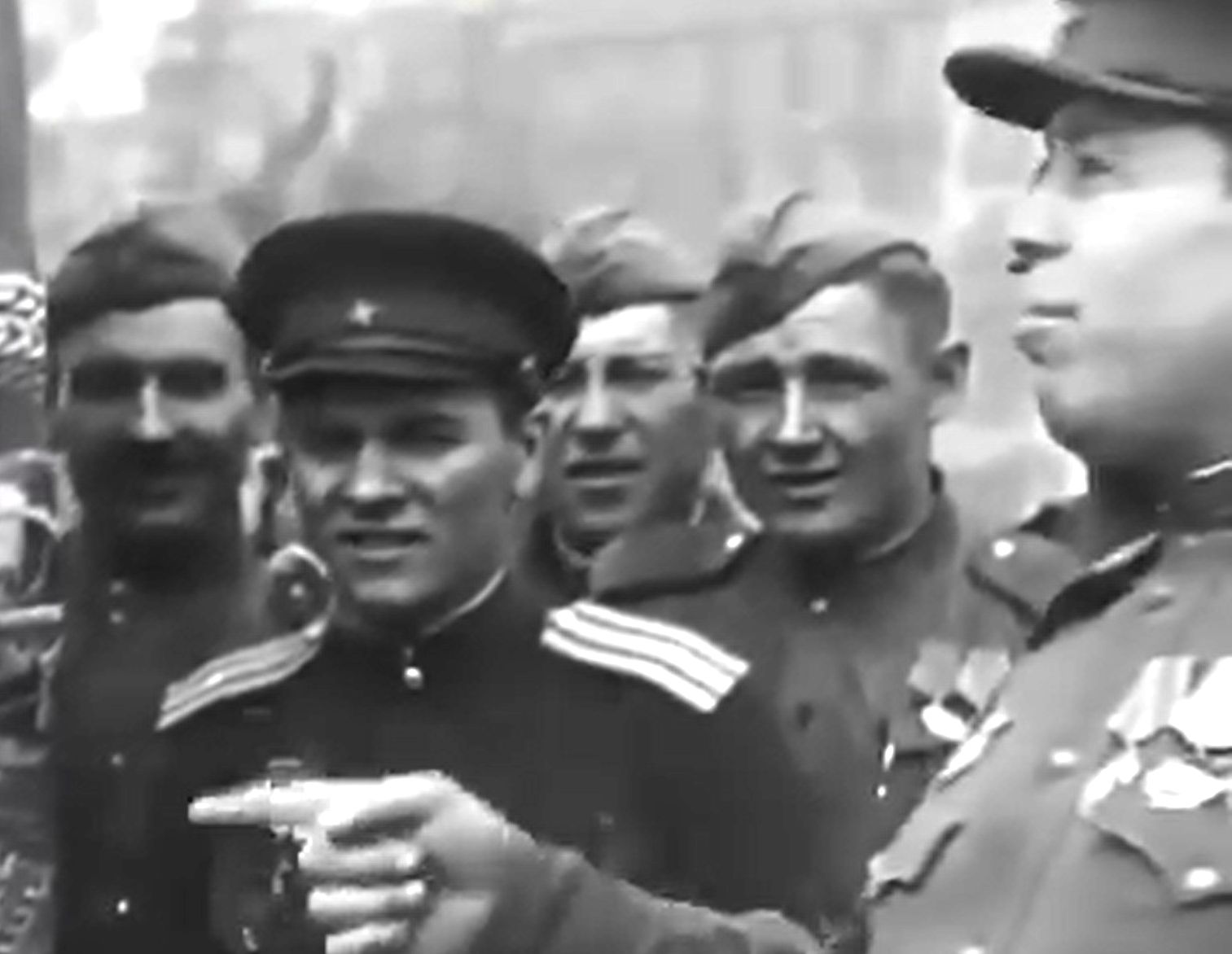 The testimonies collected over the years are as harrowing as they are shocking, and we warn sensitive viewers to take care. “I remember a raped German woman. She lay naked and a grenade had been shoved into her crotch.” “Now I feel ashamed, but at the time I did not. Once some German women came to our battalion to see the commander. They were crying.” “When the doctor examined them, he saw they had wounds there. They were completely torn apart. Their underwear was completely soaked with blood.” This is what A. Ratkina says in testimony collected by Svetlana Alexievich in her well-known book The Unwomanly Face of War. The story is horrifying not only because of its content, but because such cases were more the rule than the exception. The Red Army command was indulgent toward these abuses: there were no explicit orders, but neither were there punishments or a will to stop the chain of atrocities. Some accounts maintain that there was a grace period during which soldiers were allowed to do anything, and that repression and punishment of rape took months to arrive. A story is told that a subordinate once dared complain to Stalin, who allegedly replied: “They are boys who fought thousands of kilometers, risking their lives. They had a right to have some fun with a woman.” There are records of countless rapes committed by Soviet troops in the German capital, even though the subject was concealed in the years after the war and remains taboo in Russia. Alexievich records another Soviet soldier’s testimony: “We were young, strong, and had not been with a woman for four years.” “So we went hunting for German women. Ten men would abuse one girl because there were not that many women. They ran away and hid.” 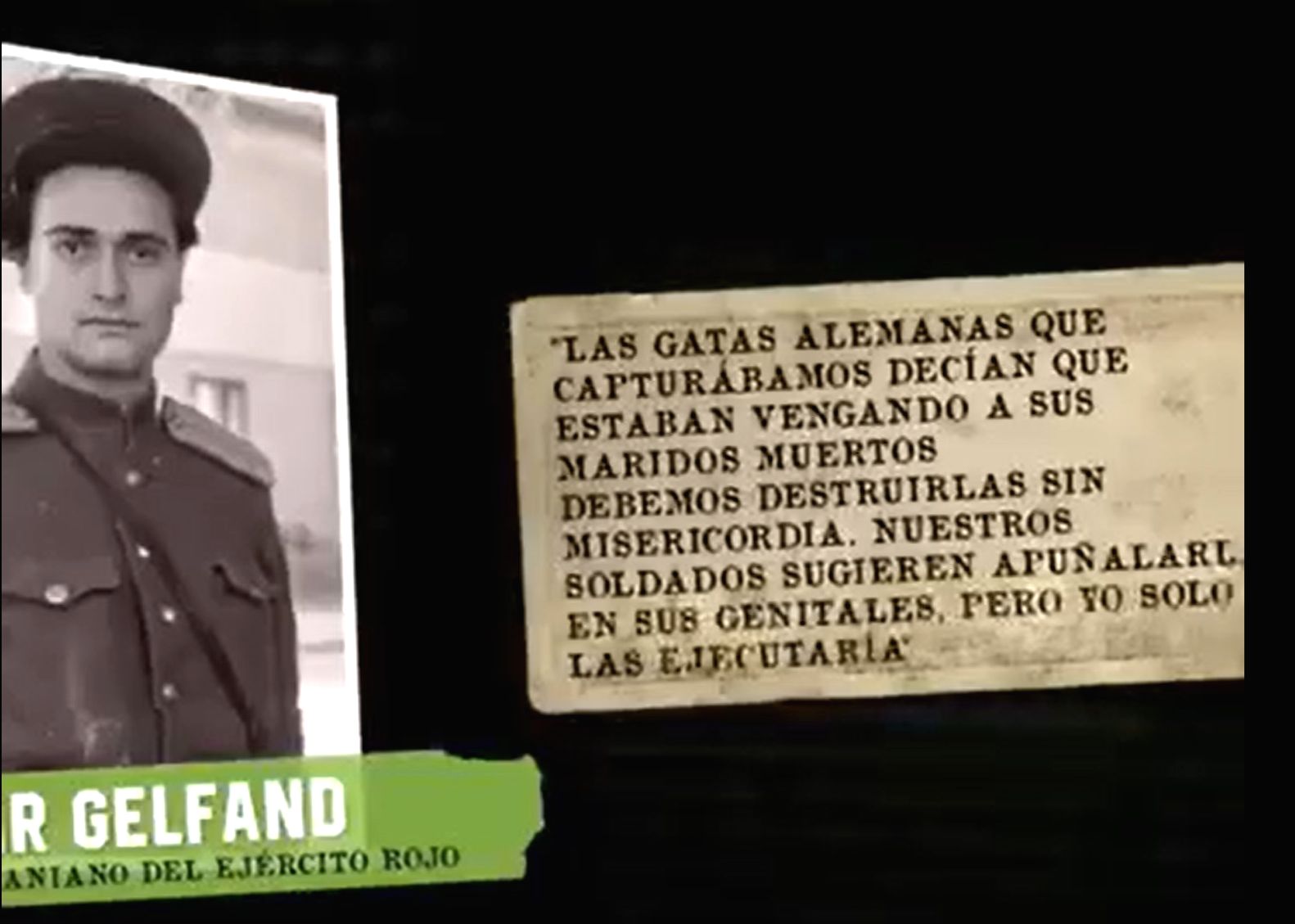 “The German women we captured said they were avenging their dead husbands. We must destroy them without mercy. Our soldiers suggest stabbing them in the genitals, but I would only execute them.” “So if we found a twelve- or thirteen-year-old girl, we took her anyway. If she screamed too much, we put a rag in her mouth. At the time we thought it was funny.” “Only now do I realize what we were doing.” Thousands of German women endured such experiences, because postwar Germany was in a truly desperate condition and victims often submitted either to avoid being killed or in exchange for food or shelter. Russian media often describe the mass rapes as Western myths, although many of the details cited were taken from the diary of a young Soviet soldier. Vladimir Gelfand was a young Ukrainian Jewish lieutenant in the Red Army who secretly kept a wartime diary, even though his superiors prohibited such writing out of fear that it might fall into enemy hands and expose criticism of the Soviet command. In February 1945, Gelfand described his comrades surrounding and destroying battalions of German women combatants. “The German cats we captured said they were avenging their dead husbands,” the lieutenant writes. Vladimir Gelfand — lieutenant of the Red Army. “We must destroy them without mercy. Our soldiers suggest stabbing them in their genitals, but I would only execute them.” These testimonies were collected in judicial documents, which also contain evidence of suicides by thirteen-year-old girls who, after being gang-raped, hanged themselves from house beams or swallowed large quantities of vinegar essence. “My thirteen-year-old niece was raped in the next room by fourteen Russian soldiers. My wife was dragged to the barn and raped there too. The next morning, before leaving her on the farm, they did it again.” “When we opened the barn, we found her body destroyed,” recounts Otto H., who carried the memory of that night on a farm in Friedeberg, Pomerania, for the rest of his life. The same reports tell of German women preferring to kill their daughters and themselves rather than face such a fate. More than seventy years after the end of the Second World War, Germany still does not speak openly about women and girls raped by Allied or Soviet troops. Neither the virtually nonexistent German administration nor the occupation forces kept comprehensive records of the rapes, and much of the documentary evidence that has survived comes from reports made by the Church. The Archbishop of Munich and Freising asked priests to keep precise records of the activities of foreign armies in the region and their effects on local communities. The surviving records are terrifying and show that the Red Army was not the only force responsible for crimes against German women. “Eight girls and women raped, some of them in the presence of their parents,” one parish priest wrote in the reports requested by the Church. Father Andreas Wangand, from a village north of Munich, wrote: “The saddest part of the passage of the Allied troops was the rape of three women — one married, one unmarried, and a sixteen-and-a-half-year-old virgin — all committed by heavily intoxicated American soldiers.” The youngest victim recorded in these documents was a seven-year-old girl who contracted a serious venereal disease; the oldest was a sixty-nine-year-old woman. Another practice attributed to the troops was going out at night in search of defenseless women, as in this testimony: “One night there was a knock at the door and there were seven armed American soldiers. They demanded that food be prepared for them and then raped my grandmother and my mother.” “My cousin saw everything but never spoke about it,” recounts Maximiliana, who grew up without knowing that she was the daughter of one of those soldiers. “I began to suspect when I wanted to make a study trip to the United States. It completely destabilized my mother, and after several months and a great deal of tension, my cousin told me what he had witnessed.” “It was horrible. Fear always stays in your body and you never get rid of it. The pain lessens with time, but the fear is always there.” These events were neither publicized nor condemned because silence and concealment lasted for decades. The reasons were varied: the Soviet regime denied and dismissed the accusations, while German women often remained silent out of shame. There was another reason for silence in Germany: husbands made their wives keep quiet because they did not want such stories to spread. Once the rapes had become so frequent, women began sharing their experiences with one another because so many had endured the same thing. 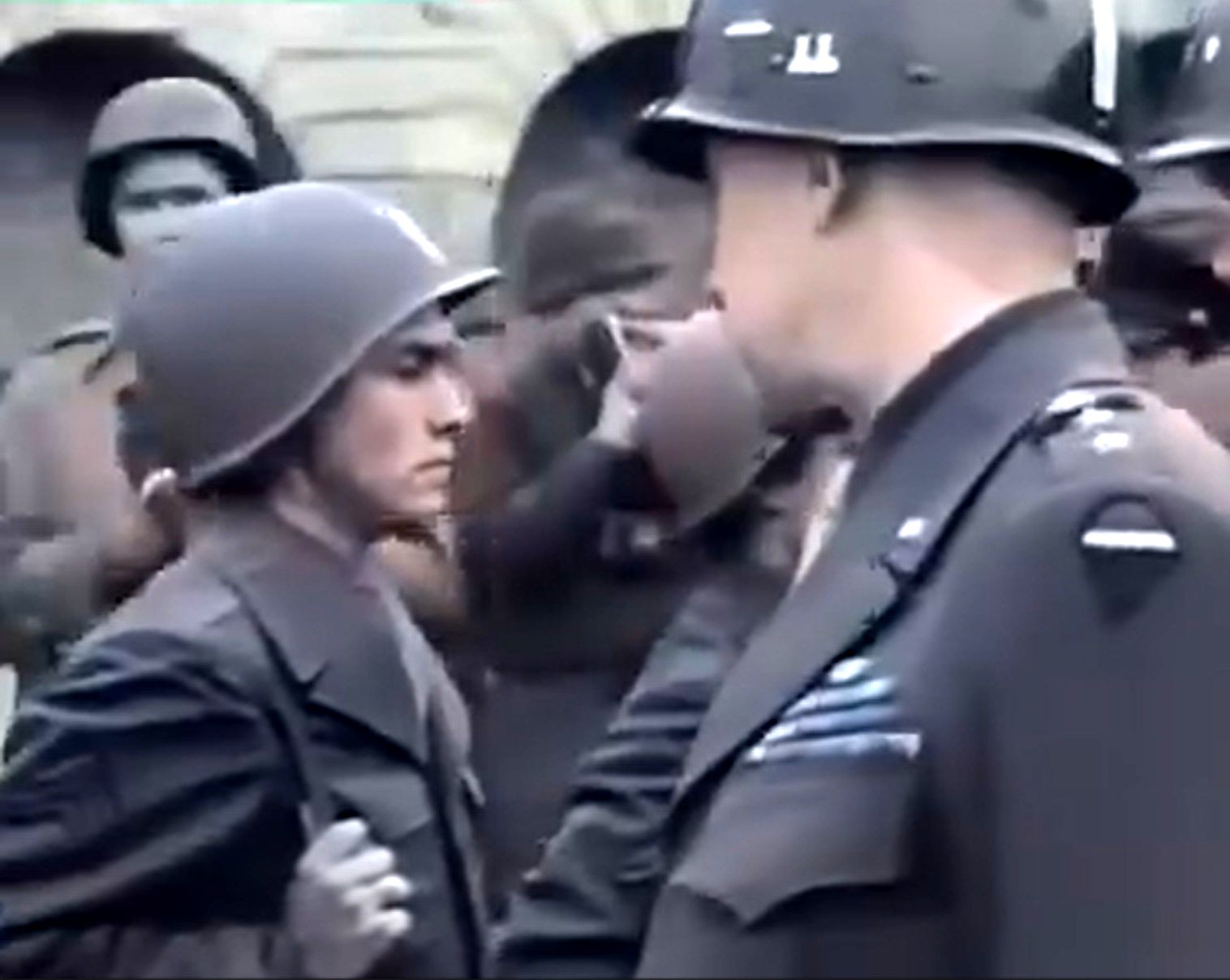 Individual experiences thus became a collective experience in which the exceptions were the women who had managed to avoid rape. The figures used by historians are horrifying: it is believed there were around two million systematic rapes across Germany, crimes later pushed out of history. Would it not have been controversial if, in the famous film Saving Private Ryan, American marines had brutally raped German, French, or Japanese women? In the collective imagination, American soldiers who fought Nazi Germany and the Japanese Empire were immaculate heroes. However, recent research shows many of these men raped large numbers of women during and after the Second World War. These silenced crimes are now being reconsidered, bringing to light allegations of systematic rape that included minors. Today we will discuss horrific war crimes committed by American soldiers against women they were supposedly meant to rescue, warning viewers that this installment of “Military History” will be especially harsh and disturbing. Although Nazi crimes are logically the most remembered crimes of the Second World War, Allied forces also committed atrocities. These include the sadistic mistreatment of women who were raped and, in some cases, killed in sexual crimes during and after D-Day and during the occupations of Germany and Japan. Secret wartime files released only in 2006 show more than 400 rapes by American soldiers in Europe between 1942 and 1945. Another study estimates that 14,000 civilian women in France and Germany were raped by American soldiers during the war. Yet both figures may be far below reality because many rapes in Germany in 1945 were gang rapes committed by armed soldiers at gunpoint and women were afraid even to speak about them. The Army’s legal branch was reluctant to confirm the rumors but acknowledged that some soldiers had been executed for brutal or “perverted” sexual crimes against German women. This was more common when the accused soldiers were Black. A typical sexual-assault war crime by usually drunken American personnel moving through occupied territory involved threatening a German family with weapons, forcing one or more women into brutal sexual acts, then driving the whole family into the street and stealing their possessions. Although non-fraternization policies were imposed on Americans in Germany, the troops used the slogan: “Copulation without conversation is not fraternization.” Let us now turn to what happened during the occupation of Germany after the defeat of the Nazis. German families feared the arrival of Soviet troops because stories of systematic Red Army rape spread rapidly from town to town. American soldiers, by contrast, were often greeted as liberators, and propaganda left a lasting image in German collective memory of the “American friend” as an occupation soldier who committed no war crimes. Reality was quite different and that this narrative was sustained in large part by social pressure. During the spring of 1945, American troops took one German town and city after another. In most places they not only met no resistance but were sometimes greeted with American flags in the streets. The troops would establish themselves in the town hall and prepare house-to-house inspections. First they searched for enemy combatants, weapons, and Nazi fugitives. Once they were satisfied that there was no danger, looting began. Soldiers took watches, bicycles, radios, sunglasses, jewelry, and any valuable objects they found in homes. Finally, before leaving, some raped women and girls. Neither the remaining German administration nor the occupation troops kept a systematic record of these assaults. Much of the documentary evidence has been found in reports made by the Church at the time. The Archbishop of Munich asked priests in villages throughout the region to keep precise records of the activities of foreign armies and their effects on the communities. Among the records preserved in Munich are notes by Michael Merckx Müller, parish priest of Ramsau, who wrote on 20 July 1945: “EIGHT GIRLS AND WOMEN RAPED, SOME OF THEM IN THE PRESENCE OF THEIR PARENTS.” Father Alois Schiml of Moosburg wrote on 1 August 1945 that, by order of the military government, a list of all residents and their ages had to be nailed to each house door; as a result, he wrote, seventeen girls and women had to be taken to hospital after repeated sexual abuse by American troops. According to these church records, the youngest victim was a seven-year-old girl who contracted a serious venereal disease, while the oldest was a sixty-nine-year-old woman. This is evidence of cruel and inhuman behavior with no military justification. American troops acted without restraint and without even trying to conceal their crimes. A German report and a victim’s testimony are then introduced. “They were looking for girls. And then I was … by one of them.” “He took me to an old tavern. What could I have done? He had a gun, so — oh, no! What if I fought or screamed? This was in broad daylight. They would just grab a girl, take her somewhere, and that was it.” American troops, often asked local authorities to provide female personnel, groups of women supposedly needed for secretarial or kitchen work. This was a form of forced labor that sometimes concealed indiscriminate sexual abuse. The groups of women were rotated and replaced every fifteen days. When they returned home, many kept silent about what had happened and carried a heavy sense of guilt. women simply accepted what was happening because they believed they had little choice; as members of the defeated side, some came to see the abuse as a punishment they had to endure. For this reason, the number of rapes committed by American troops is difficult to measure. Shame and pain kept many victims from reporting what happened. This systematic criminal behavior reached many different settings. Soldiers exchanged information about which houses contained defenseless women and children. Rape was described as the most traumatic abuse inflicted on women, but hospital reports also recorded other violence. Many women, in addition to being raped, were beaten with riding crops or whips or attacked with bladed weapons. Few testimonies of these atrocities survive, but the writer Ursula Herking left a chilling account in her autobiography of what she herself endured. After the first postwar months, when abuses of this kind were widespread, other kinds of sexual relationships proliferated in which the boundary of consent became far more ambiguous. Hunger and deprivation after the war drove many German women into prostitution for a small quantity of food, often enough to feed a family. American propaganda promoted the idea that German women were attracted to American troops, which served as a sexist justification for what were criminally described as “excesses.” Although the postwar period left atrocities scattered across German territory, objectionable behavior by American GIs had begun even before the war ended. From D-Day onward, as American troops spread through Europe, rapes occurred in French towns where American soldiers were stationed. The first officially recorded sexual crime occurred only a few weeks after the landing. The perpetrators were generally not front-line combat troops but members of logistical support units. The explanation seems simple: soldiers who were not directly involved in combat had more free time and were subject to less discipline. The stereotypes shaping American soldiers’ view of France went back to the First World War. The military newspaper Stars and Stripes presented France as one enormous brothel, an eroticized country whose women were beautiful and welcoming. Only 182 soldiers were reported. Between 1944 and 1945, twenty-nine soldiers were publicly executed for rape, twenty-five of them Black. Because France used the guillotine, the U.S. Army brought in a Texas executioner who specialized in hanging. The racism prevalent in the United States at the time was reflected in military-court decisions. For the same offense, a Black soldier was punished far more severely. An expert explains that American justice at home tended to regard a sexual assault by a Black man against a white woman as especially frightening; when the complainant accused a white serviceman, the investigation was usually less rigorous or sometimes nonexistent. General Eisenhower himself, ordered executions to be public, at the scene of the crime and attended by victims, their relatives, and neighbors. The purpose was to calm a wave of protests appearing in the contemporary press and silence rumors of atrocities by American soldiers. Historians nevertheless say the vast majority of victims never filed a complaint. Rape and sexual crimes did not occur only in Europe. At the beginning of 1945 American troops were already landing in Japanese territory; by August, after the atomic attacks on Hiroshima and Nagasaki, Japan had surrendered and Allied occupation forces moved onto the main islands. The occupation ended in most of Japan on 28 April 1952, but the crimes committed by American forces before then were indefensible. Although there is no conclusive proof that Allied troops committed mass rape during the Pacific War, numerous testimonies allege that American forces committed an uncounted number of sexual crimes during the 1945 Battle of Okinawa and the occupation that followed. One example is said to have occurred in a village on Japan’s Motobu Peninsula after the landing. At the time, only women, children, and elderly people remained in the village because all young men had been mobilized for war. Soon after arriving, the marines searched the entire village but found no sign of Japanese forces. Taking advantage of the population’s vulnerability, they organized a macabre “game” and began hunting women in broad daylight. As if on a day’s hunt, they searched for women hiding in the village or in nearby air-raid shelters, dragged them out by their hair, and raped them. Another example of the brutality attributed to Allied troops is presented through the testimony of a young fellow soldier. While marching south, men of the 4th Marine Regiment passed about ten American marines gathered in a tight circle by the roadside. They were very animated; a corporal assumed they were shooting dice. As the men passed, however, the surprised young soldier said he saw that they were taking turns raping an Asian woman. The corporal intended to intervene, but his unit kept moving as if nothing unusual were happening. this complicit silence helps explain why many such stories remained unknown and why statistics could sanitize the image of a military force that, at least in part, had committed crimes. It adds that women suffered not only at the hands of enemy soldiers but also from their own imperial forces. A “comfort woman” — the term for women held and systematically raped by Japanese soldiers — is introduced as giving a harrowing testimony about what happened to her when she was only seventeen. Although Japanese rape reports were ignored at the time because of the lack of records, a local historian has estimated that as many as 10,000 Okinawan women may have been raped. It also says rape was so common that most Okinawans over sixty-five knew or had heard of at least one woman who had been raped after the war. 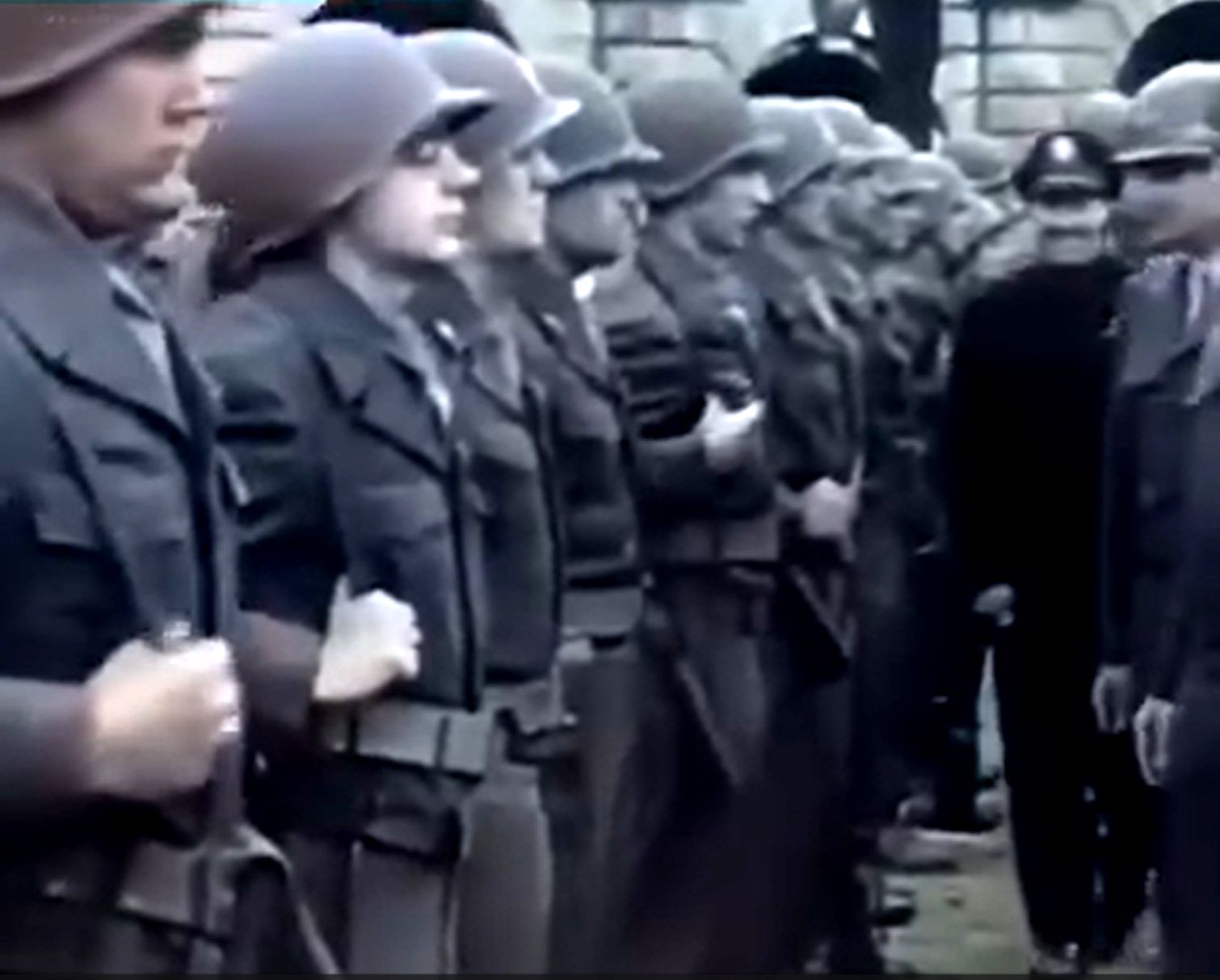 During the first five years of the American occupation of Okinawa, only seventy-six rape cases were reported. the real number was probably vastly higher because almost all cases went unreported. The simplest reason U.S. military records contain so few rape cases is that very few Okinawan women reported abuse, mainly because of fear, shame, and dishonor, much as German women had done. Mixed-race babies born after these assaults are living evidence of what happened. Historians and Okinawan elders interviewed for the material said that dozens of local women who had been raped gave birth to mixed-race children, but that many of the children were immediately killed or abandoned because of shame, disgust, trauma, or rejection by local husbands. More often, rape victims underwent rudimentary abortions with the help of village midwives, procedures that sometimes killed them. Just as American soldiers who raped German women sometimes left food afterward so the act could be portrayed as prostitution rather than rape, something similar happened in Japan. Japanese women begging for food during the Allied occupation were raped and sometimes left food, clothing, or hygiene products afterward, to ease their guilt. Pregnancies resulting from rape by American marines are the basis on which historian Miriam Gebhardt made projections to estimate the number of victims. An estimated five percent of “war children” born to unmarried women by the mid-1950s were the product of rape. This approximation yields 1,900 children fathered by Americans in Germany alone and, using an assumption of one birth for every one hundred rapes, at least 190,000 cases. Although that figure is already horrifying, it covers only sexual crimes in Germany. If a similar or even larger number of rapes occurred during the occupations of France and Japan, the total rises dramatically. Gebhardt, described here as the first scholar to put numerical estimates on these mass rapes, gives a figure of 860,000, but this number is as tentative as it is terrible. In any case, these figures are presented as only the tip of the iceberg. The true number, was surely far higher because, as already noted, many women and girls never spoke of what happened out of shame and a feeling that they themselves bore responsibility for having been raped, sometimes even coming to believe they deserved it because they belonged to the defeated side. The granddaughter of one victim describes this experience.  “Do you think there is usually a biased view of the atrocities committed by United States troops in different armed conflicts?” One final and terrifying factor must be considered when estimating the number of victims: women who took their own lives as a consequence of sexual assault. Judicial documents contain evidence of thirteen-year-old girls committing suicide after gang rape, either by hanging themselves from a beam in the house or by swallowing large quantities of vinegar essence, described as two commonly used methods at the time. More than seventy years after the end of the Second World War, people still do not speak openly about women and girls raped by Allied occupation troops. The United States’ neglect of this chapter is a stain not only on its military history but also on its national identity. Washington’s power, with Hollywood as an important instrument, has used the Second World War to cultivate patriotism at home and spread effective propaganda abroad. It is true that Japanese imperial troops became notorious for cruelty toward the women of their enemies, but Allied treatment of Japanese women during the Second World War was no less brutal. This is a taboo subject in the United States. American troops committed serious abuses particularly at two moments in the twentieth century’s largest war. Today we will discuss a history that some Allied sources supposedly tried to silence but that has continued to emerge through testimonies and studies. We want to share the atrocities committed by American troops during the Battle of Okinawa and the subsequent occupation of Japan. The material is sensitive, so make sure you are with someone while watching this video. “Welcome once again to Military History. Let us begin.” These images are from the Battle of Okinawa, fought with great bloodshed for eighty-two days from early April to mid-June 1945. The battle is remembered for the ferocity and brutality of the fighting. The intensity of the gunfire and the enormous number of Allied ships and armored vehicles assaulting the island produced one of the highest totals of military and civilian casualties in the Pacific campaign. According to official estimates, total deaths exceeded a quarter of a million. The operation’s main objective was to seize the large island of Okinawa, only about 550 kilometers from Japan, deal a psychological blow to the empire, and use the island as a base for air operations in preparation for an invasion of Japanese territory. Although the occupation of the island succeeded, crimes and atrocities committed by American troops during the operation remain controversial.  Otto H.’s thirteen-year-old niece was raped by fourteen Russian soldiers, his wife was dragged to a barn and raped, and her destroyed body was found there the next morning. Okinawa had a large indigenous civilian population uninvolved in the conflict, and it was devastated by the fighting. Although the calculation is not exact, nearly 150,000 innocent people are estimated to have died from artillery fire, air attacks, and executions by the Japanese Imperial Army. American servicemen later said it had been difficult during the battle to distinguish civilians from soldiers. An infantryman’s testimony is both illustrative and terrible: “They shot at us from their little houses, but we could not tell which ones were occupied by civilians and which by soldiers. It was terrible not being able to distinguish the enemy from women and children.” “At some point we stopped caring and began firing indiscriminately. We did not know whom we were aiming at; we just fired.” Despite the images and terrible testimonies, being shot by enemy weapons was not the worst thing that could happen to Okinawa’s civilian population. Rumors spread by Japanese imperial troops portrayed the Americans as savages who would subject the local population to terrible treatment. As an American victory became imminent, mass suicides began among local civilians. An article published in 2007 in the Ryukyu Jinpo, one of the island’s two major newspapers, reported that many Okinawans said the Japanese Army had directly forced them to commit suicide. Witnesses also said they were given grenades with which to kill themselves and attack Americans. Other civilians, immersed in Japanese propaganda, killed not only themselves but also their families to avoid the alleged outrages that American soldiers would inflict. Many tragically threw themselves with their families from high cliffs near what is now the Peace Museum. Although spreading terror among local people was a strategy of the Imperial Army intended to make civilians resist the invaders, some rumors were not mere propaganda. American war crimes have remained controversial because records are sparse. In this case, a group of historians calculated that American soldiers committed more than 10,000 rapes during the three months of the battle. “They are boys who fought thousands of kilometers, risking their lives. They had the right to have some fun with a woman.” Marine Corps officials in Okinawa and Washington have stated that they knew of no rapes committed by American soldiers on Okinawa and that Marine records contain no war crimes. However, rape during the campaign was another “dirty secret” suppressed from American military histories. Testimonies are few but disturbing because local women generally did not dare report what happened at the time. Few Okinawan women became pregnant as a result of the attacks, because stress and malnutrition meant many were not fertile. Those who did become pregnant often underwent abortions before husbands and fathers returned from the war so they would not be considered a disgrace to the family. Rudimentary methods caused some women to die, and the crime was then buried with them and with their mothers, who also sought to avoid the stigma of rape. One episode recorded by some historians briefly summarizes these terrible acts in a village on the peninsula. The game began again the next day. Although Americans have a strongly biased view of war crimes on Okinawa, Japanese forces themselves also committed brutalities against the population. The Imperial Army regarded islanders as racially inferior, as it also did Chinese and Koreans, placing racial supremacy in the Japanese homeland. Japanese forces executed Okinawans who refused to collaborate against the enemy. In Kanagawa, where an American landing on the Japanese home islands was expected, directives recommended the immediate evacuation of young women and girls. Moral and spiritual education of the nation. Sometimes warnings came not from authorities but from families themselves, leading into another testimony. Seven women on the hospital staff were assaulted. Some doctors and male patients who tried to protect the women were shot dead. The worst tragedy involved one raped woman who was holding a two-day-old baby; the infant was killed when it was violently thrown to the floor as troops attempted to assault the woman. A second incident was a planned raid on 11 April 1946. between thirty and sixty American soldiers cut the telephone lines to a residential block in Nagoya in order to isolate it. They then went from house to house and simultaneously raped girls and women between the ages of ten and fifty-five. Americans were not the only perpetrators of crimes that were dismissed or swept under the rug. Australian, British, and New Zealand troops in Japan, serving in the British Commonwealth Occupation Force (BCOF), also committed serious crimes. Official reports show members convicted of only fifty-seven rapes between May 1946 and December 1947 and another twenty-three between January 1948 and September 1951. Even if those official numbers are accepted, penalties imposed on guilty BCOF personnel were often not severe. Sentences against Australians were frequently reduced or overturned by courts in Australia, which sometimes treated such crimes as part of the heat of battle. Written testimonies from the period are introduced as illustrating something of the ordeal endured by Japanese women.  “Military History” A former prostitute recalled that as soon as Australian troops arrived in Kure in early 1946, they dragged young women into jeeps, took them into the mountains, and raped them. Local people heard women screaming for help almost every night. Such behavior was common in many communities, while reports of criminal activity by occupation forces were quickly minimized or ignored. Most complaint documents, were returned with the official notation “conviction overturned for lack of evidence,” and those cases were then closed permanently. Another harrowing testimony is attributed to Alan Clifton, an Australian officer who worked as an interpreter and criminal investigator during the occupation. He recalled bitterly: “I stood beside a bed in the hospital.” “On it lay an unconscious girl, her long black hair disordered across the pillow. A doctor and two nurses were trying to revive her, but without success. An hour earlier she had been raped by twenty officers.” “We found her where they had left her, on a vacant lot in Hiroshima. The girl was Japanese; the soldiers were Australian. The moaning and wailing had stopped and now she was silent.” “The tortured tension had disappeared from her face and the soft brown skin was smooth and unwrinkled, stained with tears like the face of a child who has cried itself to sleep.” These atrocities could remain hidden only through a systematic plan of concealment. Allied military leaders not only minimized these crimes or made them invisible; American occupation forces also imposed broad censorship on the Japanese media. Look at the photographs circulated at the time, suggesting a fraternity that did not exist. Some newspapers even described the RAA brothels as an excellent business. From 10 December 1945 until the end of the occupation in 1952, local media were forbidden to cover sensitive social issues and serious crimes committed by members of the occupation forces, with particular emphasis on not mentioning rape cases. Some Japanese media directly collaborated with the Allied occupiers, even publishing reports claiming that no crimes or sexual abuses were being committed. Over the years Japan slowly began confronting these wounds as Japanese magazines published first-person accounts of rape by American servicemen, acknowledging a sad and dark part of the country’s history. War crimes are always atrocious and should be judged impartially and punished to the full extent of the law. Yet convictions of American military personnel have often been few. We ask you: “Do you think there is usually a biased view of the atrocities that United States troops have committed in different armed conflicts?” Leave your opinions in the comments below. That is all for today’s video. “Thank you for staying with us to the end, and we hope to see you in future installments of Military History.” Source: Leonardo Historia / La Gazeta Federal. |