





|
|
|
Das Gesetz und die Faust" hieß der Film, den das Erste Deutsche Fernsehen 1969 an einem Samstagabend im Spätprogramm zeigte.
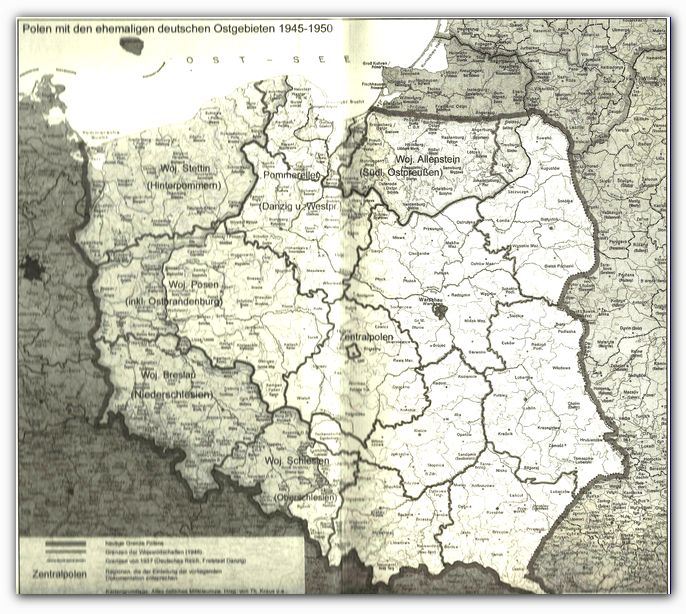
Ein klassischer Western im Stil von "High Noon". Einsamer Held im entlegenen Westen kämpft an der Seite friedlicher Siedler gegen die Übergriffe brutaler Banden für eine gerechte Ordnung. So weit, so bekannt. Das Besondere dabei: Dieser Wilde Westen lag nicht in Amerika, sondern in Polen. 1964 hatte Jerzy Hoffman den Streifen über die unmittelbare Nachkriegszeit in den "wiedergewonnenen Gebieten", wie die ehemals deutschen, nun polnischen Gebiete offiziell hießen, gedreht.
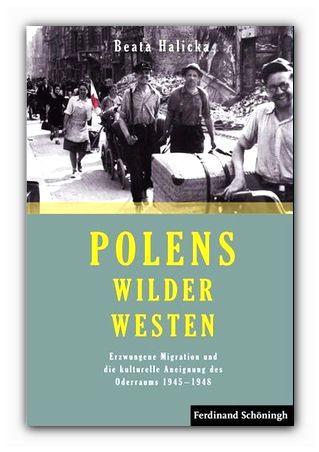
Dass der Film im deutschen Fernsehen lief, war in einer Zeit der Aufbrüche und im Vorfeld der Neuen Ostpolitik ein Bruch mit dem gewohnten Blick auf das Kriegsende und die unmittelbare Nachkriegszeit im Osten. Stand ansonsten das Leid der deutschen Vertriebenen im Vordergrund, so ging es hier um den Aufbau einer neuen Gesellschaft in einem von Deutschen verlassenen Land. Diese Perspektive ist für Deutsche eine ungewohnte geblieben. Die Historikerin Beata Halicka nimmt sie in ihrem Buch "Polens Wilder Westen" erneut ein und verschafft heutigen Lesern so Erkenntnisse in einem Bereich, der nach wie vor eher einseitig mit Blick auf die deutschen Vertriebenen wahrgenommen wird.
In Halickas Buch tauchen die deutschen Bewohner durchaus auf. Übergriffe, Härten von Flucht und Aussiedlung werden weder verschwiegen noch verharmlost. Aber es findet dabei eine Perspektiverweiterung statt. Etwa, wenn die Flucht der deutschen Bevölkerung vor der herannahenden Front aus der Sicht polnischer Zwangsarbeiter geschildert wird. Oder wenn polnische Neusiedler vom vorübergehenden Zusammenleben mit den Deutschen berichten. Halicka stützt sich auf einen umfangreichen Fundus polnischer, oft biografischer Dokumente, die über die ersten drei Nachkriegsjahre detailliert Auskunft geben.
In einer "Geschichte von unten" entfaltet sich so die Konstruktion einer neuen polnischen Gesellschaft. Die Autorin lässt dabei keinen Zweifel, dass die Dekonstruktion der vormalig deutschen Gesellschaft bereits 1933 begann, mit dem Krieg forciert wurde und mit der von den Alliierten beschlossenen Aussiedlung - anders als einmal geplant - vollendet wurde. Polen sah sich nun gezwungen, innerhalb kürzester Zeit die ehemals deutschen Ostgebiete zu polonisieren. Es reagierte damit gleichzeitig auf die Vertreibung der Polen aus den nun sowjetisch gewordenen polnischen Ostgebieten.
Zusammen mit den ostpolnischen Vertriebenen mussten die bereits ansässigen polnischen "Autochthonen" und die große Zahl von "Pionieren" aus Zentralpolen eine neue Gesellschaft schaffen. Ein soziologisches Experiment vor dem Hintergrund politischer Grabenkämpfe.
Mit der Sowjetmacht im Rücken setzte sich die Dominanz und schließlich das Monopol der Kommunistischen Partei schnell und ziemlich gewaltsam durch. Schienen die neuen Westgebiete anfangs ein geeigneter Ort zum Untertauchen, verfolgte der Geheimdienst politisch Missliebige hier bald besonders gnadenlos. Der Aufbruch zu einer neuen Gesellschaft und die materielle wie kulturelle Aneignung des Raums war für die polnischen Neusiedler außerordentlich schwierig und mit vielen Enttäuschungen verbunden.
Er besaß jedoch in Polen auch eine starke Dynamik und eine Anziehungskraft, wie sie nur der Wilde Westen hat und wie man sie nun in einem Buch nachvollziehen kann, das die historische Wahrnehmung wesentlich zu erweitern hilft.
 |
 |
|
||||||

 German
“Poland’s Wild West: Forced Migration and the Cultural Appropriation of the Oder Region, 1945–1948”
CONTEMPORARY HISTORY — A sociological experiment against the background of political trench warfare: historian Beata Halicka and her book “Poland’s Wild West” on the post-war period
The Law and the Fist was the title of a film shown by West German television late on a Saturday evening in 1969. It was a classic western in the style of High Noon: a lone hero in the remote West fights alongside peaceful settlers against violent gangs in the name of a just order. So far, so familiar. The unusual point was that this Wild West was not in America but in Poland. Jerzy Hoffman had made the film in 1964 about the immediate post-war period in the “Recovered Territories,” as the formerly German and now Polish areas were officially called.
Showing such a film on German television, at a time of political change and on the eve of the new Ostpolitik, broke with the customary German view of the end of the war and the immediate post-war period in the East. Instead of placing the suffering of German expellees at the center, the film focused on building a new society in a land left behind by Germans. This perspective has remained unfamiliar to many Germans. Historian Beata Halicka adopts it again in Poland’s Wild West, giving present-day readers insight into a field still often viewed one-sidedly through the history of German expellees.
German inhabitants are certainly present in Halicka’s book. Assaults and the hardships of flight and expulsion are neither concealed nor played down. But the perspective is broadened: for example, the flight of the German population before the advancing front is described from the point of view of Polish forced laborers, while Polish new settlers recount periods of temporary coexistence with Germans. Halicka draws on an extensive body of Polish sources, many of them biographical, that provide detailed information on the first three post-war years.
In this “history from below,” the construction of a new Polish society unfolds. The author leaves no doubt that the dismantling of the former German society had begun as early as 1933, was accelerated by the war, and was completed by the Allied decision to resettle the population — although this had not originally been planned in that form. Poland now had to Polonize the former German eastern territories within a very short time, while at the same time absorbing Poles expelled from Poland’s former eastern territories, which had become part of the Soviet Union.
Together with the expellees from eastern Poland, the already resident Polish “autochthons” and the large number of “pioneers” from central Poland had to create a new society — a sociological experiment conducted against the background of bitter political conflict.
With Soviet power behind it, the Communist Party rapidly and often violently established first its dominance and then its monopoly. The new western territories initially appeared to offer a suitable place in which to disappear, but the secret police soon pursued political opponents there with particular ruthlessness. For the Polish new settlers, both the material and cultural appropriation of this space and the attempt to build a new society were extraordinarily difficult and accompanied by many disappointments.
Yet the undertaking also developed a powerful dynamism and attraction in Poland — the kind associated with a Wild West. Halicka’s book makes that experience comprehensible and substantially broadens the historical perspective.
Publisher’s description
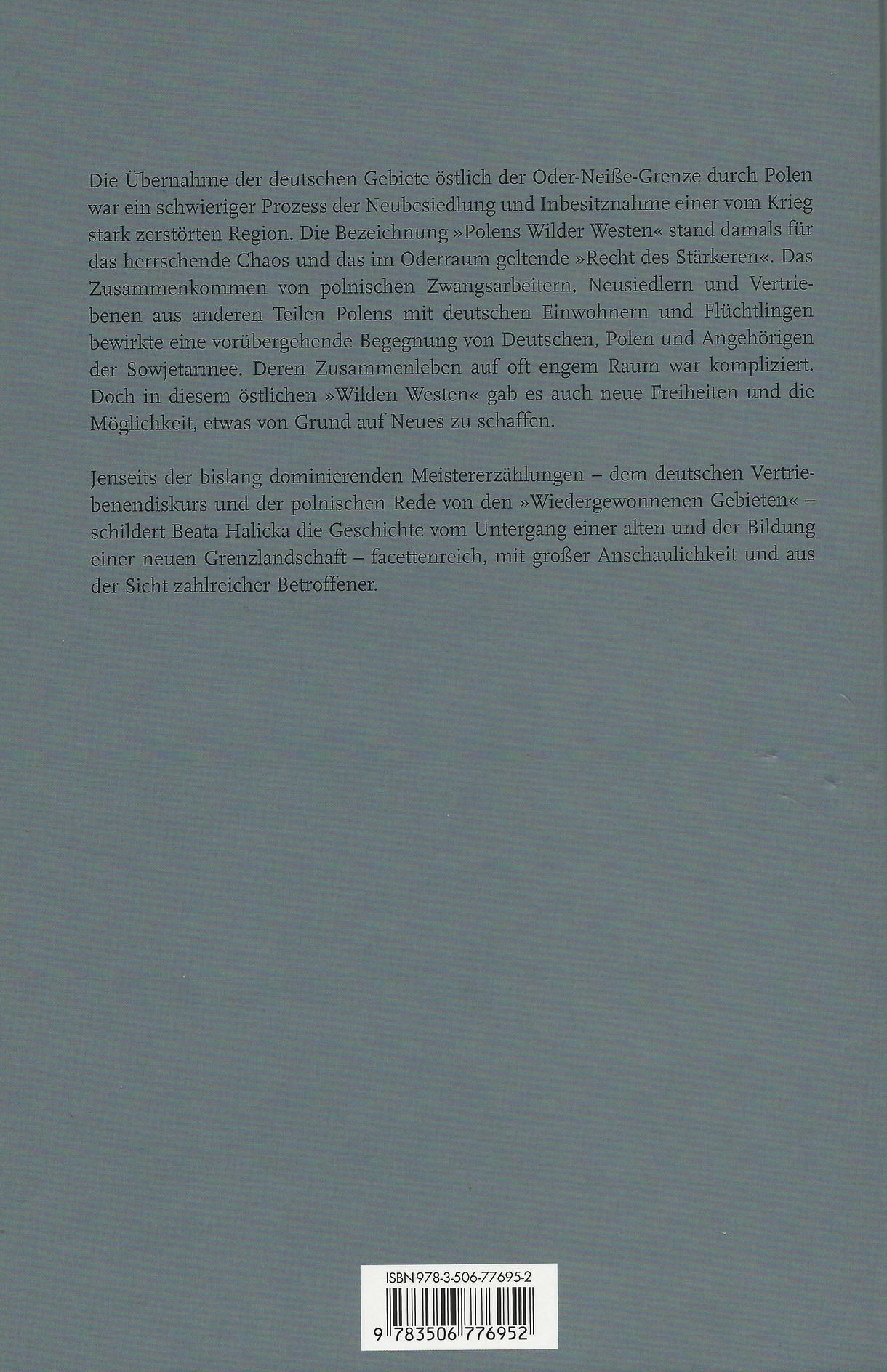
Poland’s takeover of the German territories east of the Oder–Neisse line was a difficult process of resettling and taking possession of a region badly damaged by war. At the time, the expression “Poland’s Wild West” referred to the prevailing chaos and the “law of the strongest” in the Oder region. Polish forced laborers, new settlers and expellees from other parts of Poland encountered German inhabitants and refugees as well as members of the Soviet Army. Their temporary coexistence, often in very cramped conditions, was complicated. Yet this eastern “Wild West” also offered new freedoms and the possibility of building something entirely new from the ground up.
Going beyond the dominant master narratives — the German discourse of expulsion and the Polish discourse of the “Recovered Territories” — Beata Halicka gives a vivid, many-sided account of the disappearance of an old borderland and the creation of a new one, viewed through the experiences of numerous people involved.
Beata Halicka, historian, Germanist and cultural scholar, is an academic researcher in the Chair of East European History at the European University Viadrina in Frankfurt (Oder). Her research focuses on forced migrations in the twentieth century, nationalism in Europe, German–Polish relations, European border regions, and the culture and politics of memory.
Editions:
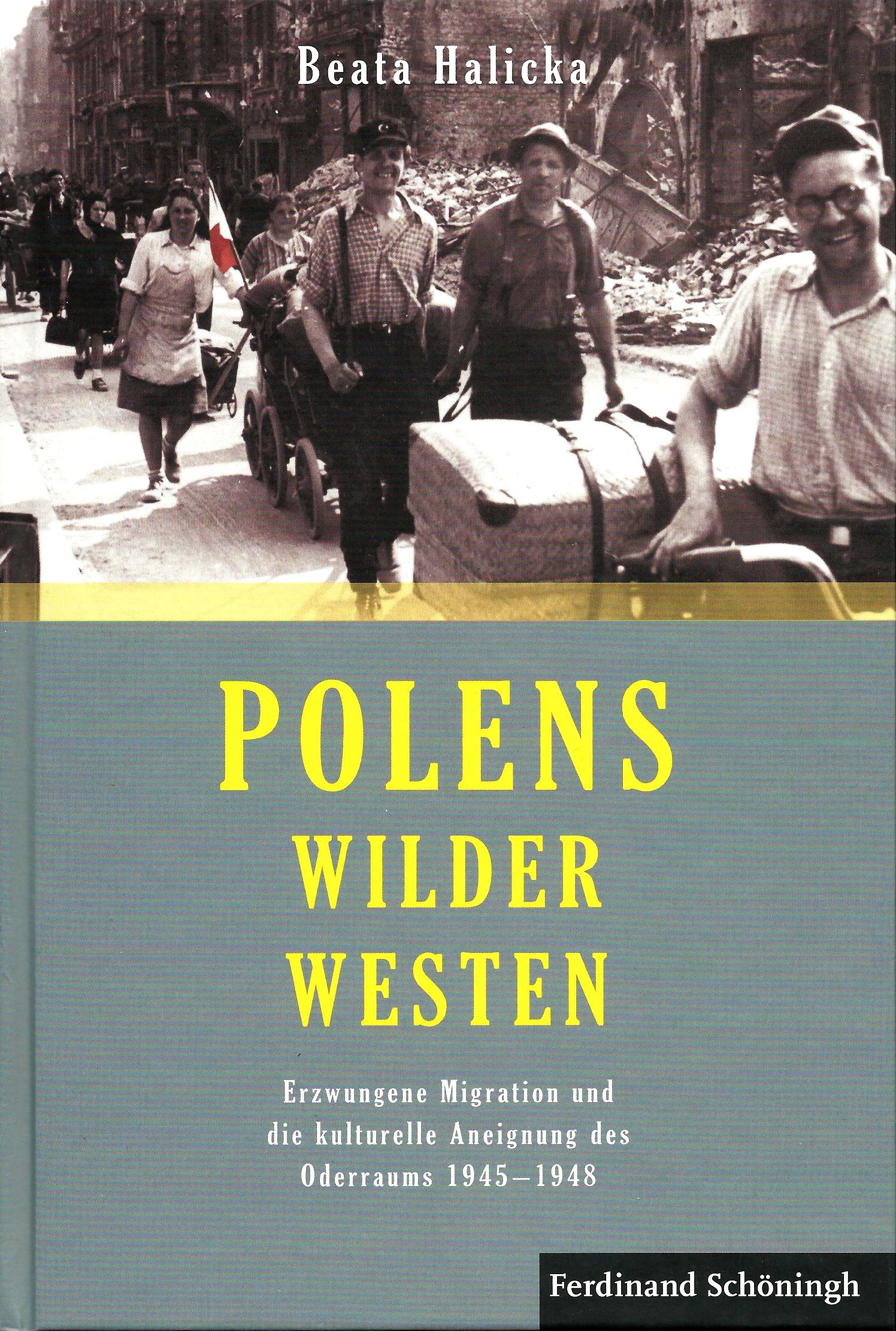
German: Beata Halicka, Polens Wilder Westen. Erzwungene Migration und die kulturelle Aneignung des Oderraumes 1945–48, Ferdinand Schöningh, Paderborn, 2013.
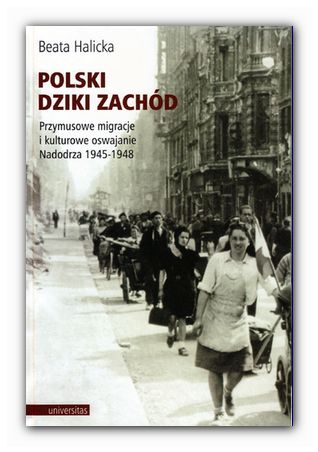
Polish: Beata Halicka, Polski Dziki Zachód. Przymusowe migracje i kulturowe oswajanie Nadodrza 1945–48, TAWPN Universitas, Kraków, 2015.
English: Beata Halicka, The Polish Wild West. Forced Migration and Cultural Appropriation in the Polish-German Borderlands, 1945–1948, Routledge, London and New York, 2020.