


 |
 |
Hồng quân Liên Xô, nỗi kinh hoàng của phụ nữ Berlin năm 1945 |
||
| Nhân vật và Sự kiện 01 Tháng mười 2023 | ||
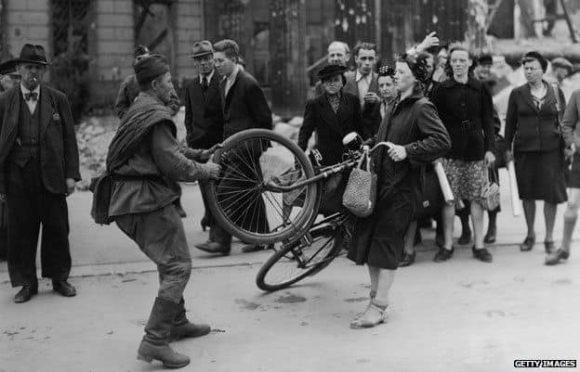
| Vào cuối Thế chiến thứ hai, đúng vào những ngày Châu Âu thoát khỏi ách phát-xít và quốc xã, đã diễn ra những cuộc cưỡng hiếp hàng loạt lớn nhất của lịch sử thời hiện đại. | ||
 |
||
|
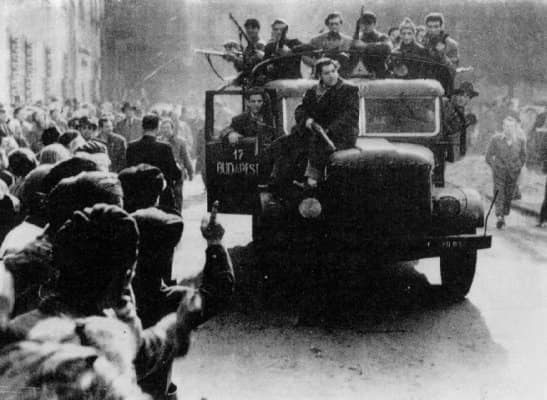
Phụ nữ Berlin kinh hoàng trước những đơn vị Hồng quân tràn vào nước Đức và các cuộc cưỡng hiếp vô tội vạ của lính Stalin Phụ nữ Đức không có đường trốn chạy. Nhiều phụ nữ chỉ có thể tránh được những cuộc hãm hiếp tập thể bằng cách tìm kiếm một sĩ quan cấp cao nào đó để làm nhân tình của họ, theo tư liệu đăng tải trên mạng tin lịch sử mult-kor.hu của Hungary. Theo những con số thống kê chính thức, có chừng 80 ngàn quân nhân Liên Xô đã hy sinh tại Berlin, và hơn 200 ngàn người bị thương.LX đã cho xây dụng tượng đài tại đông Đúc để biểu dương Quân đội LX , Trên tượng đài LX xây dựng mang tính chất như một thánh đường này có một dòng chữ theo đó: Nhân dân Xô-viết đã cứu nền văn minh Châu Âu khỏi thảm họa phát-xít. Tuy nhiên, có nhiều người đã gọi tượng đài ấy bằng cái tên Ngôi mộ của Những kẻ bạo hành Vô danh, ám chỉ rằng lính Xô-viết đã bạo hành tình dục với vô số phụ nữ Berlin, Họ là thân nhân của chính quyền Đức quốc xã, những người đã chiến đấu trên đường phố thủ đô, hoặc thực hiện những công việc khác trong trận chiến Berlin và cả là dân thường . |
||
 |
||
|
Nhiều người Nga bác bỏ những tội ác như vậy của Hồng quân, cho rằng đó là huyền thoại do Phương Tây dựng nên để hạ bệ LX, nhưng bằng chứng là quá rõ ràng ! Đọc hai nhật ký viết trong thời gian từ mùa xuân đến mùa thu năm 1945, chúng ta có thể hiểu hơn những gì đã diễn ra trong những tháng kinh hoàng ấy. Cuốn thứ nhất là của đại úy Vladimir Gelfand, một người gốc Do Thái sinh sống ở mền Trung Ukraine - nhật ký được con trai ông, Vitaly tìm thấy trên tầng áp mái ngôi nhà nơi gia đình họ ở. “Cha tôi đã thấy nhiều cảnh tượng khủng khiếp trên đường tới Berlin”, Vitaly kể. “Ông đã hành quân qua rất nhiều làng bản mà cư dân tại đó hầu như bị bọn phát-xít tiêu diệt hoàn toàn, trẻ em chúng cũng không từ, còn phụ nữ thì trên cơ thể còn những dấu vết của sự cưỡng hiếp”. Tuy nhiên, Vitaly cũng nói thêm: Hồng quân cũng không “kém cựa”, Và cũng tàn bạo không khác gì phát xít, đặc biệt sự căm thù mù quáng của lính Hồng quân được khởi dậy bởi bộ máy tuyên truyền của Stalin thông qua báo chí: “Các đồng chí! Chúng ta đã ở trên đất Đức, trong hang hùm của bọn phát-xít! Giờ báo thù đã điểm chúng ta phải hành hạ người thân của bọn phát xít !”.
|
||
|
Một trong những đoạn khiếp đảm nhất của cuốn nhật ký của trung úy Gelfand là khi đơn vị ông đi ngang qua một nhóm phụ nữ Đức tại ngoại ô Berlin. “Với nỗi sợ hãi trên gương mặt, họ kể cho chúng tôi nghe, điều gì đã xảy ra trong đêm đầu tiên khi Hồng quân đến. Một cô gái chỉ vào dưới váy và nói: “Hơn hai mươi người đấy!”. Rồi cô òa khóc!”. Sau đó, một tình huống bất ngờ diễn ra. “Cô khẩn cầu tôi: “Anh ở lại đây với em! Ngủ với em, hay muốn làm gì em cũng được. Nhưng chỉ anh thôi!”. Hóa ra, cô gái bị làm nhục muốn bằng cách cay đắng ấy để tránh việc một lần nữa bị cưỡng bức tập thể. Cuốn nhật ký thứ hai của một ký giả Đức không rõ tên, khi đó chừng hơn ba mươi tuổi - với tựa đề “Phụ nữ ở Berlin”, những trang viết này sau trở thành “best-seller”. Được khởi viết mười ngày trước khi Hitler tự sát, nhật ký kể về câu chuyện một phụ nữ cùng những người hàng xóm phải ẩn náu dưới tầng hầm một tòa nhà. Trong cảnh khốn cùng ấy, người phụ nữ cùng các bạn đồng cảnh đã nghĩ ra một câu nói tự trào từ chính cảnh ngộ cay đắng của họ: “Một thằng Nga ở trên, còn hơn một thằng Mẽo trên mây”. Nghĩa là thà để lính Nga hãm hiếp tập thể còn hơn cháy thành than trong một trân không kích của quân đội Mỹ. Khi Hồng quân tràn đến trước cánh cửa tầng hầm, bằng chút tiếng Nga biết được, người phụ nữ nọ đã tìm cách khuyên giải những người lính đừng hãm hiếp phụ nữ dưới hầm. Tuy nhiên, chỉ sau đó một thoáng, chị đã trở thành nạn nhân của tệ bạo hành tình dục. Năm 1959, cuốn nhật ký được ấn hành lần đầu. Theo những chia sẻ trong đó, rốt cục, người phụ nữ rút ra rằng cần phải kiếm được một “con sói” cho riêng mình, nghĩa là một sĩ quan cấp cao để tránh bị hãm hiếp tập thể. Rồi chị cũng kiếm được một đại úy người Leningrad, và hai người còn trò chuyện được với nhau về văn học và ý nghĩa cuộc sống. “Bị hãm hiếp cũng không phải là cái quan trọng nhất. Tôi còn phải làm thế để có được thịt mỡ hun khói, bơ, đường và thịt hộp” - người phụ nữ thổ lộ trong nhật ký. Sau năm 1945, tại Đông Đức việc phê phán những anh hùng Xô-viết đã “giải phóng” đất nước này là một việc làm bất kính. Còn tại miền Tây, sự hổ thẹn và cảm giác tội lỗi trước những tội ác của Đức quốc xã đã khiến người dân và chính giới bỏ qua, không nhắc tới những đau khổ mà phụ nữ Đức phải chịu đựng thời 1945. Năm 2008, nhật ký “Phụ nữ tại Berlin” được dựng thành phim, và trở thành động lực để ngày càng có nhiều phụ nữ còn sống chia sẻ trước công luận những khổ ải mà họ phải chịu đựng trong thời gian cuối của cuộc Thế chiến, cũng như những ngày tháng sau đó. Dầu vậy, rất có thể chúng ta sẽ không bao giờ biết được hết những tội ác đáng hổ thẹn đó, một phần cũng vì Duma Quốc gia (Hạ viện Nga) đã thông qua một đạo luật cho phép bỏ tù với khung hình phạt 5 năm đối với bất cứ ai “nói xấu” nước Nga, hoặc “bôi nhọ” vai trò của Liên Xô thời Đệ nhị Thế chiến. Theo mult-kor.hu |
© Tạp chí
Nước Đức
© Tin Tức Việt Đức
 Vietnamese
“My father saw many terrible scenes on the way to Berlin,” Vitaly said. “He passed through many villages whose inhabitants had been almost completely exterminated by the Nazis; children were not spared, and women’s bodies bore signs of rape.”
“Comrades! We are on German soil, in the tiger’s lair of the fascists! The hour of revenge has come — we must torture the relatives of the fascists!”
“A Russian upstairs is better than an American in the clouds”
(meaning that being gang-raped by Russian soldiers was preferable to being killed in an American air raid).
“Being raped is not the most important thing. I am going to get smoked meat, butter, sugar, and canned food,” the woman admits in the diary.
