


Книжный дайджест «Уроков истории»: советский антисемитизм29
июня 2017
 В очередном обзоре литературы из библиотеки Мемориала «Уроки истории» обращаются к теме советского антисемитизма. О пяти книгах, освещающих историю государственной и низовой дискриминации евреев в СССР, рассказывают наши постоянные авторы Сергей Бондаренко и Иван Шеманов.
Государственный антисемитизм
в СССР от начала до кульминации. 1938-1953.
Сборник документов. М., 2005. Сборник охватывает 15 лет развития государственного советского антисемитизма – от первого мощного всплеска, связанного, в частности, с масштабными чистками времен Большого террора и появлением «новой генерации молодых управленцев», вплоть до «дела врачей» и его приостановки вскоре после смерти Сталина. Логические фрагменты, выделяющиеся внутри этих периодов: годы до войны, военный период, «борьба с космополитизмом» и крупная антисемитская кампания начала 50-х – все, так или иначе, связаны с разными способами их внутренней мотивировки. То, что в 30-е годы казалось всплеском бытового антисемитизма, в более позднее время – проявлением личных антипатий Сталина (или высшего руководства), к середине-второй половине 40-х переросло уже в нечто большее – как объясняли это герои Гроссмана в «Жизни и судьбе» – не может ли это быть каким-то заболеванием, которое передалось Советскому Союзу от нацистской Германии? Наконец, рубеж 50-х годов окончательно определил ситуацию – «великорусский шовинизм» конца 30-х, в сочетании с Холодной войной, борьбой с космополитизмом и большими чистками в академической и культурной среде превратил евреев в идеального внутреннего врага. Документы в сборнике разбиты не только по хронологическому, но и по смысловому признаку – внутри прослеживаются несколько сюжетных линий, связанных с «письмами из низов», требующих от власти «обратить внимание на еврейскую проблему» – во всех возможных вариациях. «Доклады с мест» начинаются с письма Надежды Крупской на имя Сталина, о том, что в школах «начинает показывать немного рожки великодержавный шовинизм» (1938 г.). В конце 40-х письма «на бытовой почве» приобретают больший размах: «18 сентября композитор Мокроусов, основательно выпивши, зашел в бильярдную со словами „когда только не будет у нас жидов и Россия будет принадлежать русским", он подошел к композитору Кручинину, взял его за воротник, встряхнул и сказал: „Скажи, ты жид или русский?". Кручинин ответил: „Был и останусь жидом" (хотя в действительности он является русским)». (1944 г.). Вместе с тем, сверху-вниз, на письма заочно отвечают документы партийных собраний и советов по делам религиозных культов – «Борьба с миньянами ведется по указанию Совета уже ряд лет путем обложения подоходным налогом как лиц, сдающих свои квартиры под миньяны, так и административными мерами» (1949). Заканчивается сборник несколькими оптимистическими анонимными письмами на имя руководства страны, не после марта 1953-го, когда кампания была временно приостановлена, а еще из 40-х, когда движение шло полным ходом:
Сергей Бондаренко
Книга издательства «Алия» – трехчастный сборник из материалов семинара по изучению советского антисемитизма, социального очерка публициста Михаила Байтальского «Новое в антисемитизме», а также специальной тематической подборки публикаций на эту тему в советской прессе конца 70-х годов. Ситуация позднего застоя в этом отношении не похожа ни на одну другую в советской истории. С одной стороны, негласно действующие правила насчет «пятого пункта» проникли практически во все формы общественной жизни (преследованиям евреев в научных институтах, на работе, при получении общественных должностей посвящены многие из опубликованных докладов). С другой, Советский Союз активно критикует государство Израиль за его внешнюю политику в регионе, представляя сионизм в виде новой формы фашизма. В этих декорациях в СССР развивается движение «отказников» – людей, добивающихся своего права уехать в Израиль, отказавшись от советского гражданства. Вместе с тем, официальные и неофициальные репрессии в отношении этой группы населения остаются «скрытыми» – и в этом их принципиальное отличие, например, от политики конца XIX-начала XX-го века – черты оседлости и регулярных погромов. В семинарских докладах много говорится о негласных договоренностях между начальниками и подчиненными, повседневным дискриминационным практикам:
Отдельный интерес третьей части книги – заботливо подобранная хрестоматия из самых впечатляющих статей в советских газетах, пишущих разумеется, не об официально несуществующем советском антисемитизме, а о «мировом сионизме»: «Сионисты хотят добиться от советских людей „мирными средствами" того, чего их империалистическим покровителям до сих пор не удалось достигнуть с помощью оружия» (с. 415) – то есть, например, соблюдения некоторых гражданских свобод – вроде права на выезд из страны. Завершают эту коллекцию выдержки из националистического самиздата, с тезисами о «космополитическом православном предбаннике сионизма» (угадайте что это), представляющим, как видится, особенную ценность для данного издания. Сергей Бондаренко
Кандель
Ф. С. Книга времён и событий, Т. 6, 2007 Жизнь Феликса Канделя, автора многотомной истории евреев России, сама по себе похожа на эту историю. Он был успешным совестким писателем, вместе с Котеночкиным и Хайтом придумал русский народный мультик «Ну погоди!» (под псевдонимом Ф. Камов), и вдруг посреди всего этого успеха подал документы на выезд в Израиль. Ему, конечно, отказали. Но четыре долгих года хождения в отказниках без работы дали свои плоды – его выпустили на историческую родину. Там он ведет программу на радио «Голос Израиля», как раз посвященную истории российского еврейства. Именно эта передача и ложится в основу «Книги времен и событий», шестой том которой посвящается послевоенной истории советского еврейства. Стиль очерков Канделя чрезвычайно своеобразен, никакой сюжетной или хронологической канвы в его книгах не присутствует. Автор работает с темой, которая и определяет композицию, построенную по типу музыкальных вариаций. Книга вся как бы состоит из разношерстных реплик участников событий, лишь немного сдобренных историческим, немного патетическим отзывами самого Канделя. При этом стоит оговориться, что это очерки по истории того еврейства, которое сохранило и приумножило собственную идентичность в итоге войны и Холокоста вопреки послевоенному антисемитизму. История людей, многие из которых приняли решение покинуть СССР, именно потому, что стало понятно, что в СССР им не рады и никогда не будут рады. И сквозь совсем «крамольные» голоса: «лучше бы меня убил Гитлер» – слышен и отзвук легендарного «мы все еще живы» особо интересного гипотетическому этнографу тоталитаризма:
Иван Шеманов
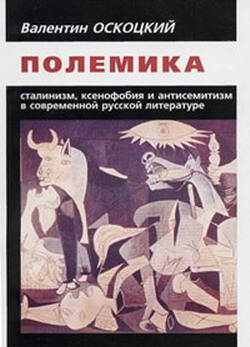
Материалом для «Полемики…» является целая серия публицистических и «исторических» книг и статей, выходивших в России на протяжении 90-х – начала 2000-х годов на близкие по смыслу «великодержавные» темы. Центральная тема и для анализа Валентина Оскоцкого – связь между распадом СССР, ростом интереса к альтернативной истории и нью-эйджем. Новое переосмысление сталинизма становится в книге в один ряд со старой антисемитской версией террора «это все евреи-комиссары», а «новое прочтение» обретают такие вроде бы досконально разобранные исторические события как дело Бейлиса и расстрел в Катынском лесу. Слово «литература» в подзаголовке оправдано лишь отчасти – в основном речь идет о специфическом потоке сознания, адресованном к заведомо сочувствующей публике, способной проглотить сочинения, скажем, Юрия Жукова («Генералиссимус» и прочие шедевры сталинской агиографии). По истории собственно советской литературы, «Полемика…» представляет собой прекрасный источник собранных в одном месте ксенофобских текстов, состоящих из проклятий в адрес «всех этих эренбургов, кушнеров и войновичей» и попыток защитить от них подлинно-русские темы, вроде военной: «Очевидно, что „Василий Теркин" Александра Твардовского – это именно попытка „приватизировать" Великую Отечественную войну, подменив ее главного героя, русского солдата-труженика, балагуром-евреем» (с. 121). При всем разнообразии тем и идей-фикс у разных авторов, тему своей книги Оскоцкий определяет очень точно, замечая уже в 2005-м году то, что станет общим местом в 2017-м – «рецидив реанимируемого сталинизма». Сергей Бондаренко
В. Н. Гельфанд.
Дневник 1941-1946, 2016 Общеизвестно, что любой дневник точнее любых мемуаров просто по причине отсутствия временной дистанции. С другой, дневники часто пишутся с расчетом на то, что их когда-нибудь прочтут другие люди, а, значит, в этом смысле дневник от мемуаров не отличается и также стремится к тому, чтобы сглаживать острые углы повествования. По совершенно непонятной причине дневник Владимира Гельфанда советского военнослужащего, недавно изданный «Росспен», совершенно не таков. Дневник обладает всеми преимуществами документального повествования с отсутствующей временной дистанцией и при этом, кажется, человек, который пишет дневник, отнюдь не считает, что кто-то будет его читать. Главным «индикатором честности» тут выступает описание сексуальных переживаний автора, его неуверенность в собственной мужественности, его эксперименты в отношениях с противоположным полом, зачастую на правах «оккупанта». Описания тут по подробностям близки к порнографии. Собственно основных темы у Гельфанда три – это война, женщины и антисемитизм. Автор болезненно воспринимал свое еврейство – это обычный советский гражданин, который попросту не понимал, в чем собственно главная каверза национального вопроса. Антисемитизм окружал Гельфанда повсеместно и настолько, что он считал необходимым притворяться неевреем, чтобы не усугублять собственного положения. В общем-то, книгу можно посоветовать любому интересующемуся повседневностью второй мировой войны без прикрас, но кроме того это удивительный источник о жизни и сомнениях молодого мужчины, оказавшегося в ситуации вычурно важного выбора, который отчаянно хочет быть «нормальным».
Иван Шеманов
|
© 2009-2017. Международный Мемориал: Проект «Уроки истории. XX век»
 Russian
June 29, 2017
In its latest review of books from the Memorial library, History Lessons turns to Soviet antisemitism. Regular contributors Sergei Bondarenko and Ivan Shemanov discuss five books about the history of state-sponsored and everyday discrimination against Jews in the USSR.
The collection covers fifteen years in the development of Soviet state antisemitism, from its first major surge—connected, among other things, with the large-scale purges of the Great Terror and the rise of a “new generation of young administrators”—through the Doctors’ Plot and the campaign’s suspension shortly after Stalin’s death.
The period can be divided into several stages: the prewar years, wartime, the “struggle against cosmopolitanism,” and the large antisemitic campaign of the early 1950s. Each had its own internal logic. What in the 1930s could be interpreted as a surge of everyday antisemitism, and later as an expression of Stalin’s personal prejudices or those of the top leadership, had by the mid-to-late 1940s grown into something larger. As characters in Grossman’s Life and Fate ask, could this have become a kind of disease transmitted to the Soviet Union from Nazi Germany?
By the turn of the 1950s, the situation had become clear. Great-Russian chauvinism of the late 1930s, combined with the Cold War, the campaign against cosmopolitanism, and sweeping purges in academic and cultural institutions, made Jews an ideal “internal enemy.”
The documents are organized not only chronologically but thematically. Several recurring threads can be followed, including “letters from below” demanding that the authorities “pay attention to the Jewish problem” in one form or another. Reports from the provinces begin with Nadezhda Krupskaya’s 1938 letter to Stalin warning that in schools “great-power chauvinism is beginning to show its little horns.”
By the late 1940s, letters prompted by everyday incidents had become more numerous. One 1944 document reports: “On September 18, composer Mokrousov, having drunk heavily, entered a billiard room saying, ‘When will there finally be no Yids among us and Russia belong to Russians?’ He approached composer Kruchinin, grabbed him by the collar, shook him and said: ‘Tell me, are you a Yid or a Russian?’ Kruchinin replied: ‘I was and will remain a Yid’—although in fact he was Russian.”
From the top down, such letters are answered indirectly by party-meeting records and documents of councils for religious affairs. A 1949 record states: “The struggle against minyans has been conducted on the Council’s instructions for a number of years by imposing income tax on people who provide their apartments for minyans, as well as by administrative measures.”
The collection ends with several anonymous, unexpectedly hopeful letters to the country’s leadership—not from after March 1953, when the campaign was temporarily halted, but from the late 1940s while it was still in full force. One anonymous writer in 1949 pleaded: “I am suffocating. Let us breathe freely with a freedom equal for all nationalities, without criminally arrogant privileges for Russians—this new mask of genuine Nazism.”
Sergei Bondarenko
This book from the Aliyah publishing house is a three-part collection consisting of papers from a seminar on Soviet antisemitism, journalist Mikhail Baitalsky’s social essay “What Is New in Antisemitism,” and a thematic selection of late-1970s Soviet press publications.
The atmosphere of the late Brezhnev era was unlike any other period in Soviet history. On the one hand, unwritten rules connected with the notorious “fifth line” for nationality had penetrated almost every part of public life. Many of the published reports describe discrimination against Jews in research institutes, at workplaces and in appointments to public positions. On the other hand, the Soviet Union actively attacked the State of Israel for its regional foreign policy, depicting Zionism as a new form of fascism.
Within this setting, the movement of “refuseniks” developed—people who sought the right to leave for Israel and renounce Soviet citizenship.
Official and unofficial repression against this group remained concealed, which fundamentally distinguished it from late-nineteenth- and early-twentieth-century policies such as the Pale of Settlement and recurring pogroms. Seminar papers describe tacit arrangements between superiors and subordinates and the everyday mechanics of discrimination. One participant recalled of a manager: “He had a mystical fear of Jews, so he kept ten Jewish fools around. Every time he looked at them he reassured himself that there was nothing to fear and life could go on.”
The third part of the book is particularly interesting: a carefully assembled reader of some of the most striking Soviet newspaper articles, naturally not about officially nonexistent Soviet antisemitism but about “world Zionism.” One article declares: “The Zionists want to obtain from Soviet people by ‘peaceful means’ what their imperialist patrons have so far failed to obtain by weapons”—meaning, for example, basic civil freedoms such as the right to leave the country. The collection closes with passages from nationalist samizdat denouncing a “cosmopolitan Orthodox antechamber of Zionism.”
Sergei Bondarenko
The life of Felix Kandel, author of a multivolume history of Russian Jewry, resembles the history he describes. He had been a successful Soviet writer and, together with Vyacheslav Kotenochkin and Arkady Khait, helped create the popular animated series Well, Just You Wait! under the pen name F. Kamov. In the middle of that success, he applied to emigrate to Israel. His request was, of course, refused.
Four long years as an unemployed refusenik eventually produced a result: he was permitted to leave for Israel. There he hosted a program on the Voice of Israel devoted to the history of Russian Jewry. That program became the basis of The Book of Times and Events; its sixth volume deals with the postwar history of Soviet Jews.
Kandel’s essays have a highly distinctive style. His books have neither a conventional plot nor a strict chronology. Instead, each subject determines the structure, which develops almost like musical variations. The book consists largely of a heterogeneous chorus of participants’ voices, lightly framed by Kandel’s own historical, sometimes somewhat elevated commentary.
It is important to note that these are essays on the history of those Jews who preserved and strengthened their identity after the war and the Holocaust despite postwar antisemitism. It is the history of people, many of whom decided to leave the USSR because it had become clear that they were not welcome there and never would be.
Alongside bitter statements such as “it would have been better if Hitler had killed me,” one also hears the legendary refrain “we are still alive,” which would be especially interesting to an imaginary ethnographer of totalitarianism. Kandel recounts, for example: “When the day came, the rabbi said that he had waited many years for such a circumcision... Women were not discharged from the maternity hospital before the ninth day... and for a quarter of a century the rabbi had not performed a single circumcision on the eighth day, as the Torah commands.”
Ivan Shemanov
The material for Polemics is a whole series of journalistic and supposedly “historical” books and articles published in Russia during the 1990s and early 2000s on related great-power nationalist themes.
A central subject of Oskotsky’s analysis is the connection between the collapse of the USSR, growing fascination with alternative history and New Age thinking. In the book, a new reassessment of Stalinism sits alongside the old antisemitic explanation of terror—“it was all the Jewish commissars”—while thoroughly studied historical events such as the Beilis affair and the Katyn massacre are subjected to “new readings.”
The word “literature” in the subtitle is only partly justified. Most of the material is a peculiar stream of consciousness addressed to an audience already inclined to agree and prepared to accept books by, for example, Yuri Zhukov, including Generalissimo and other works of Stalinist hagiography.
For the history of Soviet and post-Soviet literary debate, however, Polemics is an excellent collection of xenophobic texts gathered in one place: denunciations of “all those Ehrenburgs, Kushners and Voinoviches” and attempts to defend supposedly authentically Russian subjects from them. One example concerning the war declares that Tvardovsky’s Vasily Tyorkin was allegedly an attempt to “privatize” the Great Patriotic War by replacing its true hero, the hardworking Russian soldier, with a “Jewish joker.”
Despite the diversity of the obsessions represented in the book, Oskotsky defined his central subject very precisely in 2005, identifying what by 2017 had become commonplace: “a relapse of revived Stalinism.”
Sergei Bondarenko
It is generally accepted that a diary can be more precise than memoirs because it lacks the distance of many intervening years. At the same time, diaries are often written with an awareness that other people may eventually read them, and in that sense they can resemble memoirs: the writer may smooth sharp edges.
For reasons that are not entirely clear, the recently published ROSSPEN edition of Soviet serviceman Vladimir Gelfand’s diary is very different. It has all the advantages of a documentary narrative written without temporal distance, yet the author often seems not to imagine that anyone else will ever read what he writes.
The strongest “indicator of honesty” is Gelfand’s account of his sexual experiences: his uncertainty about his own masculinity, his experiments in relations with women and the advantages he sometimes had as an occupying soldier. Some passages are exceptionally explicit.
Gelfand’s three central subjects are war, women and antisemitism. He experienced his Jewish identity painfully. He was an ordinary Soviet citizen who did not always understand what lay behind the nationality question. Antisemitism surrounded him so persistently that he at times felt it necessary to pretend not to be Jewish in order not to make his situation worse.
The diary can therefore be recommended to anyone interested in the unvarnished everyday reality of the Second World War. It is also an extraordinary source on the life and doubts of a young man facing a grotesquely important series of choices and desperately wanting to be “normal.”
One entry reads: “The ward really did turn out to be good. There were almost no antisemites here, and except for a few incidents I began to forget that I was a Jew. Only for some reason my postcards began disappearing... I thought the fellows had stolen them for cigarette paper, so I hid everything more carefully and locked my bags. But even that did not help.”
Ivan Shemanov
© 2009–2017 International Memorial, “History Lessons: The 20th Century” project.