

 |
 |
 |
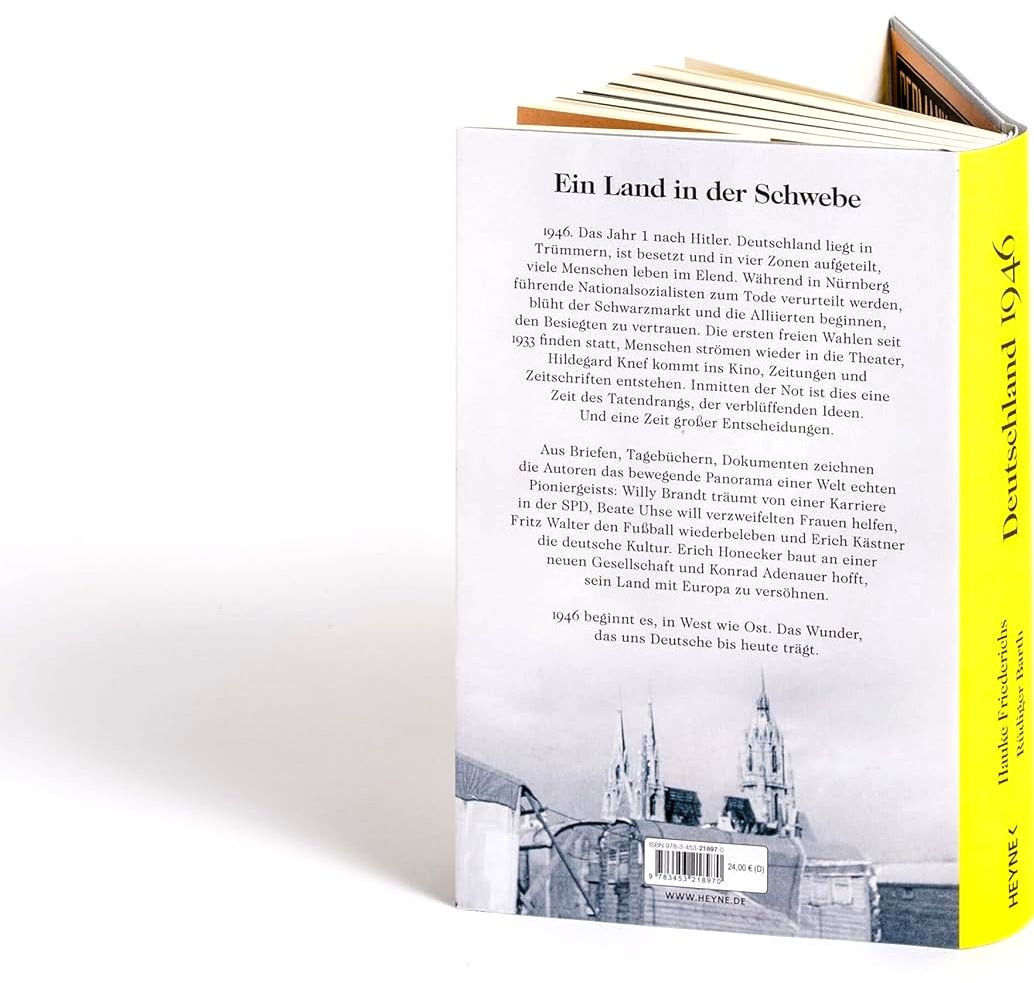 |
Ein Land in der Schwebe
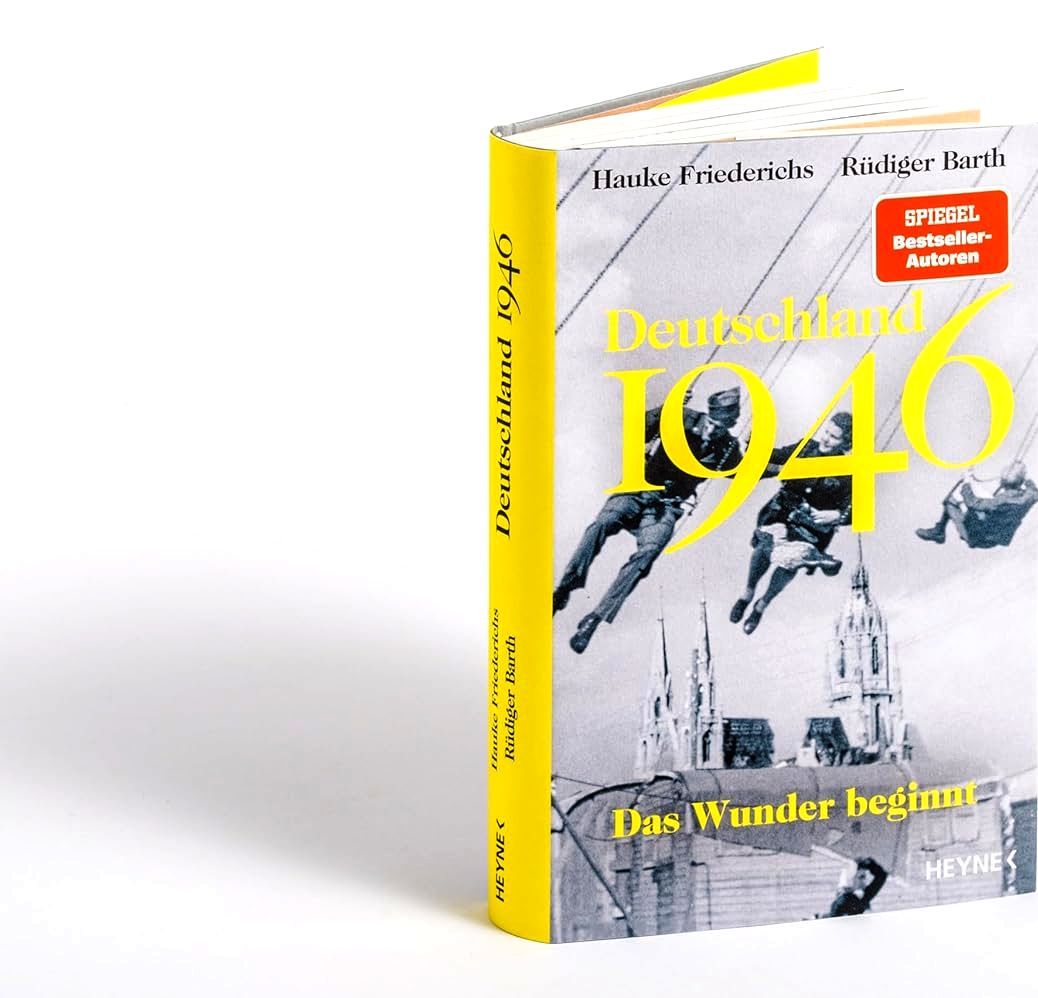
Deutschland 1946: Das Wunder beginntDer Pioniergeist der ersten Stunde führt Deutschland aus dem Nachkriegselend in eine Ära voller Wunder. Deutschland 1946 ist ein bewegendes Panorama des Neuanfangs, erzählt aus den Blickwinkeln vieler bedeutender Persönlichkeiten ihrer Zeit. „Millionen individueller Neubeginne – und der eine große gemeinsame Neubeginn. Was wird daraus entstehen? Wie wird es aussehen, das neue Deutschland, als Staat, als Gesellschaft, als Idee? Wie wird es sein, das neue Leben?“
Hauke Friederichs, Rüdiger Barth |

Produktinformation
|
Produktinformation
|
Produktinformation
|
|
Ein Land in der Schwebe 1946 ist das Jahr 1 nach Adolf Hitler. Die Städte liegen in Trümmern, viele Deutsche leben im Elend. In Nürnberg werden führende Nationalsozialisten zum Tode verurteilt, während der Schwarzmarkt boomt. Aber es finden die ersten freien Wahlen seit 1933 statt. Die Menschen strömen in die Theater, Hildegard Knef kommt ins Kino, überall eröffnen sich neue Chancen. Die Alliierten beginnen den Besiegten zu vertrauen. Wohin mag das führen? »Deutschland 1946« erzählt, was da entsteht. Aus Briefen, Tagebüchern, Reden, Artikeln und Dokumenten zeichnen die Autoren das bewegende Panorama einer echten Pionierzeit. Willy Brandt, 32 Jahre alt, träumt von einer Karriere in der SPD. Beate Uhse, 26, will verzweifelten Frauen helfen. Erich Honecker, 33, baut an einer neuen Gesellschaft. Grete Schickedanz, 34, rettet die »Quelle«, Vicco von Bülow, 22, hackt Holz und Fritz Walter aus Kaiserslautern, 25, trainiert französische Soldaten. Erich Kästner, 46, sucht verlorene Kinder, die Ostpreußin Marion Gräfin Dönhoff, 36, einen Job, irgendwas mit Schreiben. Und Konrad Adenauer, 69 Jahre alt, will Deutschland endlich mit Europa versöhnen. 1946 beginnt es, in West wie Ost. Das Wunder, das uns Deutsche bis heute prägt. |
 |
 |
Rüdiger Barth, Jahrgang 1972, studierte Zeitgeschichte und Rhetorik und besuchte die Henri-Nannen-Schule. Er arbeitete 15 Jahre lang als Reporter, Autor und zuletzt Mitglied der Chefredaktion für das Magazin stern, bevor er in die Chefredaktion von P.M. und P.M. History wechselte. Heute ist er Geschäftsführer der Open Minds Media, die u.a. Podcasts und TV-Dokumentationen produziert. Neben zwei weiteren SPIEGEL-Bestsellern schrieb er – zusammen mit Hauke Friederichs – »Die Totengräber« (S. Fischer, 2018) über die letzten 100 Tage der Weimarer Republik. Hauke Friederichs, geboren 1980 in Hamburg, hat Sozial- und Wirtschaftsgeschichte, Journalistik, Politische Wissenschaft und Kriminologie studiert und in Geschichte promoviert. Er ist sicherheitspolitischer Korrespondent der ZEIT und hat zuvor als selbstständiger Journalist unter anderem für Geo Epoche, SPIEGEL Geschichte, ZEIT, ZEIT Geschichte und G/Geschichte gearbeitet. Neben den »Totengräbern« hat er den SPIEGEL-Bestseller »Funkenflug« veröffentlicht und weitere Bücher über zeitgeschichtliche Themen. |
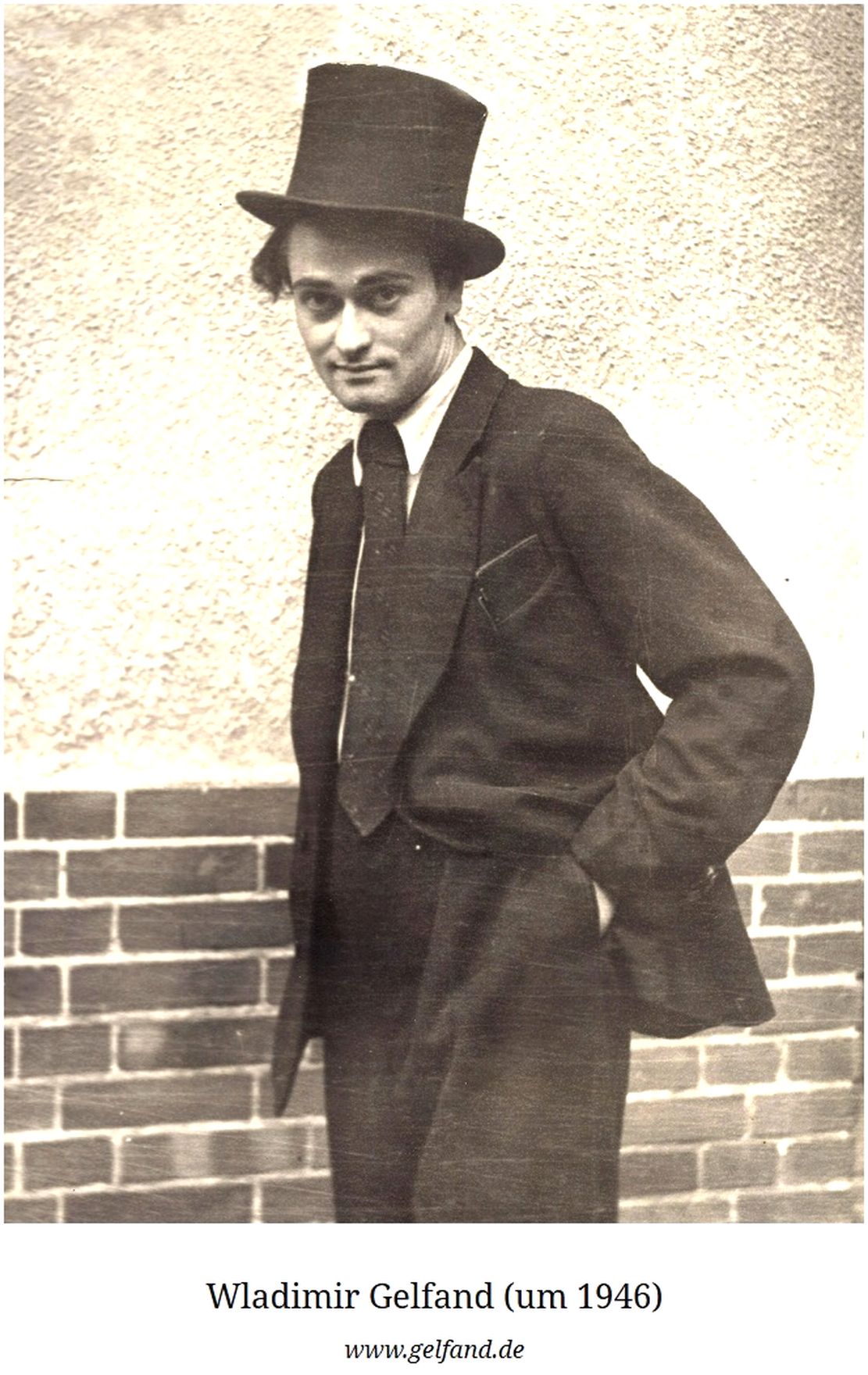
 Ergebnisse im Buch Seite 111 … Rotarmist Wladimir Gelfand endlich mal wieder Zeit für sein Tagebuch. Der… Seite 112 … Hause in die Ukraine. Gelfand ist ein Schwärmer. Er schwärmt für Stalin und… Seite 112 ... spricht Verwunderung aus Gelfands Worten und Verbitterung. Die Deutschen haben… Seite 273 Wladimir Gelfand verlässt Deutschland im September 1946 und kehrt… Seite 281 Wladimir Gelfand Deutschland-Tagebuch 1945 – 1946… Seite 319 Wladimir Gelfand (um 1946) Seite 319 www.gelfand.de |
Zu unserer Methode Als wir mit der Recherche für dieses Buch begannen, war unser Anspruch, die Ereignisse des Jahres 1946 so wiederzugeben, dass die Schilderung der inneren Wahrhaftigkeit jener Tage möglichst gerecht wird. Ähnlich hatten wir bereits bei »Die Totengräber. Der letzte Winter der Weimarer Republik« (S. Fischer, Frankfurt 2018) gearbeitet. Auch für »Deutschland 1946. Das Wunder beginnt« haben wir daher bevorzugt auf Original-Dokumente aus der Nachkriegszeit zurückgegriffen, also auf Briefe, Protokolle, Zeitungsartikel, Gesprächsnotizen, Tagebücher, amtliche Schreiben und nur in Ausnahmefällen auf Erinnerungen und Memoiren. Unsere Arbeitsweise gleicht dabei dem Zusammensetzen eines Mosaiks, und der historische Kontext begründet dessen Bauplan. Das Bild, das sich am Ende ergibt, mag indes etwas anders aussehen, je nachdem, aus welchem Winkel man es betrachtet. Bewusst haben wir bei der Ausarbeitung des Textes auf Fußnoten verzichtet, um die Lesbarkeit des Geschilderten nicht zu beeinträchtigen. Gleichwohl haben wir die Quellen nach den üblichen Maßgaben der historischen Sorgfalt geprüft und, so oft es ging, zweite Quellen zu Rate gezogen. Wenn wir die Figuren in diesem Buch unseren Leserinnen und Lesern ein wenig nahebringen konnten, so würde uns dies mit Freude erfüllen. Wann immer möglich, erzählen wir die Geschehnisse aus der verengten Perspektive des individuell erlebten Augenblicks heraus. Nur so ist, davon sind wir überzeugt, eine wirkliche Vertrautheit mit Persönlichkeiten aufzubauen, die lange vor unserer Zeit ihre eigenen Kämpfe gekämpft und ihre eigenen Träume geträumt haben. Die Menschen des Jahres 1946 haben, so wie wir dies heute tun, für ihre Zukunft gelebt. Ihre Hoffnungen zu verstehen, schärft womöglich auch den Blick für unsere Zeit. Zu Dank verpflichtet sind wir all jenen Kolleginnen und Kollegen der historischen Forschung, auf deren Ergebnisse wir zurückgreifen konnten. Insbesondere in vertiefenden Einzelstudien fanden wir die – mitunter zunächst nebensächlich scheinenden – Details, die eine vergangene Epoche erst greifbar werden lassen, sobald sie ihren Platz im Mosaik gefunden haben. Hamburg
im Mai 2025 |
|
Während Wolfhilde von König die Ostertage zu genießen versucht, nimmt sich im Umland von Berlin der Rotarmist Wladimir Gelfand endlich mal wieder Zeit für sein Tagebuch. Der Leutnant organisiert und überwacht die Demontage-Arbeiten in deutschen Betrieben, die die Sowjetunion systematisch betreibt, um die eigene Wirtschaft zu stärken und die Deutschen zu bestrafen. Aber die meiste Zeit denkt er über das Wesen und das Verhalten junger deutscher Frauen nach. Und wie er auf sie wirkt. Ein paar Monate zuvor, am 28. Dezember, hat er sich so beschrieben: »Ich bin jung, und wie mir zunehmend scheint, ein interessanter Mensch mit unausgeglichenem Charakter, mit Nerven, empfindlich wie straff gespannte Saiten, und mit bisweilen weinerlicher Stimme, langer Nase und großem Mund; manchmal aufbrausend, manchmal verschlossen, einer, der Unangenehmes und Ärger tief in seinem Herzen vergräbt; aber mit schwarzen Samtaugen und einem lebendigen Herzen – dies halte ich für die wesentlichen Vorzüge meiner Person.« Er
führt ausführlich Tagebuch und schickt gelegentlich
Fotos
nach Hause in die Ukraine. Gelfand ist ein Schwärmer. Er
schwärmt für Stalin und die sowjetische Idee, er
schwärmt für die romantische Liebe und
schöngeistige
Literatur, vor allem die russische. Er entdeckt die Fotografie
für
sich, liebt das Kino und leidet darunter, dass er nicht wirklich tanzen
kann. Berlin, so hält er fest, fasziniert ihn. Und er kann
sich
vieles leisten. »In Berlin zieht alles meine Aufmerksamkeit
auf
sich: Die Schilder und Auslagen sind verlockend, doch im Grunde
verschwendet man sein Geld für irgendwelchen Plunder, Bildchen
und
Nippes, auf die man auch verzichten
könnte. Aber nicht bei meiner Natur. »Die Eindrücke jagen so schnell dahin, dass sie beim besten Willen nicht auf dem Papier festzuhalten sind. Die Deutschen werden frech. Sie bringen uns keinen Respekt mehr entgegen, haben keine Angst mehr, kleine Gemeinheiten zu begehen und einen zu belästigen. Sie sind ekelhaft aufdringlich und schnorren, und überhaupt haben sie plötzlich die guten ›kamarady‹ in uns entdeckt, mit denen man sich ganz zwanglos geben kann.« Da spricht Verwunderung aus Gelfands Worten und Verbitterung. Die Deutschen haben mehrere Mitglieder seiner Familie väterlicherseits ermordet. |
 |
© Rüdiger
Barth, Hauke Friederichs
© Heyne Verlag
© Penguin Random House Verlagsgruppe
© Random House Audio

Rüdiger Barth, Hauke Friederichs
|