


 |
 |
 |

| |
||
| "Жінка в Берліні" — відомий щоденник часів Другої світової війни — викликає у нас сьогодні жаске дежавю. У ньому молода німкеня докладно фіксує пережите навесні 1945-го, коли до Берліна увійшли "переможні" радянські війська. Навесні 2022-го "визволителі", якими керує Москва, принесли насилля і хаос уже в українські міста та села. Що досвід попередніх зустрічей із радянськими солдатами може розповісти нам сьогодні? | ||
Щоденник воєнного підземелля"Так, війна суне на Берлін. Те, що вчора було тільки далеким гулом, нині переросло в безперервний гуркіт. Люди вдихають рев зброї. Вухо глухне і чує тепер тільки постріли найбільшого калібру. Вже давно не розрізнити, куди стріляють. Ми живемо, затиснуті в кільце збройних дул, яке щогодини звужується", — так починається щоденник "Жінка в Берліні". Якщо забрати назву міста в першому реченні, то написане могло би стосуватися і багатьох українських міст у березні-квітні 2022-го. Нині мені здається, що твердження про звуження кільця — цілком і про мої відчуття в перші тижні у Києві. 25 лютого, на другий день масштабного наступу Росії, я з рідними і своїм великим псом спускалася в "укриття" — найближчий підземний паркінг. Усередині було тьмяно. Сусіди з довколишніх будинків повмощувалися під стінами. Посередині стояло багато автівок. Десь далеко гупало, а відтак усе здригалося: на той час ми ще не розрізняли "їхніх" удари і "нашу" ППО. Шукаючи в тьмяному світлі знайомі обличчя, згадалася "Жінка в Берліні". 2018-го я упродовж пів року перекладала цю книжку й читала матеріали про неї. Тоді мені здавалося, що я справді вжилася в ті реалії. І от раптом опинилася в одному з її початкових записів. Там авторка описує спускання у бомбосховище, знайомить із його "мешканцями" і розповідає про базові правила безпеки і співжиття. |
||
|
На відміну від німецької авторки, я не здатна була щось до пуття фіксувати. Усі спроби вести щоденник оберталися перерахунком банальностей. Тепер я розумію, чому їй вдавалося те, що не вдавалося в березні багатьом із нас: "її" війна почалася значно раніше. За той час авторка звикла до існування у стані постійної невідомости й загрози. І водночас зрозуміла: життя і далі триває. А на другий тиждень повномасштабної війни Росії в Україні почали з’являтися перші новини, від яких "Жінка в Берліні" стала нам іще ближчою. Шукаючи в тьмяному світлі знайомі обличчя, згадалася "Жінка в Берліні". 2018-го я упродовж пів року перекладала цю книжку й читала матеріали про неї. Тоді мені здавалося, що я справді вжилася в ті реалії. І от раптом опинилася в одному з її початкових записів. Там авторка описує спускання у бомбосховище, знайомить із його "мешканцями" і розповідає про базові правила безпеки і співжиття. На відміну від німецької авторки, я не здатна була щось до пуття фіксувати. Усі спроби вести щоденник оберталися перерахунком банальностей. Тепер я розумію, чому їй вдавалося те, що не вдавалося в березні багатьом із нас: "її" війна почалася значно раніше. За той час авторка звикла до існування у стані постійної невідомости й загрози. І водночас зрозуміла: життя і далі триває. А на другий тиждень повномасштабної війни Росії в Україні почали з’являтися перші новини, від яких "Жінка в Берліні" стала нам іще ближчою. Не безіменнаАвторка книжки — 34-річна Марта Гіллерс. Свій щоденник вона писала буквально на коліні — від 20 квітня до 22 червня 1945 року. У кількох випадково знайдених шкільних зошитах і на принагідних клаптиках паперу. А вже влітку 1945-го жінка власноруч передрукувала весь текст на друкарській машинці: для себе і найближчих друзів. У першому машинописі Марта нічого не змінювала, тільки розшифрувала деякі скорочення. Через кілька років її приятель, відомий журналіст Курт Марек, переконав Марту дати дозвіл на публікування. Тоді вона змінила головні імена, щоби захистити живих від зайвої уваги. Себе вона теж замаскувала. Адже насправді була не "блідою білявкою" у вицвілому старому пальті, а таки доволі яскравою брюнеткою. А ще забрала власне ім’я, на довгі десятиліття ставши "Анонімом", аж до 2003 року. Не так через страх шельмування, як через небажання зайвої уваги. |
||
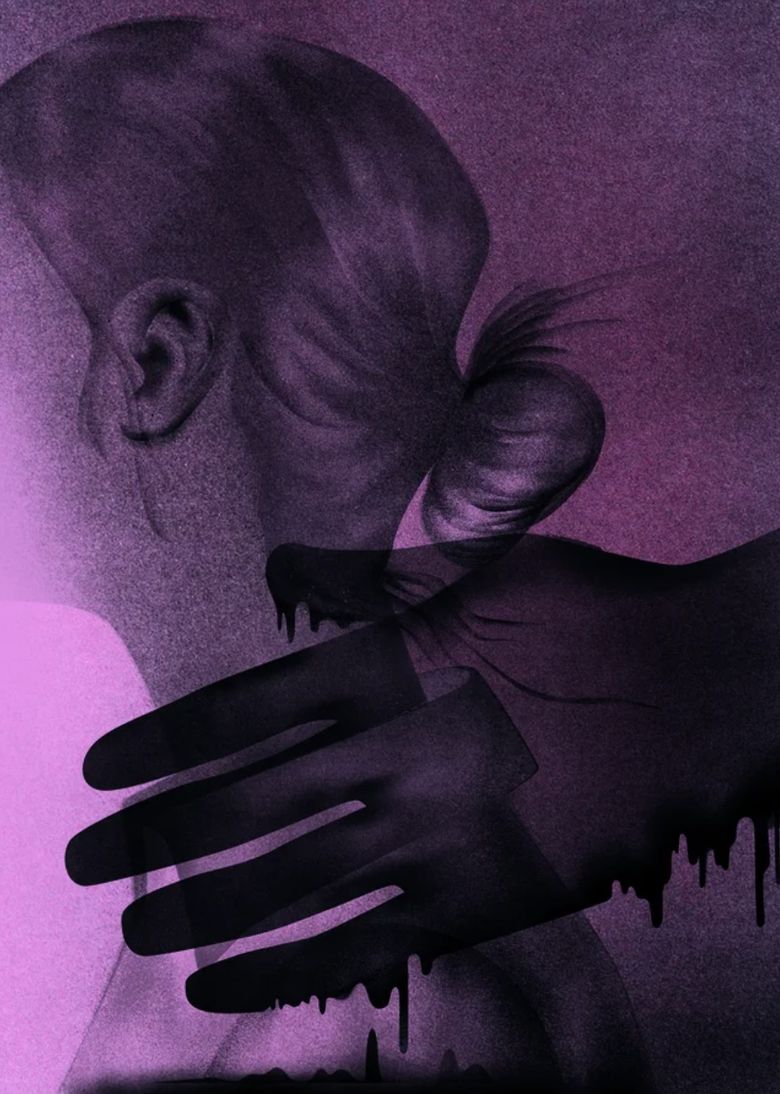 |
||
| Ілюстрації Марії Фої | ||
|
Уперше німецькою щоденник опублікували 1959 року. До того вже вийшло два видання англійською: 1954 року — у Сполучених Штатах, 1955-го — у Британії. Значно пізніше з’явився новий, точніший, англійський переклад. Уже у 2000-х щоденник перевірили на автентичність і шукали слідів подальших редагувань. Письменник і історик-архівіст Вальтер Кемповскі провів незалежне розслідування і виснував, що рукописи й мінімально змінений текст машинопису справді автентичні та написані приблизно в означений період. Дослідники також змогли реконструювати більшість будівель в описах і навіть декого з "персонажів". У 2008 році німецький режисер Макс Фербербьок зняв на основі щоденника однойменний повнометражний фільм. Тоді "Жінку в Берліні" перевидали вдруге. Книжка зажила другим життям і набула, без перебільшення, міжнародної слави. На той час авторки вже кілька років не було серед живих. Року 2001 дев’яностолітня Марта Гіллерс-Дічі відійшла у вічність. Поховали її у Базелі, де вона й жила після одруження. Що ж про неї відомо? Народжена 1911 року неподалік Дюссельдорфа у звичайній німецькій родині. Її батько загинув під час Першої світової війни. Ще в школі вивчала кілька іноземних мов. В юності симпатизувала комуністам, відстоюючи ідеї загальної рівности й жіночої емансипації. Вже на початку 1930-х у Бернаті виконувала обов’язки інструкторки в осередку компартії, й навіть дописувала до партійної преси. |
||
|
І саме по партійній лінії 1931 року Марта Гіллерс потрапила до Москви. Ось і пояснення її сяких-таких знань російської мови. Радянська фотоагенція "Союзфото" шукала німецьких співробітників, і юна Марта радо вирушила до столиці Радянського Союзу. Все це вона описала у своєму воєнному щоденнику, у якому одного разу натякнула, що сама не змогла би там жити. Там, де не можна вільно пересуватися, а дикі злидні змушують на позір вихованих людей до крадіжок навіть найпримітивніших речей. До 1933 року Марта мандрувала європейською частиною СРСР. Відвідала Грузію, Вірменію, а також Польщу, Туреччину, Грецію та Італію. Згадок про Україну в ті найстрашніші роки в неї немає. А потім вона переїхала до Франції, де вступила до Сорбонни й вивчала світову історію і історію мистецтв. Відтак повернулась до Німеччини, де вже панував націонал-соціалізм. Невимовне і несказанеБіографія "Жінка в Берліні" відома насамперед як щоденник, у якому доволі відверто розказано про сексуальне насильство радянських солдатів над німецькими жінками в Другу світову. Тривалий час зґвалтування залишалося одним із найменш задокументованих воєнних злочинів. Традиційно його вважали "легшим" за вбивство, особливо якщо зґвалтованій вдалося вижити. Водночас на жертв перекладали частку відповідальности, бо вони ледь не самі дозволили себе над собою поглумитися. Суспільний осуд, неприйняття і зневага до себе спонукали багатьох жінок замовчувати пережите. І переважна більшість із них страждала все подальше життя і забирала страшні історії з собою в могилу. |
||
 |
||
|
Звісно, нині на цю тему вже написано і сказано чимало. Ми нарешті починаємо усвідомлювати реальні масштаби гендерного насильства у війнах принаймні ХХ століття. А особливо — в контексті Другої світової. Бо ж із роками віднайдених щоденників, мемуарів і свідчень про неї ставало дедалі більше. Іноді про це доволі відверто писали й самі радянські офіцери — як-то Володимир Ґельфанд у воєнних щоденниках 1941—1946 років. Показово, що вперше вони вийшли друком аж 2002 року, і то не в Росії, а в Німеччині. За різними даними, 1945-го в одному лише Берліні радянські війська зґвалтували від 90 до 130 тисяч жінок. Загалом же в радянській зоні окупації нарахували до 2 мільйонів жертв насильства. Із цієї причини у повоєнній Німеччині тимчасово скасували заборону на переривання вагітности. "Жінка в Берліні" не схильна до надмірного красномовства, а тим паче фізіологізму в описах. Найбільші жахіття фіксує ледь не в телеграфному стилі: "Ані звуку. Лише коли тріщить білизна, яку він розриває, мимоволі скрегочу зубами. Мої останні цілі речі. Раптом його пальці на моєму роті; сморід коней і тютюну. Я різко розплющую очі. Руки чужинця вправно розкривають мені щелепи. Очі в очі. Після цього він ретельно назбирує слину і спльовує мені в рот. Заніміння. Не огида, а лише холод. Хребет замерз, у потилиці крижане запаморочення. Я відчуваю, як зісковзую і падаю, кудись дуже глибоко, провалююся крізь подушки і покривало. Вгрузаю в підлогу. Ось як це було". Переповідати історії інших авторці вдалося повнішими реченнями: «Ми залишили їй рештки вазеліну. Хіба можна на це щось сказати? Ми нічого й не казали. Але вона заговорила сама. Зрозуміти її було непросто, — в неї надто спухли губи. "Я в цей час молилася, — сказала вона, — весь час тільки молилася: дорогий Боже, дякую тобі, що я п’яна". Бо перед тим, як стати до неї в чергу, росіяни добряче накачали жінку тим, що знайшли на місці, і в процесі теж давали їй час від часу хильнути. За все це ми дякуємо фюреру». Так, авторка навіть здатна на іронію. Хай і таку чорну. Але в цих обставинах саме така іронія — потужна зброя, яка чи не найкраще рятує від відчаю. "Пєтух пойот"Однією із найскандальніших ліній у щоденнику є історія вимушених стосунків з окупантами. Спершу — з Анатолем, старшим лейтенантом Червоної армії. Потім — з безіменним майором. Анатоль — українець, селянин з походження. Одружений, мав дітей, носив зі собою родинну фотографію. І часом повторював фразу, яку жінка запам’ятала надовго: "Пєтух пойот". Саме його вона обрала за першого "вожака", який мав відлякувати інших принагідних візитерів. Страх перед груповими зґвалтуваннями й перший жахливий досвід змусили її обрати менше зло і знайти собі "захисника". Але її сподівання спрацювали лише почасти. Адже рятувати себе від найгіршого переважно доводилось самій. |
||
 |
||
|
Анатоль був грубуватий, любив випити. Але по-своєму він навіть дбав про "власну" берлінську даму й щоразу приносив якісь харчі. У цих стосунках навіть з’явилися ознаки рутини. Двоє спілкувалися між собою російською і часом навіть жартували. У миті непроханої відвертости Анатоль ділиться історіями зі свого життя і вельми неохоче прощався наприкінці. Майор із хворою ногою — інший типаж. Із тоншою душевною конструкцією і освіченіший. Цей приносив іще щедріші подарунки. Але при цьому вимагав не тільки фізичного кохання, а й "любови". У червні радянські війська відступили з міста. Жінка таки зуміла вціліти і фізично, і психічно. Іноді в щоденнику вона розмірковує про те, що переживала. І про ціну, яку довелося платити за виживання. Утім на глибокі рефлексії і саморефлексії — ще не час. Для них буде все подальше життя. А поки що раділа, що вижила. Коли ж наприкінці до Берліна повернувся її коханий, гаданого романтичного возз’єднання не сталося. Оповідачка з великим сподіванням дала йому прочитати свій щоденник. Але той спричинив у чоловіка переважно обурення. Може, тому що його наречена так і не вжилася в роль жертви. І відверто написала про свої "суперечливі" відчуття. Не тільки про страх чи бажання вижити. А й про вдячність — за їжу й відчуття захисту від найстрашнішого. "Німецька жінка не могла так вчинити": подібно на вже опублікований щоденник згодом реагували й інші німці. Замість долати травми, багаторічним мовчанням жінки їх лише поглиблювали. А сексуальні злочини на війні ще багато років суспільство табуювало. Індивідуальна vs колективна провинаЦей щоденник дуже вражає: і гостротою авторського погляду, і точністю дібраних слів. А ще неймовірною стресостійкістю і волею до життя жінки, яка його написала. Однак найбільший подив та водночас повагу в мене викликають дві її риси, насправді тісно взаємопов’язані: її самокритичність і емпатія. Не схильна надміру прикрашати ситуацію або "відбілювати" себе, оповідачка намагалася тверезо дивитися на все довкола. Не нагнітати, але й не применшувати катастрофічности ситуації. Не жаліти себе, але й не піддаватися надмірному ризику чи надто картати себе. У короткі миті відносного спокою вона навіть думала про себе не лише як про беззахисну жінку на війні, а й як про представницю народу-агресора. Переживши в юності період бурхливого ідеологічного становлення і розчарувавшись у комунізмі, вона і її оточення в нових обставинах воліли якось пристосуватися і просто жити. Доки це було можливо. Самокритичність і не завжди вигідна відвертість авторки допомагають вірити її свідченням: про незнання справжніх масштабів гітлерівських злочинів. Читаючи цей щоденник нині, мимоволі проєктую ті давні події на нашу ситуацію із Росією і росіянами. Намагаюся уявити, чи можливе й там якесь "розкаяння". Але не вдається. Принаймні поки що. Мабуть, річ якраз у тому, щоб змусити агресора усвідомити власну провину. Не лише розплатитися згодом за скоєні злочини в міжнародному трибуналі, а й визнати їх. Якщо вони не хотітимуть, то змусити їх це зробити. Але сподіватися на це можна лише в разі цілковитої поразки Росії, після якої усе їхнє суспільство чекатиме справжня денацифікація. Довга і болісна. Саме така, яка відбулась з гітлерівською Німеччиною. Утім у Німеччині був і "свій" Карл Ясперс, який згодом написав про колективну провину й колективну моральну відповідальність. Що, на відміну від політичної чи кримінальної, поширюється на всю спільноту. Повертаючись нині до щоденника Марти Гіллерс, розділяємо з авторкою жахливі масштаби тодішніх злочинів, усвідомлюємо, що ворог спільний. Також переймаємо її волю до життя. А ще готовність працювати й відбудовувати наше життя навіть на цілковитих руїнах. |
||
| |
||
 |
||
| |
© ЛОКАЛЬНА ІСТОРІЯ
 Ukrainian
“Yes, the war is moving toward Berlin. What yesterday was only a distant rumble has now grown into an unbroken roar. People breathe in the thunder of weapons. The ear grows deaf and now hears only the largest-caliber guns. For a long time it has been impossible to tell where they are firing. We live squeezed inside a ring of gun barrels that narrows every hour.”
— A Woman in Berlin
“Not a sound. Only when the underwear he is tearing crackles, I involuntarily grind my teeth. My last intact things. Suddenly his fingers are on my mouth; the stench of horses and tobacco. I snap my eyes open. The stranger’s hands expertly force my jaws apart. Eye to eye. Then he carefully gathers saliva and spits into my mouth. Numbness. Not disgust, only cold. My spine is frozen; an icy dizziness at the back of my head. I feel myself slipping and falling, very, very deep... That is how it was.”
“You cannot say that the major is raping me. Am I doing it for bacon, butter, sugar, candles, canned meat? To some extent I am sure that is why...”
The recognition of guilt and genuine societal denazification are possible only in the event of the aggressor's total defeat—followed by a long and painful process of acknowledging collective moral responsibility, as outlined by Karl Jaspers in postwar Germany.
© Local History
© Max Morgan LiveJournal
© Planeta PRESS
