



Dia merupakan salah satu perempuan Jerman yang diperkosa Tentara Merah tak lama setelah Berlin jatuh ke tangan Uni Soviet pada awal Mei 1945. |
|
 |
|
| Sabtu, 30 Juni 2018 |
|
| |
|
 |
|
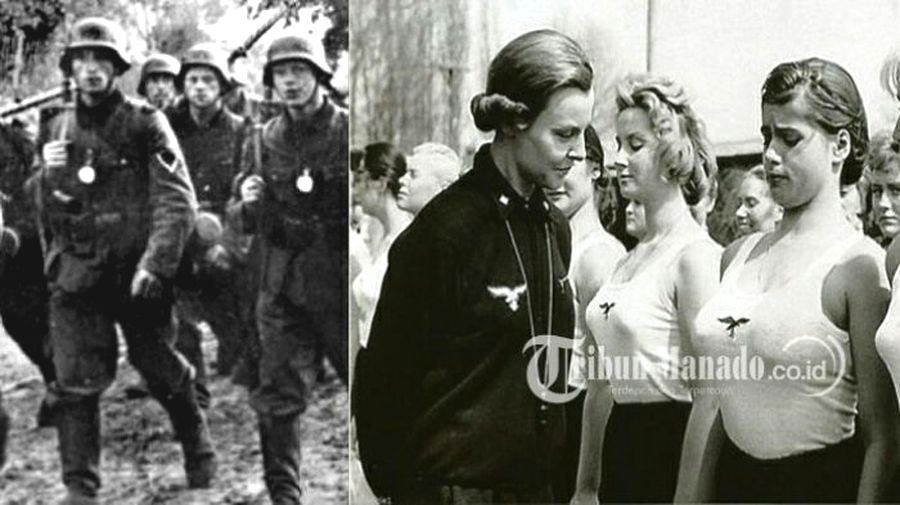
| Istimewa/Kolose TribunManado | |
| TRIBUNMANADO.CO.ID Ruth Schumacher, perempuan Jerman
kelahiran 1926, tak kuasa terus memendam perasaan. Setelah puluhan tahun bungkam, dia akhirnya
buka suara seperti dilansir
Tribunmanado.co.id dari Historia. Dia merupakan salah satu perempuan Jerman yang diperkosa Tentara Merah tak lama setelah Berlin jatuh ke tangan Uni Soviet pada awal Mei 1945. “Selama beberapa dekade, sebagian
besar perempuan Jerman diam
tentang trauma yang mereka alami,” tulis Eric Westervelt
dalam “Silence Broken
On Red Army Rapes In Germany,” dimuat di
laman npr.org. Kisah Ruth membuka selubung kejahatan perang
Tentara Merah Uni Soviet semasa
Perang Dunia II. Selain dari diamnya para penyintas, kabut
hitam peristiwa kelam itu datang
terutama dari bekas negara Uni Soviet yang berusaha keras menutupinya. Kejatuhan Berlin –dan
wilayah-wilayah sebelumnya yang dilalui Tentara Merah–
menjadi awal petaka bagi banyak perempuan Jerman. “Biarawati, gadis-gadis, perempuan
tua, ibu hamil dan ibu yang baru saja
melahirkan semua diperkosa tanpa belas kasihan,” tulis Antony
Beevor
dalam Berlin: The Downfall 1945. Kejahatan perang itu bahkan sudah berlangsung
sejak sebelum Tentara Merah
masuk Berlin. Gadis-gadis di tempat-tempat yang dilalui
Tentara Merah, termasuk kota-kota
di Polandia, harus menyerahkan kehormatannya sebagai ganti dari
keselamatan
nyawanya. Ruth, salah satunya. Di kota tempat
tinggalnya, Leipzig, pemerkosaan terjadi
tak lama setelah usainya bombardir sekutu dan pindahnya pasukan mereka
ke
tempat lain. “Segera aku diperkosa bergiliran
oleh gerombolan yang terdiri dari lima
orang Rusia,”
kenang janda prajurit Jerman
yang bertugas di U-boat itu, sebagaimana dilansir
di npr.org. Pengalaman pahit itu juga menghampiri
Gabriele Kopp, yang kala itu berusia
15 tahun. Setelah tergesa-gesa melarikan diri dari
rumahnya lantaran sang ibu –yang
berjanji akan menyusul– mengatakan tentara Soviet sudah
mendekat, dia akhirnya
tertangkap prajurit Soviet di sebuah desa. “Keesokan harinya, dia dikejar ke
rumah orang lain, di mana dia diperkosa
oleh seorang tentara, dan kemudian oleh tentara lain segera setelah
itu.
Keesokan paginya, dia didorong ke sebuah gudang dan diperkosa oleh dua
orang
lainnya,” tulis Susanne Beyer dalam “Harrowing
Memoir: German Woman Writes
Ground-Breaking Account of World War II Rape,” dimuat
di spiegel.de. Ternyata seorang perempuan paruh baya
pengungsi menjadikannya “umpan” kepada
tentara Soviet. Masa kelamnya itu berlangsung selama dua pekan sebelum
dia
akhirnya bisa melarikan diri ke sebuah peternakan. Di masa itu banyak ibu mengorbankan gadis
mereka untuk mencari selamat. Mereka ada yang bermain kotor seperti yang
mereka lakukan terhadap Kopp, ada
juga yang membiarkan serdadu Soviet yang menginap di rumah mereka
mendekati
gadis-gadis di dalam rumah. Beberapa ibu malah mendukung bila gadisnya
didekati Tentara Merah. Letnan
Wladimir Gelfand, komandan pleton mortir di Divisi Senapan ke-301,
mengalaminya. “Di pinggiran Berlin pada akhir
April, dia mendapati pengalaman adanya
permohonan dari seorang perempuan muda menarik –yang didukung
oleh ibunya–
untuk dijadikan pemuas seksual eksklusifnya agar perempuan itu selamat
dari
keadaan lebih buruk,” tulis Frederick Taylor
dalam Exorcising Hitler. Berbeda dengan para gadis, yang tak berdaya,
perempuan lebih matang punya
keleluasaan lebih besar untuk menyiasati keadaan. Contohnya jurnalis Marta Hillers
–penyintas pertama yang menuliskan
pengalamannya ke dalam sebuah buku yang terbit pada 1950, tapi memakai
nama
anonim. Dia yang kala itu sudah berusia tiga puluh
tahunan, terpaksa menyerahkan
dirinya kepada seorang perwira Soviet agar terhindar dari perkosaan
massal
Tentara Merah. Sebelumnya, dia beberapa kali diperkosa prajurit Soviet. Bagi Soviet,
memperkosa perempuan Jerman
merupakan hukuman balasan atas kejahatan bangsa Jerman. “Banyak serdadu Soviet ingin
membalaskan dendam mereka akibat penderitaan
yang telah ditimbulkan (oleh Jerman, red)
di negeri mereka,” tulis Michael Jones
dalam Total War: From Stalingrad to Berlin. Tak adanya perintah khusus untuk hal itu
menyebabkan banyak serdadu harus
menanyakan komandannya tentang apa saja yang boleh dilakukan terhadap
orang Jerman. “Tentang pertanyaan mengenai
perempuan, Anda bisa memperlakukan perempuan Jerman
agak
bebas, asal tak terlihat terorganisir. Satu atau dua dari kalian bisa
pergi
(mencari perempuan Jerman, red), melakukan
yang kalian perlukan, kembali ke
kesatuan, dan hanya itu,” lanjutnya. Stalin sendiri tak pernah mau menghukum
prajurit-prajuritnya atas tindak
perkosaan mereka terhadap perempuan Jerman. Dia justru memaklumi dengan mengingat
beratnya tugas para prajurit dan
kebaradaannya yang berjarak ribuan kilometer dari tanah air. Akibatnya, meski tak ada angka pasti, sekitar
dua juta perempuan Jerman menjadi
korban perkosaan. Menurut Philipp Kuwert, pakar trauma dan
kepala Departement Psychiatry and
Psychotherapy di University Hospital of Greifswald, rata-rata seorang
perempuan Jerman
mengalami 12 kali perkosaan. Selain menimbulkan trauma berkepanjangan,
perkosaan massal itu juga
mengganggu siklus haid para korban. Para ginekolog sampai menamakannya
“Russian disease”. Kopp absen haid selama
tujuh tahun. Janin yang mereka kandung umumnya diaborsi;
yang sampai lahir harus
menanggung pengucilan. Banyak dari perempuan itu lalu meninggal tak
lama setelah mengalami
perkosaan. Mereka yang selamat, mengalami trauma panjang dan umumnya tak berani bersuara terlebih para penyintas yang kemudian menjadi bekas warga negara Jerman Timur, pemerintah komunis memaksa mereka menandatangani perjanjian untuk tak mengungkap perkosaan massal di ujung Perang Dunia II itu. “Dan aku sudah banyak melewati malam tanpa tidur karena hal itu,” ujar Ruth.
Valdy Suak
Tribun Manado |
|
|
Artikel ini telah tayang
di tribunmanado.co.id dengan judul Nasib
Kelam Perempuan © TRIBUNMANADO.CO.ID |
 Indonesian
She was one of the German women raped by the Red Army shortly after Berlin fell into Soviet hands in early May 1945.
Saturday, 30 June 2018
TRIBUNMANADO.CO.ID — Ruth Schumacher, a German woman born in 1926, could no longer keep her feelings buried. After decades of silence, she finally described what she had endured, Tribunmanado.co.id reported, citing Historia.
She was one of the German women raped by Red Army soldiers shortly after Berlin fell to the Soviet Union in early May 1945.
“For decades, most German women remained silent about the trauma they had experienced,” Eric Westervelt wrote in “Silence Broken on Red Army Rapes in Germany,” published on npr.org.
Ruth’s story lifts the veil on wartime crimes committed by members of the Soviet Red Army during the Second World War. Apart from the silence of survivors, the dark fog surrounding those events was reinforced above all by the former Soviet state, which worked hard to keep them hidden.
The fall of Berlin — and of the territories through which the Red Army had already advanced — marked the beginning of disaster for many German women.
“Nuns, young girls, old women, pregnant women and mothers who had just given birth were all raped without mercy,” Antony Beevor wrote in Berlin: The Downfall 1945.
Those war crimes had begun even before the Red Army entered Berlin. Girls in areas through which Soviet troops passed, including towns in Poland, sometimes had to surrender their bodies in exchange for their lives.
Ruth was one of them. In her home city of Leipzig, rape followed soon after the Allied bombardment ended and the troops moved elsewhere.
“I was immediately gang-raped by a group of five Russians,” recalled the widow of a German U-boat serviceman, according to npr.org.
A similarly bitter experience befell Gabriele Kopp, who was fifteen at the time. She fled her home hurriedly after her mother, who promised to follow, warned her that Soviet troops were approaching. She was eventually caught by Soviet soldiers in a village.
“The next day she was chased into another house, where she was raped by one soldier and then by another immediately afterward. The following morning she was driven into a barn and raped by two more men,” Susanne Beyer wrote in “Harrowing Memoir: German Woman Writes Ground-Breaking Account of World War II Rape,” published by spiegel.de.
It turned out that a middle-aged refugee woman had used her as “bait” for Soviet soldiers. The nightmare lasted for two weeks before Kopp finally managed to escape to a farm.
At that time some mothers sacrificed young women in an attempt to survive. Some resorted to tricks like the one used against Kopp; others allowed Soviet soldiers quartered in their homes to approach girls living there.
Some mothers even encouraged the attention of Red Army soldiers if they believed it would protect their daughters. Lieutenant Vladimir Gelfand, commander of a mortar platoon in the 301st Rifle Division, encountered such a case.
“On the outskirts of Berlin at the end of April, he found himself faced with a request from an attractive young woman — supported by her mother — to become his exclusive sexual partner so that she could be protected from something worse,” Frederick Taylor wrote in Exorcising Hitler.
Unlike powerless young girls, more mature women sometimes had greater room to maneuver. One example was journalist Marta Hillers, the first survivor to put her experience into a book, published anonymously in 1950.
Then in her thirties, she chose to attach herself to a Soviet officer in an attempt to avoid gang rape by Red Army soldiers. Before that, she had already been raped several times by Soviet servicemen.
For many Soviet soldiers, the rape of German women was seen as revenge for German crimes in the Soviet Union.
“Many Soviet soldiers wanted to take revenge for the suffering that the Germans had inflicted on their country,” Michael Jones wrote in Total War: From Stalingrad to Berlin.
Because there was no clear general order governing such behavior, soldiers sometimes asked their commanders what they were allowed to do to Germans.
“As for women, you may treat German women rather freely, as long as it does not look organized. One or two of you may go out, find German women, do what you need to do, return to the unit, and that is all,” one account states.
Stalin himself did not want to punish soldiers for raping German women. He was said to have excused such behavior by referring to the hardships endured by the troops and the fact that they were thousands of kilometers from home.
As a result, although there is no exact figure, estimates have placed the number of German women raped at about two million.
According to Philipp Kuwert, a trauma specialist and head of the Department of Psychiatry and Psychotherapy at the University Hospital of Greifswald, an affected German woman was raped on average twelve times.
In addition to long-term psychological trauma, mass rape disrupted victims’ menstrual cycles. Gynecologists even used the term “Russian disease.” Kopp did not menstruate for seven years.
Pregnancies resulting from rape were often terminated; children who were born could face ostracism.
Many women died soon after the assaults. Survivors frequently carried severe trauma for decades and often did not dare speak. In East Germany especially, communist authorities forced some survivors to sign undertakings not to disclose the mass rapes that occurred at the end of the Second World War.
“And because of it I have spent many sleepless nights,” Ruth said.
Valdy Suak, Tribun Manado
This article appeared on tribunmanado.co.id under the title “The Dark Fate of German Women after the Nazi Defeat: Young Girls, Elderly Women and Pregnant Women Raped in Turn.”
Author: Valdy Suak
Editor: Valdy Suak
© TRIBUNMANADO.CO.ID