


 |
"Лехаим"
№ 06/2021(350) Литературно-публицистический альманах Выходит с 1991 года Главный pедактоp Боpух Гоpин ISSN 0869-5792 128 стр. Подписано в печать 19.05.21 Выходит в свет 06.06.21 © «Лехаим», 2021 Фоpмат 60×90/8. Тиpаж 23500 экз. Объем 16 печ. л. Цена договорная ISBN 978-5-9953-0777-8 «Лехаим» зарегистрирован в Комитете РФ по печати, регистрационный номер 01126 от 22.05.92 Учредитель Религиозная организация ортодоксального иудаизма Московская Марьинорощинская еврейская община. E-mail: lechaim@lechaim.ru В журнале публикуются известные деятели, публицисты, музыкальные, литературные и арт- критики, переводчики, историки, искусствоведы, а также русские и зарубежные писатели, в творчестве которых отражена еврейская тема. Каждый номер журнала включает корпус переводных материалов ведущих зарубежных журналистов и прозаиков. Литературный блок журнала – это художественные тексты классиков XX века и современных авторов еврейской и израильской литературы в переводах с идиша, иврита, английского и других языков; авторские фотоистории, эссе, документальные рассказы и очерки русскоязычных литераторов. Ежемесячно в Лехаиме обзор книжных новинок ведущих российских издательств, еврейских издательств. |
|
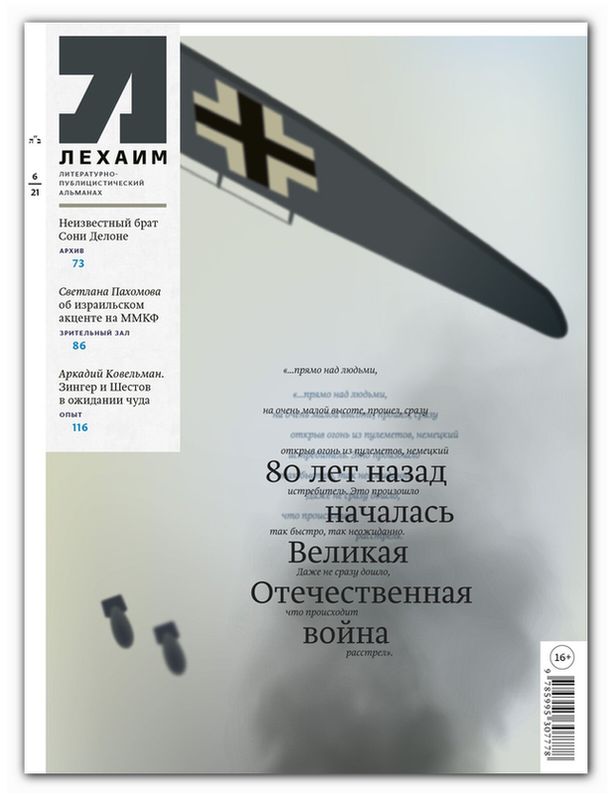
80 лет назад началась Великая Отечественная война. Мы подготовили подборку цитат, как этот день, 22 июня 1941 года, вспоминают авторы книг, вышедших в издательстве «Книжники»
Григорий
Канович 22 июня 1941 года предрассветную тишину в Йонаве, настоянную на запахах не отцветшей в палисадниках сирени и парного молока, которое еще вчера разносили в ведрах по всему местечку бойкие молочницы‑крестьянки, взорвали бомбы. Первой от этого невообразимого, оглушительного грохота проснулась мама. Она распахнула настежь окно и глянула на светлеющее небо, исполосованное грозными сполохами далекого пожара. Прислушиваясь к раскатам непонятного, неутихающего грома, мама вдруг увидела приближающуюся эскадрилью самолетов со свастикой на бортах. Они летели над густыми грибными перелесками, за которыми в Гайжюнай располагалась часть Красной Армии. Оттуда на сонное местечко почти без всяких интервалов одна за другой продолжали накатывать волны мощных взрывов. Взволнованная мама стала будить отца. Тот что‑то забормотал во сне, заворочался с бока на бок, натянул на голову одеяло и зарылся в подушку, но мама упрямо продолжала колотить его кулачками и приговаривать: — Вставай, Шлеймке! Вставай! — Что случилось? — спросил он, спросонья укоризненно уставившись на жену. — Война! — Какая война? Что тебе привиделось? И тут, как бы в ответ на его вопрос, за окнами снова загрохотало, и небо прошили трассирующие очереди. Казалось, безумец‑портной забрался на одинокое облако и без передышки строчит и строчит на швейной машине. — Это, Хенка, на самом деле кошмарный сон. Все ждали, когда же немцы и русские столкнутся лбами. И вот грянуло! Столкнулись! — По‑моему, больше всех этого ждали сами литовцы, которые в отличие от нас, евреев, в основном опасались прихода русских, а не немцев. За себя я не боюсь, а вот за Гиршке очень… Ему еще жить и жить. — Он и будет жить. Только ты проследи, чтобы парень в эти дни никуда не выходил из дома. И сама зря не высовывайся. Сейчас каждый неверный шаг может стоить жизни. — За ним я, конечно, прослежу, а вот что делать с беспомощными Коганами? Без опеки они совсем пропадут. Старики уже еле передвигаются. Рувима, представь себе, я даже веду под руку в туалет. Им надо помочь раздеться и лечь в кровать. Сами могут только поднести дрожащей рукой ложку ко рту. — Жалко их, но что поделаешь? Сейчас, как бы это жестоко ни звучало, каждый должен думать и заботиться о самих себе и своих стариках, а не об этих несчастных Коганах. Моя мама, наверное, из Йонавы никуда не двинется. Что бы ни случилось, она ни за что не расстанется со своим Довидом… Пока они, понизив голос, переговаривались и прикидывали, за что в первую очередь надо взяться — то ли немедленно складывать чемоданы, то ли еще немного выждать — чья сила перевесит, бомбардировка армейской части в Гайжюнай не утихала ни на миг, а становилась все сильнее и яростнее. Валы грохота обрушивались на местечко, и жители не знали, куда деться от этого ужаса. — Бедный Валерий Фишман! — вдруг вспомнила старшего лейтенанта из Гомеля мама. — Не погиб ли он? — Все мы бедные. Если Красная Армия не остановит немцев, нам придется убираться отсюда. Другого выхода у нас нет. Ноги в руки — и в путь‑дорогу! — сказал отец. — Куда? — Туда, где нет немцев. — Может, до нас они все‑таки не доберутся. Шмулик говорил, что Красная Армия — самая сильная в мире. Даст отпор любому врагу. Ее никому не удастся одолеть. — Мало ли что говорил твой шустрый братец! Тоже мне нашелся специалист в военном деле! Да он пехотинца от летчика не отличит, — отрубил отец. Мама и отец не заметили, как рассвело. Улицы Йонавы, которые обычно с утра наполнял самый разношерстный люд, были пусты. На дверях магазинов висели пудовые замки. Не видно было ни одного богомольца, который спешил бы на утреннюю службу в костел или синагогу. Только бездомные собаки гонялись за такими же бездомными кошками, пытающимися спрятаться от них в подворотнях. Время от времени по опустевшим улицам местечка с ревом проносились армейские машины, которые перевозили раненых танкистов из Гайжюнай в Каунас в окружной военный госпиталь. 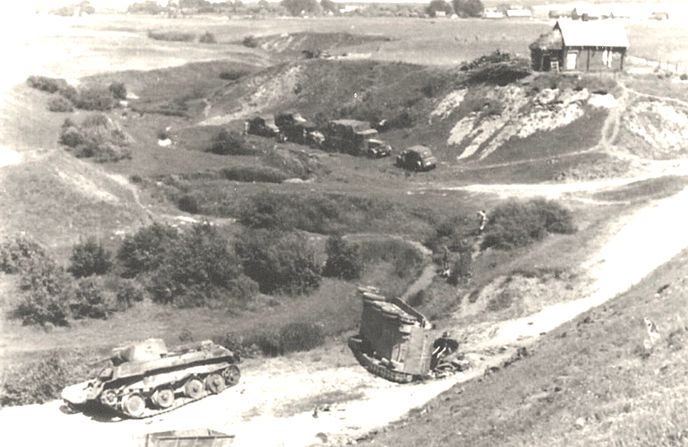 — У меня такое впечатление, что с сегодняшнего дня вся наша прежняя жизнь отменяется, — невесело сказал отец. — Видно, портному, если он останется в живых, придется на время или, может, навсегда распрощаться со старым ремеслом. Родители ненадолго замолкали, пытаясь упрятать в молчание свое уныние и растерянность. Сменяя друг друга, они то и дело подходили к окну, но перед ними открывалась одна и та же картина — грозящая Б‑г весть какими непредвиденными опасностями пустота. Только в полдень кое‑где открылись литовские лавки и магазины. Из‑за полного безвластия и хаоса евреи‑лавочники, опасаясь расправ и погромов, отсиживались дома, как в окопах. Опасения их были не беспочвенными. То тут, то там на улицах стали появляться группы парней с белыми повязками на рукавах, заменивших стражей порядка из ведомства, где служил Шмулик Дудак. Пока немецкие части вели бои вдали от Йонавы, эти молодые люди скрывали свои намерения, никого не трогали, только пристально всматривались в каждого прохожего, определяя на глаз по его внешности принадлежность к еврейскому племени, от которого они в патриотическом угаре обязались в срочном порядке избавить многострадальную Литву. 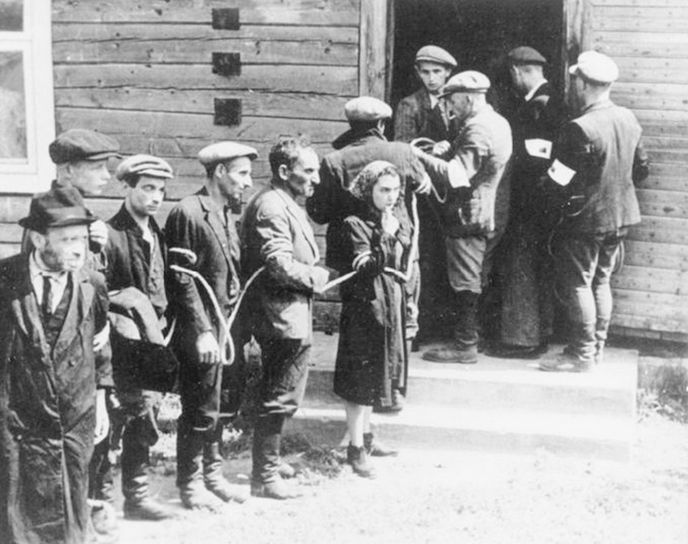
Владимир
Гельфанд 22 числа посетил вместе с Олей и ее подругами Валей Иашковой [?] и Майей Белокопытовой в Малый театр, гастролировавший в Днепропетровске. Шла комедия Островского А. Н. «Правда хорошо, а счастье лучше». Комедия ставилась знаменитыми народными и заслуженными артистами союза и республики и прошла с большим успехом, несмотря на слабость сюжета, свойственную ранним произведениям Островского. Веселые и возбужденные постановкой, мы покинули зрительный зал драмат[ического] театра им. Горького. По улицам, в трамваях теснилось и суетилось множество людей. В трамваях висели на подножках, так что с трудом удалось сесть в него и выбраться на нужной остановке. У Оли мы узнали, что Германия объявила нам войну. Это было ужасно и неожиданно. Олю вызвали в школу, и, т. к. мамы не было дома, я тоже пошел с ней. Там все ребята были уже в сборе. Комсомольцы и не комсомольцы клеили окна, рыли ямы, хлопотали, шумели и вообще были в необычном состоянии и поколебали мое неверие в совершившееся. Но вот ребята стали собираться у репродуктора, подошел и я, услышал по радио речь т. Молотова. Тут уже не было основания для неверия, и пришлось согласиться с совершившимся фактом.
Сергей Беркнер Жизнь и борьба Белостокского гетто Было около четырех часов утра 22 июня. На улице светло как днем. Небо молнией перерезали гитлеровские (их было много!) и советские (их было ужасно мало!) самолеты. Бомбы разрывались совсем близко — наш дом находился недалеко от железнодорожного вокзала. Где‑то горело, поднимались клубы черного дыма, пахло гарью. Все выбежали во двор. Над нами жили два офицера НКВД. Когда они пробежали мимо отца, он их спросил: «Что происходит? Это война?» Проявив должную бдительность, они успели ответить: «Вероятно, это маневры…» Надо было что‑то решать. Как допризывник, я ушел в школу и со многими другими ребятами‑выпускниками направился в военкомат. Там полным ходом шла эвакуация. На машины грузили ящики с бумагами, сейфы, и один из работников военкомата, посмотрев на нас, посоветовал: «А вы, хлопцы, не беспокойтесь». А затем философски добавил: «Когда положено будет, получите повестки». Позже стало известно, что военкомат, как и другие советские учреждения, срочно эвакуировался в первые два дня. И, конечно, ни в Белостоке, ни в десятках других городов и районов, оккупированных в первые дни, повесток из военкомата никто уже не получил.
Эстер
Маркиш Утром 22 июня 1941 года мы с Маркишем собирались ехать в подмосковный поселок Ильинское — осматривать дачу, которую Маркиш намеревался купить. Около полудня мы уже стояли в дверях, когда раздался телефонный звонок. Звонила моя мать. Подняв трубку, я услышала только одно слово: «Война!» Войны и ждали, и не ждали — надеялись, что «мудрая сталинская политика» убережет Советский Союз от столкновения с Германией, и не верили в это. И однако начало войны было чудовищной неожиданностью, громом среди ясного неба. Пять минут спустя Маркиш уехал в Союз писателей, на воинский призывной пункт. А я отправилась в загородный пионерский лагерь, где отдыхали летом дети писателей; там жили наши дети Симон и Ляля.
Соломон Перел 22 июня 1941 года. Наступление началось на рассвете. В 5 часов мы вскочили со своих кроватей от рева первых авиабомб, сброшенных немцами. Несколько минут спустя мы узнали, что началась война. Немцы нарушили пакт о ненападении и начали наступление на Россию. Советский воспитатель, еврей, вдруг появился в спальне и приказал всем еврейским детям быстро одеваться и спасаться бегством. Повсюду работали громкоговорители. Мы слышали, как нарком иностранных дел Молотов провозгласил «отечественную войну за Родину». 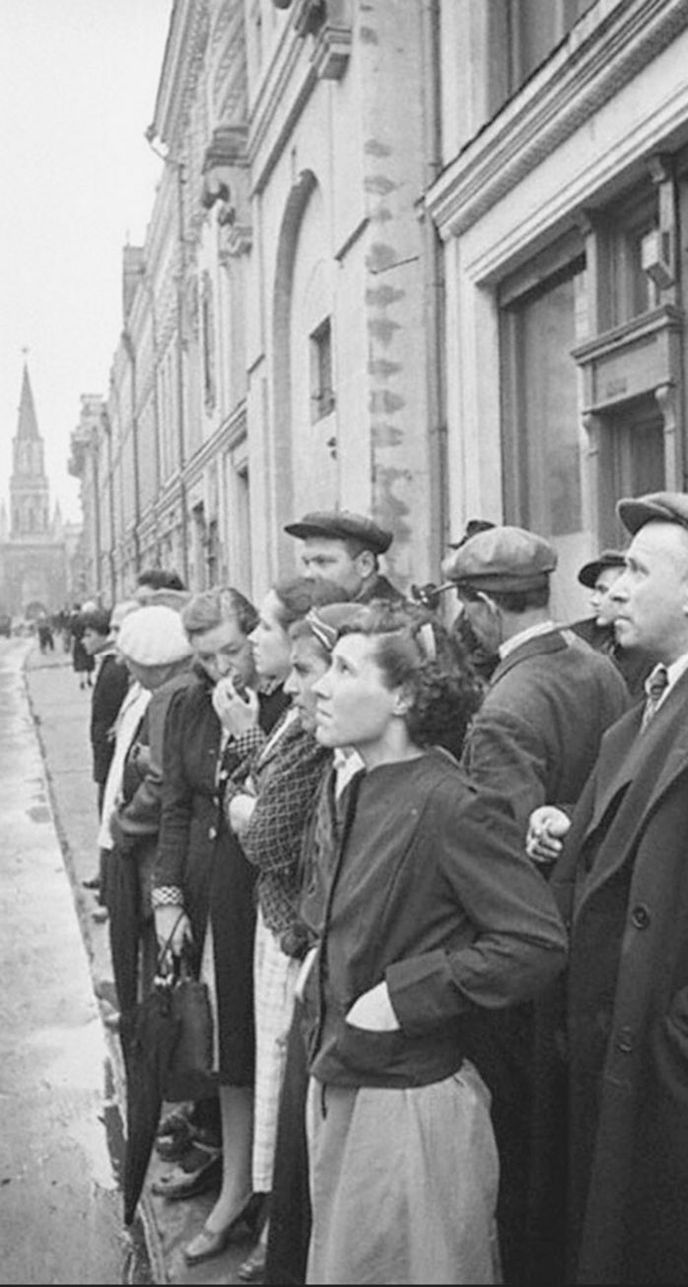 В дорогу отправились целой группой. Мы думали, что Красная Армия с фашистскими завоевателями расправится быстро, прежде, чем нам удастся добраться до Минска. Об этом мы пели в наших советских патриотических песнях, об этом говорилось в речах партийных функционеров, непрестанно обещавших уничтожить противника. Но во время нашего бегства перед нами открывалась другая картина. Дороги и поля усеяны были мертвыми и ранеными. Везде распространялись пожары, воздух был полон ядовитым дымом и сладковатым трупным запахом. Нашу группу охватила паника, все разбежались. Я остался один и хотел пробиваться на север, к Сморгони, чтобы добраться до брата Исаака. Однако волна беженцев захватила меня с собой на восток и привела в маленькую деревню неподалеку от Минска. Там я узнал, что дальше на восток бежать невозможно, потому что немцы заняли город. Повсюду я видел ужасные следы опустошения. 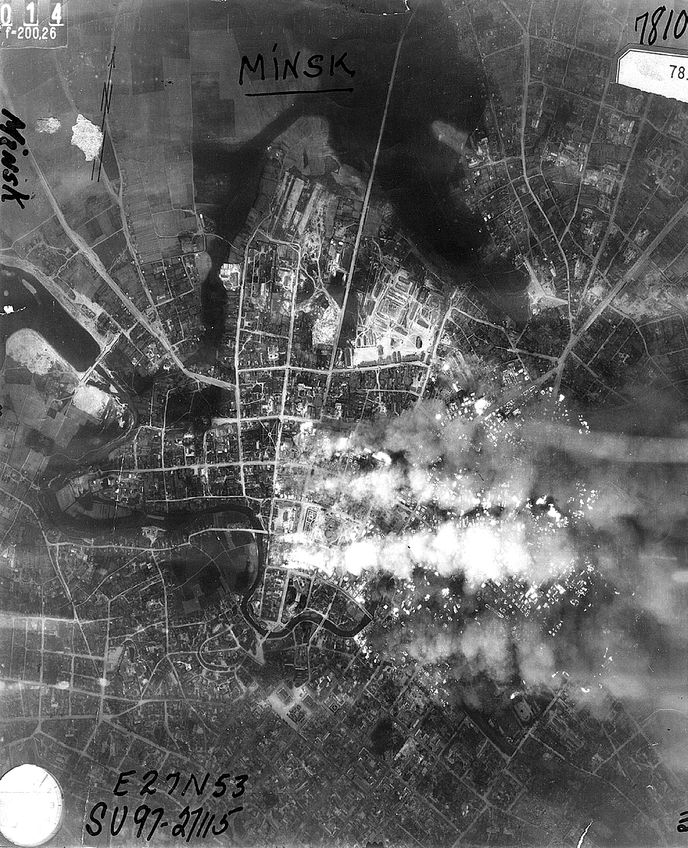 В этом кошмаре я старался сохранять ясную голову. Как тысячи других, я стал спасаться бегством. Перепрыгивал через перевернутые повозки, повисал на борту переполненного грузовика. И при этом только одно было у меня в голове: я должен выжить. Земля горела под градом бомб и гранат. Плотный дым поднимался к небу, потом рассеивался. Свист смертоносных металлических снарядов, начиненных взрывчаткой, усиливался, приближаясь. Когда над нами пролетали самолеты со свастикой и крестами, я бросался плашмя на землю, чтобы защититься от них, хоронился под корни деревьев, чтобы избежать взрывной волны. Вторжение это по праву называли блицкригом. Характерным для него было продвижение огромных танковых колонн в глубь вражеской территории, не особо задумываясь о том, что творится на флангах. 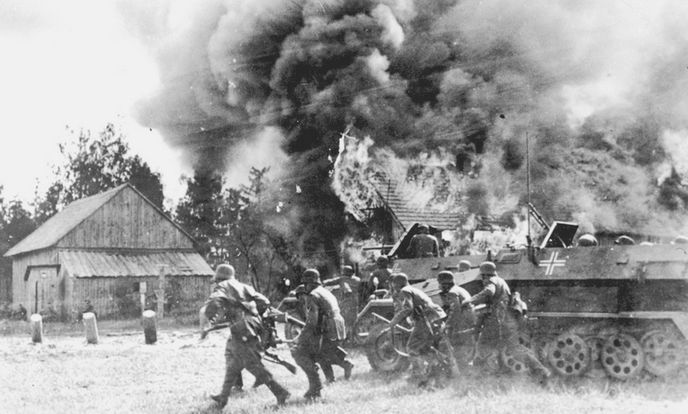 Когда танки доходили до определенной цели, то разделялись на две колонны, двигавшиеся направо и налево, пока путем многократного разветвления не присоединялись к другим, параллельно действующим танковым колоннам. Таким образом немцам удалось в течение нескольких дней образовать клин, который они контролировали с севера на юг по всей линии фронта. Поэтому Красной Армии приходилось действовать между такими клиньями, то есть фактически в окружении противника. Положение становилось драматичным: куда ни посмотришь, везде пожары, раненые и убитые… Мне было 16 лет.
Геда Зиманенко В июне 41‑го года я была в санатории, лечила язву. Дети с детским садом уехали, а Марк оставался в Москве, работал. 21 июня, в субботу, я вернулась в Москву. Марк встретил меня у поезда — вижу, что уставший, но рад моему возвращению. Я говорю ему: «Марочка, странно так — я тревожусь: военные обычно вежливые, воспитанные, а тут всю дорогу в поезд без билетов садились, проводниц отшвыривали и в вагон лезли». Он ответил, не задумываясь: «Летние месяцы, военные домой в отпуск едут, железная дорога, как всегда, не справляется», — так легко, спокойно сказал — моя тревога и ушла. Мы пришли домой в Барабанный переулок, и Марк говорит: «На электроламповом заводе сегодня будет открытое партийное собрание, пойдем». Была уже середина дня. Детей нет, мы одни дома, впереди воскресенье — редко так бывало. Я ничего делать не стала, просто посидели, поговорили, а вечером пошли на собрание. Зал большой, доклад делал военный — генерал, со шпалами в петлицах. Рассказывал о международном положении, сказал, что у нас все хорошо, мир прочен, с немцами пакт о ненападении, так что беспокоиться не о чем. Его засыпали вопросами: почему немцы стоят на нашей границе, почему провокации? А он ответил: «Мы с немцами дружим, они нам помогают техникой, мы им хлебом, и все это я точно знаю». И в конце он сказал с пафосом: «На нашей земле войне не бывать», — и эти слова я потом вспоминала всю войну, и стали они для меня черными словами… Мы успокоились, пришли домой и легли спать. Спали хорошо. Утром Марк говорит: «Гедочка, у нас дома хлеба нет — забыл купить, пока ты в санатории была. Я схожу в магазин». — «Иди». А я стала пол мыть: целый месяц женщины дома не было — пыль всюду, пол месяц не мыт. Включила радио — передавали музыку. Я рада, что домой вернулась, что Марк рядом, музыку слушаю, на душе хорошо… И вдруг музыка прерывается — «экстренное сообщение», Левитан. И тут возвращается из булочной Марк — без хлеба, вид растерянный, недоуменный: «Гедочка, не могу понять, в чем дело: жуткая очередь, все молчат, покупают хлеб мешками… Я помыкался и ушел, обойдемся пока». И тут опять радио, и уже выступление Молотова: «Сегодня, двадцать второго июня, в 4 часа утра, без объявления войны, германские войска напали на нашу страну…» И сразу, как он закончил, в коридоре шум, беготня, коридор длинный — кто‑то бежит и кричит, и такой ликующий звук!.. Мы выглядываем за дверь — а у двери листовка «Бей жидов — спасай Россию». Вот почему офицеры в поезд без билета садились: знали уже. Уже крепость бомбили, города бомбили, предатели появились, которые все знали и листовки бросали, Сталина не боялись, не скрывались. До войны мы забыли о национальностях — все вместе интернационалистами были, ни разу нам с Марком не напомнили, что мы евреи. И вот в первый день войны мы узнали, что мы жиды.
Миша Лев Было воскресенье, но я поднялся намного раньше, чем в будни. К двум часам надо было быть в институте, где предстояло сдать устный экзамен. Никакие отговорки на экзамене по школьной гигиене не помогут. Профессору надо отвечать в точном соответствии с учебником, который он же и написал. Сижу, зубрю уже с пяти утра. Вопрос только в том, довезу ли я наскоро приобретенные знания от своего подмосковного жилья до института. За это время все еще может вытрястись из головы. На железнодорожной платформе сегодня шумнее, чем обычно. В воскресенье многие люди уезжают из города. Поезда идут один за другим, и вагоны переполнены. Радио транслирует музыку. Но кто в этом шуме может ее воспринять? Вдруг радио умолкает, и после короткой паузы слышится необычно напряженный голос диктора: «Говорят все радиостанции Советского Союза». И еще раз: «Говорят…» Кто мог ожидать, что через минуту мы услышим: «Гитлер напал на наши границы». Продолжаю ехать в институт, но уже не знаю, зачем. Ведь завтра пойду в военкомат и заявлю: «Посылайте меня на фронт». 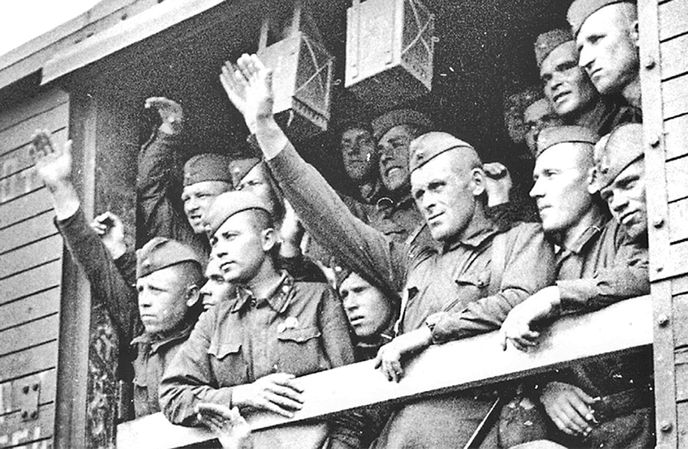 В тот самый день, когда началась война, 22 июня 1941 года, мой отец написал мне и моему брату Исроэлу (Изе): «Мы с мамой сегодня ночью не сможем заснуть. Сердце болит за вас, дети, но мы благословляем вас и заклинаем: бейте проклятого врага».
Лена
Розенберг‑Едваб Понедельник, 22 июня 1942 года Сегодня год с начала войны. Год тому назад из окна поезда, который шел из Друскининкая в Белосток (и не дошел!), мы слышали грохот с багрового неба над горящим Гродно, взрывы бомб, гул немецких бомбардировщиков. Тогда я еще не имела ни малейшего понятия о том, чем нам грозит война… Верила, что скоро буду дома. Сейчас я далеко от линии фронта, ужасов войны не вижу. Но нам уже сообщили, что семьсот тысяч человек пропали без вести, погибших и раненых — миллионы! Люди на костылях, без рук, без челюстей, с отмороженными ногами, искалеченными лицами, изуродованными телами… Жены без мужей, матери без сыновей… Каждый день дети оплакивают погибших отцов и братьев. В нашем классе две девушки потеряли своих отцов. Виталий — девятнадцатилетнего брата. Столько сирот в Советском Союзе и вообще в мире. Об этом не пишут в газетах, не слагают песен, потому что надо крепить дух для борьбы и развивать идею свободы. Однако положение трагично: про западный фронт пока нет никаких новостей. Надежды на весну и лето не сбылись. Сталин в своей речи сказал, что войну надо закончить в 1942 году. Неужели это возможно? 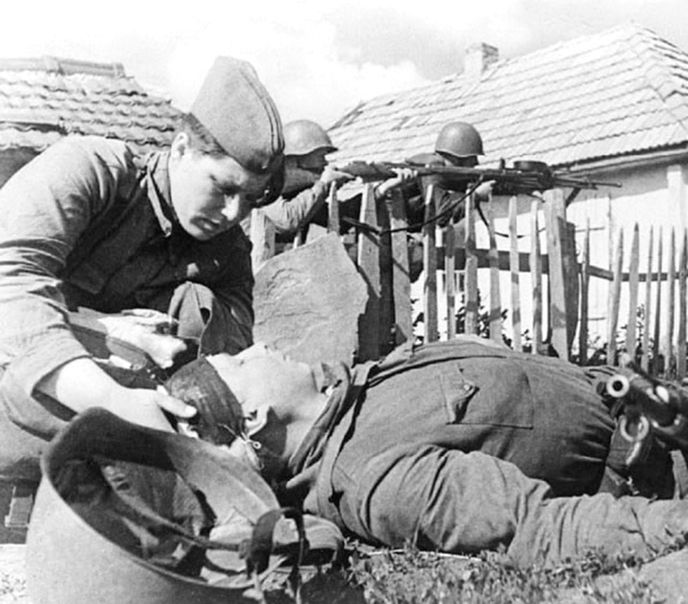 |
 Russian
|
Lechaim No. 06/2021 (350) Literary and journalistic almanac Published since 1991 Editor-in-chief: Borukh Gorin ISSN 0869-5792 128 pages Signed for printing: 19 May 2021 Publication date: 6 June 2021 © Lechaim, 2021 Format 60 × 90/8. Print run: 23,500 copies 16 printer’s sheets. Price by agreement ISBN 978-5-9953-0777-8 Lechaim is registered with the Press Committee of the Russian Federation, registration number 01126 dated 22 May 1992. Founder: Religious organization of Orthodox Judaism, Moscow Maryina Roshcha Jewish Community. E-mail: lechaim@lechaim.ru The magazine publishes prominent public figures, journalists, music, literary and art critics, translators, historians and art historians, as well as Russian and foreign writers whose work reflects Jewish themes. Every issue includes a body of translated materials by leading foreign journalists and prose writers. The literary section includes fiction by twentieth-century classics and contemporary authors of Jewish and Israeli literature translated from Yiddish, Hebrew, English and other languages; original photo stories, essays, documentary stories and sketches by Russian-language writers. Every month Lechaim also carries a review of new books from leading Russian and Jewish publishing houses. |
|
Eighty years ago the Great Patriotic War began. We have prepared a selection of quotations showing how authors of books published by Knizhniki remember that day, 22 June 1941.
Grigory Kanovich On 22 June 1941, the pre-dawn silence in Jonava, steeped in the smell of lilacs that had not yet finished blooming in the front gardens and of fresh milk that lively peasant milkmaids had only yesterday carried in buckets all through the town, was blown apart by bombs. Mother was the first to wake from that unimaginable, deafening roar. She flung the window wide open and looked at the brightening sky, streaked by ominous flashes from a distant fire. Listening to the peals of incomprehensible, unceasing thunder, she suddenly saw a squadron of aircraft with swastikas on their sides approaching. They flew over dense mushroom woods, beyond which, at Gaižiūnai, a Red Army unit was stationed. From there, waves of powerful explosions kept rolling over the sleepy town one after another almost without interruption. Alarmed, Mother began waking Father. He muttered something in his sleep, turned from side to side, pulled the blanket over his head and buried himself in the pillow, but Mother stubbornly kept pounding him with her fists and saying: “Get up, Shleimke! Get up!” “What happened?” he asked, looking reproachfully at his wife through sleep-heavy eyes. “War!” “What war? What have you imagined?” And then, as if in answer to his question, the thunder outside began again and tracer fire stitched across the sky. It seemed as though a mad tailor had climbed onto a lonely cloud and was endlessly rattling away at a sewing machine. “This really is a nightmare, Khenka. Everyone was waiting for the Germans and Russians to butt heads. And now it has happened! They have collided!” “In my opinion, the Lithuanians themselves were waiting for it more than anyone. Unlike us Jews, they were mostly afraid of the Russians coming, not the Germans. I am not afraid for myself, but I am very worried about Hirshke… He still has his whole life ahead of him.” “And he will live. Just make sure the boy does not leave the house these days. And do not stick your own head out unnecessarily either. Right now, one wrong step could cost a life.” “I will of course keep an eye on him, but what are we to do with the helpless Kogans? Without care they will be completely lost. The old people can barely move anymore. Imagine, I even lead Ruvim by the arm to the toilet. They need help undressing and getting into bed. All they can do on their own is lift a spoon to their mouths with a trembling hand.” “I feel sorry for them, but what can we do? Right now, harsh as it sounds, everyone has to think about and care for themselves and their own old people, not those unfortunate Kogans. My mother probably will not leave Jonava either. Whatever happens, she will never part with her Dovid…” While they talked in lowered voices and tried to decide what should be done first — pack suitcases immediately or wait a little longer to see which side would prevail — the bombing of the military unit at Gaižiūnai did not stop for a moment and only became stronger and fiercer. Waves of roaring noise crashed over the town, and its inhabitants did not know where to hide from the horror. “Poor Valery Fishman!” Mother suddenly remembered the senior lieutenant from Gomel. “I wonder if he has been killed?” “We are all poor. If the Red Army does not stop the Germans, we will have to get out of here. We have no other choice. Pick up our feet and hit the road!” Father said. “Where?” “Wherever there are no Germans.” “Perhaps they still will not reach us. Shmulik said the Red Army is the strongest in the world. It will repel any enemy. No one can defeat it.” “Your nimble brother says all sorts of things! Some military expert he turned out to be! He cannot tell an infantryman from a pilot,” Father cut her off. Mother and Father did not notice dawn breaking. The streets of Jonava, normally crowded from the morning onward with the most varied people, were empty. Huge locks hung on shop doors. Not a single worshipper could be seen hurrying to morning service at a church or synagogue. Only homeless dogs chased equally homeless cats trying to hide from them in gateways. From time to time army vehicles roared through the emptied streets of the town, carrying wounded tank crews from Gaižiūnai to the district military hospital in Kaunas. “I have the feeling that from today all our former life has been cancelled,” Father said gloomily. “It seems the tailor, if he stays alive, will have to say goodbye to his old trade for a while — perhaps forever.” My parents fell silent for short periods, trying to hide their dejection and confusion inside the silence. Taking turns, they kept going to the window, but the same picture opened before them each time — emptiness threatening God knew what unforeseen dangers. Only around noon did some Lithuanian stalls and shops open. Because of complete lawlessness and chaos, Jewish shopkeepers, fearing reprisals and pogroms, stayed at home as if in trenches. Their fears were not unfounded. Here and there groups of young men with white armbands began to appear in the streets, replacing the guardians of order from the department where Shmulik Dudak served. While German units were still fighting far from Jonava, these young men concealed their intentions and did not touch anyone; they merely peered intently at every passerby, judging from appearance whether the person belonged to the Jewish tribe from which, in their patriotic fervor, they had vowed urgently to rid long-suffering Lithuania.
Vladimir Gelfand On the 22nd I went together with Olya and her friends Valya Iashkova [?] and Maya Belokopytova to the Maly Theatre, which was touring in Dnepropetrovsk. Ostrovsky’s comedy Truth Is Good, but Happiness Is Better was being performed. The comedy was staged by famous People’s and Honored Artists of the Union and the republic and was a great success despite the weakness of the plot characteristic of Ostrovsky’s early works. Cheerful and excited by the production, we left the auditorium of the Gorky Drama Theatre. The streets and trams were crowded and bustling with people. Passengers hung from the tram steps; it was difficult to get aboard and then get out at the necessary stop. At Olya’s we learned that Germany had declared war on us. It was terrible and unexpected. Olya was summoned to school, and since her mother was not at home, I went with her. All the youngsters were already assembled there. Komsomol members and non-members were taping windows, digging pits, fussing, making noise and generally behaving in an unusual way, shaking my disbelief in what had happened. Then the youngsters began gathering around the radio loudspeaker. I went over too and heard Comrade Molotov’s speech on the radio. There was no longer any basis for disbelief; I had to accept the accomplished fact.
Sergei Berkner Life and Struggle of the Białystok Ghetto It was about four in the morning on 22 June. Outside it was bright as day. Hitler’s planes — there were many of them — and Soviet planes — there were terribly few — cut across the sky like lightning. Bombs exploded very close by; our house stood not far from the railway station. Something was burning somewhere, black smoke billowed upward, and the smell of burning filled the air. Everyone ran out into the yard. Two NKVD officers lived above us. As they ran past Father, he asked them: “What is happening? Is this war?” Displaying due vigilance, they managed to answer: “Probably maneuvers…” Something had to be decided. As a pre-conscription youth, I went to school and together with many other graduating boys headed for the military enlistment office. Evacuation was already in full swing there. Boxes of papers and safes were being loaded onto vehicles, and one of the office employees looked at us and advised: “You boys need not worry.” Then he added philosophically: “When the time comes, you will receive your call-up papers.” Later it became known that the military enlistment office, like other Soviet institutions, had urgently evacuated during the first two days. Of course, neither in Białystok nor in dozens of other towns and districts occupied in the first days did anyone ever receive enlistment notices.
Esther Markish On the morning of 22 June 1941, Markish and I were preparing to travel to the village of Ilyinskoye outside Moscow to inspect a dacha that Markish intended to buy. Around noon we were already standing in the doorway when the telephone rang. It was my mother. I picked up the receiver and heard only one word: “War!” The war had been expected and not expected. People hoped that “wise Stalinist policy” would spare the Soviet Union a clash with Germany, and did not believe it would happen. Yet the beginning of the war was a monstrous surprise, a bolt from the blue. Five minutes later Markish left for the Writers’ Union, to the military mobilization point. I went to a pioneer camp outside the city where writers’ children spent the summer; our children, Simon and Lyalya, were there.
Solomon Perel 22 June 1941. The offensive began at dawn. At five o’clock we jumped out of bed to the roar of the first aerial bombs dropped by the Germans. A few minutes later we learned that war had begun. The Germans had broken the non-aggression pact and launched an attack on Russia. A Soviet educator, a Jew, suddenly appeared in the dormitory and ordered all Jewish children to dress quickly and save themselves by fleeing. Loudspeakers were working everywhere. We heard People’s Commissar for Foreign Affairs Molotov proclaim a “patriotic war for the Motherland.” We set out as a whole group. We thought the Red Army would deal with the fascist invaders quickly, before we even managed to reach Minsk. That was what we sang in our Soviet patriotic songs; that was what Party officials said in speeches, constantly promising to destroy the enemy. But during our flight a different picture opened before us. Roads and fields were strewn with dead and wounded people. Fires spread everywhere, the air was full of poisonous smoke and the sickly-sweet smell of corpses. Panic seized our group and everyone scattered. I remained alone and wanted to make my way north toward Smorgon in order to reach my brother Isaac. But a wave of refugees swept me eastward and brought me to a small village not far from Minsk. There I learned that it was impossible to flee farther east because the Germans had taken the city. Everywhere I saw terrible traces of devastation. In this nightmare I tried to keep a clear head. Like thousands of others, I began fleeing for my life. I jumped over overturned carts and clung to the side of an overcrowded truck. Only one thing was in my mind: I had to survive. The earth burned under a hail of bombs and shells. Dense smoke rose into the sky and then dispersed. The whistle of deadly metal projectiles packed with explosives grew louder as they approached. When planes with swastikas and crosses flew over us, I threw myself flat on the ground to protect myself, hiding beneath tree roots to escape the blast wave. This invasion was rightly called blitzkrieg. It was characterized by huge tank columns driving deep into enemy territory without paying much attention to what was happening on their flanks. When the tanks reached a particular objective, they split into two columns moving to the right and left, repeatedly branching until they joined other tank columns operating in parallel. In this way the Germans managed within a few days to create a wedge that they controlled from north to south across the entire front line. The Red Army therefore had to operate between such wedges — effectively surrounded by the enemy. The situation became dramatic: wherever you looked there were fires, wounded and dead people… I was sixteen years old.
Geda Zimanenko In June 1941 I was in a sanatorium, being treated for an ulcer. The children had gone away with their kindergarten group, while Mark remained in Moscow working. On Saturday, 21 June, I returned to Moscow. Mark met me at the train. I could see he was tired but happy I was back. I said to him: “Marochka, it is strange — I am worried. Military men are usually polite and well brought up, but all the way here they kept boarding the train without tickets, pushing the conductors aside and climbing into the carriages.” Without thinking, he answered: “It is summer. Soldiers are going home on leave, and the railway, as always, cannot cope.” He said it so lightly and calmly that my anxiety disappeared. We came home to Barabanny Lane, and Mark said: “There will be an open Party meeting today at the electric-lamp factory. Let’s go.” It was already the middle of the day. The children were away, we were alone at home, and Sunday lay ahead — that rarely happened. I did not do anything; we simply sat and talked, and in the evening went to the meeting. The hall was large. A military man — a general, with rank bars on his collar patches — gave the report. He spoke about the international situation and said everything was fine, peace was secure, there was a non-aggression pact with the Germans, so there was nothing to worry about. People showered him with questions: why were the Germans standing on our border, why were there provocations? He answered: “We are friends with the Germans. They help us with technology, we help them with grain, and I know all this for certain.” At the end he said with pathos: “There will be no war on our soil.” I remembered those words throughout the war, and for me they became dark words… We calmed down, went home and slept. We slept well. In the morning Mark said: “Gedochka, we have no bread at home. I forgot to buy any while you were in the sanatorium. I’ll go to the shop.” “Go.” I began washing the floor. There had been no woman in the house for a month; dust was everywhere, and the floor had not been washed for a month. I turned on the radio. Music was playing. I was happy to be home, happy that Mark was beside me, listening to music, feeling good… Suddenly the music stopped: “Emergency announcement,” Levitan. At that moment Mark returned from the bakery without bread, looking bewildered and confused: “Gedochka, I cannot understand what is happening. There is a terrible queue, everyone is silent, people are buying bread by the sackful… I pushed around for a while and left. We will manage without it for now.” Then the radio came on again, and now it was Molotov speaking: “Today, the twenty-second of June, at four o’clock in the morning, without a declaration of war, German troops attacked our country…” As soon as he finished, there was noise and running in the corridor. The corridor was long — someone was running and shouting, and there was such a triumphant sound! We looked out the door — and by the door was a leaflet: “Beat the kikes — save Russia.” That was why the officers had been boarding the train without tickets: they already knew. The fortress was already being bombed, cities were already being bombed, traitors had appeared who knew everything and were throwing out leaflets; they did not fear Stalin and did not hide. Before the war we had forgotten about nationalities — we were all internationalists together, and not once had anyone reminded Mark and me that we were Jews. And on the first day of the war we learned that we were “kikes.”
Misha Lev It was Sunday, but I got up much earlier than on weekdays. By two o’clock I had to be at the institute for an oral examination. No excuses would help in the school-hygiene exam. The professor expected answers exactly in accordance with the textbook he himself had written. I sat cramming from five in the morning. The only question was whether I would manage to carry the knowledge I had hastily acquired from my suburban home all the way to the institute; it could all be shaken out of my head on the way. The railway platform was noisier than usual. On Sundays many people left the city. Trains came one after another and the carriages were overcrowded. The radio was broadcasting music, but who could hear it in that noise? Suddenly the radio fell silent and, after a short pause, an unusually tense announcer’s voice could be heard: “All radio stations of the Soviet Union are speaking.” Then again: “Speaking…” Who could have expected that a minute later we would hear: “Hitler has attacked our borders.” I continued traveling to the institute but no longer knew why. After all, tomorrow I would go to the military enlistment office and say: “Send me to the front.” On the very day the war began, 22 June 1941, my father wrote to my brother Isroel (Izya) and me: “Mother and I will not be able to sleep tonight. Our hearts ache for you, children, but we bless you and charge you: strike down the accursed enemy.”
Lena Rosenberg-Yedvab Monday, 22 June 1942 Today is one year since the beginning of the war. A year ago, from the window of a train traveling from Druskininkai to Białystok — a train that never arrived — we heard the thunder from the crimson sky over burning Grodno, bomb explosions and the drone of German bombers. At that time I had not the slightest idea what the war threatened us with… I believed I would soon be home. Now I am far from the front line and do not see the horrors of war. But we have already been told that seven hundred thousand people are missing and that the dead and wounded number in the millions. People on crutches, without arms, without jaws, with frostbitten legs, mutilated faces and disfigured bodies… Wives without husbands, mothers without sons… Every day children mourn fathers and brothers who have died. Two girls in our class have lost their fathers. Vitaly lost his nineteen-year-old brother. There are so many orphans in the Soviet Union and in the world generally. The newspapers do not write about this and songs are not composed about it, because morale has to be strengthened for the struggle and the idea of freedom has to be developed. Yet the situation is tragic. There is still no news from the Western Front. Hopes for spring and summer have not come true. Stalin said in his speech that the war must be ended in 1942. Can that really be possible? |
