


 |
 |
 |
 |
|
Повседневная жизнь победителей в
советской зоне оккупации Германии в воспоминаниях участников событий
Everyday Life of the Victors in the Soviet Occupation Zone in Germany in the Memoirs of Participants in the Events |
||
|
Аннотация. В ходе многолетней работы появилась книга о повседневной жизни служащих советских оккупационных войск и администрации в Германии в 1945-1949 гг. Состояние исследования в данный момент не предполагает обобщенного социокультурного обзора, но свидетели того времени предоставляют нам интересные эго-источники. Двенадцать таких источников, дополненных редкими фотографиями, составили книгу, которая предназначена для широкого круга читателей в Германии и демонстрирует мультиперспективный взгляд на рождение новой Германии после войны. В данной статье представлена часть введения к книге. Перевод с немецкого выполнен Н. С. Руденко. |
||
|
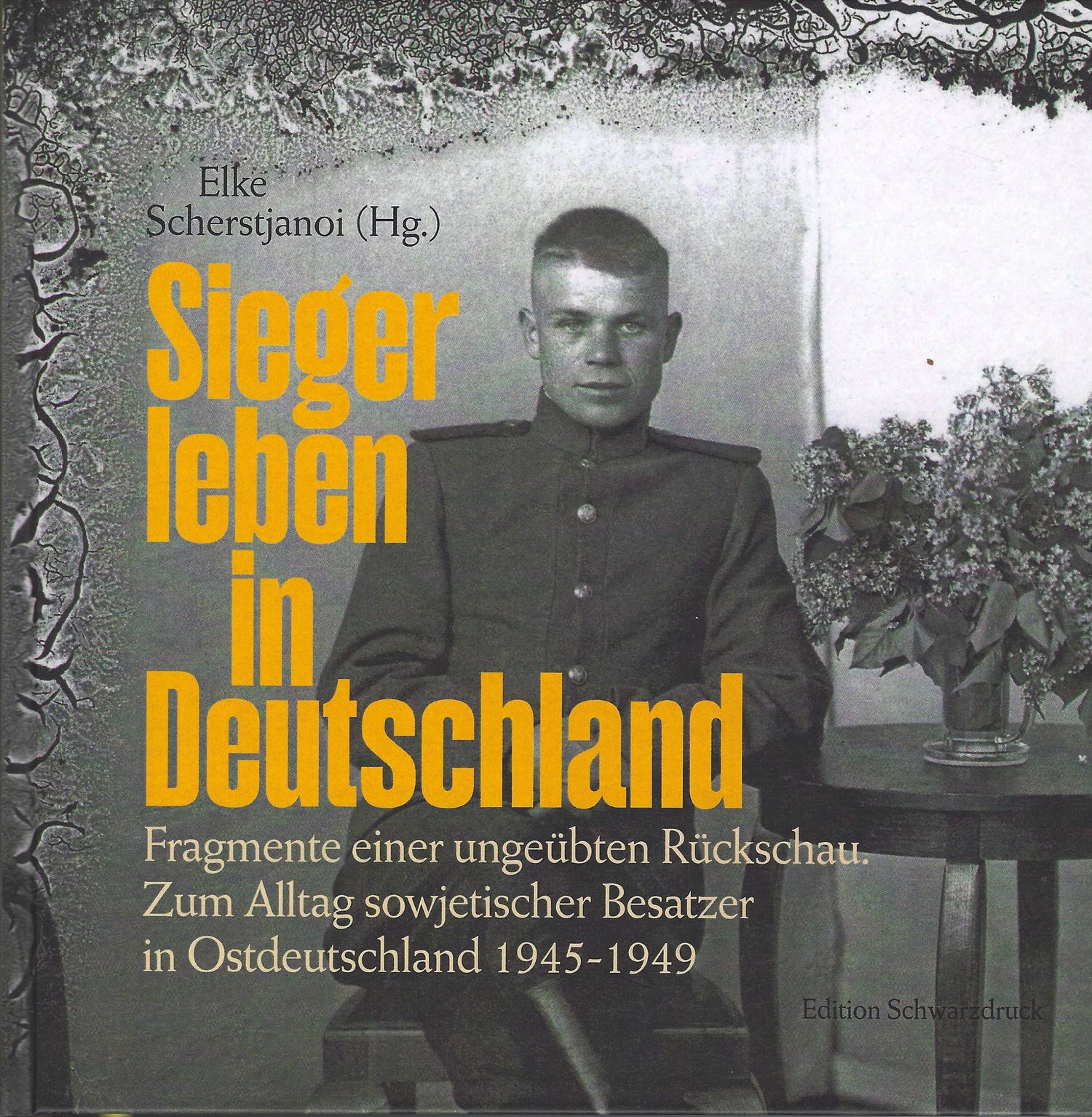
Данная работа представляет собой сокращенное введение к книге «Жизнь победителей в Германии. Фрагменты непрактиковавшейся ретроспективы. О повседневной жизни советских оккупантов в Восточной Германии в 1945-1949 гг.», подготовленной к изданию Э. Шерстяной (Sieger leben in Deutschland. Fragmente einer ungeübten Rückschau. Zum Alltag sowjetischer Besatzer in Ostdeutschland 1945-1949 / Hrsg. Elke Scherstjanoi. - Gransee: Edition Schwarzdruck, 2020). This contribution is a shortened version of the introduction to Elke Scherstjanoi, ed., Sieger leben in Deutschland. Fragmente einer ungeübten Rückschau. Zum Alltag sowjetischer Besatzer in Ostdeutschland 1945-1949 (Gransee: Edition Schwarzdruck,2020). *Для цитирования: Шерстяной Э. Повседневная жизнь победителей в советской зоне оккупации Германии в воспоминаниях участников событий // Historia Provinciae - Журнал региональной истории. - 2020. - Т. 4. - № 4. - С. 1174-1213. DOI: 10.23859/2587-8344-20204-4-3 For citation: Scherstjanoi, E. "Everyday Life of the Victors in the Soviet Occupation Zone in Germany in the Memoirs of Participants in the Events." Historia Provinciae - The Journal of Regional History, vol. 4, no. 4 (2020): 1174-213, http://doi.org/10.23859/2587-8344-2020-4-4-3 ЖУРНАЛ
РЕГИОНАЛЬНОЙ ИСТОРИИ Т. 4 №4 |
 |
 |
|
Elke
Scherstjanoi,
Privatdozentin Dr. Elke Scherstjanoi ist Zeithistorikerin. Von
1975 bis 1980 studierte sie Geschichte an der
Universtät in
Krasnodar (UdSSR). 1980 bis 1991 wissenschaftliche Mitarbeiterin am
Zentralinstitut für Geschichte der AdW der DDR, promovierte
sie
dort 1987. 2010 erfolgte die Habilitation an der TU Chemnitz. Seit 1994
arbeitet sie am Institut für Zeitgeschichte
München-Berlin,
sie lehrte und lehrt seit 1992 in Berlin und Chemnitz sowie an
russischen Universitäten (Woronesh und
Archangelsk).Forschungsschwerpunkte sind die politische Geschichte der
Sowjetischen Besatzungszone und der DDR, der deutsch-sowjetischen
staatlichen Beziehungen seit 1945 und deutsch-sowjetischer
Nachkriegsbegegnungen, die Geschichte der sowjetische Kriegsfeldpost,
der deutschen Kriegsgefangenschaft in der UdSSR, Gedenkpolitik und Oral
History. Aktuelle Forschungen betreffen den Besatzeralltag in der
Sowjetischen Besatzungszone 1945-1949. |
||
|
Доктор Эльке Шерстяной — приватдоцент, историк современности. С 1975 по 1980 год изучала историю в университете Краснодара (СССР). С 1980 по 1991 год была научным сотрудником Центрального института истории Академии наук ГДР, где в 1987 году защитила докторскую диссертацию. В 2010 году получила хабилитацию в Техническом университете Хемница. С 1994 года работает в Институте новейшей истории Мюнхен–Берлин. С 1992 года преподавала и преподаёт в Берлине и Хемнице, а также в российских университетах (Воронеж и Архангельск). Основные направления её исследований — политическая история Советской оккупационной зоны и ГДР, советско-германские государственные отношения с 1945 года, послевоенные контакты между СССР и Германией, история советской военной почты, пребывание немецких военнопленных в СССР, политика памяти и устная история. Актуальные исследования посвящены повседневной жизни оккупантов в Советской оккупационной зоне в 1945–1949 годах. |
||
| |
||
 |
 |
 |
 |
 |
 |
 |
|
 |
 |
||
 |
 |
 |
||
|
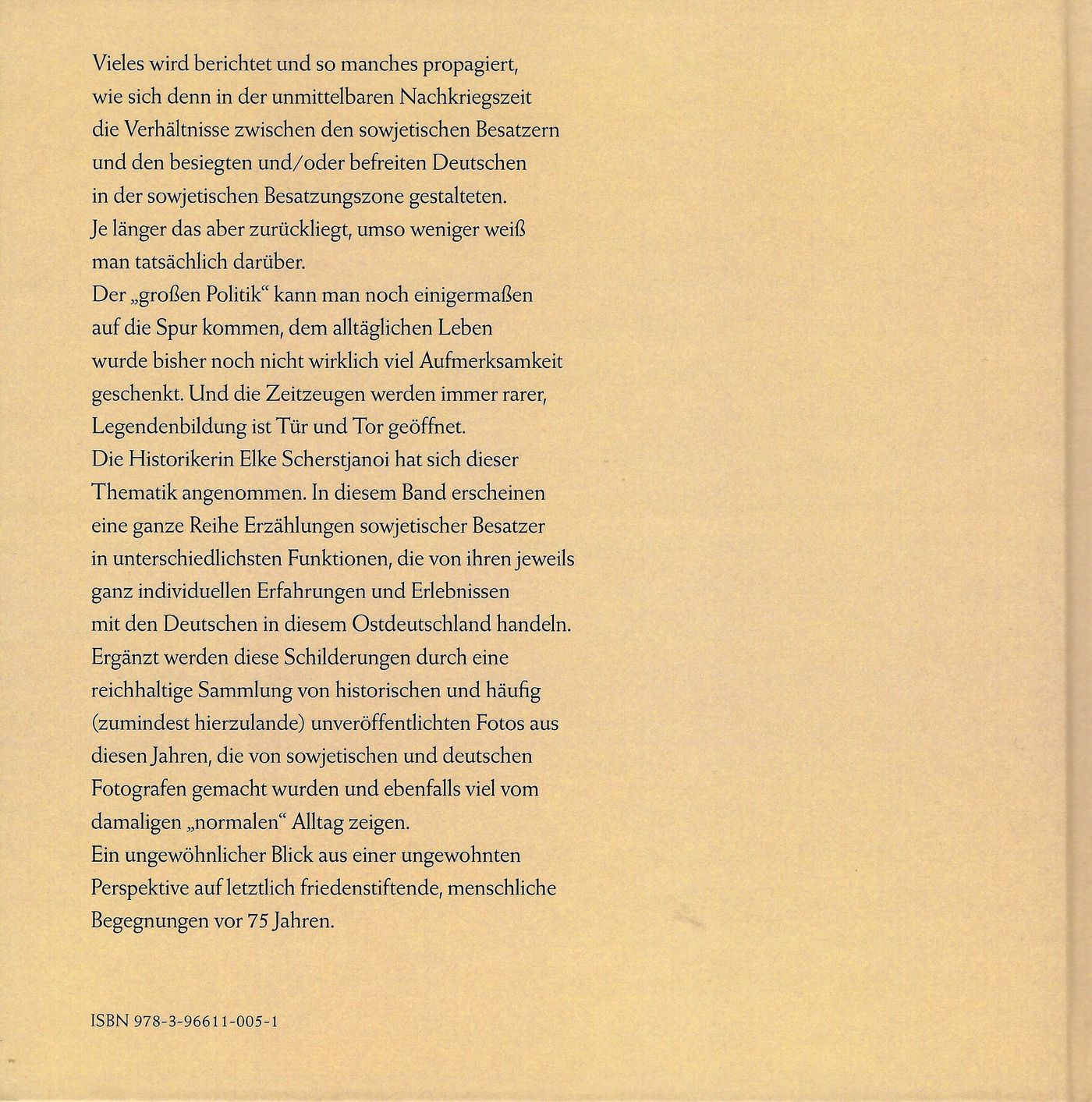
В многочисленных исследованиях и публикациях рассматриваются вопросы взаимоотношений между советскими оккупантами и побеждённым и/или освобождённым немецким населением в Советской оккупационной зоне в непосредственный послевоенный период. Однако по мере удалённости от событий фактические знания об этой теме значительно уменьшаются. Если деятельность высших политических органов ещё может быть прослежена на основе документальных источников, то повседневная жизнь оккупированных территорий до настоящего времени остаётся недостаточно изученной. Сокращение числа непосредственных участников и очевидцев того времени создаёт условия для возникновения легенд и мифов. Данная проблематика стала предметом исследования историка Эльке Шерстяной. В настоящем издании представлены многочисленные свидетельства советских представителей оккупационной администрации, выполнявших различные функции, основанные на их индивидуальном опыте взаимодействия с населением Восточной Германии. Эти повествования сопровождаются обширным архивным фотоматериалом, включающим ранее не публиковавшиеся снимки, сделанные как советскими, так и немецкими фотографами, которые отражают аспекты повседневной жизни в оккупационный период. Таким образом, книга предоставляет редкую возможность ознакомиться с историческим материалом, освещающим процессы человеческого взаимодействия в контексте установления мира и порядка в послевоенной Германии 75 лет назад, с точки зрения, отличной от традиционных политико-исторических исследований. |
©
Cyberleninka
© Historia provinciae
© Scherstjanoi E., 2020
 German / Russian
Years of work resulted in a book about the everyday life of members of the Soviet occupation forces and administration in Germany in 1945–1949. At the present stage of research, it is not yet possible to offer a comprehensive sociocultural overview, but witnesses of the period provide valuable ego-documents. Twelve such sources, supplemented with rare photographs, were assembled into a book intended for a broad readership in Germany and offering a multiperspectival view of the birth of a new Germany after the war. This article presents part of the book’s introduction.
Translated from German by N. S. Rudenko.
This contribution is an abridged introduction to the book Sieger leben in Deutschland. Fragmente einer ungeübten Rückschau. Zum Alltag sowjetischer Besatzer in Ostdeutschland 1945–1949, edited by Elke Scherstjanoi (Gransee: Edition Schwarzdruck, 2020).
For citation:
Scherstjanoi, E. “Everyday Life of the Victors in the Soviet
Occupation Zone in Germany in the Memoirs of Participants in the
Events.” Historia Provinciae — The Journal of Regional
History, vol. 4, no. 4 (2020), pp. 1174–1213. DOI:
10.23859/2587-8344-2020-4-4-3.
Elke Scherstjanoi
Privatdozent Dr. Elke Scherstjanoi is a contemporary historian. From 1975 to 1980 she studied history at the University of Krasnodar in the USSR. From 1980 to 1991 she was a research fellow at the Central Institute of History of the Academy of Sciences of the GDR, where she received her doctorate in 1987. In 2010 she completed her habilitation at Chemnitz University of Technology.
Since 1994 she has worked at the Institute of Contemporary History Munich–Berlin. Since 1992 she has taught in Berlin and Chemnitz and at Russian universities in Voronezh and Arkhangelsk.
Her main fields of research are the political history of the Soviet Occupation Zone and the GDR; Soviet-German interstate relations since 1945; postwar encounters between Germans and Soviets; the history of Soviet military field post; German prisoners of war in the USSR; memory politics; and oral history. Her current research focuses on the everyday life of occupiers in the Soviet Occupation Zone in 1945–1949.
Elke Scherstjanoi
Victors Living in Germany: Fragments of an Unpracticed Retrospective.
On the Everyday Life of Soviet Occupiers in East Germany,
1945–1949
ISBN-10: 3966110059
Hardcover: 236 pages
ISBN-13: 978-3966110051
Publisher: Edition Schwarzdruck
First edition: 2 September 2020
Editor: Elke Scherstjanoi
Language: German
Format: With ribbon bookmark
Publisher: Edition Schwarzdruck
Weight: 665 g
Illustrations: Partly in color
Price: €27.00
Much has been reported and much has been propagated about how relations between Soviet occupiers and defeated and/or liberated Germans developed in the Soviet Occupation Zone during the immediate postwar period. Yet the farther those events recede into the past, the less we actually know about them.
The “great politics” can still be traced reasonably well, but everyday life has so far received comparatively little attention. At the same time, eyewitnesses are becoming increasingly rare, opening the door wide to the creation of legends.
Historian Elke Scherstjanoi has taken up this subject. This volume presents a substantial series of accounts by Soviet occupiers serving in a wide variety of roles, describing their individual experiences and encounters with Germans in East Germany.
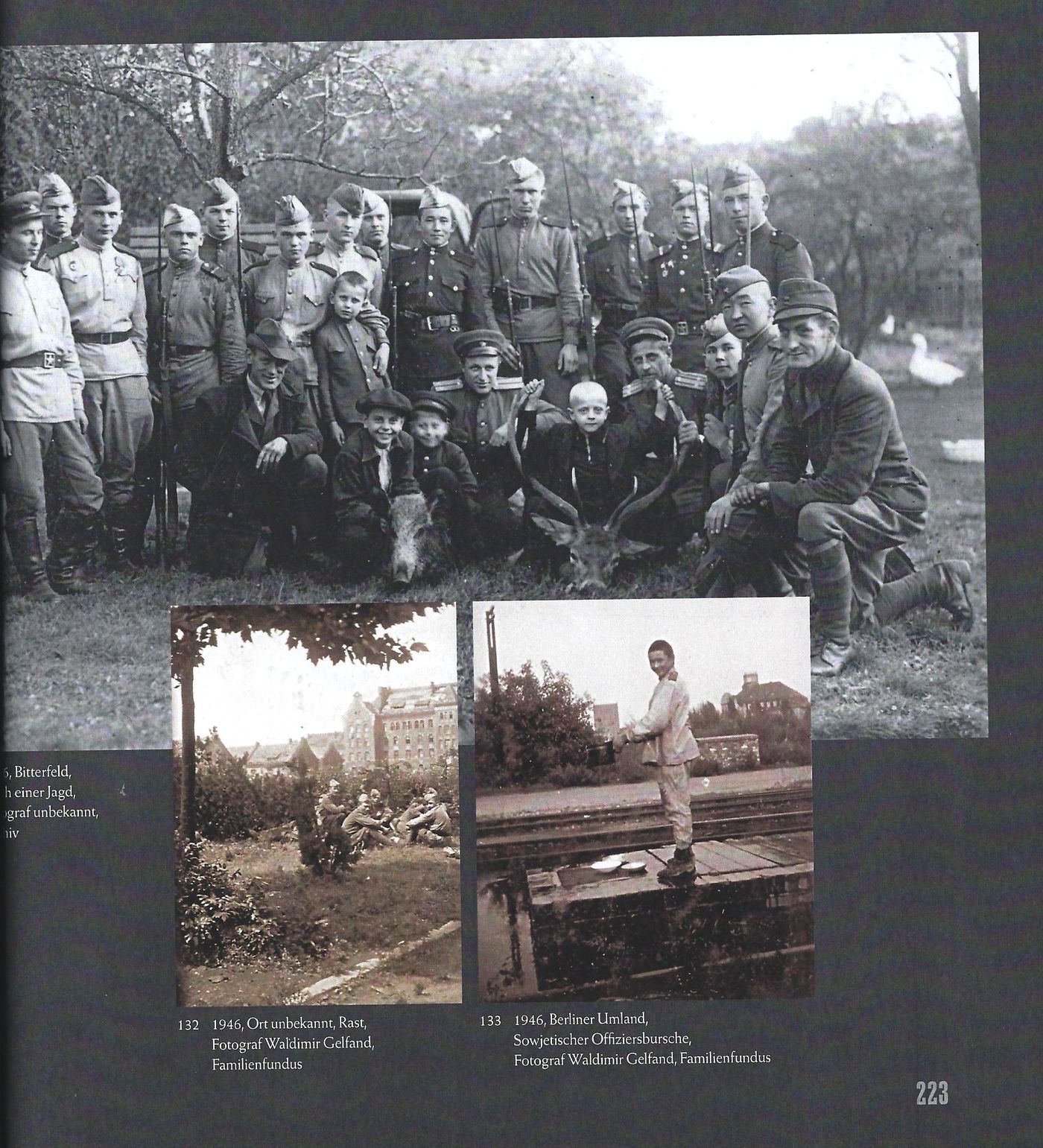
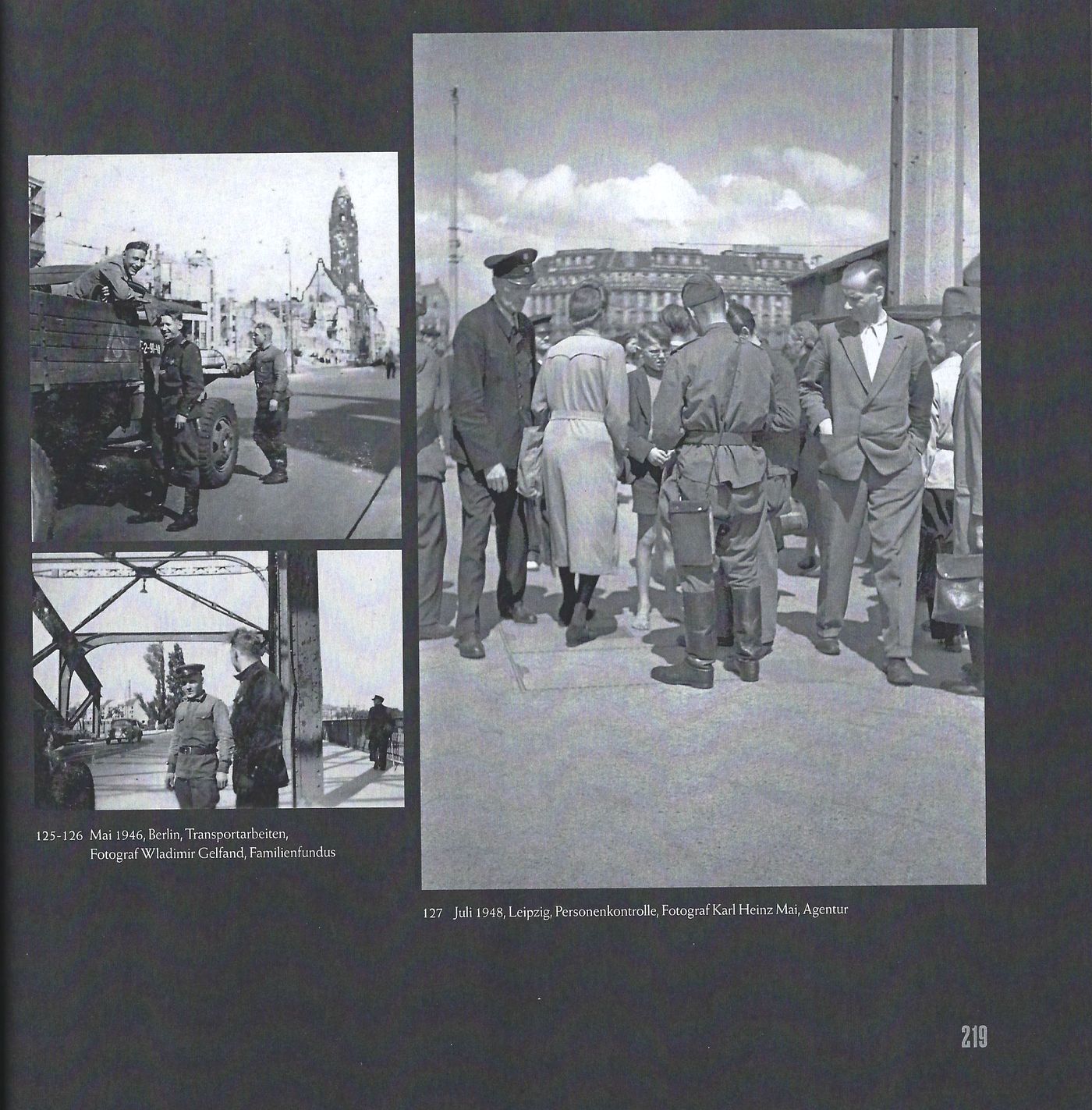
These accounts are supplemented by an extensive collection of historical photographs from those years, many of them previously unpublished, at least in Germany. Taken by Soviet and German photographers, they also reveal much about the “normal” everyday life of the period.
The result is an unusual view from an unfamiliar perspective of ultimately peace-building human encounters that took place seventy-five years ago.
The numerous studies and publications dealing with relations between the Soviet occupiers and the defeated and/or liberated German population in the Soviet Occupation Zone in the immediate postwar period demonstrate how important the subject remains. Yet as the events recede in time, factual knowledge about this sphere diminishes. While the activity of the highest political bodies can still be traced through documentary sources, the everyday life of the occupied territories has remained insufficiently studied. The declining number of direct participants and eyewitnesses creates fertile ground for legends and myths.
Historian Elke Scherstjanoi made this issue the subject of her research. The present volume contains numerous testimonies by Soviet representatives of the occupation administration who performed different functions, based on their individual experience of interaction with the population of East Germany.
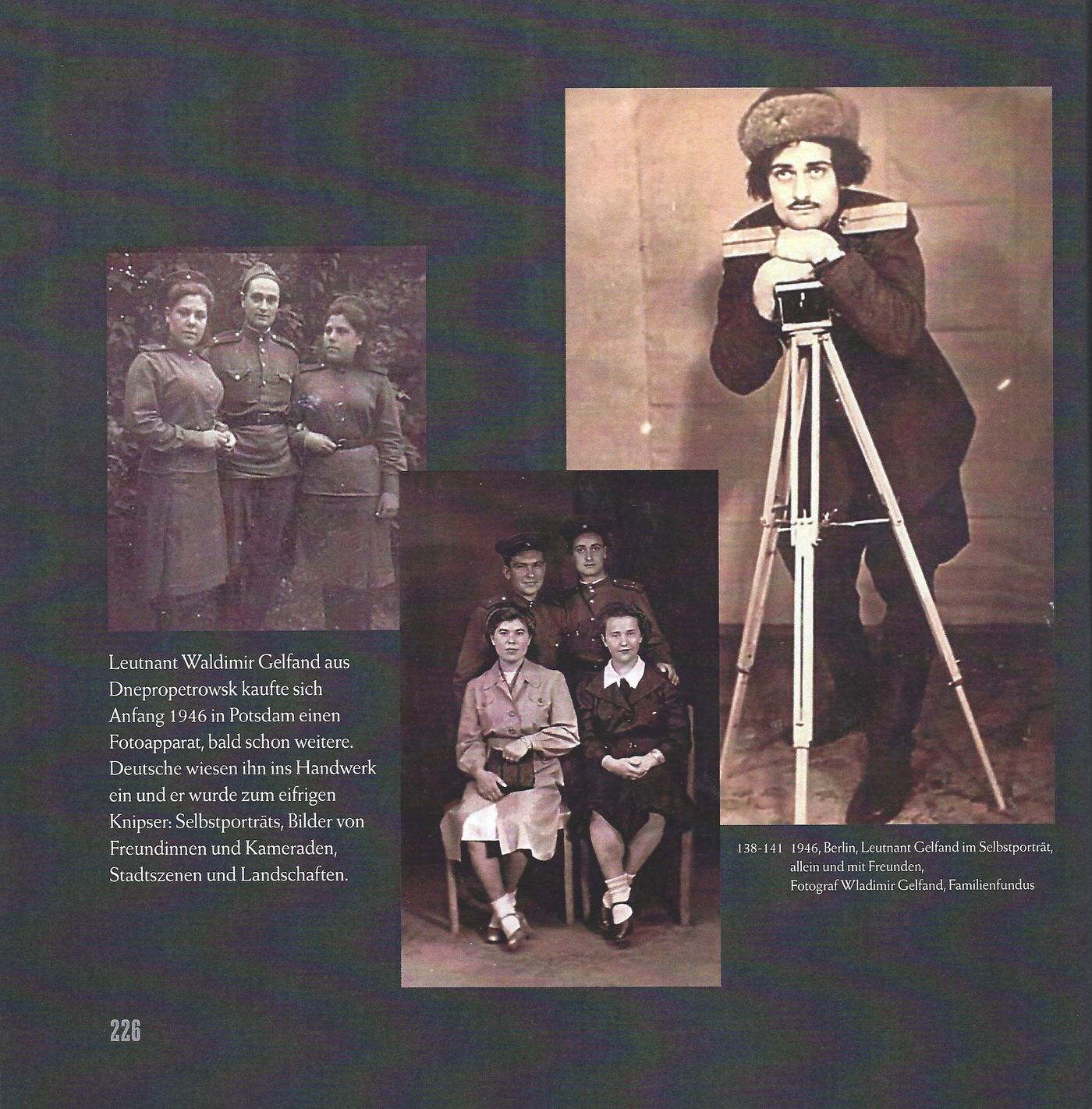
The narratives are accompanied by extensive archival photographs, including previously unpublished images made by both Soviet and German photographers, which reflect aspects of everyday life during the occupation period.
The book therefore offers a rare opportunity to become acquainted with historical material illuminating processes of human interaction in the context of establishing peace and order in postwar Germany seventy-five years ago, from a perspective different from that of traditional political-historical studies.
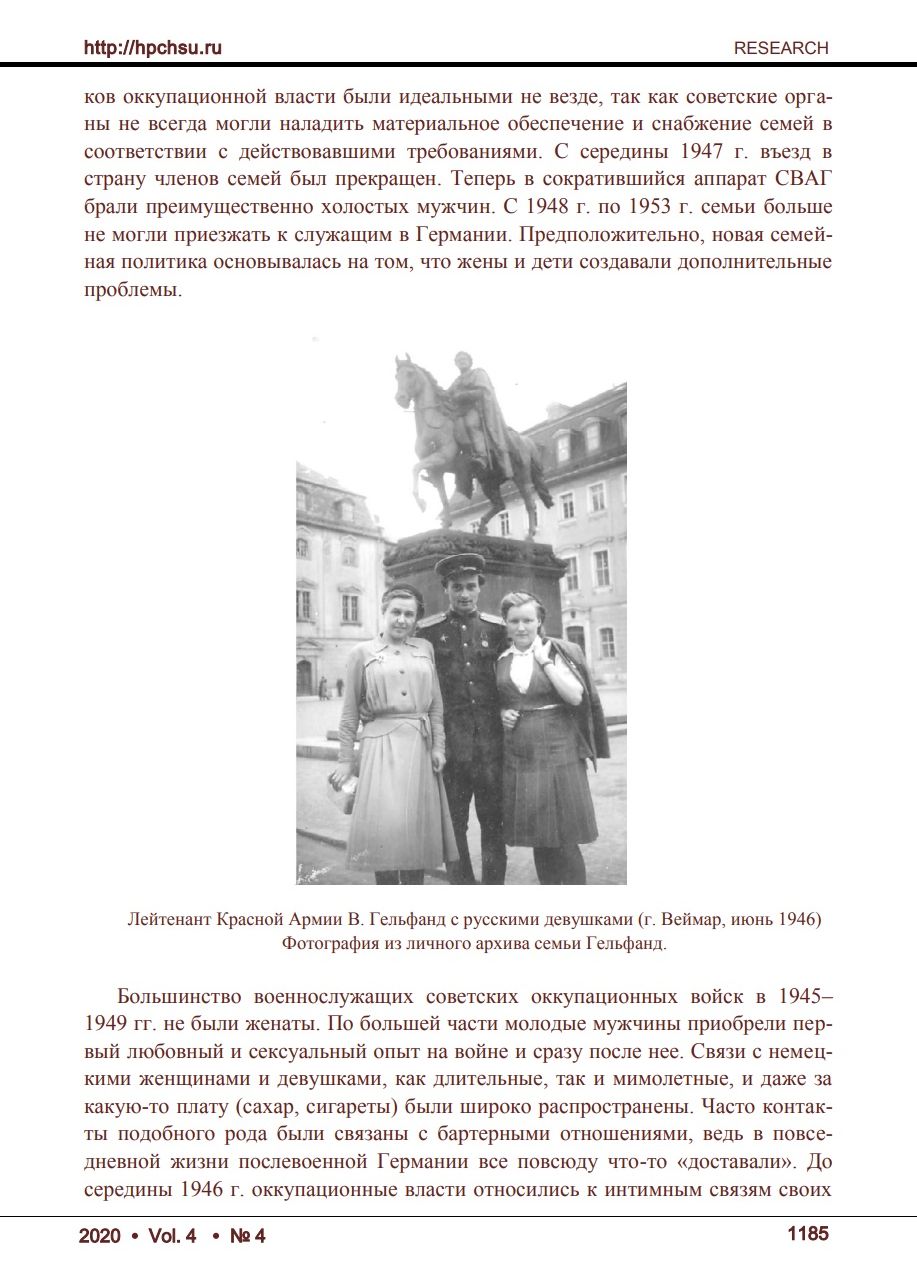
Conditions for employees of the occupation authorities were by no means ideal everywhere, since Soviet agencies were not always able to organize material support and supplies for families in accordance with the existing requirements. From the middle of 1947 onward, the entry of family members into the country was discontinued. The reduced staff of the Soviet Military Administration in Germany (SMAG) was now recruited primarily from unmarried men. From 1948 to 1953, families were no longer allowed to join employees in Germany. Presumably, the new family policy was based on the assumption that wives and children created additional problems.
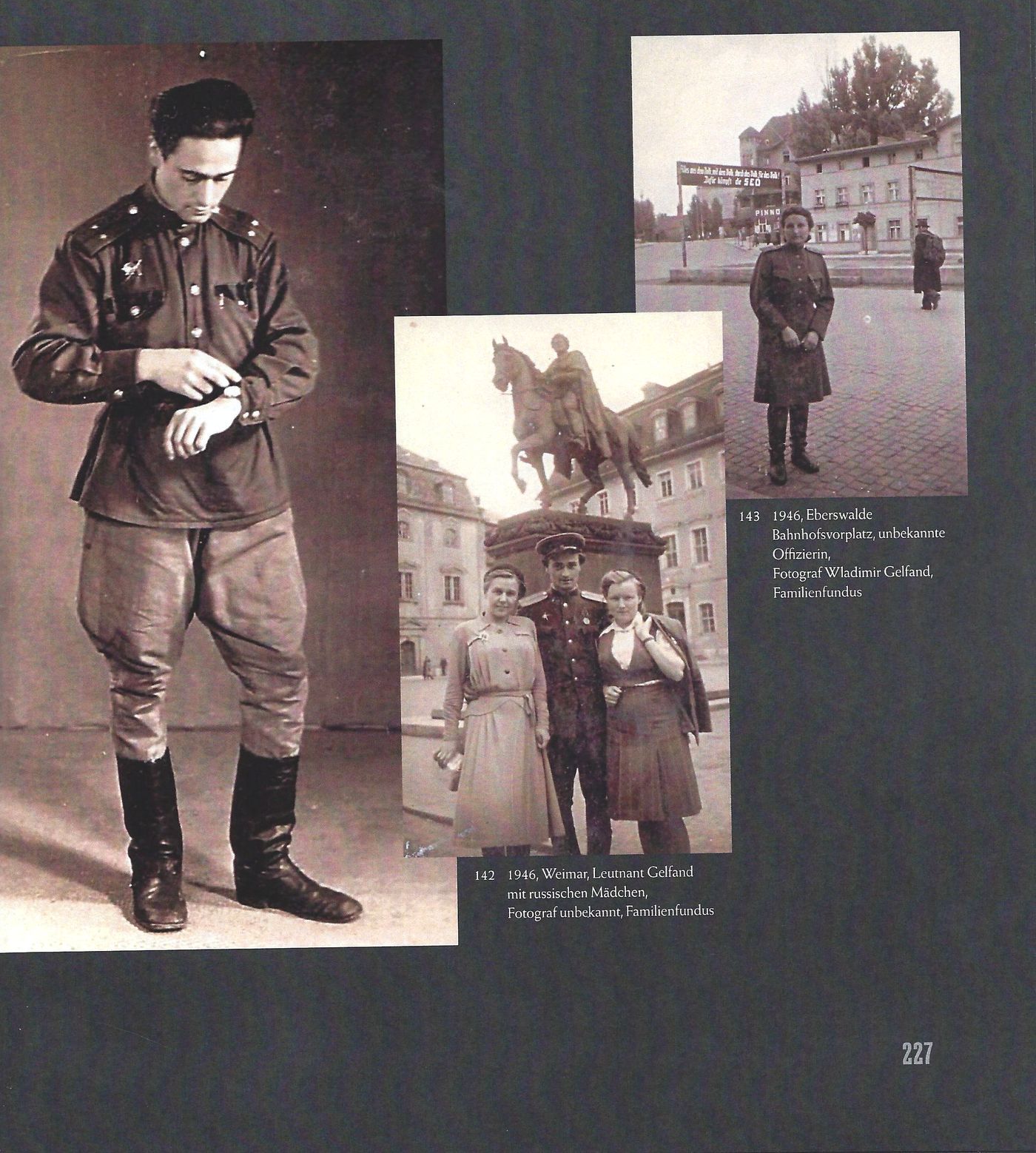
Lieutenant of the Red Army V. Gelfand with Russian girls (Weimar, June 1946)
Photograph from the private archive of the Gelfand family.
Most servicemen of the Soviet occupation forces in 1945–1949 were unmarried. For the most part, these young men gained their first romantic and sexual experiences during the war and immediately afterward. Relationships with German women and girls, both long-term and fleeting, and even for some form of payment (sugar, cigarettes), were widespread. Contacts of this kind were often linked to barter relations, for in the everyday life of postwar Germany people were constantly “getting hold of” something everywhere. Until the middle of 1946, the occupation authorities were largely indifferent to the intimate relationships of their personnel with local women.
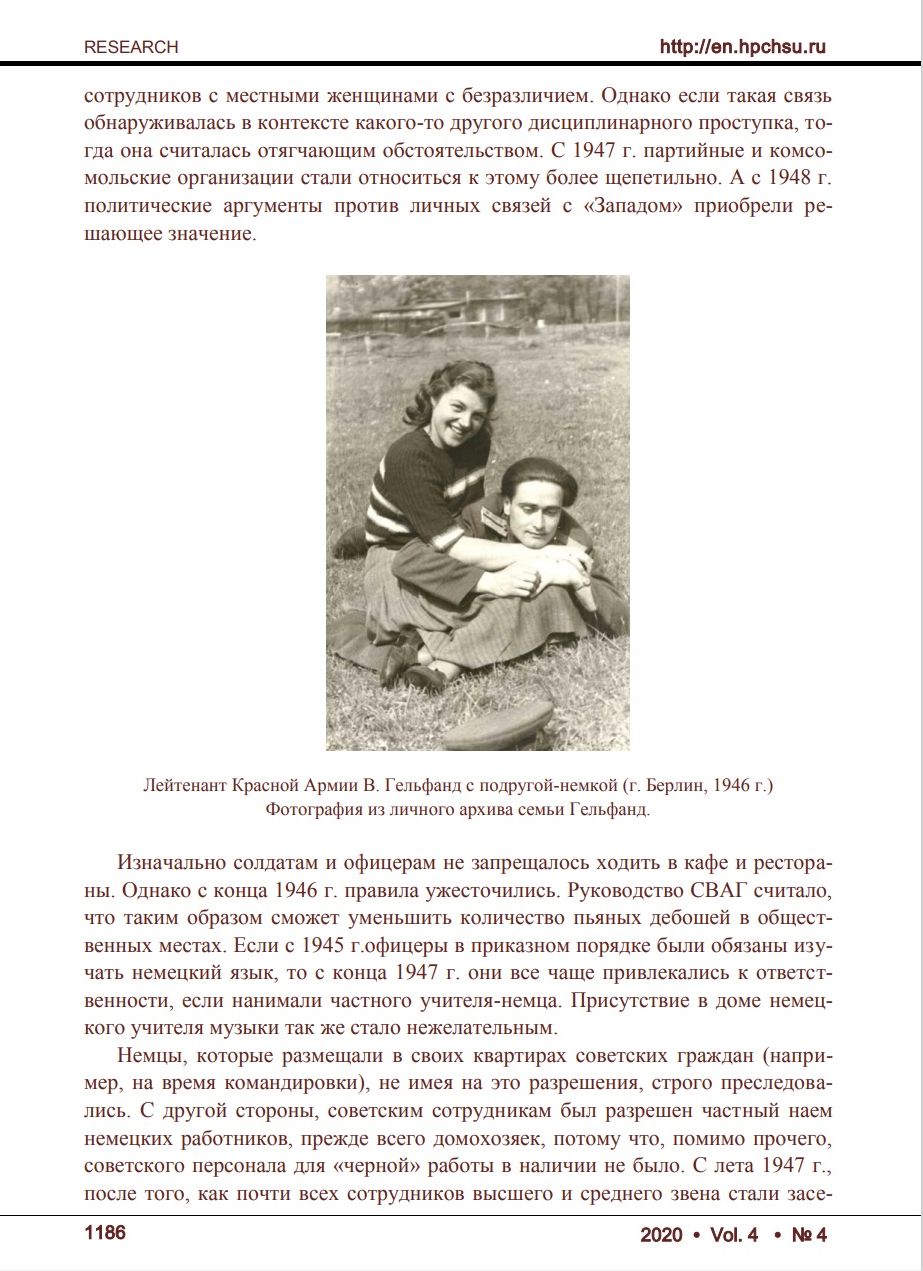
However, if such a relationship was discovered in the context of some other disciplinary offense, it was regarded as an aggravating circumstance. From 1947 onward, Party and Komsomol organizations began to treat this more scrupulously. And from 1948, political arguments against personal ties with the “West” acquired decisive importance.
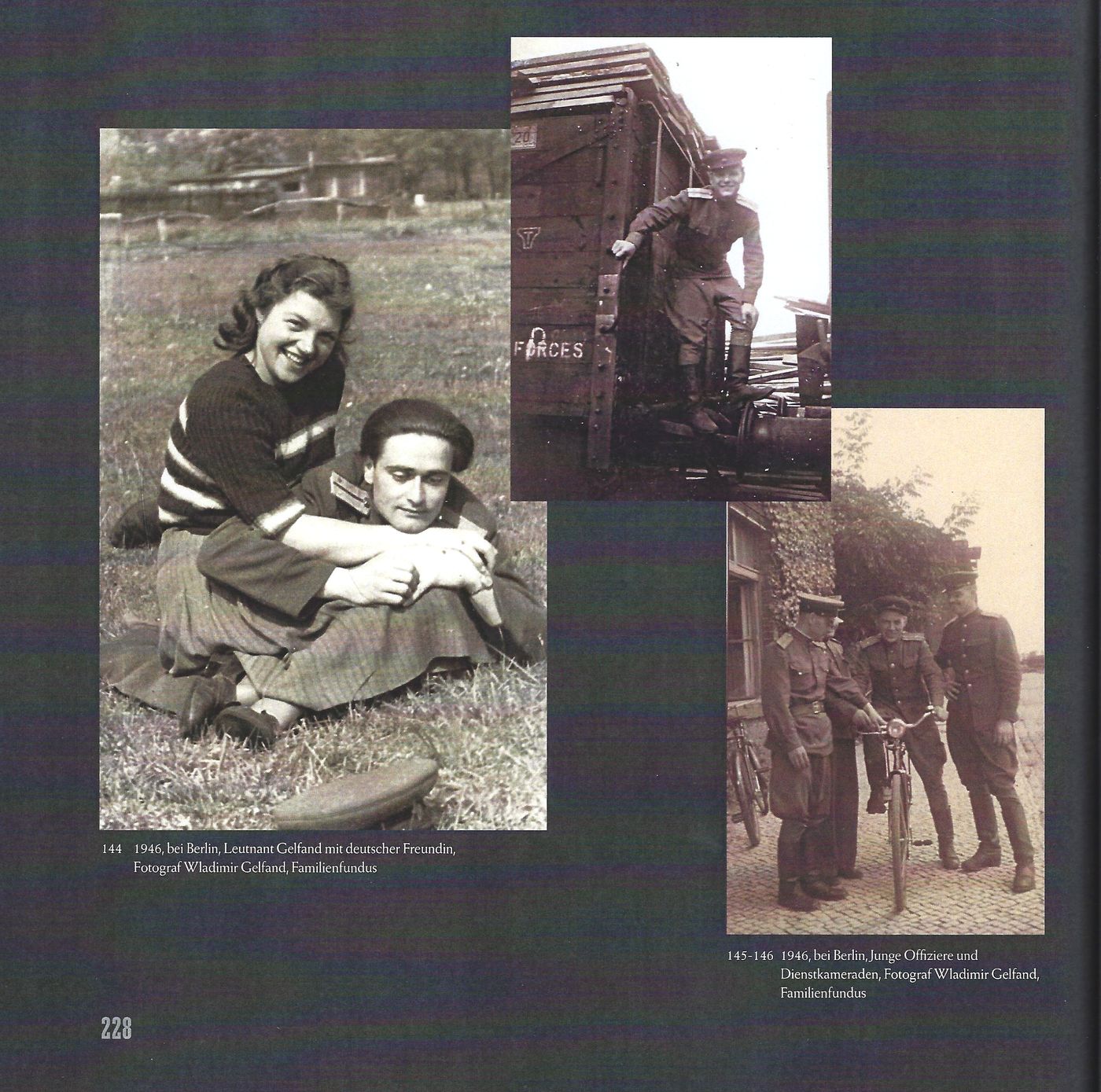
Lieutenant of the Red Army V. Gelfand with his German girlfriend (Berlin, 1946)
Photograph from the private archive of the Gelfand family.
At first, soldiers and officers were not prohibited from going to cafés and restaurants. However, from the end of 1946, the rules became stricter. The leadership of the SMAG believed that this would reduce the number of drunken brawls in public places. Whereas from 1945 officers were officially required to study German, from the end of 1947 onward they were increasingly held accountable if they hired a private German tutor. The presence of a German music teacher in the home likewise became undesirable.
Germans who accommodated Soviet citizens in their apartments (for example, during business trips) without permission were severely persecuted. On the other hand, Soviet employees were allowed to hire German workers privately, above all housekeepers, because, among other things, there was no Soviet personnel available for “black” work. From the summer of 1947, after almost all employees of the higher and middle ranks had been housed ...
© CyberLeninka
© Historia Provinciae
© Scherstjanoi E., 2020
