


 |
|||
 |
 |
 |

 |
Die
deutsche Gesellschaft auf dem Weg vom Nationalsozialismus in eine
demokratische Kultur. Geschichts- und literaturwissenschaftliche
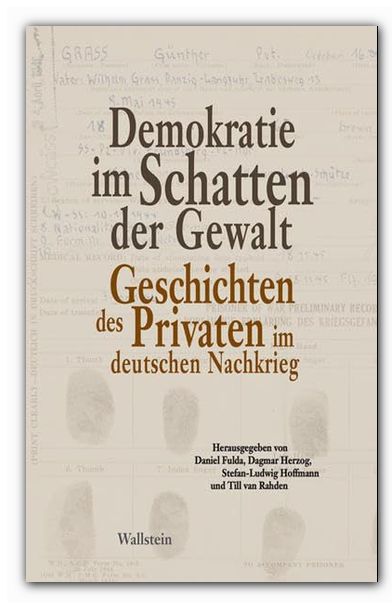
Perspektiven. Die Geschichte Europas im 20. Jahrhundert bewegt sich zwischen zwei Extremen: auf der einen Seite der Absturz in Krieg und Völkermord, auf der anderen die Rückkehr zu Frieden und Demokratie. Die Forschung hat sich bislang vorwiegend mit dem Weg der Deutschen in den Nationalsozialismus hinein beschäftigt und nur wenig damit, wie sie aus dieser Gewaltgeschichte wieder herausgefunden haben. Wie verlief im Schatten der Teilhabe an Vernichtungskrieg und Völkermord die private Suche der Deutschen nach Demokratie? Inhaltsverzeichnis: Daniel Fulda, Dagmar Herzog, Stefan-Ludwig Hoffmann, Till van Rahden SPRACHEN DER NIEDERLAGE Stefan-Ludwig Hoffmann Besiegte, Besatzer, Beobachter: Das Kriegsende im Tagebuch Sabine Kyora Die Gegenwartsliteratur und das Jahr 1945: Walter Kempowskis Texte zur »Stunde Null« Michael Geyer Die eingebildete Heimkehr: Im Schatten der Niederlage |
 |
|
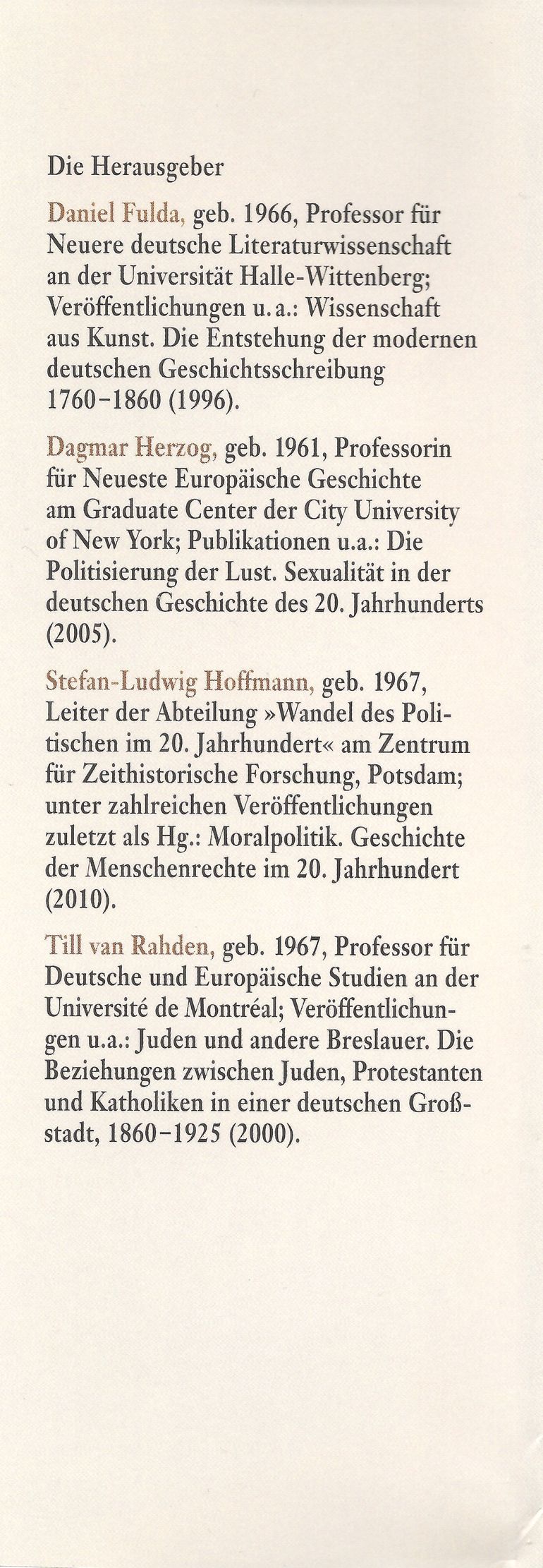
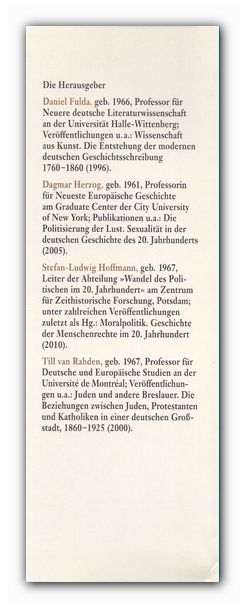
Dagmar Herzog, geboren 1961, ist Professorin für Geschichte am Graduate Center der City University of New York. Sie zählt zu den führenden Expertinnen auf dem Gebiet der Geschichte der Sexualität und der Holocaust-Forschung. Für ihre herausragenden wissenschaftlichen Leistungen wurde sie unter anderem mit dem Distinguished Achievement Award in Holocaust Studies der Holocaust Educational Foundation ausgezeichnet. Herzog beschäftigt sich intensiv mit der Verbindung von kulturellen, sozialen und politischen Dynamiken in der modernen Geschichte. Zu ihren wichtigsten Publikationen zählen Cold War Freud: Psychoanalysis in an Age of Catastrophe (2016), in dem sie die Entwicklung der Psychoanalyse im Kontext politischer und gesellschaftlicher Umbrüche im 20. Jahrhundert analysiert. In Sexuality in Europe: A Twentieth-Century History (2011) bietet sie eine umfassende Darstellung der Veränderungen von Sexualität und Geschlechterverhältnissen in Europa, wobei sie insbesondere die Wechselwirkungen zwischen individuellen Lebensformen und gesellschaftlichen Normen beleuchtet. Darüber hinaus hat Herzog mit Die Politisierung der Lust: Sexualität in der deutschen Geschichte des 20. Jahrhunderts (2005) maßgeblich dazu beigetragen, die politische Dimension von Sexualität in der deutschen Geschichte herauszuarbeiten und somit ein differenziertes Verständnis von Macht, Körper und Gesellschaft zu fördern.
Stefan-Ludwig Hoffmann leitet den Forschungsbereich »Wandel des Politischen im 20. Jahrhundert« am Zentrum für Zeithistorische Forschung in Potsdam. Seine Forschungsschwerpunkte liegen auf der politischen Kultur, sozialen Bewegungen und den Transformationsprozessen in Deutschland und Europa im 20. Jahrhundert. Hoffmann hat sich insbesondere mit den Mechanismen politischer Partizipation und der Entwicklung bürgerlicher Gesellschaften auseinandergesetzt. Seine bedeutende Monographie The Politics of Sociability: Freemasonry and German Civil Society 1840-1918 (2007) untersucht die Rolle der Freimaurerei als zivilgesellschaftliche Organisation und ihre Einflüsse auf das politische und gesellschaftliche Leben im Deutschland des 19. Jahrhunderts. Hoffmanns Arbeiten zeichnen sich durch eine interdisziplinäre Herangehensweise aus, die politische Geschichte mit sozial- und kulturwissenschaftlichen Perspektiven verbindet, wodurch ein vertieftes Verständnis der politischen Transformationen im modernen Europa ermöglicht wird.
Till van Rahden, geboren 1967, ist Professor für Deutsche und Europäische Studien an der Université de Montréal. Er ist spezialisiert auf die soziale und religiöse Geschichte Deutschlands im 19. und frühen 20. Jahrhundert mit besonderem Fokus auf interkonfessionelle und interethnische Beziehungen. Van Rahdens Forschungsarbeit widmet sich der Untersuchung der jüdischen Gemeinden und deren Interaktionen mit protestantischen und katholischen Bevölkerungsgruppen in urbanen Zentren, wobei er die komplexen Dynamiken von Identität, Integration und Ausgrenzung beleuchtet. Sein Hauptwerk Juden und andere Breslauer: Die Beziehungen zwischen Juden, Protestanten und Katholiken in einer deutschen Großstadt, 1860-1925 (2000) bietet eine tiefgründige Analyse der gesellschaftlichen Verhältnisse in der Stadt Breslau und zeigt die facettenreichen sozialen und kulturellen Wechselbeziehungen in einem multikonfessionellen Umfeld auf. Van Rahdens Forschung trägt wesentlich zum Verständnis von Konflikt, Kooperation und sozialer Differenzierung in der deutschen und mitteleuropäischen Stadtgeschichte bei.
© Wallstein
 German
