



| Про День Перемоги в Кіровограді, фейкових ветеранів і "липове" примирення | ||
| |
||
|
У
2015 році до традиційного Дня Перемоги в Україні додалося ще одне
свято - День пам'яті і примирення. Хоча з огляду на те, що відбувається у ці дні в Україні, його варто було б назвати Днем забуття і ненависті. Або Днем розділення електорату. Важко зрозуміти, як ми всі скотилися до такого, але за останні чотири роки найсвітліше і найдобріше свято «зі сльозами на очах» перетворилося на парад брехні, взаємних звинувачень і людської злоби під спільним гаслом «Зате не як у Росії». Чому? |
| Еволюція
свята |
||
| Тож,
що сталося за чотири роки? Спочатку зникли «георгіївські
стрічки». Це зрозуміло – цей символ перемоги
«вкрала» у нас «Новоросія». І
якщо у 2014 році
хтось ще вдягав ці стрічки, то скоро вони стали сприйматися в Україні
тільки як символ сепаратизму. Тільки не дуже зрозуміло, що робити з
медаллю «За перемогу над Німеччиною» 1945 року
– куди
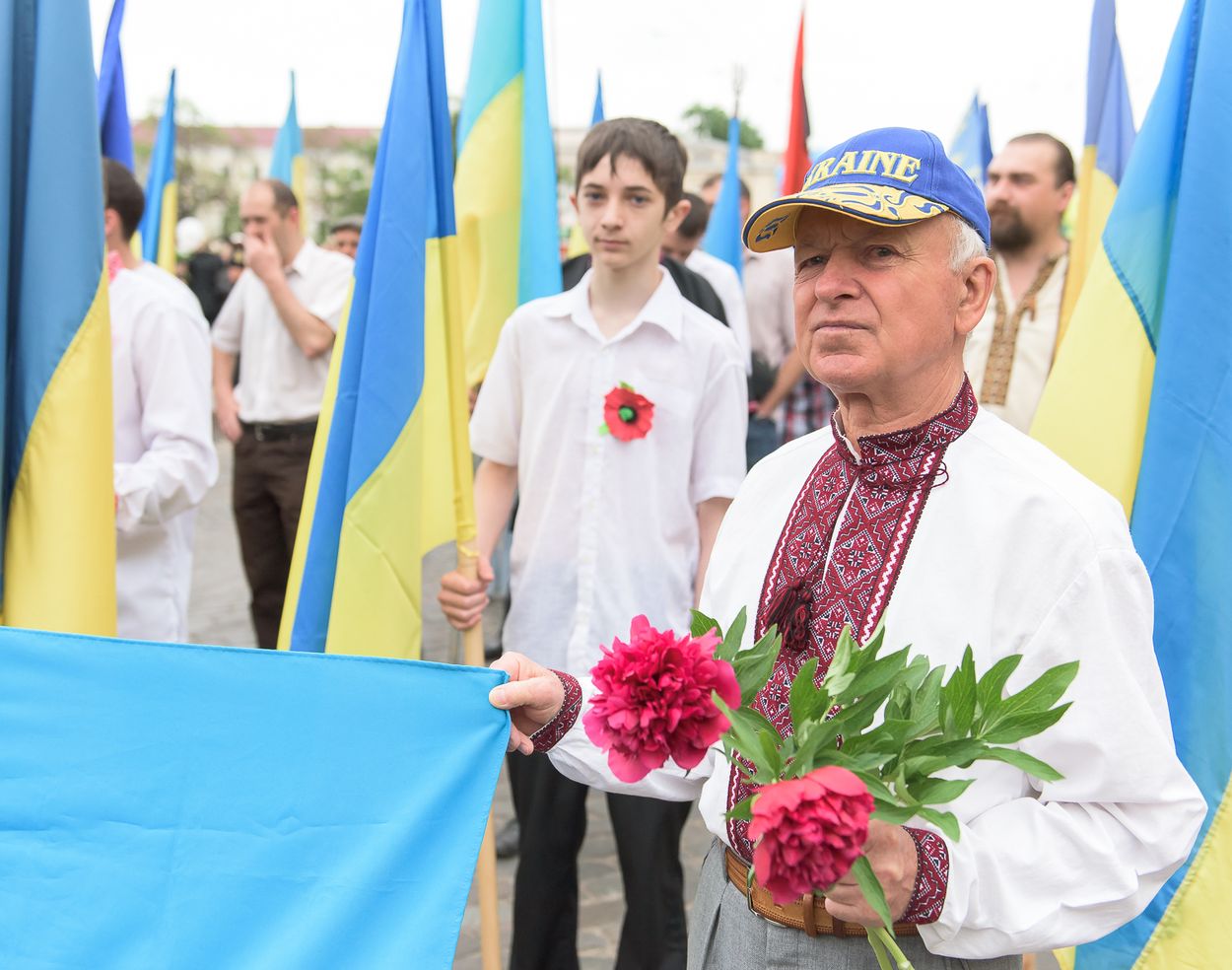
з неї подіти ту кляту георгіївську стрічку? У 2015 році прийняли закон «Про засудження комуністичного та націонал-соціалістичного тоталітарних режимів в Україні та заборону пропаганди їхньої символіки». Тож, у відповідності до цього закону, зникли і радянські прапори, як один із символів 9 Травня. Це теж зрозуміло. Але чому цього року День Перемоги святкували з червоно-чорними прапорами «Правого сектора»? Ці прапори, звичайно, не заборонені, але так само не заборонені у нас прапори Червоного Хреста чи ОПЕК, зелене знам'я ісламу, врешті-решт… Чому б не з ними? А ще портрети. В соцмережах коментатори змагаються: хто дотепніше обізве людей, які 9 Травня принесли на Вали портрети своїх батьків і дідів. «Вата» і «руській мир» - це вже пройдений етап. Але що поганого чи антиукраїнського може бути в портреті фронтовика? Акцію «Безсмертний полк» дійсно вигадали в Росії: в 2011 році томські журналісти, які помітили, що живі ветерани, якщо вони ще залишились, вже не можуть ходити по парадах, запропонували жителям міста принести фотографії своїх рідних фронтовиків, а також розповісти на них на сайті «Безсмертного полка». Сьогодні такі акції проходять у 80 (!) країнах світу – скрізь, де є потомки людей, які воювали у Другу світову. Наша подруга зі Швеції розповіла, що в цьому році брала участь у такій акції у Стокгольмі. У Швеції державного вихідного 8-9 травня немає, тож люди вийшли на парад 7-го – у неділю. В усьому світі люди вважають, що мета «Безсмертного полку» – зберегти пам'ять про ту війну. І тільки радник міністра внутрішніх справ України Зорян Шкіряк, що цю акцію вигадало ФСБ і винятково з метою нашкодити Україні… До речі, в Росії ще Великдень святкують. З цим теж слід вже щось робити. |
||
| Перемоги
чи Примирення, 8 чи 9? Ті, кого виростили фронтовики, завжди будуть святкувати День Перемоги. Тому що для їхніх рідних це було найбільше і найсвітліше свято - день початку нового життя. 8 чи 9 – питання не таке вже принципове. Генеральна асамблея ООН визнала обидва ці дні днями пам'яті жертв Другої світової і Перемоги над нацизмом. Справа в тому, що акт про беззастережну капітуляцію Германії був підписаний 8 травня, о 22:43, за центральноєвропейським часом, тобто 9 травня, о 0:43, за московським часом. Ми тоді жили за московським часом. Але й ті, хто зустрів День Перемоги у Берліні, згадують, що святкувати почали на світанку дев'ятого. Оскільки святкували не останній день війни, а перший день миру. До речі, в усьому світі, і навіть в Німеччині, у ці дні святкують саме Перемогу над нацизмом. Якщо хочете святкувати закінчення Другої світової, то це, мабуть, варто робити 2 вересня. Людей, які пережили ту війну, не треба переконувати з кимось миритися. Вони примирилися багато десятиліть тому. Кіровоградка Олександра Олександрівна Кноблох розповідала нам про свого батька, якого розстріляли у 1943 році у дворі тюрми СД на вулиці Польовій (зараз Габдрахманова), розстріляли просто, щоб звільнити місце для нових в'язнів, кинули його труп у колодязь і засипали вапном… А потім розказала про Ганса – німця, який поселився в них вже після смерті батька. Німця, який щодня приносив їжу двом маленьким дівчаткам, саджав їх на коліна, годував і плакав. «У нього біля ліжка стояла фотографія жінки і двох дівчат, десь нашого віку, - казала Олександра Кноблох. - Він був із Дрездена. Я вже коли виросла, зрозуміла, що його родина, мабуть, тоді вже загинула». |
||
| Олександра
Олександрівна зробила
все, щоб вшанувати пам'ять батька, вона домоглася встановлення
пам'ятника на території шкірвендиспансеру – колишньої тюрми
СД.
Але й Ганса вона
завжди пам'ятала. Каже, коли їздила на екскурсію в Дрезден, то все
вглядалася в обличчя перехожих, розуміла, що Ганс,
скоріш за все, загинув в Кіровограді на Різдво 44-го, розуміла, що
Дрезден – чималеньке місто. Але все одно сподівалася
побачити,
обійняти, сказати, що знає: він не винен. Інша жінка – Наталя Золотаревська – розповідала нам про свою маму Белу Токман зі знищеного нацистами села Троїцьке під Гайвороном, і про ще одну маленьку єврейську дівчинку з цього села. Дівчинку, яка в 60-х роках збирала гроші і витрачала щорічну відпустку на те, щоб з'їздити в Східний Сибір, де відбував покарання у таборі її «батько» - поліцай. Він конвоював колону євреїв, яких вели на смерть, і раптом вихопив з натовпу за руку маленьку дівчинку, закинув у канаву на узбіччі. А потім до кінця окупації ховав її у себе в льосі. Її «батько» не був «праведником миру», він був поліцаєм і, мабуть, був винний у багатьох смертях. Але одне маленьке життя врятував. Власні діти не те, щоб відмовилися від батька-поліцая, але й не афішували родинних зав'язків (і це теж зрозуміло). А от та дівчинка, яка прожила у нього в льосі один рік, коли виросла, щороку їздила до нього в табір… Ці люди святкують День Перемоги, а не День примирення. Але їх не треба переконувати з кимось примиритися – вони і без нас чудово знають: війна була не чорно-біла. |
||
| Ряжені ветерани та інші фейки Дуже багато пишуть і говорять у нас про «ряжених» - чоловіків 70-80 років, які, усі в орденах і медалях, приходять на Вали 9 Травня. Можливо, є і ряжені. Але підійдіть до цих чоловіків поближче, подивіться на їхні нагороди, запитайте, врешті-решт, чи воювали вони у 1941-1945-му? Вони радо скажуть, що ні, а їхні ордени і медалі не воєнні, а ювілейні. Це просто військові пенсіонери, яким офіційно дозволено носити військову форму. І це їхні власні медалі – не чужі, не підробні, не фейкові! Цю форму з медалями вони завжди одягали двічі на рік – 23 лютого і 9 Травня. 23 лютого їм вже нема куди піти. Залишилось одне свято. Звісно, вони не ветерани тієї війни. Але чи хочуть вони, одягнувши ордени, ввести нас в оману, щоб отримати зайвий букет тюльпанів? Навряд. Вони ж не знають, що ми не розбираємося у нагородах… І ще одна тенденція, яку ми, на жаль, не можемо обминути, - численні статті і перепости статей про радянський солдат, які гвалтували і вбивали німецьких жінок. Безумовно, таке теж було. Мало бути – погані люди є скрізь. Наш земляк Володимир Гельфанд, який вів щоденники у 1941-1946, описав чимало такого, про що в СРСР не прийнято було говорити вголос. Щоденники Гельфанда опубліковані окремими книгами на німецькій і на російській, вони є у вільному доступі. Він пише і про ґвалтування, і про мародерство в Берліні 1945-46 років. Пише навіть про те, що він теж не був осторонь. Ні, він не гвалтував і не вбивав, але не раз підходив до тієї межі, де закінчується звичайне хамство переможців і починається кримінальний кодекс… |
||
| Ми
листувалися з сином автора – Віталієм
Гельфандом,
який опублікував щоденники батька. І питали: чи не хотілося йому трохи
скорегувати, прибрати те, від чого, як писав його батько, він сам собі
був огидний. Ні. Він не хотів. Тому що у 1946 році інтелігентний
єврейський хлопчик Гельфанд вже
у подробицях знав, що зробили з його рідними. І зустрічаючи вдову
німецького офіцера у скрутному становищі, не дозволяв собі відчувати
жалість… Але Гельфанд пише про окремі випадки, а не про масовий процес гвалтувань і грабежів. А ті, хто сьогодні пише про такі речі у нас, в Україні, що вони уявляють? Очі свого дідуся, який заколисував їх у дитинстві? Свою бабусю, яка у 18 років потрапила на фронт, дійшла до Берліна і давай там по-звірячому вбивати німецьких дітей? Чи примирився Володимир Гельфанд? Важко сказати. Його син, який мешкає у Німеччині, переконаний: винні не окремі люди, винна війна, винен нацизм як явище. Це – примирення. А перейменування вулиці Конєва – це не примирення, а плювок в обличчя тим, хто звільняв наше місто, і тим, хто береже пам'ять про них… В Україні офіційно 8 травня – це День пам'яті і примирення, 9 – Перемоги над нацизмом. Тобто, хто що хоче - той те і відзначає. Ми не змушуємо нікого святкувати День Перемоги. Але, якщо ви святкуєте Різдво, то не йдете ж на Хануку в Синагогу, щоб пояснити іудеям, що вони святкують не тоді, не те і обряди в них неправильні, правда? |
||
|
|
 Ukrainian
Dozor, 21 May 2018
Olha Stepanova and Olena Karpenko
In 2015, another holiday was added alongside Ukraine's traditional Victory Day: the Day of Remembrance and Reconciliation. But judging by what has been happening in Ukraine on these dates, it would be more fitting to call it the Day of Forgetting and Hatred. Or the Day of Dividing the Electorate.
It is difficult to understand how things reached this point, but over four years what had been regarded as the brightest and kindest holiday, “with tears in one’s eyes,” turned into a parade of lies, mutual accusations and human malice under the common slogan: “At least it isn’t like in Russia.” Why?
So what has happened over the past four years? First, the St. George ribbons disappeared. That is understandable: Novorossiya had "stolen" this symbol of victory from us. While some people still wore the ribbons in 2014, they soon came to be seen in Ukraine only as a symbol of separatism. What is less clear is what we are supposed to do with the 1945 medal "For Victory over Germany": how are we to get that damned St. George ribbon off it?
In 2015 Ukraine adopted the law "On the Condemnation of the Communist and National Socialist Totalitarian Regimes in Ukraine and the Prohibition of Propaganda of Their Symbols." Accordingly, Soviet flags also disappeared as a symbol of 9 May. That too is understandable. But why was Victory Day celebrated this year with the red-and-black flags of Right Sector? Of course those flags are not banned. But neither are the flags of the Red Cross or OPEC, nor the green banner of Islam, for that matter. Why not carry those instead?
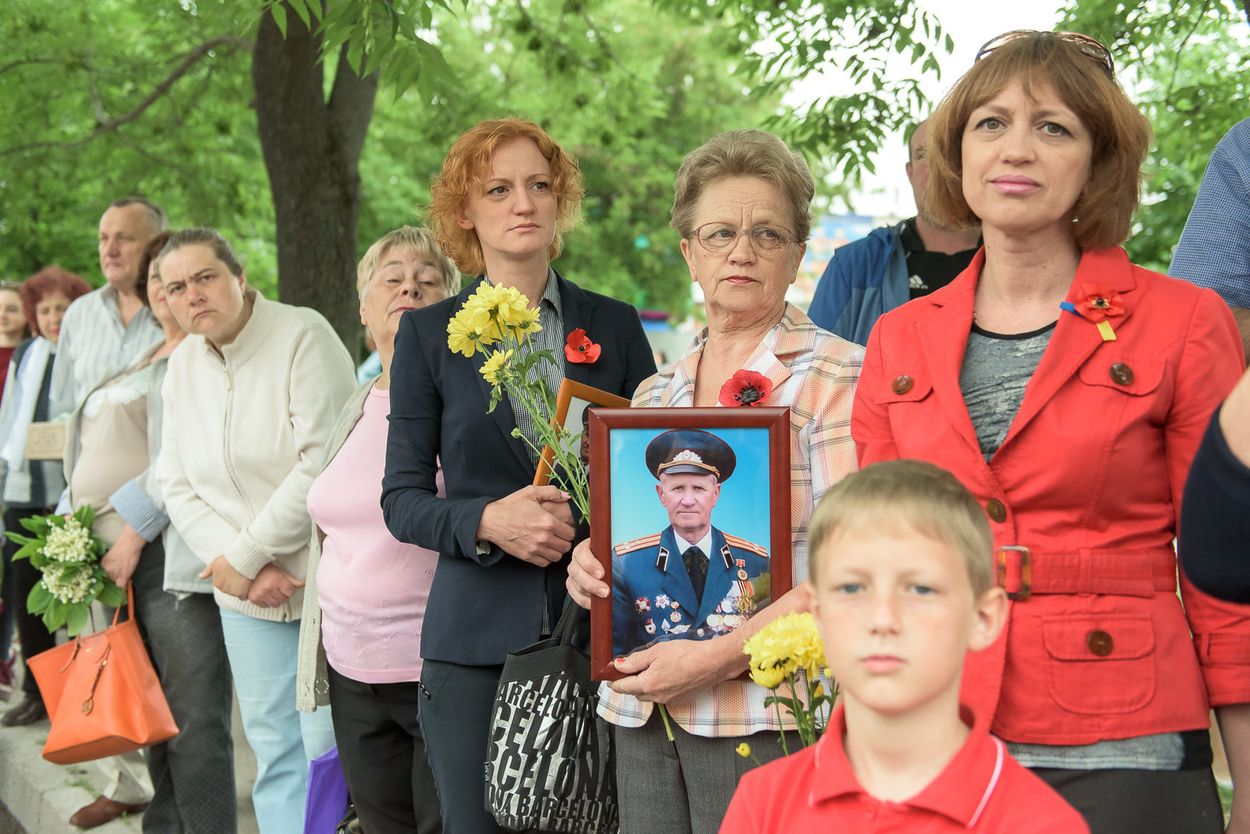
Then there are the portraits. Commentators on social media compete to see who can come up with the cleverest insult for the people who brought portraits of their fathers and grandfathers to the city ramparts on 9 May. "Vatnik" and "Russian world" have already grown stale. But what can possibly be wrong or anti-Ukrainian about a portrait of a soldier who fought at the front?
The "Immortal Regiment" initiative really did begin in Russia. In 2011 journalists in Tomsk noticed that the surviving war veterans, if any remained, were no longer able to march in parades. They suggested that local people carry photographs of relatives who had fought at the front and tell their stories on the Immortal Regiment website. Today similar events take place in 80 (!) countries around the world, wherever descendants of people who fought in the Second World War live. A friend of ours in Sweden told us she had taken part in such an event in Stockholm this year. Sweden has no public holiday on 8 or 9 May, so people marched on Sunday the 7th.
Throughout the world people understand the purpose of the Immortal Regiment to be the preservation of the memory of that war. Only Zoryan Shkiryak, an adviser to Ukraine's interior minister, claims that the FSB invented the event solely to harm Ukraine.
Incidentally, Easter is celebrated in Russia too. We had better do something about that as well.
Those of us who were brought up by soldiers who fought at the front will always celebrate Victory Day. For our relatives it was the greatest and brightest holiday of all: the day a new life began.
Whether it is the 8th or the 9th is not so fundamental. The UN General Assembly recognized both dates as days of remembrance for the victims of the Second World War and victory over Nazism. Germany’s act of unconditional surrender was signed on 8 May at 22:43 Central European Time, which was already 00:43 on 9 May Moscow time. The Soviet Union used Moscow time. Yet those who experienced Victory Day in Berlin also recalled that celebrations began at dawn on the ninth, because they were celebrating not the last day of war but the first day of peace.
Incidentally, throughout the world, even in Germany, these dates commemorate victory over Nazism. If you want to mark the end of the Second World War, it would probably make more sense to do so on 2 September.
People who lived through that war do not need to be persuaded to reconcile with anyone. They reconciled decades ago.
Oleksandra Oleksandrivna Knobloch, a resident of Kirovohrad, told us about her father. In 1943 he was shot in the courtyard of the SD prison on Polova Street (now Habdrakhmanova Street), simply to make room for new prisoners. His body was thrown into a well and covered with lime. Then she told us about Hans, a German who came to live with them after her father's death. Every day he brought food to the two little girls, sat them on his lap, fed them and cried.
“Beside his bed there was a photograph of a woman and two girls, about our age,” Oleksandra Knobloch said. “He was from Dresden. Only when I grew up did I understand that his family had probably already been killed by then.”
Oleksandra Oleksandrivna did everything she could to honor her father’s memory and succeeded in having a memorial erected on the grounds of the dermatovenereological clinic, the former SD prison. Yet she always remembered Hans as well. When she later traveled to Dresden, she studied the faces of passers-by, knowing that Hans had most likely died in Kirovohrad at Christmas 1944 and that Dresden was a large city, but still hoping that she might see him, embrace him and tell him that she knew he was not guilty.
Another woman, Natalia Zolotarevska, told us about her mother, Bela Tokman, from the village of Troitske near Haivoron, which the Nazis destroyed, and about another little Jewish girl from that village. In the 1960s that girl saved money and used her annual leave to travel to Eastern Siberia, where her "father," a former auxiliary policeman, was serving a prison sentence in a camp.
He had been escorting a column of Jews to their deaths when he suddenly seized a little girl by the hand and threw her into a roadside ditch. He hid her in his cellar until the occupation ended. Her "father" was no Righteous Among the Nations: he was an auxiliary policeman and was probably implicated in many deaths. But he saved one little life. His own children did not exactly disown their father, but neither did they advertise the family connection (which is understandable too). Yet the girl who had spent a year in his cellar grew up and went to visit him in the camp every year.
These people celebrate Victory Day, not the Day of Reconciliation. But nobody needs to persuade them to reconcile with anyone: they know perfectly well, without our help, that the war was not black and white.
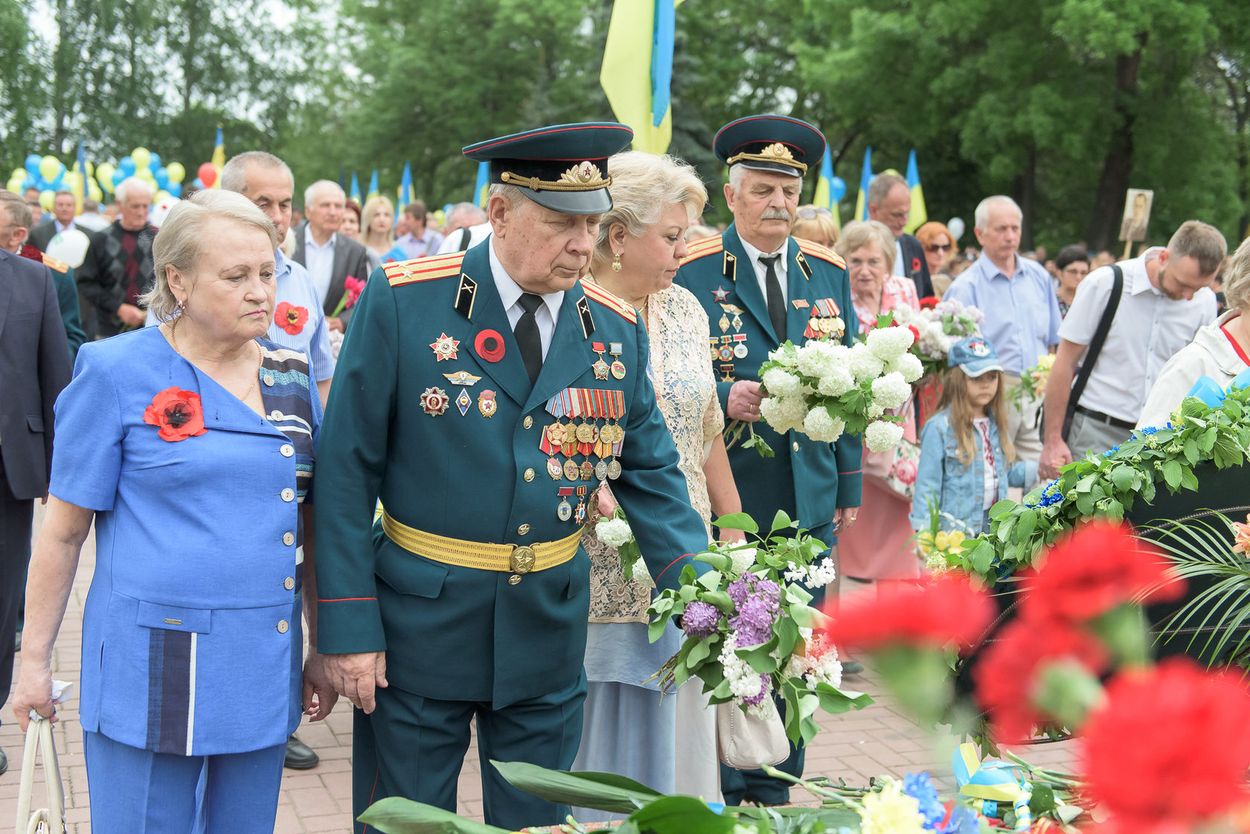
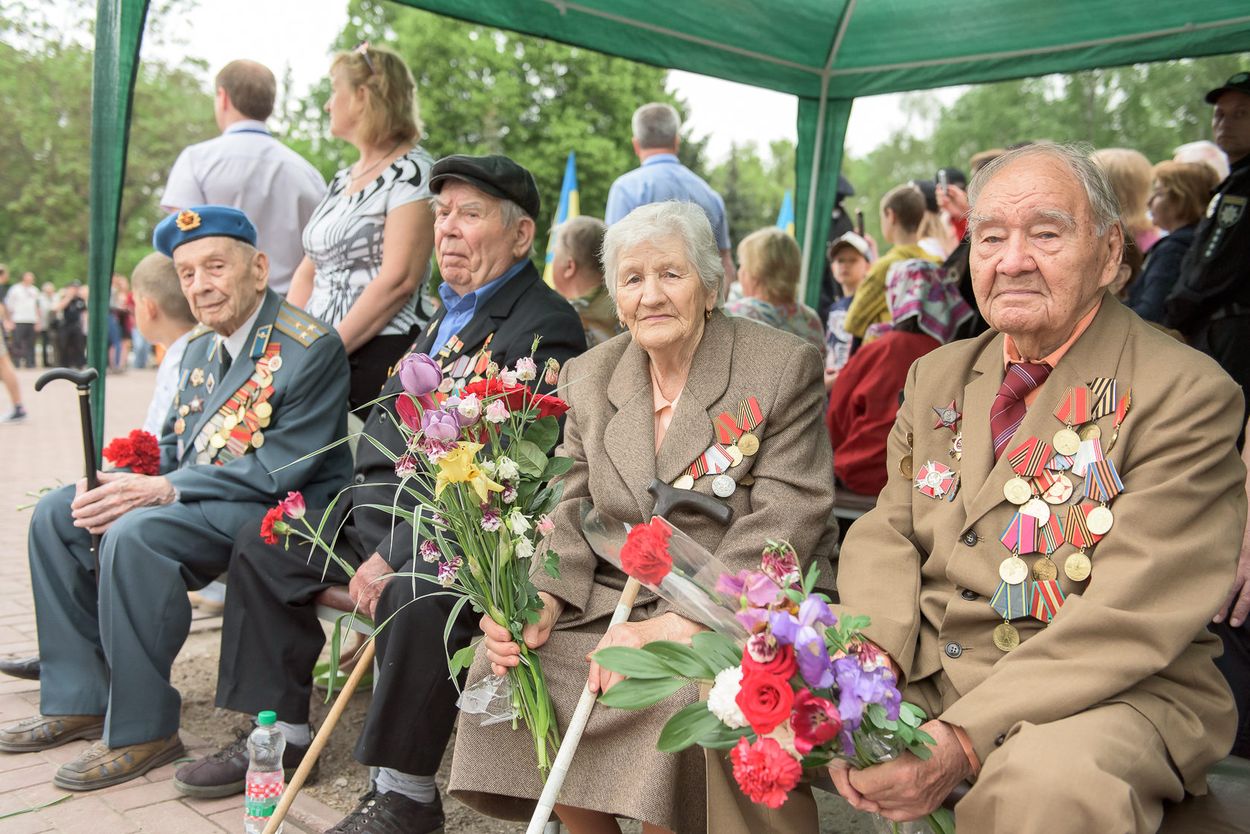
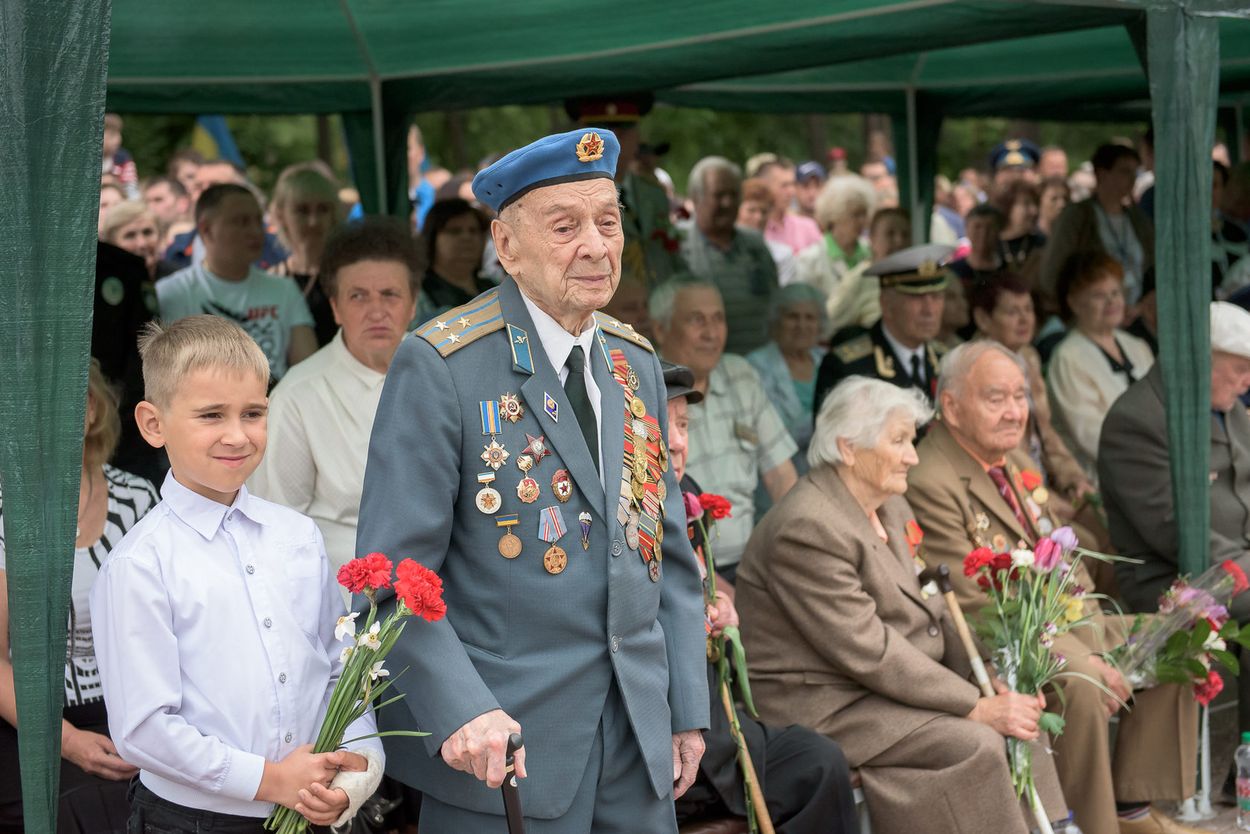
A great deal is written and said here about "men dressed up as veterans": men in their seventies and eighties who come to the city ramparts on 9 May covered in orders and medals. Perhaps there are impostors among them. But approach these men, look at their awards and ask whether they fought in 1941–1945. They will readily tell you that they did not: their orders and medals are not wartime decorations but anniversary awards. They are simply military pensioners who are officially permitted to wear military uniforms. And these are their own medals, not borrowed, counterfeit or fake! They have always put on their uniforms and medals twice a year, on 23 February and 9 May. Now they have nowhere to go on 23 February. One holiday remains.
Of course they are not veterans of that war. But do they really put on their decorations to mislead us and get an extra bouquet of tulips? Hardly. They do not know that we cannot tell one decoration from another.
There is one more trend that, sadly, we cannot ignore: the countless articles and reposts about Soviet soldiers who raped and killed German women. Of course such things happened. They were bound to happen: there are bad people everywhere.
Our fellow countryman Vladimir Gelfand, who kept diaries from 1941 to 1946, described many things that people in the Soviet Union did not speak of openly.
Gelfand's diaries have been published in separate books in German and Russian and are freely available. He wrote about rape and looting in Berlin in 1945–1946. He even wrote that he himself was not entirely uninvolved. No, he did not rape or kill anyone, but on more than one occasion he came close to the line where the ordinary boorishness of the victors ends and criminal conduct begins.
We corresponded with the author's son, Vitaly Gelfand, who published his father's diaries. We asked him whether he had ever been tempted to edit them a little, to remove the things that, as his father himself wrote, made him disgusted with himself. No, he had not. By 1946 this educated young Jewish man, Gelfand, already knew in detail what had happened to his relatives. When he met a German officer's widow in difficult circumstances, he would not allow himself to feel pity.
But Gelfand wrote about individual incidents, not a mass process of rape and looting. What do those who write about these things in Ukraine today imagine? The eyes of the grandfather who rocked them to sleep as children? Their grandmother, who went to the front at eighteen, reached Berlin and then supposedly set about brutally murdering German children?
Did Vladimir Gelfand reconcile? It is hard to say. His son, who lives in Germany, is convinced that individual people are not to blame: war itself is to blame, and Nazism as a phenomenon. That is reconciliation.
But renaming Konev Street is not reconciliation. It is a slap in the face to those who liberated our city and those who preserve their memory.
In Ukraine, 8 May is officially the Day of Remembrance and Reconciliation, and 9 May is Victory over Nazism. In other words, everyone may commemorate whichever they wish.
“We are not forcing anyone to celebrate Victory Day. But if you celebrate Christmas, you do not go to a synagogue during Hanukkah to explain to Jews that they are celebrating on the wrong day, celebrating the wrong thing and performing the rituals incorrectly, do you?”
Journalist: Olha Stepanova
Photo correspondent: Olena Karpenko
© Dozor

