



| 8 травня 2021 р. |
|||
| 9
травня – День перемоги над здоровим глуздом. Про згвалтовану Європу та Берлін. |
|||
| 9
травня – свято більш релігійне, ніж історичне. Секта та
релігійний культ Пабєдабєсіє імені Йосипа Сталіна в цей святкує
перемогу Колими над Бухенвальдом. Сектанти збираються біля своїх капищ,
які називаються «вічний вогонь», п'ють водку,
радіють та
веселяться. Всі ми прекрасно знаємо про злочини нацистів у Другій
світовій війні. Світ їх вже засудив. Але не так давно почала виринати
правда про ще один вид злочинців у цій війні. У них багато імен. Зазвичай їх називають червоноармійцями або, так званими визволителями. Героїчні люди в рядах солдатів Червоної армії, безумовно, були. В першу чергу ті, які йшли на війну, щоб захищати свій дім. Проте будь-яка армія – це зріз суспільства. І цей "зріз" потрібно контролювати, керувати ним і робити все, щоб була дотримана дисципліна. Керівництво СРСР, людяність та дисципліна – речі не сумісні. Тому в цьому відео ми згадаємо один із злочинів радянського союзу в Другій світовій – епідемія згвалтувань мирного населення. Наразі в істориків є достатньо докуметів, які свідчать про злочини Червоної армії. Серед них документи НКВС, спогади жертв та свідків тих подій. Серед них, наприклад, Габріела Кепп, авторка книги «Чому в мене не було сексу». Окрему увагу слід приділити канонізованій жертві Анні Колесаровій. 16-річну дівчинку намагався згвалтувати радянський солдат. Але в нього не вийшло, тому він її затрелив. В 2018 році папа Франциск зарахував її до лику святих. Це відео про те, чому жахи Другої світової війни ніколи не можна повторювати. А також про те, що в Червоній армії служили не такі вже й святі "дєди". Серед них, як і серед нацистів було багато виродків. Ніколи знову! |
|||
| YouTube-канал Леоніда Мацієвського: розповідаю про політичне та культурне життя в Україні, розвінчуємо російські міфи та пропагуємо українські цінності (свободу, любов до Бога, своєї країни, родини, друзів). | |||
 Вступ "Коли прийшли наші солдати, – вони всіх витіснили в підвал. Наймолодшу і, мабуть, найкрасивішу забрали з собою і почали над нею глумитися. – Вони тикали сюди, – пояснювала німка, піднімаючи спідницю, – всю ніч, і їх було так багато. Я була 'медхен' (дівчина), – зітхнула вона і заплакала. Вони зіпсували мені життя. Серед них були старі, прищаві і смердючі, і всі лізли на мене, всі тикали. Їх було не менше двадцяти. – Вони при мені згвалтували мою доньку, – додала нещасна мати, – вони можуть ще прийти та гвалтувати мою дівчинку. – Від цього знову всі вжахнулися і гірке ридання промайнуло із кутка в куток, посилюючись глибиною підвалу, куди мене привели господарі." Про цинізм побєдобєсія Щойно ви почули уривок з щоденника офіцера Радянської армії Володимира Гельфанда. Цей молодий лейтенант родом з України, попри заборону радянської влади, все-таки вів свій щоденник, в якому згадав і про такого роду злочини, що йому доводилося бачити під час війни. Знаєте, що мене завжди дивувало в парадах до Дня Перемоги Колими над Бухенвальдом? Героїчні історії про своїх дідов. У більшості, хто відвідує ті паради, дід дійшов до Берліна. Майже кожен обов'язково горів у танку і абсолютно усі заслуговують на те, щоб раз на рік їх насаджувати на палку. Але ніхто з учасників параду не розкаже вам про те, як дід, разом із своїм взводом своїх солдат, гвалтував німецьких дівчат на очах у їх матерів. Про те, як на території Європи Червона Армія перетворилася на армію нацистів, навпаки. Про це не прийнято говорити. Але ми – поговоримо. Розділ №1 «Нацизм навпаки» – про Габріелу Кепп 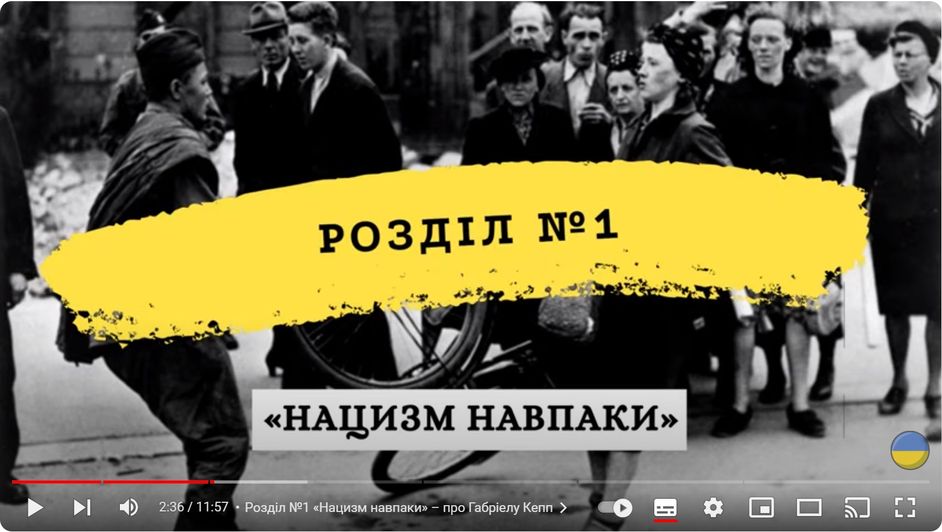 У 1945 році молодій німкені Габріелі Кепп було 15 років. Ех, 15 років... Це ж той час для дівчини, коли от якраз можно с хлопцями починати зустричатися, ти вперше закохуєшся, отримуєш квіти від хлопців і проживаєш соби таки перші романтични почуття, хай і дуже, можливо якоюсь мирою набто дитячі, але ж вони всеж таки романтични, вони е. Так от у Габриели Кэп цього всього не було. У 1945 році мати Габріели разом із її старшою сестрою відправляє їх товарним потягом тікати від наступаючих радянських військ, так званих "визволителів". Проте втекти не вдалося. Потяг доблесні червоноармійці підбили. Старша сестра Габріели зникла в невидомому напрямку, а сама Габриела потрапила до рук Червоної армії, до рук радянських солдатів, які 14 днів її гвалтували. Згодом Габриеле вдалося втекти, и вона протягом 15 днів своего блукання, всеж таки знайшла свою матір і все їй розповіла, про те, как ее чотирнадцять днiв гвалтували. Натомість мати сказала ий мовчати и никому за жодних обставин про це не говорити. І вона мовчала. Через 10 років вона вступила до Гарвардского университету. В 1966 році – захистила докторський ступінь з фізики. Але завдяки радянським нацистам-визволителям, її особисте життя було зламане. Лише в 90-х роках вона напише автобіографію, де розповисть свою історію. А згодом в 2010 році, коли їй виповниться вже 80, вона дещо переробила цю книгу і видала її, підписану власним ім'ям, і з назвою "Чому в мене не було сексу". А не було його в неї, тому що протягом всього життя їй снилися жахи про ті 14 днів, коли її гвалтували визволителі. За її словами, для німкень того часу найстрашнийшою фразой того часу було "Фрау, ком!", тобто "жінко, пидийдить". Епідемія массових згвалтувань німкень була такою, що Ватикан навить в певний момент був готовий навіть дозвол на аборти певним жинкам, яки були згвалтовани. Розділ №2 «Жінко, підійдіть» – історик Ентоні Бівор. 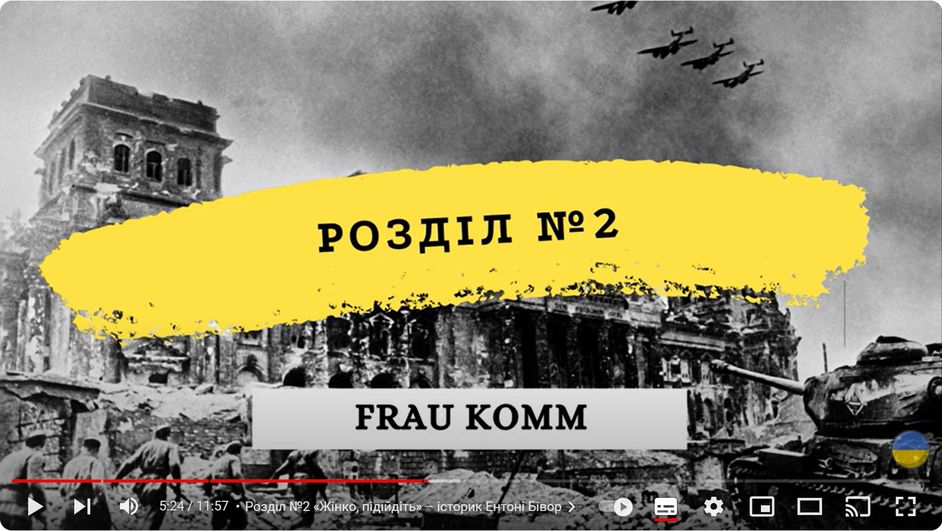 Ентоні Бівор – британський військовий історик. Участі у війні він не брав, оскільки народився вже після Другої світової війни. Але більшу частину свого життя він присвятив вивченню історії 20-го століття, зокрема Другої світової війни. Його твори були перекладені на понад 30 мов, а загальний обсяг проданих екземплярів склав 6 мільйонів. Зачем я це говорю? Щоб ви усвідомили, що це не якийсь Олексій Арестович, і тим більше не Леонід Мацієвський зі своїм невеличким YouTube-каналом. Це відомий, визначний і авторитетний науковець-історик, який у своїй книзі "Падіння Берліна" дослідив злочини радянських військ на території Європи і не побоявся оприлюднити спогади очевидців та офіційні документи НКВС, в яких йшлося про те, що доблестна Червона армія гвалтувала громадянок СРСР та польських жінок, які були в'язнями нацистських концтаборів. За словами Бівора, сам Йосип Сталін виправдовував такі зґвалтування, не тільки німецьких жінок, але і їхніх союзників – представниць Угорщини, Румунії та Хорватії. Коли югославський комуніст Мілован Джилас висловив протест Сталіну, вважаючи це аморальним, в принципі, як і будь-яка здорова людина, незважаючи на те, що він був комуністом, кат народів відповів, мовляв: "Як так, ви не можете зрозуміти солдата, який прокрокував тисячі кілометрів через кров, вогонь і смерть, і хоче розважитися з жінкою або взяти собі якусь дрібничку?" Якась дрібничка... Мільйони згвалтованих жінок у віці від 10 до 80 років від Східної Прусії до Берліна. Розділ №3 «Жертва святої невинності» – свята Анна Колесарова. 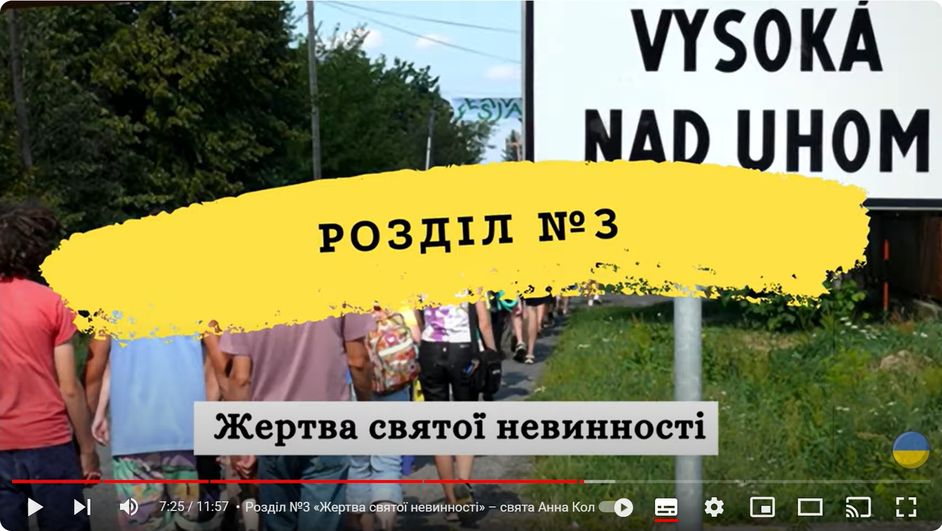 Що ви знаєте про християнських святих? А що про мучеників? Так, переважно мученики християн це люди, яких піддавали туртурам за те, що вони відмовлялися відректися від своєї віри. Зазвичай їх потім вбивали. Однією з таких святих була Анна Колесарова, яку папа римський Франциск проголосив блаженною в 2018 році. Проте історія її мучеництва певною мірою відрізняється від усіх інших. Народилася та жила Анна у маленькому селі на кордоні з Україною в Словаччині. У 13 років померла її мати, і тому всі домашні обов'язки перейшли на цю, ще зовсім юну, 13-річну дівчинку. У 1944 році до їхнього дому вторгся "визволитель". Батько наказав своїй 16-річній на той момент донці приготувати йому їжу, мовляв таким чином вдасться якось, можливо, вмиротворити його. За домовленістю того часу в селі усі жінки носили чорний скромний одяг. Сама Анна була одягнута в чорне скромне плаття. Це робилося для того, щоб якнайменше провокувати "визволителя". Але цього червоноармійця це не зупинило. І він вирішив згвалтувати дівчину. Але ось невдача. Анна так сильно протистояла йому і так сильно намагалася захистити свою цноту, що він вирішив не метушитися і просто її застрелити. "Ісусе, Маріє, Йосифе, вам вручаю свою душу…", – це були її останні слова, після яких пролунали постріли. Тепер могила святої Анни – місце багаточисельної християнської поклоніння. Розділ №4 «Епілог» – сморід 9 травня. 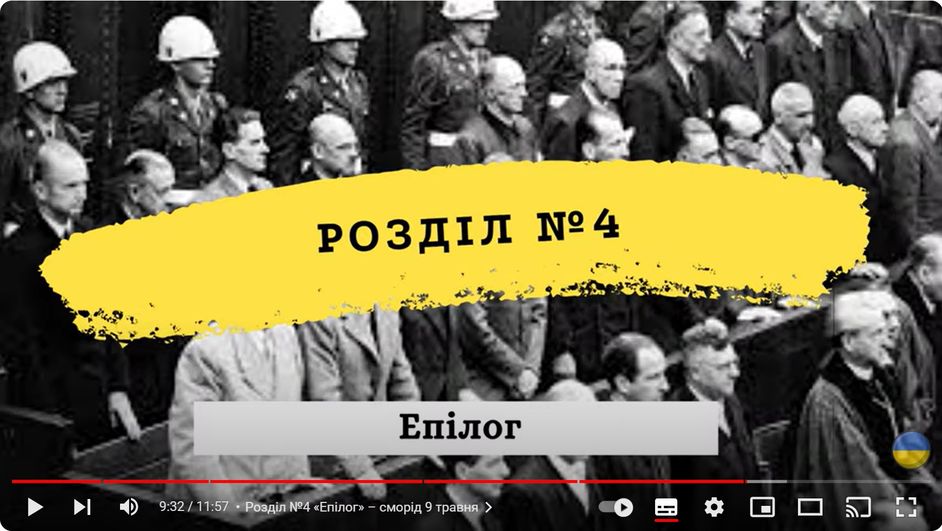 Чи намагаюся я в цьому відео сказати, що нацизм – це щось добре? В жодному разі. Перелічувати злочини нацистів можна дуже довго, починаючи від Голокосту, продовжуючи тим, що мене найбільше болить - боротьбою з українськими націоналістами і завершуючи такими ж згвалтуваннями, які "великі арійці" робили з жінками різних національностей, навіть з тими, яких вважали з точки зору пропаганди "нечистими". Але світ вже засудив злочини нацистів у Другій світовій війні. Нацизм – по суті це труп, мертва ідеологія, яка ніколи не відродеться. Не засудженим залишається лише кривавий комуністичний режим, який спочатку "визволив" Європу, а потім згвалтував її, а потiм забувиз цiй Європи пiйти. Режим гвалтівників і виродків дуже люблять жителі Московії, які окупували частину території України. На пам'ять про згвалтування Європи вони там, на Росії, кожного року проводять масові народні гуляння. Бо для них мільйони жертв – це свято. У них є свої символи, символи релігії "пабєдабєсіє". Серед них, наприклад, георгіївська стрічка, червона гачірка, а також портрети серійних вбивць на палках, таких як маршал Георгій Жуков. Тому обирай, з ким ти. З ідіотами, які можуть повторити, чи здоровими та адекватними людьми, які ніколи знову? З сепарами чи з українцями? З Богом чи з дияволом? Я для себе обрав давно. З Богом! |
 Ukrainian
May 9 is a holiday that is more religious than historical. On this day, the sect and religious cult of “victory frenzy” named after Joseph Stalin celebrates the victory of Kolyma over Buchenwald. The sectarians gather by their shrines, which are called the “eternal flame,” drink vodka, rejoice, and have fun. We all know perfectly well about the crimes of the Nazis in the Second World War. The world has already condemned them. But not so long ago, the truth began to emerge about another kind of criminal in that war.
They have many names. They are usually called Red Army soldiers or the so-called liberators. There were, of course, heroic people among the soldiers of the Red Army — first and foremost, those who went to war to defend their homes. But any army is a cross-section of society. That “cross-section” must be controlled, managed, and disciplined. The leadership of the USSR, humanity, and discipline were incompatible things.
So in this video we will recall one of the crimes of the Soviet Union in the Second World War — the epidemic of rape of civilians.
Historians now have enough documents attesting to crimes committed by the Red Army. These include NKVD documents and the recollections of victims and witnesses of those events.
Among them, for example, is Gabriela Köpp, author of the book Why Was I Born a Woman? [the page gives the title as “Why I Had No Sex”]. Special attention should be paid to the canonized victim Anna Kolesárová. A Soviet soldier attempted to rape the sixteen-year-old girl. He failed, so he shot her. In 2018 Pope Francis declared her blessed.
This video is about why the horrors of the Second World War must never be repeated. It is also about the fact that not all the “grandfathers” who served in the Red Army were saints. Among them, as among the Nazis, there were many degenerates. Never again!
Leonid Matsievskyi’s YouTube channel: I talk about political and cultural life in Ukraine, debunk Russian myths, and promote Ukrainian values — freedom, love of God, one’s country, family, and friends.
00:00 — IntroductionIntroduction
“When our soldiers arrived, they forced everyone into the basement. They took the youngest and probably the prettiest one with them and began abusing her.
‘They stuck it in here,’ the German woman explained, lifting her skirt, ‘all night, and there were so many of them. I was a Mädchen [girl],’ she sighed and began to cry. ‘They ruined my life. Some of them were old, pimply, and stinking, and all of them climbed on me, all of them thrust into me. There were no fewer than twenty of them.’
‘They raped my daughter in front of me,’ the unfortunate mother added. ‘They may come back and rape my girl again.’
At this, everyone was horrified once more, and bitter sobbing swept from corner to corner, amplified by the depths of the basement into which the owners had brought me.”
On the cynicism of the “victory frenzy”
You have just heard an excerpt from the diary of Soviet Army officer Vladimir Gelfand. This young lieutenant from Ukraine kept a diary despite the Soviet authorities’ prohibition, and in it he also mentioned crimes of this kind that he happened to witness during the war.
Do you know what has always amazed me about the parades for the Day of the Victory of Kolyma over Buchenwald? The heroic stories about people’s grandfathers. For most of those who attend those parades, their grandfather supposedly made it all the way to Berlin. Almost every one of them supposedly burned in a tank, and absolutely all of them deserve to be put on a stick once a year. Yet not one parade participant will tell you how his grandfather, together with his platoon, raped German girls in front of their mothers. Or how, on European territory, the Red Army turned into an army of Nazis in reverse. It is not customary to talk about this. But we will.
Chapter 1. “Nazism in Reverse” — Gabriela Köpp
In 1945 the young German Gabriela Köpp was fifteen years old. Fifteen… the age when a girl might just be beginning to date boys, fall in love for the first time, receive flowers, and experience her first romantic feelings — perhaps still childlike in some respects, but romantic nonetheless. Gabriela Köpp had none of that.
In 1945 Gabriela’s mother sent her and her older sister away on a freight train to flee the advancing Soviet troops, the so-called “liberators.” They failed to escape. The valiant Red Army soldiers hit the train. Gabriela’s older sister disappeared in an unknown direction, while Gabriela herself fell into the hands of the Red Army, into the hands of Soviet soldiers who raped her for fourteen days.
Gabriela later managed to escape. After fifteen days of wandering, she finally found her mother and told her everything — that she had been raped for fourteen days. Her mother, however, told her to keep silent and under no circumstances tell anyone. And she remained silent.
Ten years later she entered Harvard University. In 1966 she defended a doctoral degree in physics. But because of the Soviet “Nazi-liberators,” her personal life had been broken. Only in the 1990s did she write an autobiography telling her story. Later, in 2010, when she was already eighty, she revised the book somewhat and published it under her own name, with the title “Why I Had No Sex.” She had no sex because throughout her life she had nightmares about those fourteen days when the “liberators” raped her.
According to her, for German women of that time the most terrifying phrase was “Frau, komm!” — “Woman, come here.”
The epidemic of mass rape of German women was so severe that at one point the Vatican was even prepared to permit abortion for some women who had been raped.
Chapter 2. “Woman, Come Here” — historian Antony Beevor
Antony Beevor is a British military historian. He did not take part in the war, because he was born after the Second World War. But he devoted most of his life to studying twentieth-century history, especially the Second World War. His works have been translated into more than thirty languages, and six million copies have been sold.
Why am I saying this? So that you understand that this is not some Oleksii Arestovych, and certainly not Leonid Matsievskyi with his small YouTube channel. He is a well-known, prominent, authoritative academic historian who, in his book The Fall of Berlin, investigated crimes committed by Soviet troops in Europe and was not afraid to publish eyewitness recollections and official NKVD documents stating that the valiant Red Army raped Soviet women and Polish women who had been prisoners in Nazi concentration camps.
According to Beevor, Joseph Stalin himself justified such rapes — not only of German women but also of women from allied countries, including Hungary, Romania, and Croatia.
When the Yugoslav communist Milovan Djilas protested to Stalin, considering this immoral — as any sane person would, despite being a communist — the executioner of nations replied in substance: “What do you mean? Can’t you understand a soldier who has marched thousands of kilometres through blood, fire and death, and wants to have some fun with a woman or take some trifle for himself?”
Some trifle… Millions of raped women, aged from ten to eighty, from East Prussia to Berlin.
Chapter 3. “Victim of Holy Innocence” — Saint Anna Kolesárová
What do you know about Christian saints? And about martyrs? Christian martyrs are usually people who were tortured because they refused to renounce their faith. They were generally killed afterward.
One such saint was Anna Kolesárová, whom Pope Francis declared blessed in 2018. But the story of her martyrdom differs in some ways from the others. Anna was born and lived in a small Slovak village near the Ukrainian border.
Her mother died when Anna was thirteen, so all household duties fell on this still very young thirteen-year-old girl. In 1944 a “liberator” burst into their home. Her father told his then sixteen-year-old daughter to prepare food for him, hoping perhaps to pacify him somehow.
By common agreement at the time, all the women in the village wore modest black clothing. Anna herself wore a simple black dress. This was intended to provoke the “liberator” as little as possible.
But it did not stop this Red Army soldier. He decided to rape the girl. Anna resisted him so strongly and tried so hard to defend her chastity that he decided not to bother and simply shot her.
“Jesus, Mary, Joseph, into your hands I commend my soul…” were her last words, after which the shots rang out.
Today Saint Anna’s grave is a place of widespread Christian pilgrimage.
Chapter 4. “Epilogue” — the stench of May 9
Am I trying to say in this video that Nazism is somehow good? Absolutely not. The crimes of the Nazis could be listed for a very long time, beginning with the Holocaust, continuing with what pains me most — the struggle against Ukrainian nationalists — and ending with the same kind of rapes that the “great Aryans” committed against women of different nationalities, even those whom propaganda regarded as “impure.”
But the world has already condemned the crimes of the Nazis in the Second World War. Nazism is essentially a corpse, a dead ideology that will never be revived.
What remains uncondemned is the bloody communist regime that first “liberated” Europe, then raped it, and then forgot to leave Europe. The regime of rapists and degenerates is greatly loved by residents of Muscovy who have occupied part of Ukraine’s territory. In memory of the rape of Europe, they hold mass public festivities in Russia every year. For them, millions of victims are a holiday.
They have their own symbols, the symbols of the religion of “victory frenzy”: for example the St. George ribbon, a red rag, and portraits of serial killers on sticks, such as Marshal Georgy Zhukov.
So choose whose side you are on: with idiots who say “we can do it again,” or with sane and reasonable people who say “never again”? With separatists or with Ukrainians? With God or with the devil? I made my choice long ago. With God.
© Leonid Matsievskyi
